
Building a tent is one of those outdoor skills that feels empowering and practical. Whether you’re camping in the woods, setting up a shelter at the beach, or preparing for an unexpected night outdoors, knowing how to make a tent can make all the difference.
You don’t need fancy gear or a big budget. With a few simple materials and some creativity, you can create a safe, comfortable place to sleep under the stars.
Choosing The Right Spot
Before you start, finding the best location is key. Look for flat, dry ground. Avoid areas where water collects after rain. Stay clear of low spots, which can get muddy or flood easily. Try to pitch your tent away from strong winds, under trees for shade, but not directly under dead branches. If you’re near a river or lake, set up at least 200 feet away to stay safe from rising water and bugs.
Basic Materials You Need
To build a simple tent, gather these materials:
- Rope or paracord (about 10-15 meters)
- Tarp or large plastic sheet (about 2×3 meters)
- Tent stakes or sturdy sticks (at least 4)
- Mallet or rock (for driving stakes)
- Groundsheet (optional, for extra comfort)
- Poles or long branches (if you want a raised tent)
If you don’t have a tarp, a thick poncho or emergency blanket works in a pinch.

Credit: www.wikihow.com
Step-by-step: How To Make A Simple Tarp Tent
Let’s go through the process of making a basic A-frame tent with a tarp and rope. This style is easy, fast, and gives good rain protection.
1. Tie The Ridgeline
Find two strong trees about 3-4 meters apart. Tie your rope tightly between them, about waist height. This is your ridgeline. If you don’t have trees, use sturdy poles or sticks.
2. Drape The Tarp
Throw your tarp over the ridgeline so it hangs evenly on both sides. Adjust until both sides touch the ground.
3. Stake Down The Corners
Take your stakes or sticks and push them through the tarp’s corners into the ground. Pull each corner tight before you stake it. This keeps the tarp smooth and prevents sagging. If it’s windy, add extra stakes along the sides.
4. Secure The Edges
If possible, use rocks or logs to hold down the tarp’s edges. This keeps out rain and wind. If your tarp has grommets (metal holes), tie short cords through them for extra security.
5. Add A Groundsheet
For comfort and dryness, lay a groundsheet or extra tarp inside. This stops moisture from the ground coming up at night.
Different Tent Shapes To Try
A-frame tents are just the start. Depending on your needs, you can build other shapes.
| Type | Best For | Pros | Cons |
|---|---|---|---|
| A-frame | Rainy weather | Easy, good rain runoff | Less space |
| Lean-to | Wind protection | Quick setup, open side | Less privacy |
| Pyramid | Cold conditions | Strong, wind-resistant | Needs a center pole |
Lean-to Tent
A lean-to is perfect if you need a simple windbreak. Tie a tarp edge to a tree or pole about chest height, and stake the other edge to the ground. The open side faces away from the wind.
Pyramid Tent
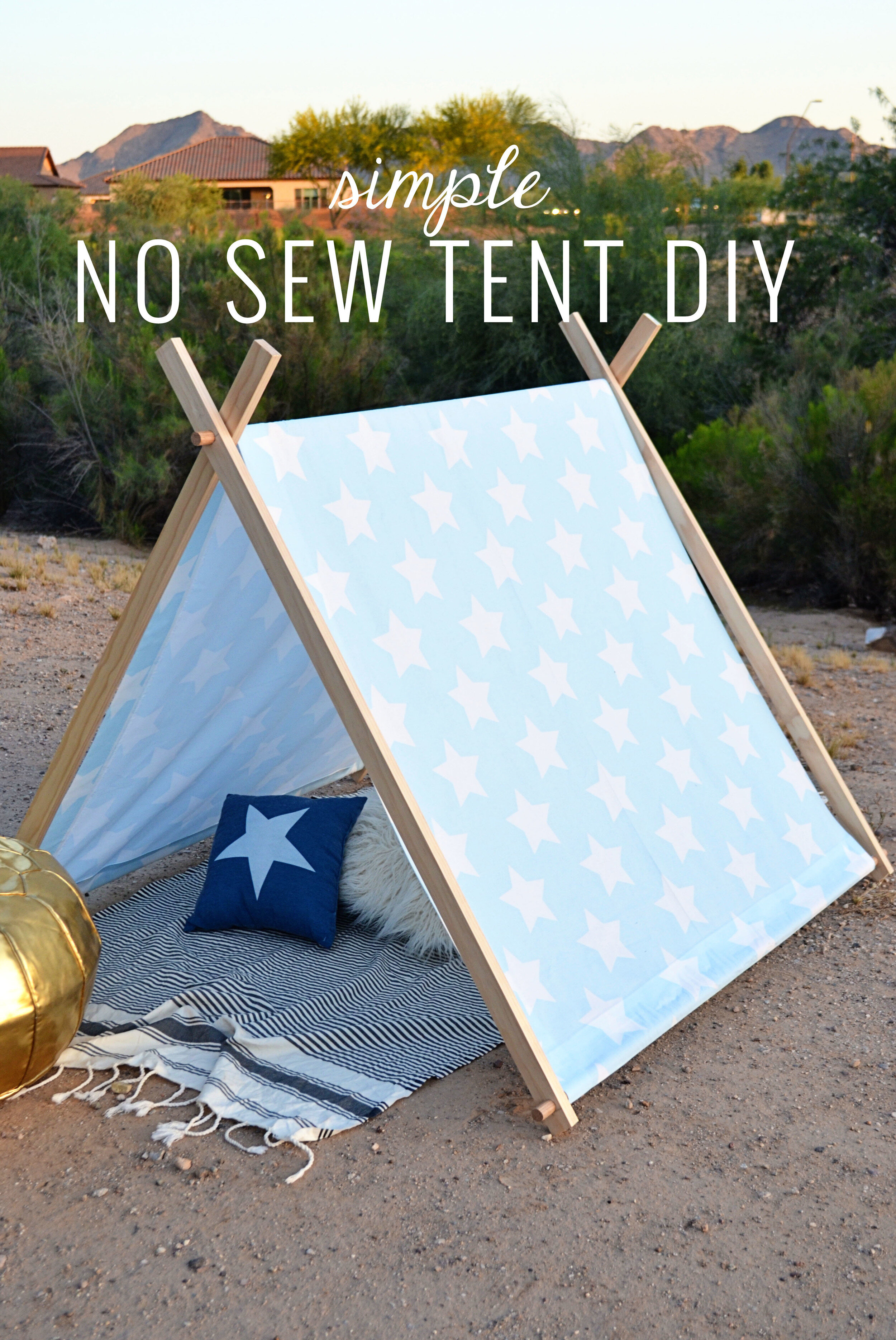
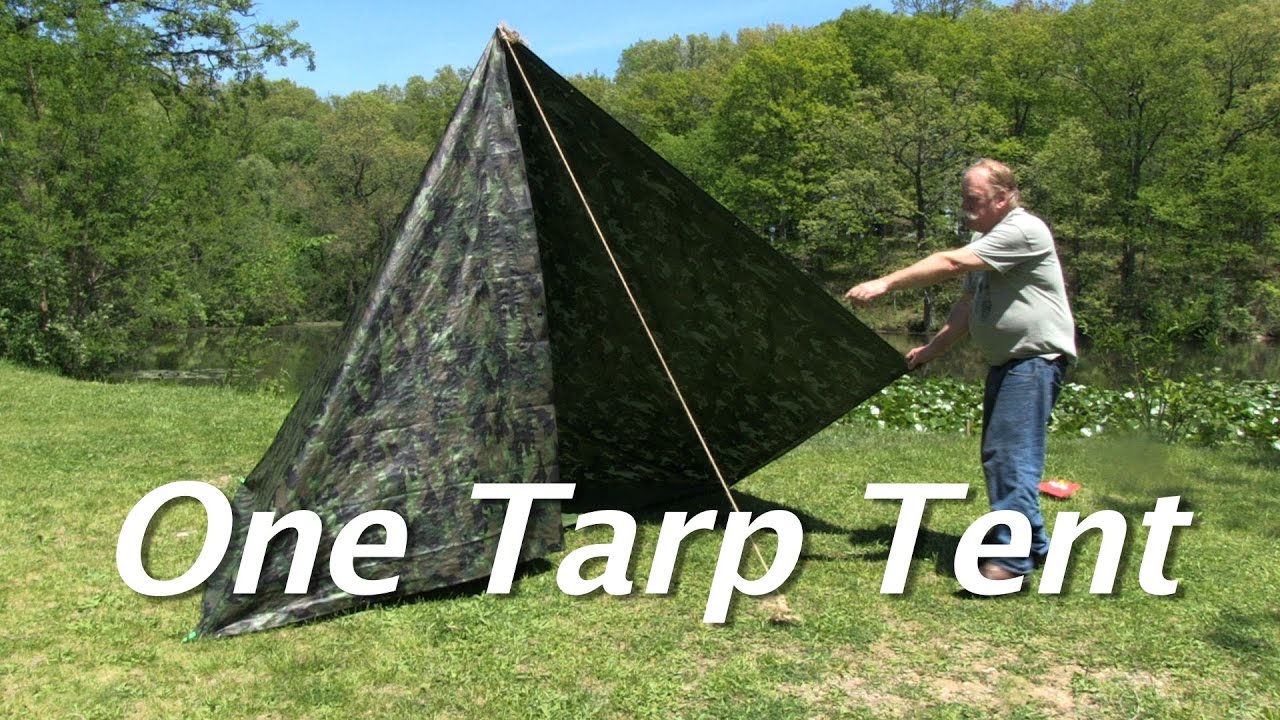
For a pyramid tent, tie the center of your tarp to a high branch or pole. Stake the corners out wide, forming a four-sided pyramid. This design sheds rain and snow well.
Credit: www.mommasociety.com
Using Natural Materials
If you don’t have a tarp, you can use materials from nature. Look for big branches, leafy boughs, and dry grass. Build a frame with sticks, then cover it with leaves or pine branches for waterproofing. This method is more work and not as dry as a tarp, but it’s a good skill for emergencies.
Here’s a quick comparison of materials:
| Material | Waterproof | Warmth | Weight |
|---|---|---|---|
| Tarp | Excellent | Low | Very light |
| Poncho | Good | Low | Very light |
| Branches/Leaves | Medium | High | Heavy |
Practical Tips For A Strong Tent
- Pull fabric tight: Loose tarps flap in wind and let rain in.
- Check wind direction: Face the tent opening away from strong winds.
- Use extra guy lines: In storms, tie extra cords from tarp edges to trees or rocks for stability.
- Avoid sharp objects: Clear rocks or sticks from under your tent before sleeping.
- Keep your gear dry: Store backpacks under the tent edges or in a plastic bag.
A non-obvious tip: Make small drainage ditches with a stick around your tent if heavy rain is expected. This channels water away from your sleeping area.
Mistakes To Avoid
- Choosing a low spot: Even a small dip can fill with water.
- Not tightening stakes: Loose stakes pull out easily in wind.
- Ignoring tent orientation: Facing the opening into wind makes it colder and wetter.
- Using the wrong knots: Learn simple knots like the taut-line hitch for easy adjustments.
- No ground cover: Sleeping straight on the ground means less insulation and more moisture.
Tent Care And Packing Up
When taking down your tent, shake off dirt and dry it if possible. Fold tarps, ropes, and stakes neatly. Check for damage before storing. Proper care means your shelter lasts for many trips.
Here’s a quick look at how long it takes to set up each tent type:
| Tent Type | Setup Time (minutes) | Difficulty (1-5) |
|---|---|---|
| A-frame | 10 | 2 |
| Lean-to | 7 | 1 |
| Pyramid | 15 | 3 |
Credit: www.youtube.com
Safety And Weather Considerations
Always check the weather forecast before heading out. If storms or high winds are likely, secure your tent well and bring extra supplies. Never set up a tent in a dry riverbed or under loose rocks. If lightning is possible, avoid tall isolated trees.
If you want more details about outdoor shelter designs and safety, visit the Wikipedia Tarp Tent page for expert advice.
Frequently Asked Questions
What Is The Easiest Type Of Tent To Make?
The A-frame tent is the simplest and fastest to build. You only need a tarp, some rope, and four stakes. It works well in most weather.
How Do I Keep My Tent Dry In Heavy Rain?
Make sure your tarp is tight and angled so water runs off. Use a groundsheet inside, and dig small drainage channels around your tent if you expect a lot of rain.
Can I Make A Tent Without Any Rope Or Stakes?
Yes, you can use long branches for a frame and hold the tarp down with rocks or logs. It’s harder, but still possible with creativity.
How Big Should My Tarp Be For One Person?
A tarp of about 2×3 meters is enough for one person and gear. For two people, go for at least 3×3 meters.
Is It Safe To Make A Tent In The Forest?
Yes, but always check for hazards like dead branches above, animal trails, and flooding risks. Stay alert and follow local rules for wild camping.
Building your own tent teaches self-reliance and makes any outdoor trip more enjoyable. With practice, you’ll get faster and more comfortable each time. Whether you’re a beginner or just want to brush up your skills, setting up a shelter is a great way to connect with nature and feel prepared for any adventure.
