
Are you planning to go tent camping in bear country but feel unsure about the risks? You’re not alone.
The idea of sharing a campsite with bears can be scary, and you might be wondering if it’s really safe to sleep under the stars in these areas. But what if you knew simple steps that could keep you safe and let you enjoy your adventure without fear?
You’ll discover practical tips and important facts that help you camp confidently, even where bears roam. Keep reading to learn how to protect yourself and make your trip memorable for all the right reasons.
Risks Of Tent Camping In Bear Areas
Tent camping in bear country carries real risks. Bears live in many forested and mountainous areas. They often roam near campsites in search of food. Campers must understand these risks to stay safe. Awareness and preparation reduce dangers during outdoor adventures.
Types Of Bears Encountered
Black bears and grizzly bears are the main species. Black bears are more common in many areas. Grizzly bears are larger and more aggressive. Both types can be dangerous if surprised or threatened. Knowing which bears live nearby helps campers prepare.
Common Bear Behaviors
Bears search for food mostly at dawn and dusk. They use their strong sense of smell to find smells. They often explore campsites for easy meals. Bears may be curious but usually avoid humans. Sudden movements or loud noises can startle them. Understanding these behaviors helps avoid close encounters.
Potential Dangers To Campers
Bears can damage tents while searching for food. They may attack if they feel trapped or threatened. Leaving food or trash out invites bears to camp. Bear encounters can cause serious injuries or worse. Campsites without proper bear-proof storage increase risks. Campers must follow safety rules to lower dangers.
Credit: wgfd.wyo.gov
Choosing A Safe Campsite
Choosing a safe campsite is very important in bear country. It helps keep you and the bears safe. A good campsite reduces the chance of surprise encounters. Careful selection can make your camping trip peaceful and secure.
Location Factors To Consider
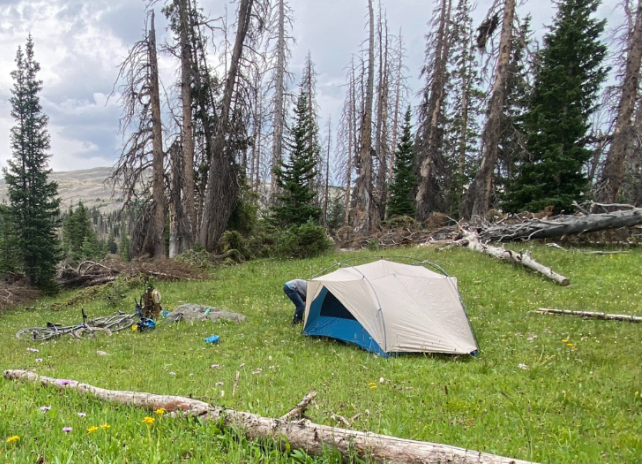
Pick a flat area away from dense bushes and heavy trees. Avoid low spots that can collect water during rain. Choose a place with good visibility in all directions. Stay clear of berry patches or animal feeding areas. Look for open spaces where you can spot wildlife early.
Avoiding Bear Trails And Food Sources
Do not camp near bear trails or paths animals use often. Keep away from streams or rivers where bears fish or drink. Stay clear of places with strong food smells or leftover scraps. Avoid cooking or storing food near your sleeping area. Bears follow scents, so keep food sealed and distant.
Using Established Campsites
Established campsites are safer and easier to find. They often have bear-proof food lockers and clear boundaries. These sites are away from common bear routes. Using them lowers the chance of unexpected bear visits. Always follow rules and signs at these sites.
Bear-proof Food Storage
Bear-proof food storage is key for safe camping in bear country. Bears have a strong sense of smell. They can find food from far away. Keeping food secure helps prevent bear encounters. It also protects your food from animals. Use proper storage to keep bears and campers safe.
Storing food correctly stops bears from coming close. It reduces risks and makes camping peaceful. Here are the best ways to store food safely.
Proper Use Of Bear Canisters
Bear canisters are hard containers that keep food safe. Place all scented items inside. Make sure the lid is tight and locked. Put the canister on the ground, away from your tent. Check for cracks or damage before use. Using a canister stops bears from smelling your food.
Hanging Food Techniques
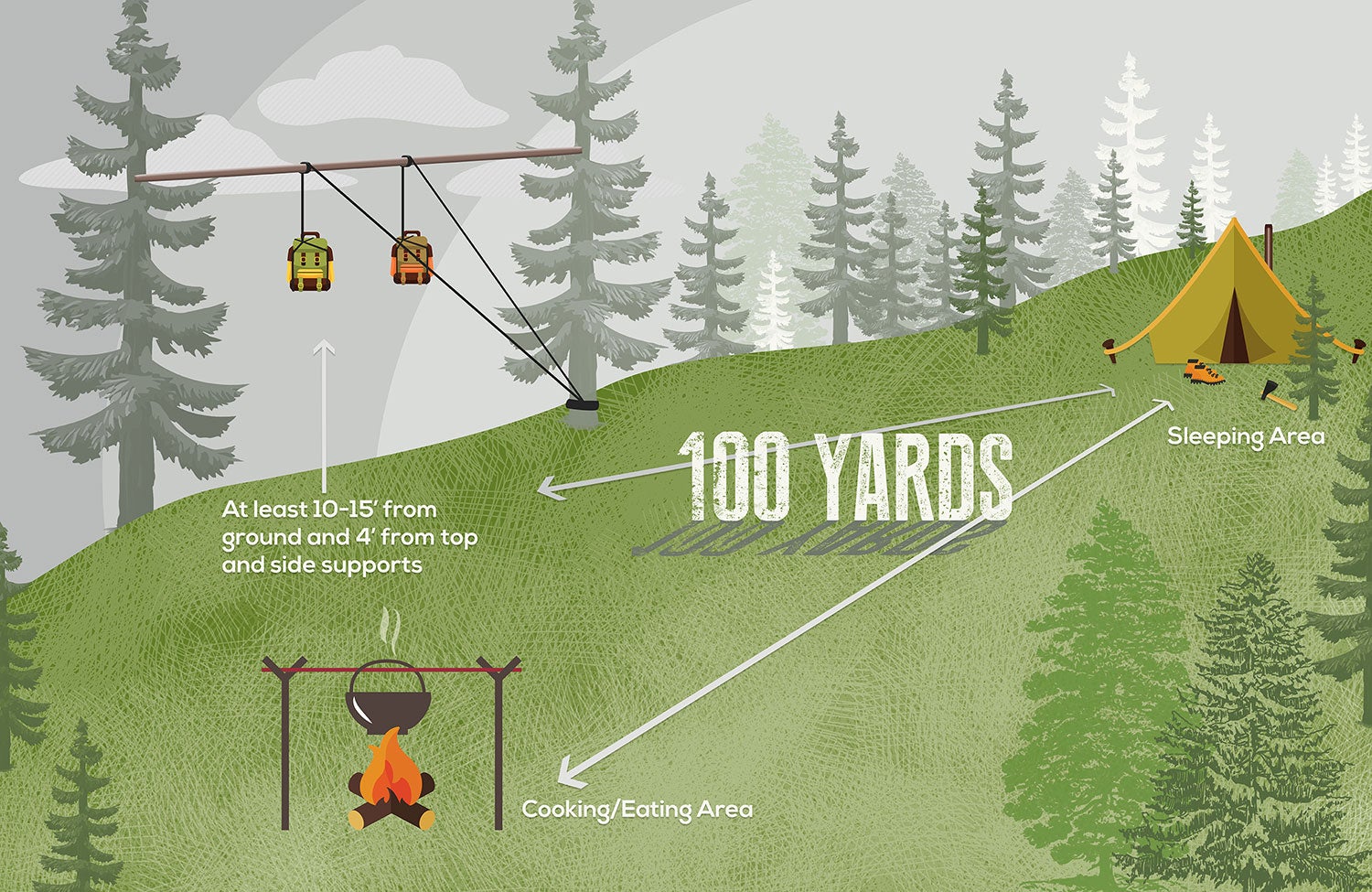
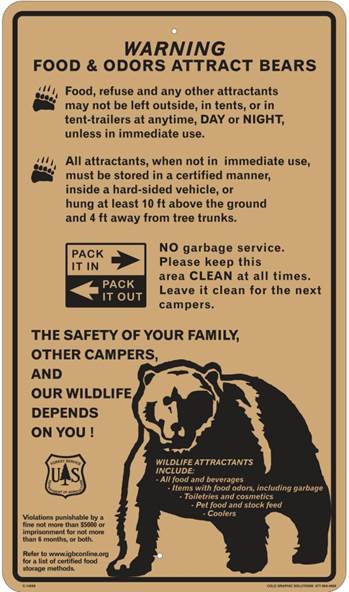
Hanging food is an old method to keep bears away. Use a strong rope and a sturdy tree branch. Hang food at least 10 feet above the ground. Keep it 4 feet away from the tree trunk. This makes it hard for bears to reach. Make sure your bag is sealed well to stop odors.
Avoiding Strong-smelling Items
Strong smells attract bears from far away. Avoid carrying foods with strong odors like tuna or cheese. Store toothpaste, soap, and deodorant with your food. Keep all scented items in bear-proof containers. Clean up cooking areas to remove food smells. Less smell means less chance of bears coming near.
Camp Setup And Maintenance
Setting up your camp properly in bear country is very important. It helps keep you safe and stops bears from coming close. A good camp setup lowers the chance of unwanted visits and makes your trip more peaceful.
Simple rules about camp care make a big difference. Keep your site clean, manage trash well, and place your tent in the right spot. These steps protect you and the bears.
Keeping A Clean Campsite
Clean campsites do not attract bears. Remove all food scraps and spills right away. Wipe down cooking gear and tables after use. Avoid cooking or eating near your tent. Cleanliness helps keep wildlife away from your sleeping area.
Managing Trash And Waste
Trash smells attract bears from far away. Store garbage in strong, bear-proof containers. If these are not available, hang trash in a bag from a tree. Keep the bag at least 10 feet off the ground and 4 feet from the trunk. Pack out all trash when you leave. Never bury food waste or trash.
Setting Up Away From Food Areas
Place your tent at least 100 yards from cooking spots. This distance stops bears from linking your tent with food. Use a separate area for cooking and storing food. Avoid storing food inside your tent. Keep a safe space between where you eat and sleep.
Safety Measures And Equipment
Camping in bear country needs careful safety planning. Using the right equipment helps protect you and the wildlife. Simple steps can lower risks and keep your trip safe. Always prepare well before setting up your tent.
Carrying Bear Spray
Bear spray is a must-have in bear areas. It works like a strong pepper spray that stops bears safely. Keep it close and easy to reach. Learn how to use it before your trip. Spray only if a bear comes too close.
Noise-making Strategies
Bears avoid humans if they hear them coming. Make noise by talking, clapping, or using bells. Noise helps alert bears to your presence. Avoid quiet walking in dense brush or near streams. Stay loud enough to warn bears without scaring others.
Emergency Communication Tools
Carry a phone or satellite messenger for emergencies. Cell service may be weak in remote areas. Satellite devices send messages anywhere on Earth. Keep emergency contacts programmed before you leave. Quick help can save lives in critical moments.
Credit: wgfd.wyo.gov
Behavior During Bear Encounters
Camping in bear country means knowing how to act during bear encounters. Staying calm and making smart choices can keep you safe. Bears usually avoid people, but surprise meetings can happen. Understanding the right behavior helps prevent danger and keeps bears wild and free.
How To React If You See A Bear
Stay calm and do not run. Running can trigger a chase. Speak softly to show you are not a threat. Slowly back away without turning your back. Keep your eyes on the bear but avoid direct eye contact. Make yourself look bigger by raising your arms. Use bear spray if the bear comes too close. Do not climb trees; bears can climb faster.
Avoiding Surprise Encounters
Make noise while hiking to alert bears. Talk, sing, or use a bell. Stay on marked trails and avoid dense bushes. Travel in groups; bears avoid many people. Store food in bear-proof containers away from your tent. Do not keep food inside your tent. Dispose of trash properly to avoid attracting bears.
When To Leave The Area
Leave if you see fresh bear tracks or droppings. Move away if the bear shows signs of aggression. Signs include growling, jaw popping, or bluff charges. If a bear blocks your path, wait for it to move. Slowly and quietly back away if the bear is calm. Always plan an escape route before entering bear country.
Local Regulations And Guidelines
Camping in bear country requires careful attention to local rules. These rules help keep you safe and protect bears. Knowing and following regulations reduces risks. It also helps preserve natural habitats. Here are key points about local guidelines for tent camping in bear areas.
Permits And Restrictions
Many parks require permits for camping in bear zones. Permits limit the number of campers. This reduces human impact on wildlife. Some areas restrict camping during certain seasons. These rules protect bears during sensitive times. Check with park offices before your trip. Follow all permit rules strictly.
Following Park Rules
Parks have clear rules about food storage. Use bear-proof containers or lockers. Never leave food or trash outside tents. Keep your campsite clean and odor-free. Noise rules may apply to avoid disturbing bears. Stay on marked trails and campsites only. These steps reduce the chance of bear encounters.
Reporting Bear Sightings
Report any bear sightings to park staff immediately. This helps rangers track bear movements. It also alerts other campers to possible danger. Use designated phones or visitor centers to report. Share details like location, time, and bear behavior. Prompt reports improve safety for everyone.
Credit: www.xoverland.com
Frequently Asked Questions
Is Tent Camping Safe In Bear Country?
Tent camping in bear country can be safe with proper precautions. Store food securely, use bear-proof containers, and camp away from animal trails. Stay alert and follow local guidelines to reduce risks and enjoy a safe outdoor experience.
How To Store Food Safely While Tent Camping?
Store food in bear-resistant containers or hang it at least 10 feet off the ground. Avoid keeping food inside tents to prevent attracting bears. Proper storage minimizes encounters and keeps both campers and bears safe.
What Should I Do If I See A Bear Near My Tent?
Stay calm, do not run, and slowly back away while speaking softly. Make yourself look bigger by raising your arms. Carry bear spray and know how to use it for added protection.
Can Bear Spray Protect Me While Tent Camping?
Yes, bear spray is an effective deterrent against aggressive bears. Keep it accessible and learn proper usage before camping. It provides a non-lethal way to protect yourself in bear encounters.
Conclusion
Camping in bear country can be safe with the right steps. Keep food stored away from your tent. Make noise while hiking to avoid surprising bears. Stay alert and respect wildlife space. Carry bear spray and know how to use it.
Remember, bears usually avoid humans if given a chance. Enjoy nature but stay cautious. Your safety depends on preparation and awareness. Follow local rules and guidelines for the best experience. Camping near bears is possible when you stay smart and careful.
