
Setting up a family tent might seem tricky at first, but with the right steps, you can have it ready in no time. Imagine your family gathered inside, safe and cozy, ready to enjoy the outdoors together.
You want the process to be smooth and stress-free, so everyone can focus on fun, not frustration. In this guide, you’ll learn simple, clear instructions that make pitching your tent easy—even if it’s your first time. Keep reading, and you’ll discover tips that save you time and help you avoid common mistakes.
Your perfect camping experience starts here.
Choosing The Right Tent
Choosing the right tent is key for a great family camping trip. The right tent keeps everyone comfortable and safe. It fits your family’s size and the weather you expect. Picking the best tent makes your outdoor stay fun and easy.
Size And Capacity
Choose a tent big enough for your whole family. Count everyone who will sleep inside. Add extra space for gear and movement. A cramped tent feels uncomfortable and crowded. Look for tents labeled with their capacity. Remember, a tent for six may fit four comfortably.
Material And Durability
Check the tent’s fabric and frame materials. Strong materials last longer and resist tears. Polyester and nylon are common, light, and strong. Aluminum poles are lighter and durable. Avoid cheap plastic poles; they break easily. Durable tents protect your family in rough conditions.
Weather Resistance
Choose a tent that handles your camping weather. Waterproof tents keep rain and moisture out. Look for a high waterproof rating or coating. Good ventilation stops condensation inside the tent. Wind-resistant tents have sturdy poles and low profiles. This keeps the tent stable during storms.

Credit: www.youtube.com
Selecting The Campsite
Selecting the campsite is an important step when setting up a family tent. A good site makes camping safe and fun. It helps keep the tent stable and comfortable. Spend time choosing the right spot before pitching your tent. This helps avoid problems later.
Flat And Dry Ground
Choose a flat area to keep your tent steady. Uneven ground makes sleeping hard and uncomfortable. Avoid low spots where water can gather. Wet ground can soak your tent and gear. Dry soil helps keep moisture away and feels nicer underfoot.
Shelter From Wind
Pick a spot protected from strong winds. Trees and bushes can block the wind well. Wind can make your tent shake or even blow away. A sheltered area keeps the tent warmer and quieter. It also helps the tent last longer.
Accessibility And Safety
Set up near trails or paths but not too close. Easy access means less struggle carrying gear. Watch out for hazards like sharp rocks or branches. Stay away from cliffs, rivers, or animal paths. A safe place keeps your family secure and relaxed.
Preparing The Site
Preparing the site for your family tent is a key step. A clean, flat area makes your camping experience better. It helps keep the tent stable and comfortable. Take time to prepare the ground carefully. This prevents damage to the tent floor and keeps bugs out. Follow these simple steps to get your site ready.
Clearing Debris
Start by removing sticks, rocks, and leaves. These can poke through the tent floor. They also make sleeping uncomfortable. Use your hands or a small rake to clear the area. Check for sharp objects hidden in the grass. Clearing debris protects your tent and your family.
Leveling The Ground
Look for a flat spot to set up the tent. Uneven ground can cause discomfort and poor sleep. Use a shovel or your feet to fill holes and smooth bumps. Make sure water will not pool under the tent. A level site keeps the tent stable in wind and rain.
Laying A Groundsheet
Place a groundsheet under your tent for extra protection. It stops moisture from seeping in. It also guards the tent floor from dirt and damage. Choose a groundsheet slightly smaller than the tent base. This prevents water from collecting under the tent walls.
Setting Up The Tent Frame
Setting up the tent frame is the first step in pitching your family tent. It creates the basic shape and support for the entire tent. A strong frame helps the tent stand firm against wind and weather. Follow clear steps to build the frame quickly and safely.
Identifying Poles And Connectors
Start by laying out all poles on flat ground. Most tents include poles of different lengths and colors. Match each pole with the instructions or color code. Find connectors, the plastic or metal pieces that join poles. Check each connector for cracks or damage before use. Sorting poles and connectors first saves time during assembly.
Assembling The Frame
Begin joining poles using the connectors. Slide poles into connectors firmly until they click or fit tightly. Form the main shapes like arches or rectangles. Keep the frame close to the ground as you build it. This avoids bending or breaking poles. Work slowly and carefully to avoid forcing parts together.
Securing The Structure
Once the frame is complete, stand it upright gently. Adjust poles and connectors to make sure everything fits well. Use clips, hooks, or straps on the tent fabric to attach it to the frame. Tighten these fasteners to reduce slack. Stake the frame’s corners to the ground to stop movement. Check each stake is deep and secure for strong support.
Attaching The Tent Fabric
Attaching the tent fabric is an important step in setting up a family tent. It holds the tent together and protects you from wind, rain, and bugs. Proper attachment ensures the tent stays tight and stable. Follow these steps to attach the fabric correctly and get your tent ready for a great camping experience.
Aligning The Tent Body
Start by spreading the tent body flat on the ground. Make sure the doors and windows face the right direction. Check that the tent’s corners match the stakes or footprint. Align the tent so it lays evenly without folds or wrinkles. This helps the fabric fit well over the frame.
Clipping And Zipping
Attach the tent fabric to the poles using clips or sleeves. Fasten each clip firmly around the poles. Zip up all doors and windows to close the tent body. Ensure zippers run smoothly without catching on fabric. Tighten any loose areas to keep the tent stable.
Rainfly Installation
Place the rainfly over the tent body, covering it completely. Match the rainfly’s corners with the tent’s corners. Secure the rainfly with hooks, straps, or Velcro fasteners. Adjust the rainfly so it doesn’t touch the tent walls. This creates space for air circulation and prevents moisture buildup.
Securing The Tent
Securing the tent is a key step in camping setup. A well-secured tent stays safe in wind and rain. It keeps everyone inside dry and comfortable. Let’s explore simple ways to hold your family tent firmly in place.
Staking The Corners
Start by placing stakes at each corner of the tent. Push the stakes into the ground at a 45-degree angle. This angle helps the stakes hold better. Make sure the tent fabric is tight but not stretched too much. Tight corners stop the tent from flapping in the wind. Use a hammer or rock to drive stakes fully into the soil.
Using Guy Lines
Attach guy lines to the tent’s loops or rings. Stretch these lines away from the tent at an angle. Secure each line with stakes or anchors. Guy lines add extra strength to the tent’s structure. Adjust the lines so the tent stays upright and firm. Tight lines help the tent resist strong gusts.
Checking Stability
Walk around the tent and press on the sides gently. Look for any loose or sagging areas. Tighten stakes and guy lines where needed. Check the ground for soft spots under the tent. Move stakes to firmer soil if possible. A stable tent means a safer and better camping experience.
Organizing The Interior
Organizing the interior of a family tent makes camping more comfortable. It helps create space and keeps things tidy. Planning where to put sleeping bags and gear saves time. A well-organized tent feels like a small home outdoors.
Setting Up Sleeping Areas
Choose a flat spot inside the tent for sleeping. Keep sleeping bags side by side for easy access. Use sleeping pads for comfort and insulation. Separate adults and kids if space allows. Keep pillows and blankets nearby for warmth.
Storage Solutions
Use mesh pockets or hanging organizers for small items. Store shoes near the tent entrance to avoid dirt inside. Keep food in sealed containers away from sleeping areas. Use bins or bags to group clothes and gear. Label items for quick finding during the day.
Ventilation Tips
Open tent windows or vents to allow fresh air. Avoid blocking vents with bags or gear. Keep the door slightly open if weather permits. Use a small fan to improve airflow on warm nights. Proper ventilation reduces moisture and keeps the tent dry.
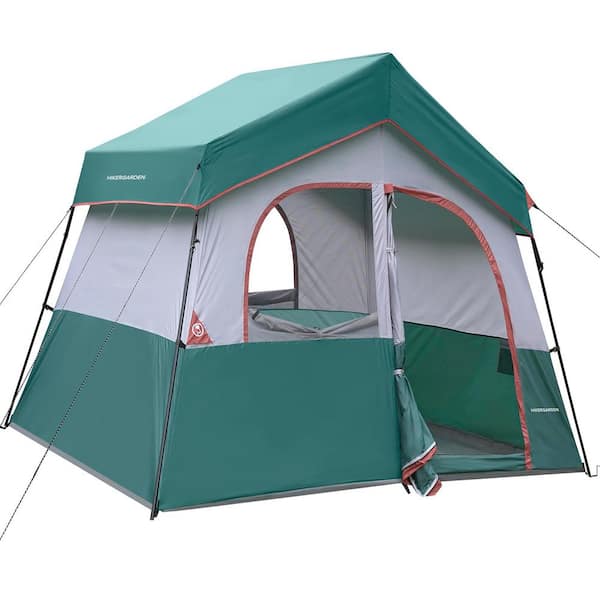
Credit: www.homedepot.com
Maintaining The Tent
Maintaining your family tent keeps it safe and ready for many trips. Care helps avoid damage and extends the tent’s life. Small steps make a big difference after every camping trip.
Cleaning After Use
Remove dirt and debris from the tent fabric. Use a soft brush or cloth for gentle cleaning. Avoid harsh chemicals; use mild soap and water only. Clean zippers and seams carefully to prevent damage. Check for bugs or leaves stuck in corners.
Proper Drying Techniques
Always dry the tent completely before storing it. Set it up in a shaded, airy place. Avoid direct sunlight to protect the fabric from fading. Make sure all parts, including rainfly and floor, are dry. Damp tents can develop mold and bad smells.
Storage Recommendations
Store the tent in a cool, dry place away from sunlight. Use a breathable storage bag, not plastic, to avoid moisture build-up. Fold the tent loosely to prevent creases and fabric wear. Keep the tent away from sharp objects and heavy weights. Regularly check the tent during storage for any signs of damage.

Credit: www.amazon.com
Frequently Asked Questions
How Do I Choose The Right Family Tent Size?
Select a tent size based on your family members and gear. Allow extra space for comfort and movement. Check the tent’s capacity rating to avoid overcrowding. Larger tents provide better ventilation and storage options. Always consider the tent’s weight for easy transport.
What Is The Best Ground Surface For Pitching A Family Tent?
Choose flat, dry ground free of rocks and debris. Avoid low areas prone to flooding during rain. Grass or dirt surfaces provide good tent stability. Clear the area of sharp objects before pitching. Proper ground selection ensures comfort and tent longevity.
How Can I Set Up A Family Tent Quickly?
Read the instructions before starting to save time. Lay out all parts and organize them. Assemble poles first, then attach the tent body. Use stakes and guy lines for stability. Practice setup at home to improve speed and confidence.
What Essentials Should I Bring For Family Tent Setup?
Bring a mallet, tent stakes, and a ground tarp. Include repair kits for poles and fabric. Carry a flashlight or headlamp for nighttime setup. Pack extra guy lines for added stability. These items ensure smooth and secure tent assembly.
Conclusion
Setting up a family tent can be simple and fun. Follow each step carefully and take your time. Choose a flat, clear spot to start. Make sure all parts are ready before you begin. Work together with family members for faster setup.
Check the tent is stable and secure before using it. Enjoy your outdoor adventure with comfort and safety. Practice makes perfect, so try setting it up at home first. Camping becomes easier and more enjoyable with each try. Ready for your next trip?
