
Planning a trip to Europe or another country soon? You might have come across terms like “tourist visa” and “Schengen visa” and wondered what sets them apart.
Understanding the difference can save you time, money, and a lot of stress during your travel preparations. You’ll discover exactly what each visa means, when you need one, and how they affect your travel plans. Keep reading to make sure your next adventure goes smoothly from start to finish.
Credit: www.alamy.com
Tourist Visa Basics
A tourist visa is a travel document that lets people visit a country for leisure. It allows short stays for sightseeing, visiting friends, or relaxing. Understanding its basics helps travelers know how it differs from other visas.
Purpose And Usage
A tourist visa is for visiting places and enjoying holidays. It does not allow work or study. Travelers use it to explore culture, nature, and attractions. It is valid only for tourism activities.
Application Process
Applying for a tourist visa involves submitting forms and documents. Common requirements include a passport, photos, and proof of funds. Sometimes, proof of accommodation and return tickets is needed. The process varies by country but stays simple.
Validity And Duration
Tourist visas have limited validity. Most last from a few weeks to six months. The stay allowed is usually shorter than the visa validity. Overstaying can cause legal problems and future visa issues.
Schengen Visa Essentials
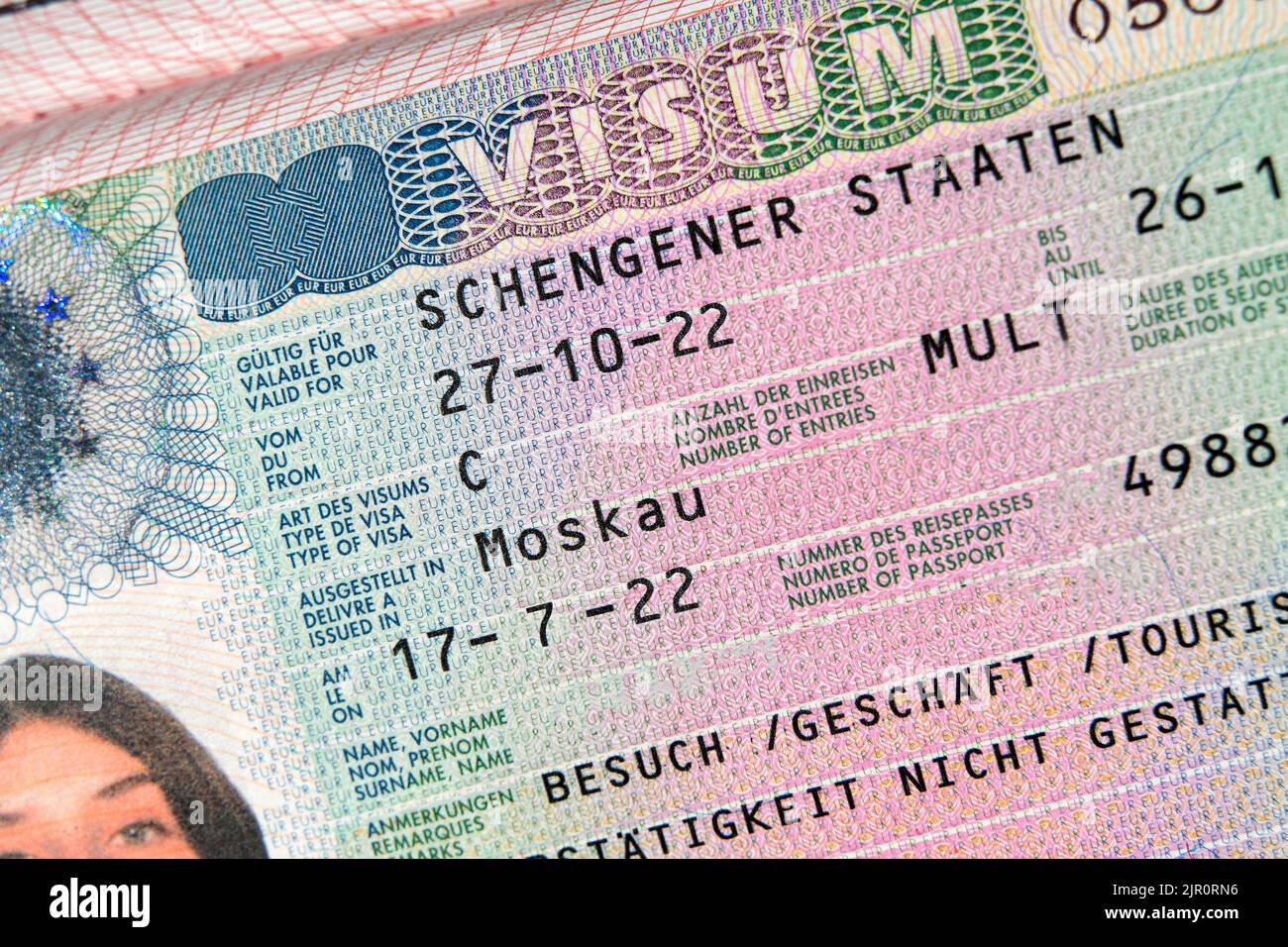
The Schengen visa allows travel across many European countries with one permit. It simplifies visits to popular destinations in Europe. Understanding its key features helps travelers plan better trips.
This visa is different from a regular tourist visa. It has unique rules and coverage. Below are the main points about the Schengen visa.
Scope And Coverage
The Schengen visa covers 27 European countries. These countries agreed to allow free movement. Travelers can visit any of these countries without extra visas. This makes travel easy and flexible.
Entry Requirements
Applicants need a valid passport and travel insurance. Proof of accommodation and funds is also necessary. The visa application must show the travel purpose clearly. Each country may ask for specific documents.
Validity And Duration
The Schengen visa usually lasts up to 90 days. This period applies within 180 days. It can be single or multiple entries. Longer stays require special permits from the country.
Key Differences
Understanding the key differences between a Tourist Visa and a Schengen Visa helps travelers choose the right option. Both visas allow visits to foreign countries but serve different purposes and regions. Knowing these differences makes travel planning easier and avoids confusion.
Geographical Access
A Tourist Visa usually allows entry to one specific country. You cannot use it to visit other nations. The Schengen Visa grants access to 27 European countries. It covers most of the Schengen Area with one visa.
Allowed Activities
A Tourist Visa permits travel for leisure and sightseeing only. Working or studying is not allowed under this visa. The Schengen Visa also allows tourism but sometimes permits short business trips. It does not allow long-term work or study.
Processing Time And Fees
Tourist Visa processing varies by country and can take from days to weeks. Fees depend on the issuing country and visa duration. Schengen Visa processing usually takes 15 calendar days. Fees are standardized across Schengen countries but may vary slightly.
Credit: www.etiasvisa.com
Common Misconceptions
Many people mix up tourist visas and Schengen visas. This confusion causes mistakes in travel plans. Knowing the differences helps avoid visa issues. Here are some common misconceptions that often create problems.
Confusing Terms
People often think a tourist visa and a Schengen visa mean the same. They believe both allow travel to any country freely. This is not true. A tourist visa is for one country only. A Schengen visa covers many countries in Europe. Mixing these terms can lead to wrong visa applications.
Visa Types And Restrictions
A tourist visa usually has strict limits. It allows visits only for leisure or sightseeing. A Schengen visa has specific rules for multiple countries. It permits travel within the Schengen Area for a short time. Some think a Schengen visa allows work or study. It does not. Each visa type has clear restrictions to follow.
Tips For Choosing The Right Visa
Choosing the right visa matters for a smooth trip. It saves time and avoids troubles at borders. Understanding your travel needs helps you pick the best option. This guide shares tips to help you decide between a tourist visa and a Schengen visa.
Travel Plans And Destinations
Think about where you want to go. A tourist visa usually works for one country. The Schengen visa allows travel across many European countries. Check the list of countries each visa covers. Match the visa to your travel route. Short trips within one country need a tourist visa. Trips across Europe call for a Schengen visa.
Documentation Requirements
Each visa needs specific papers. Tourist visas often need proof of hotel bookings and return tickets. Schengen visas require travel insurance and financial proof too. Prepare your documents carefully. Missing papers delay your application. Always check the latest list of required documents. Keep copies ready to avoid last-minute issues.
Application Strategies
Start your visa application early. Processing times vary by visa type and country. Tourist visas may be quicker to get. Schengen visas take longer due to more checks. Apply at the right embassy or consulate. Follow their instructions step-by-step. Be honest and clear in your application. Double-check all details before submission.

Credit: www.youtube.com
Frequently Asked Questions
What Is A Tourist Visa?
A tourist visa allows travelers to visit a specific country for leisure or sightseeing. It is usually short-term and does not permit work or study. The visa conditions depend on the issuing country’s rules.
How Does A Schengen Visa Differ From A Tourist Visa?
A Schengen visa permits travel across 26 European countries within the Schengen Area. A tourist visa is generally for one country only. The Schengen visa simplifies multi-country travel in Europe under one permit.
Can I Work On A Tourist Or Schengen Visa?
No, both tourist and Schengen visas prohibit employment. They are strictly for tourism, visiting family, or short stays. Working requires a separate work visa or permit.
How Long Is A Schengen Visa Valid?
A Schengen visa typically allows stays up to 90 days within a 180-day period. The duration depends on the visa type and purpose of visit. Extensions are rare and require special approval.
Conclusion
Understanding the difference between a tourist visa and a Schengen visa helps travelers plan better. A tourist visa usually covers one country, while a Schengen visa allows travel in many European countries. Each visa has different rules and application steps.
Choose the right visa based on your travel plans. This saves time and avoids problems at the border. Keep your documents ready and follow the guidelines carefully. Travel safely and enjoy your trip with the correct visa in hand. Simple steps make your journey smooth and stress-free.
