
Have you ever wondered what happens to Hawaii when millions of tourists visit every year? While the islands may look like paradise, the truth about tourism is not always so sunny.
You might think tourism brings only good things—jobs, money, and fun—but it also brings serious problems that affect the environment, local culture, and your own travel experience. Keep reading to discover why tourism can actually be bad for Hawaii, and what it means for you and the future of this beautiful place.

Credit: www.nytimes.com
Environmental Damage
Tourism in Hawaii brings many visitors but harms the environment. The natural beauty of the islands faces serious threats from too many tourists. This damage affects plants, animals, and the land itself. Protecting Hawaii’s environment is important for future generations and local wildlife.
Coral Reef Destruction
Coral reefs are fragile and vital to ocean life. Tourists often touch or step on corals, breaking them. Boats and sunscreen chemicals also harm these reefs. Damaged reefs lose their color and die quickly. This hurts fish and other sea creatures that live there.
Water Pollution Issues
Many visitors use beaches and oceans daily. This leads to pollution from trash, oil, and sunscreen. Polluted water harms marine animals and plants. It also makes water unsafe for swimming. Local communities struggle to keep waters clean with so many tourists.
Wildlife Displacement
Animals need quiet, safe places to live and breed. Crowds and noise from tourists scare them away. Some species lose their homes or food sources. This displacement can cause a drop in animal numbers. Protecting wildlife habitats is key to their survival.
Increased Waste And Litter
Tourists generate large amounts of trash every day. Not all waste gets picked up or recycled properly. Litter harms animals that may eat or get stuck in it. Beaches and parks become dirty and less beautiful. Managing waste is a big challenge for the islands.
Cultural Erosion
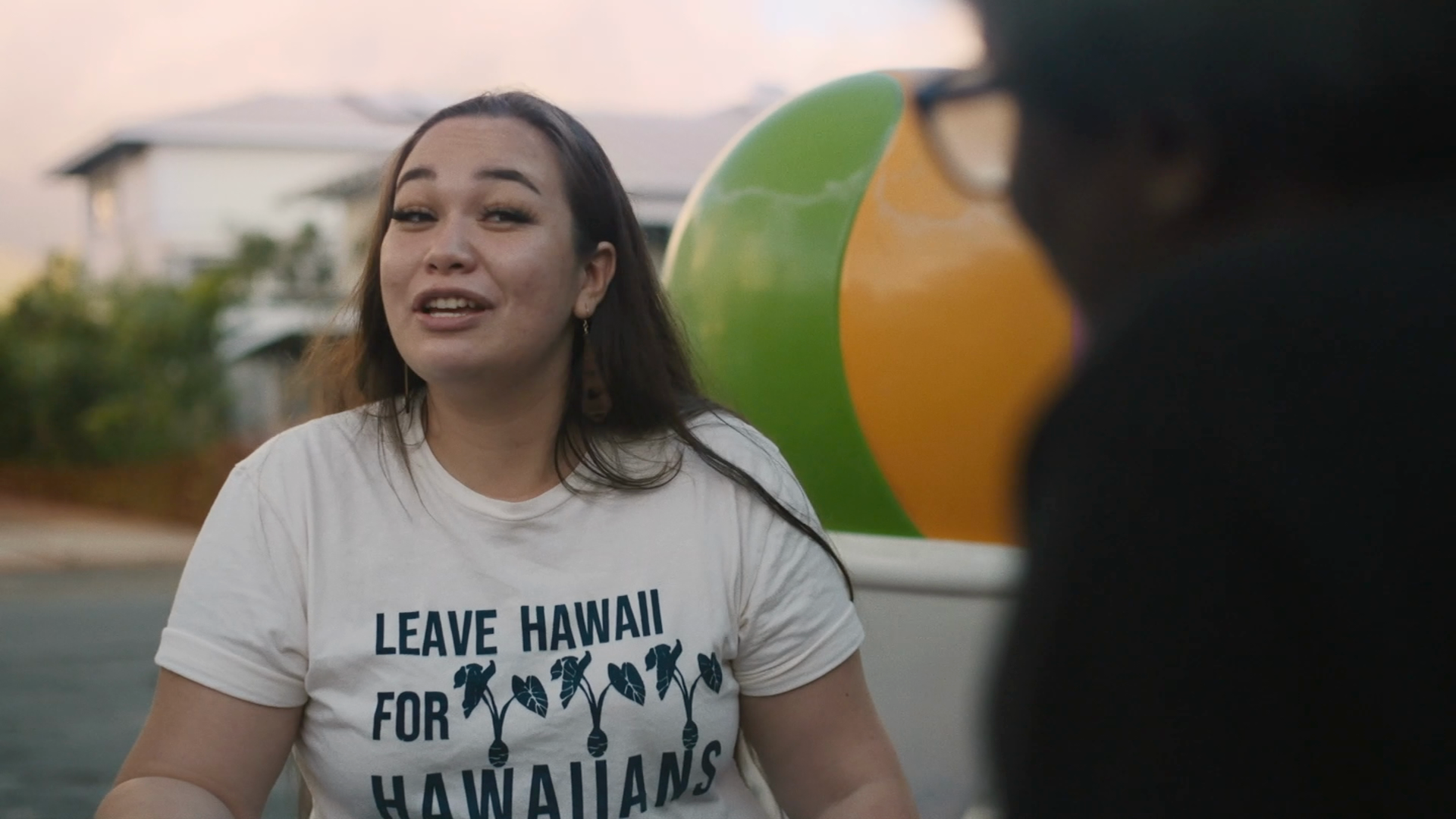
Cultural erosion in Hawaii happens as tourism grows. Local customs and ways of life slowly disappear. Visitors bring different values and habits. This change affects the identity of native Hawaiians.
Tourism often changes how culture is shared. Traditions lose their true meaning. They become shows made just for tourists. This shift harms the connection native people have with their culture.
Loss Of Native Traditions
Many native Hawaiian traditions face decline. Fewer young people learn old dances and songs. The focus shifts to tourist-friendly versions. This change weakens the passing of culture from one generation to the next.
Commercialization Of Culture
Local culture turns into a product for sale. Cultural symbols and stories become souvenirs or performances. This reduces deep cultural practices to simple entertainment. The original respect and meaning get lost.
Impact On Sacred Sites
Tourists visit sacred places without understanding their importance. Overcrowding and disrespect harm these sites. Sacred land suffers damage and pollution. Native Hawaiians feel pain seeing their spiritual places treated carelessly.
Overcrowding Effects
Tourism brings many people to Hawaii. This causes overcrowding in popular areas. Overcrowding creates many problems for the islands. It affects daily life for residents and the environment. The effects of too many visitors are clear in several ways.
Strain On Infrastructure
Hawaii’s roads, water systems, and public services face heavy use. More tourists mean more demand for clean water and electricity. This puts pressure on facilities built for smaller populations. Maintenance costs rise as systems wear out faster. Overcrowding makes it hard to keep infrastructure working well.
Traffic And Congestion
Traffic jams become common in tourist hotspots. Cars and buses fill the streets all day long. Roads near beaches and hotels often slow to a crawl. Congestion wastes time and increases pollution. Visitors and locals both suffer from constant delays.
Decreased Quality Of Life For Residents
Residents often feel crowded and stressed. Public spaces become noisy and busy. Everyday activities like shopping or visiting parks take longer. Housing prices rise due to demand for vacation rentals. Many locals struggle with overcrowded schools and hospitals.

Credit: www.civilbeat.org
Economic Consequences
Tourism brings money to Hawaii but also causes big economic problems. The local economy depends too much on visitors. This makes life harder for many residents. Rising costs and unstable jobs create stress in communities.
Rising Cost Of Living
Tourism raises prices for housing and everyday goods. Many locals cannot afford to live near their work. Rent and food prices go up because of demand from tourists. This forces families to move far from their homes.
Dependence On Tourism
The economy depends heavily on tourists. When fewer visitors come, businesses suffer. This creates financial instability for many people. Other industries get less attention and investment. This makes the economy less balanced and more fragile.
Job Market Challenges
Many tourism jobs pay low wages and offer little security. Seasonal work means income is not steady all year. Locals find it hard to get better jobs outside tourism. This limits career growth and financial stability for many workers.
Sustainability Challenges
Tourism in Hawaii creates many challenges for the environment and local communities. The islands have limited space and resources. High visitor numbers put pressure on these fragile systems. Protecting Hawaii’s natural beauty while supporting tourism is difficult. Sustainability challenges arise from the need to balance growth with conservation.
Resource Depletion
Tourism uses a large amount of water and energy. Hotels and resorts consume water faster than locals. This causes shortages and affects farming. Beaches and coral reefs suffer from pollution and waste. Overcrowding leads to soil erosion and damage to plants. Natural resources face constant strain from visitor activities.
Balancing Growth And Preservation
Hawaii must grow its economy without harming nature. Building new resorts often destroys habitats and native plants. Roads and parking lots increase land loss. Local culture and traditions can fade under tourism pressure. Finding ways to protect land and respect culture is critical. Careful planning can help keep Hawaii’s spirit alive.
Efforts Toward Responsible Tourism
Many groups promote responsible travel in Hawaii. They teach visitors to respect nature and local customs. Hotels adopt eco-friendly practices to reduce waste and save energy. Some tours focus on education and conservation. These efforts aim to reduce tourism’s negative effects. Every visitor can help protect Hawaii’s future.
Credit: www.cnn.com
Frequently Asked Questions
Why Is Tourism Harmful To Hawaii’s Environment?
Tourism increases waste, pollution, and damages fragile ecosystems. Popular spots face erosion and coral reef destruction. This stresses native wildlife and plants, harming Hawaii’s natural beauty and biodiversity.
How Does Tourism Affect Hawaii’s Local Culture?
Tourism can commercialize and dilute Hawaiian traditions. It sometimes leads to cultural disrespect and loss of authenticity. Locals may feel their heritage is exploited for tourist entertainment rather than honored.
What Economic Problems Does Tourism Cause In Hawaii?
Tourism creates seasonal jobs with low wages and high living costs. It also inflates housing prices, making it hard for locals to afford homes. Overreliance on tourism can destabilize Hawaii’s economy during downturns.
Does Tourism Contribute To Overcrowding In Hawaii?
Yes, millions of visitors cause traffic jams and crowded beaches. Overcrowding strains public services and infrastructure, reducing quality of life for residents and visitor experiences alike.
Conclusion
Tourism brings many problems to Hawaii’s nature and culture. It causes pollution and hurts wildlife habitats. Local people often face high living costs and crowded places. Over time, this can change the islands’ true spirit. Protecting Hawaii means finding better ways to travel and live.
Visitors should respect the land and its people. Only then can Hawaii stay beautiful for future generations. The balance between tourism and preservation matters a lot. Care and kindness can keep Hawaii special.
