
Venice is a city like no other. Built on more than 100 small islands, it has no roads—only canals and walkways. This unique city draws millions of visitors every year, all eager to see its stunning architecture, rich history, and unforgettable sights.
If you are planning a trip, knowing the best tourist places in Venice will help you make the most of your journey.
St. Mark’s Basilica
At the heart of Venice stands the St. Mark’s Basilica, a masterpiece of Byzantine architecture. The church is famous for its golden mosaics, detailed domes, and marble floors. It is also home to the Pala d’Oro, a golden altarpiece covered with thousands of precious stones.
Most visitors do not realize that entry to the basilica is free, but there is a small fee to view the museum and climb the terrace. From the terrace, you get a breathtaking view of St. Mark’s Square and the city’s rooftops. Try to arrive early in the morning to avoid the longest lines.
The Grand Canal
The Grand Canal is Venice’s main waterway, curving through the city for about two miles. Lined with more than 170 beautiful buildings, the canal has been the center of Venetian life for centuries. Riding a vaporetto (water bus) along the Grand Canal is the best way to see palaces like Ca’ d’Oro and Palazzo Barbarigo.
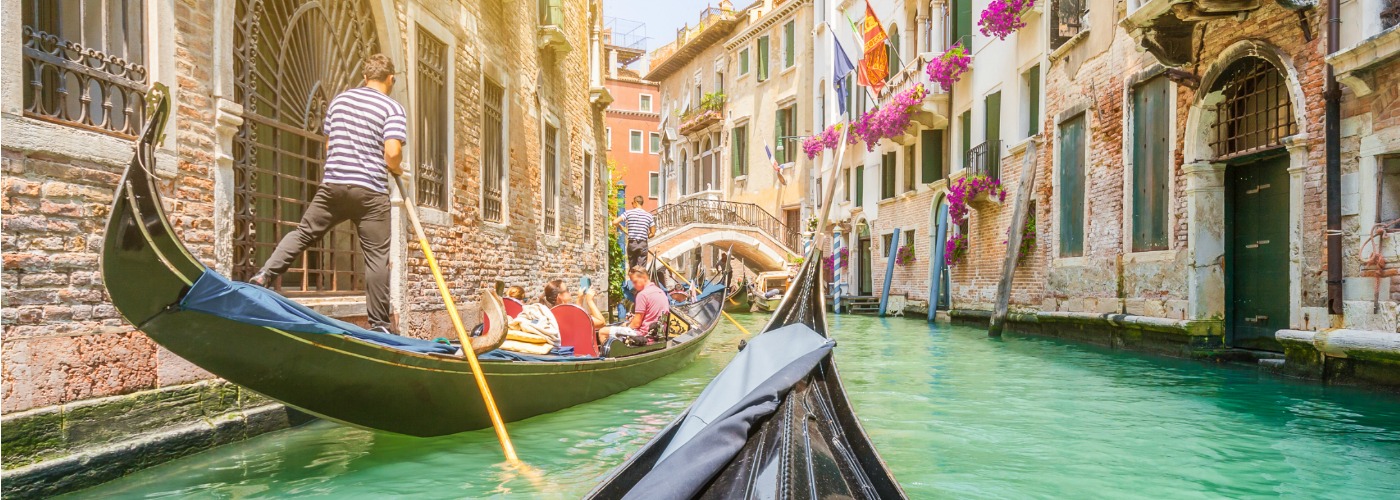
Many first-time visitors make the mistake of only taking a gondola ride. Gondolas are great for small, quiet canals, but for a full view of Venice’s glory, the vaporetto ride on the Grand Canal is essential.
Here is a quick comparison of popular ways to travel the Grand Canal:
| Transport | Cost (approx.) | Experience |
|---|---|---|
| Vaporetto | $8/ride | Public, scenic, affordable |
| Gondola | $85+/ride | Private, romantic, pricey |
| Water Taxi | $60+/trip | Private, fast, expensive |
Doge’s Palace
Next to St. Mark’s Basilica is the Doge’s Palace. For centuries, this was the home of Venice’s leader (the Doge) and the center of government. The palace is famous for its gothic style, grand halls, and the eerie Bridge of Sighs.
Inside, you can see stunning rooms covered with artworks by Tintoretto and Veronese. The tour also includes the old prison cells. Many visitors are surprised by the secret passageways and small doors—proof of Venice’s mysterious past.
Rialto Bridge
The Rialto Bridge is the oldest and most iconic bridge over the Grand Canal. Built in the late 1500s, it connects the San Marco and San Polo districts. The bridge’s design is both practical and beautiful, with shops selling jewelry, souvenirs, and Venetian glass.
An insider tip: Visit the bridge early in the morning or late at night to avoid crowds. The nearby Rialto Market is also worth a visit for its fresh seafood and lively atmosphere.
Credit: www.europeanbestdestinations.com
Murano And Burano Islands
Venice is surrounded by small islands, but Murano and Burano are the most famous. Murano is world-known for its glass making. You can watch masters create beautiful glass pieces in the many workshops. Some tours even let you try glassblowing yourself.
Burano is famous for its colorful houses and lace-making tradition. The island feels like a painting, with every building painted in a different bright color. It is much quieter than central Venice, making it a perfect escape from the crowds.
Here is a comparison of the two islands:
| Island | Main Attraction | Travel Time (from Venice) |
|---|---|---|
| Murano | Glass Workshops | 15 min (vaporetto) |
| Burano | Colorful Houses, Lace | 40 min (vaporetto) |
Peggy Guggenheim Collection
Art lovers should not miss the Peggy Guggenheim Collection. This modern art museum is inside Peggy Guggenheim’s former home, right on the Grand Canal. The museum has works by Picasso, Dalí, and Pollock. The sculpture garden is peaceful and offers lovely views.
Unlike larger museums, this collection is small enough to enjoy in just a couple of hours. Many tourists overlook it, but it is one of Europe’s top modern art museums.

Credit: italy4real.com
Hidden Gems And Insider Tips
Venice has many lesser-known spots that are worth your time:
- Scala Contarini del Bovolo: A spiral staircase with panoramic city views.
- Libreria Acqua Alta: A bookstore where books are stacked in bathtubs and gondolas to protect them from floods.
- San Giorgio Maggiore: Take the elevator up the bell tower for a fantastic view of Venice. The line here is usually much shorter than at St. Mark’s Campanile.
One important thing to remember: Venice gets crowded, especially from April to October. Start your days early, and book tickets for main attractions in advance. This will save you hours of waiting.
Frequently Asked Questions
What Is The Best Time To Visit Venice?
The best months are April to June and September to October. The weather is pleasant, and there are fewer tourists compared to peak summer.
How Many Days Should I Spend In Venice?
Two to three days is enough to see the main attractions. If you want to visit Murano and Burano or explore at a slower pace, add another day.
Is Venice Expensive For Tourists?
Venice can be pricey, especially near main sights. Eating and staying in less touristy areas, or visiting in the off-season, can help you save money. Many churches and museums also offer discounts for students and seniors.
Do I Need To Book Attractions In Advance?
Yes, especially for the Doge’s Palace and St. Mark’s Basilica. Booking ahead means less time waiting and more time enjoying Venice.
Where Can I Find More Information About Venice?
For updated travel details, boat schedules, and events, visit the Venice Official Tourism Website.
Venice is a place that rewards curiosity. Every corner hides a story, and every canal reflects a unique light. Whether it is your first visit or your tenth, these best tourist places in Venice offer memories that last a lifetime.
Plan wisely, wander off the beaten path, and let the city’s beauty surprise you.

Credit: www.mapsandmerlot.com
