
The Maasai Mara is a world-famous safari destination in Kenya. Known for its rich wildlife, rolling savannahs, and the annual Great Migration, it attracts visitors from around the globe. But the Maasai Mara is more than just lions and wildebeests.
It is home to cultural villages, scenic rivers, and rare birds. If you’re planning a visit, knowing the best tourist places will make your trip unforgettable.
The Mara Triangle
The Mara Triangle is the western part of the Maasai Mara National Reserve. Less crowded than other areas, it offers excellent game viewing. Here, you can spot the Big Five—lion, leopard, elephant, rhino, and buffalo—with fewer vehicles around.
Guided game drives and hot air balloon safaris are popular ways to explore. The Mara River runs through this region, making it a prime spot during the Great Migration. Watching thousands of wildebeest and zebras cross the river is a dramatic and rare experience.
Olare Motorogi Conservancy
For travelers who want exclusivity, the Olare Motorogi Conservancy is a top choice. This private conservancy borders the main reserve but limits the number of vehicles. The result: quiet, personal encounters with wildlife.
Visitors often see large prides of lions, cheetahs hunting, and herds of elephants. The landscape is diverse, with open plains, acacia forests, and seasonal streams. Many safari lodges here focus on eco-friendly tourism, supporting local Maasai communities.
Key Benefits Of Olare Motorogi
| Feature | Olare Motorogi Conservancy | Main Reserve |
|---|---|---|
| Visitor Numbers | Low | High |
| Game Drive Rules | Flexible (off-road allowed) | Strict (no off-road) |
| Wildlife Encounters | Close and personal | Sometimes crowded |

Credit: www.youtube.com
Mara River
The Mara River is famous for its dramatic crossings during the Great Migration. Between July and October, over 1.5 million wildebeest, zebras, and gazelles make their way through crocodile-filled waters. The chaos, dust, and danger make this a must-see event.
Even outside migration season, the riverbanks are home to hippos, crocodiles, and many birds. Guided walking tours are available near some lodges, offering a different view of the Mara’s ecosystem.
Musiara Swamp
The Musiara Swamp is a lush area in the north of the reserve. It attracts herbivores like elephants and buffalo, which in turn draw predators. The swamp is especially known for the famous Marsh Pride of lions, featured in documentaries.
Birdwatchers will enjoy spotting rare species, such as crowned cranes and saddle-billed storks. The scenery here is unique, with water channels and tall grasses.
Talek Gate And Talek Village
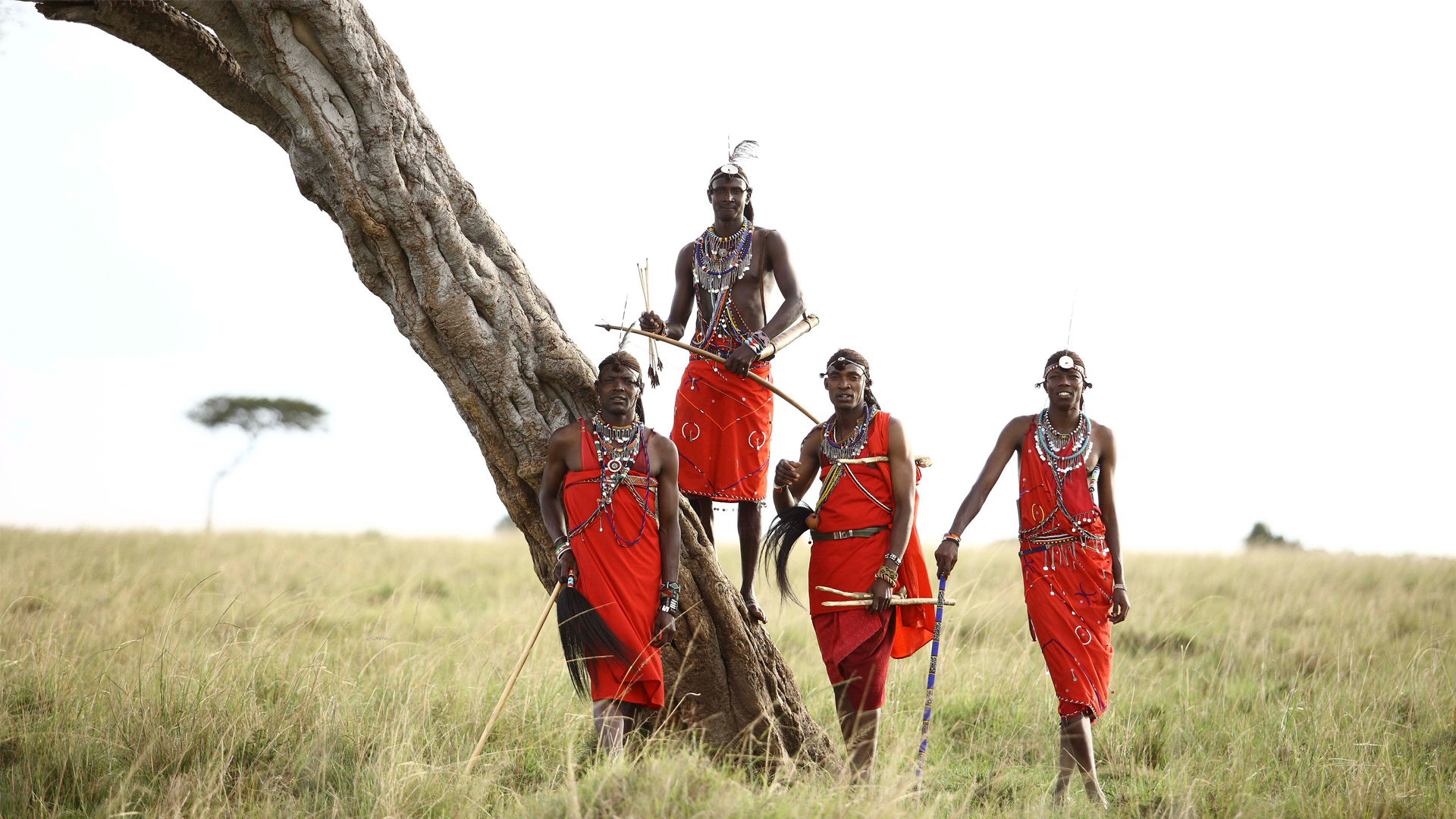
Talek Gate is a main entrance to the reserve. Nearby, Talek Village offers a glimpse into Maasai culture. Many tours include visits to traditional Maasai homes, where you can learn about their customs, dress, and way of life.
The village has local markets selling handmade jewelry, beadwork, and souvenirs. It is a great way to support the community and understand the human side of the Mara.
Paradise Plain
The Paradise Plain area is a wide-open grassland east of the Mara River. It’s one of the best spots for viewing cheetahs, as the flat landscape lets you observe their hunting skills. Large herds of wildebeest and topi are found here, especially during the migration.
Photographers love this area for its classic Mara views: acacia trees, big skies, and scattered wildlife.
Credit: www.andbeyond.com
Mara North Conservancy
Located in the north, the Mara North Conservancy is a partnership between local landowners and safari camps. This area is known for high-quality guiding and fewer tourists.
Activities here include night drives and guided walks, which are not allowed in the main reserve. You’ll have the chance to see nocturnal animals and learn about Maasai traditions from local guides.
Mara North Vs Main Reserve: Visitor Experience
| Aspect | Mara North Conservancy | Main Reserve |
|---|---|---|
| Night Drives | Allowed | Not Allowed |
| Walking Safaris | Available | Limited |
| Community Involvement | Strong | Less direct |
Oloololo Escarpment
The Oloololo Escarpment forms the western boundary of the Maasai Mara. Rising sharply above the plains, it offers stunning views of the savannah below. Many visitors take a drive or hike up the escarpment to watch the sunrise or sunset.
From the top, you can see herds moving across the landscape and catch the changing colors of the Mara. This spot is popular for panoramic photography.
Hidden Gems: Lesser-known Spots
Some places in the Mara are less famous but worth visiting:
- Leopard Gorge: Known for frequent leopard sightings, especially with cubs.
- Sand River: A peaceful area, perfect for picnics and birdwatching.
- Enonkishu Conservancy: Focuses on sustainable tourism and conservation projects.
These areas provide a quieter safari and a chance to see rare animals like servals or bat-eared foxes.
Planning Your Visit
The best time to visit depends on what you want to see. For the Great Migration, come between July and October. For fewer crowds and lower prices, try the green season (November to June). Weather can change quickly, so pack layers and a rain jacket.
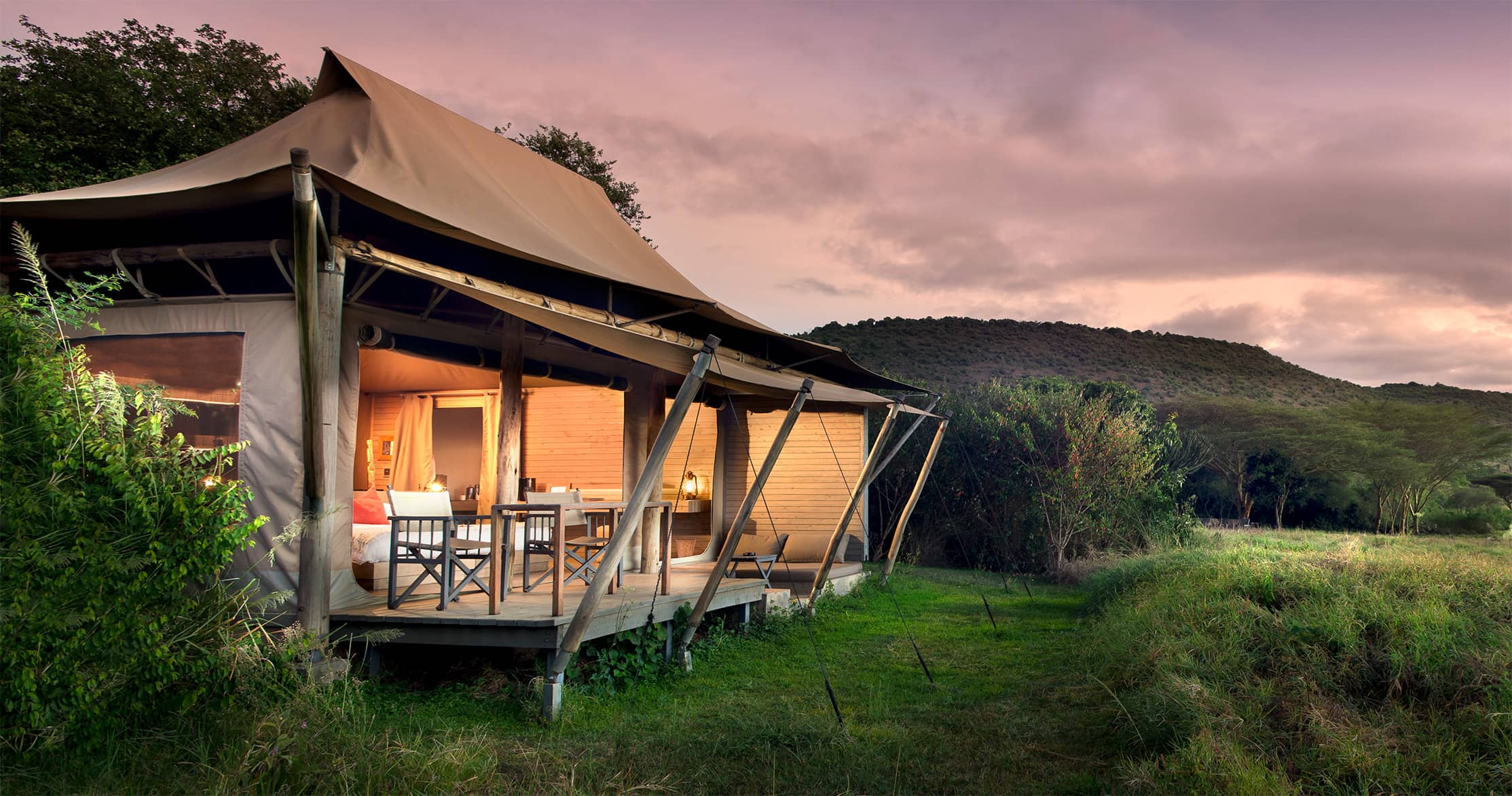
Most visitors fly into the Mara using small safari planes. Road travel is possible but can be bumpy, especially in the rainy season. Booking guided tours or staying at eco-lodges helps support local communities and conservation.
Typical Costs And Travel Times
| Item | Approximate Cost | Travel Time from Nairobi |
|---|---|---|
| Safari Lodge (per night) | $250–$1,200 | 1 hour flight |
| Park Entry Fee (adult) | $70–$80 | 5–6 hours by road |
| Hot Air Balloon Safari | $400–$550 | — |
Credit: www.masaimara.com
Frequently Asked Questions
What Is The Best Time To Visit Maasai Mara?
The best time is during the Great Migration (July to October). However, wildlife is present all year, and the green season offers beautiful landscapes and fewer tourists.
How Do I Get To The Maasai Mara?
You can fly from Nairobi to airstrips in the Mara (about 1 hour). Road transfers are also possible but take longer and can be rough in rainy months.
Is The Maasai Mara Safe For Tourists?
Yes, the reserve is safe if you follow guide instructions and stay in designated areas. Use registered guides and camps for the best experience.
Can I Visit Maasai Villages?
Yes, many tours include visits to Maasai villages. This helps you learn about their culture and supports local communities.
What Animals Can I See In The Maasai Mara?
You can see the Big Five, cheetahs, giraffes, hippos, crocodiles, and over 470 bird species. Migration season brings huge herds of wildebeest and zebra.
The Maasai Mara is a unique place where nature, culture, and adventure come together. With careful planning and respect for the land, your visit will be both exciting and meaningful. For more detailed information, visit the official Maasai Mara website.
