
Oman is a country where old traditions meet breathtaking natural beauty. Travelers find endless surprises, from ancient forts to dramatic mountains and peaceful beaches. If you want to explore the Arabian Peninsula, Oman offers some of the best tourist places for history lovers, adventure seekers, and families.
This guide shares the must-see destinations across Oman, with unique tips and insights to help you get the most from your visit.
Muscat: The Vibrant Capital
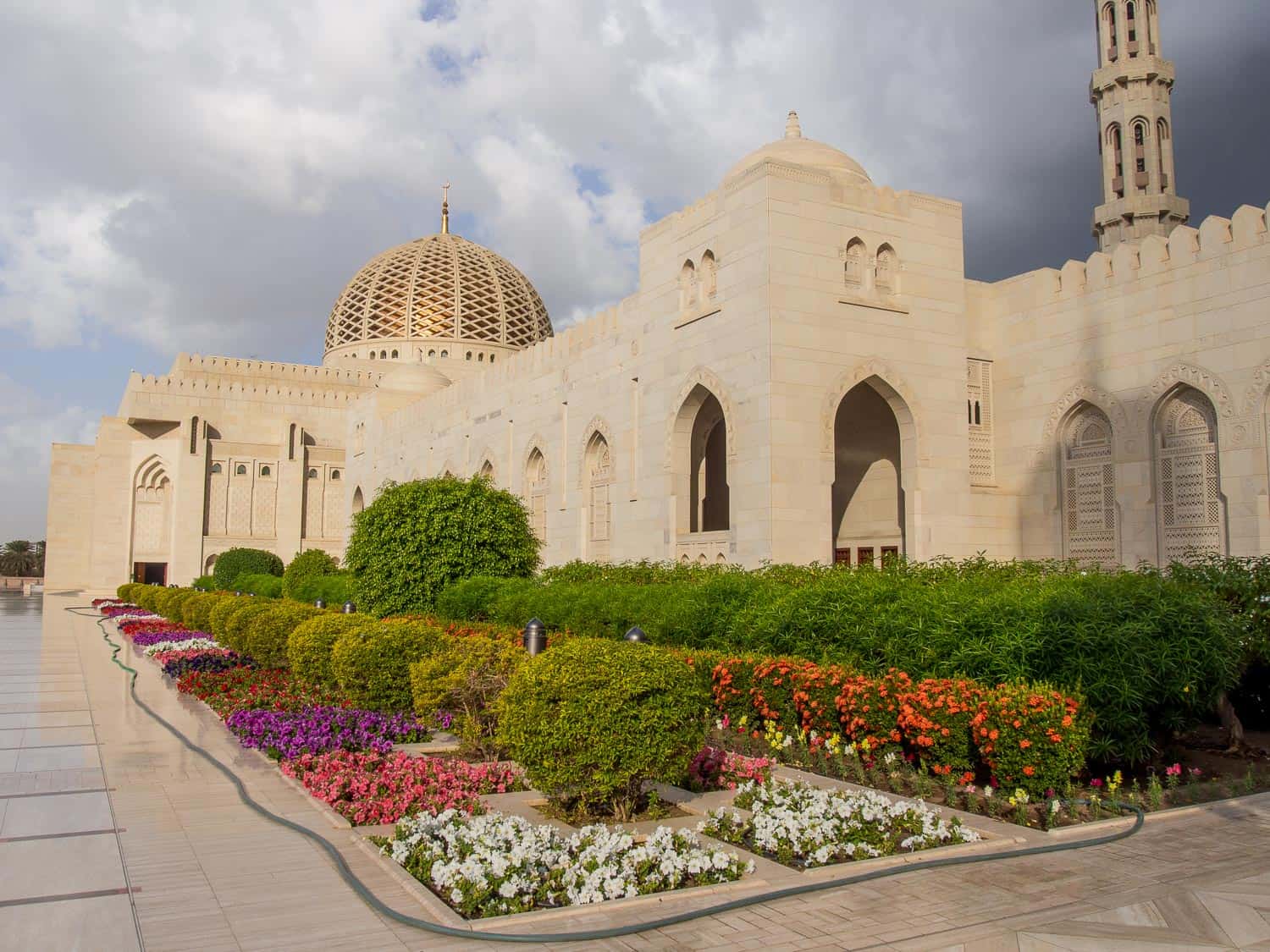
Muscat is the heart of Oman, combining modern life with deep history. The city is famous for its white-washed buildings, clean streets, and seaside charm. One highlight is the Sultan Qaboos Grand Mosque, which welcomes all visitors (dressing modestly is required). The mosque’s main prayer hall can fit 6,500 worshipers and features one of the world’s largest chandeliers.
Don’t miss the lively Mutrah Souq, a traditional market where you can shop for spices, silver, and Omani perfumes. Walking along the Mutrah Corniche at sunset gives you stunning sea views. Even short stops in Muscat reveal Oman’s friendly culture and rich past.
Nizwa: The Ancient Capital
Nizwa sits between mountains and date palm groves. The city is known for the Nizwa Fort, built in the 17th century. Its massive circular tower once protected the city from invaders. Today, you can climb the tower for panoramic views of old houses and green oases.
Another must-see is the Nizwa Souq, famous for handmade silver jewelry and local foods like halwa. If you visit on a Friday, watch the famous goat market, where locals trade animals in a lively, traditional auction. Many tourists miss the nearby Jabrin Castle, one of Oman’s best-preserved castles, known for beautiful ceiling paintings and secret rooms.
Wahiba Sands: The Desert Adventure
The Wahiba Sands (also called Sharqiya Sands) offer a true desert experience. Here, towering sand dunes stretch for miles, changing color with the sun. It’s a perfect place for activities like:
- Dune bashing in a 4×4 vehicle
- Camel rides at sunrise or sunset
- Camping under a star-filled sky
Staying overnight with a Bedouin family lets you learn about desert life. Many travelers don’t realize how cold desert nights can get—pack warm clothes even in summer. If you’re lucky, you’ll see wild camels and desert foxes.
Jebel Akhdar And Jebel Shams: Mountain Escapes
Oman’s mountains are a hidden gem. Jebel Akhdar means “Green Mountain” because of its terraced farms full of pomegranates and roses. The cool climate makes it a great escape from the summer heat. In April and May, you can watch locals harvest rose petals to make traditional rose water.
Nearby, Jebel Shams is Oman’s highest peak at about 3,009 meters. The “Grand Canyon of Arabia” offers dramatic cliffs and hiking trails, including the famous W6 Balcony Walk. Many visitors don’t realize the temperature at the top can be 15°C (59°F) cooler than in Muscat.
Here’s how Jebel Akhdar and Jebel Shams compare:
| Feature | Jebel Akhdar | Jebel Shams |
|---|---|---|
| Altitude | ~2,980 meters | 3,009 meters |
| Main Attraction | Terraced farms, rose gardens | Balcony Walk, canyon views |
| Activities | Hiking, village visits | Trekking, camping |

Credit: www.goingthewholehogg.com
Salalah: The Green Oasis
While most of Oman is dry, Salalah in the south gets monsoon rains from June to September. This “Khareef” season turns the area green with flowing waterfalls and misty hills. Popular spots include:
- Al Mughsail Beach with its natural blowholes
- Wadi Darbat, a valley with waterfalls and camels grazing
- Frankincense Land Museum for history on Oman’s ancient frankincense trade
Salalah offers a different side of Oman, with coconut palms and cool air. Many tourists miss the best time to visit—plan for July or August to see the greenest landscapes.
Sur: The Coastal Treasure
Sur is a peaceful city on Oman’s east coast, once famous for building wooden ships called dhows. Visit the Dhow Factory to watch craftsmen keep this old tradition alive. The Sur Maritime Museum explains the city’s role in trade between Oman, India, and Africa.
At night, head to Ras Al Jinz Turtle Reserve. From May to October, you can watch endangered green turtles laying eggs on the beach. Guided tours help protect the turtles while letting visitors see this amazing event.
Here’s a quick look at key activities in Sur and Salalah:
| City | Must-Do Activity | Best Time to Visit |
|---|---|---|
| Sur | Turtle watching | May–October (nesting season) |
| Salalah | Khareef Festival, waterfalls | July–August (Khareef) |
Misfat Al Abriyeen: The Mountain Village
Hidden in the mountains near Nizwa, Misfat Al Abriyeen is a traditional Omani village with stone houses and lush gardens. Walk along the falaj (ancient water channels) to see how locals farm on steep hillsides. The village is car-free, so wear good shoes and enjoy the peaceful atmosphere.
Many visitors overlook the local guesthouses, which offer homemade Omani meals and a chance to learn village customs. You can also join short hikes for panoramic valley views.
Wadi Bani Khalid: The Oasis In The Desert
Wadi Bani Khalid is one of Oman’s most beautiful wadis (valleys). Clear turquoise pools are perfect for swimming, and palm trees offer shade. Small caves and gentle hiking trails make it a favorite for families and nature lovers.
Remember, it’s important to dress modestly when swimming—Omani culture values respect in public spaces. Early mornings are less crowded and offer the calmest views.
Credit: www.neverendingvoyage.com
Bahla Fort: Unesco World Heritage Site
Bahla Fort is one of Oman’s oldest and largest forts, listed by UNESCO. Built from mud bricks, the fort’s walls stretch nearly 13 kilometers. Exploring its towers and courtyards gives a real sense of Omani history.
Most travelers miss the nearby pottery workshops where you can see handmade Omani pots being fired in traditional kilns. These crafts are perfect souvenirs and support local families.
Here’s a simple comparison of Oman’s top forts:
| Fort | Location | Special Feature |
|---|---|---|
| Nizwa Fort | Nizwa | Massive round tower |
| Bahla Fort | Bahla | UNESCO status, long walls |
| Jabrin Castle | Near Nizwa | Decorated ceilings, secret rooms |
Frequently Asked Questions
Is Oman Safe For Tourists?
Yes, Oman is known as one of the safest countries in the Middle East. Crime is low, and locals are welcoming. Still, use common sense like anywhere—lock your car and watch your belongings.
What Is The Best Time To Visit Oman?
The best time is between October and April. Temperatures are cooler, making outdoor trips more comfortable. For Salalah’s green season, visit during the Khareef (July–August).
Do I Need A Visa To Visit Oman?
Most travelers need a tourist visa. Many nationalities can apply online for an eVisa. Always check the latest rules on the official government site before you travel.
What Should I Wear In Oman?
Dress modestly. Men and women should cover shoulders and knees. Swimwear is fine at hotel pools or private beaches, but not in public areas.
How Do I Get Around Oman?
Renting a car is best for exploring outside Muscat, as public transport is limited. Roads are well maintained. For some mountain or desert areas, a 4×4 vehicle is required.
Oman’s beauty lies in its variety—from deserts and mountains to ancient cities and green valleys. With careful planning and respect for local culture, your trip to Oman can be truly unforgettable. For more details, visit the official Tourism in Oman page.

Credit: www.theglobetrottingdetective.com
