
Cyprus is a Mediterranean island famous for its sunny beaches, ancient ruins, and vibrant culture. Each year, millions of travelers visit for its history, scenic landscapes, and delicious cuisine. But with so many attractions, it can be hard to decide where to go first. This guide highlights the best tourist places in Cyprus, combining famous sights and local favorites. Whether you love history, nature, or simply relaxing by the sea, Cyprus has something special for you.
Paphos: Mythology And Ancient Wonders
Paphos is a UNESCO World Heritage Site. The city is known for the legend of Aphrodite, the Greek goddess of love, who was said to be born here. You can walk along the Aphrodite’s Rock (Petra tou Romiou), a stunning sea stack surrounded by turquoise water.
The Paphos Archaeological Park offers impressive Roman mosaics, ancient theaters, and the Tombs of the Kings. These tombs are carved into rock and date back to the 4th century BC. In 2023, Paphos welcomed over 1.6 million visitors, making it one of the most popular destinations on the island.
Limassol: Modern City With Seaside Charm
Limassol mixes old and new with its vibrant marina, historic castle, and lively festivals. The Limassol Castle now holds the Cyprus Medieval Museum, which displays armor and artifacts from the Middle Ages.
The Molossos Promenade is perfect for an evening stroll, lined with palm trees and cafes. For families, Fasouri Watermania is the largest water park in Cyprus. In 2022, Limassol was voted the “most livable city in Cyprus” due to its balance of culture and convenience.
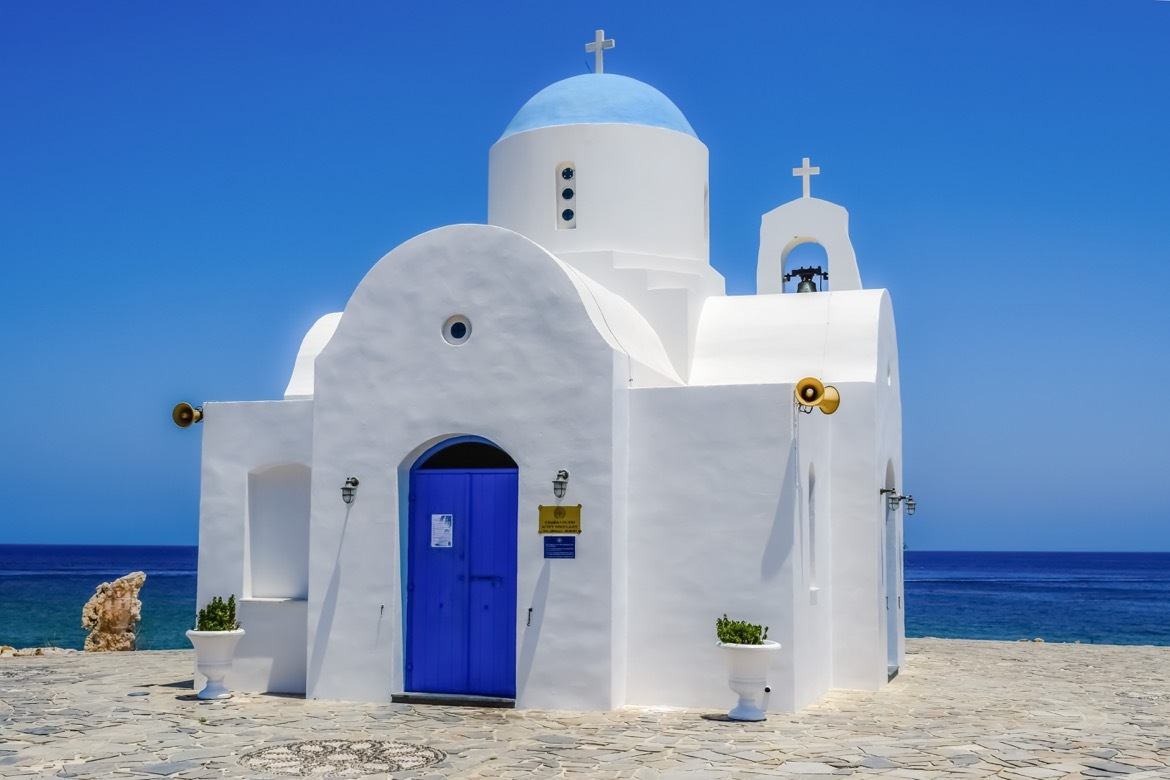
Credit: www.globeguide.ca
Larnaca: Gateway And Spiritual Center
Larnaca is often the first stop for visitors, as it’s home to Cyprus’s main international airport. The city is famous for Finikoudes Beach, a wide sandy beach with clear, shallow water.
The Church of Saint Lazarus is a must-see. Built in the 9th century, it is one of the most important religious sites in Cyprus. Nearby, the Salt Lake attracts thousands of flamingos each winter, creating a unique photo opportunity.
Nicosia: Europe’s Last Divided Capital
Nicosia is the capital of Cyprus and the only divided capital city in the world. The Green Line separates the southern (Greek Cypriot) and northern (Turkish Cypriot) parts. You can cross the border on foot at Ledra Street.
The Cyprus Museum houses the largest collection of Cypriot antiquities. For a unique experience, walk the old Venetian walls or visit the vibrant Laiki Geitonia neighborhood, full of cafes and craft shops.
Ayia Napa: Beach And Nightlife Paradise
Ayia Napa is known for its white sandy beaches and energetic nightlife. Nissi Beach is famous for its crystal-clear water and water sports. Each summer, Ayia Napa hosts international DJs and music festivals.
Families enjoy the Ayia Napa Sculpture Park and the nearby Cape Greco National Forest Park. Here, you can hike, bike, or explore sea caves. Ayia Napa attracts over 700,000 tourists each year, making it a hotspot for fun and relaxation.
Troodos Mountains: Nature And Village Life
The Troodos Mountains offer a cooler escape from the coast. This region is filled with traditional villages like Omodos and Kakopetria, famous for their stone houses and local wines.
Hiking trails lead to waterfalls and Byzantine monasteries, such as Kykkos Monastery. In winter, the highest peak, Mount Olympus, becomes a small ski resort. The Troodos area covers about 3,000 square kilometers and is known for its biodiversity.
| Region | Main Attraction | Best Season |
|---|---|---|
| Paphos | Archaeological Park | Spring, Autumn |
| Ayia Napa | Nissi Beach | Summer |
| Troodos Mountains | Kykkos Monastery | Winter, Spring |

Credit: www.youtube.com
Protaras: Family-friendly Coastal Town
Protaras is famous for Fig Tree Bay, often ranked among the top beaches in Europe. The water is shallow and safe, ideal for families with children. Protaras also offers watersports and boat trips to hidden coves.
The Profitis Elias Church sits on a hill with panoramic views. At night, the area comes alive with restaurants and music, but it remains quieter than Ayia Napa.
Akamas Peninsula: Wild Beauty
The Akamas Peninsula is a protected nature reserve in the northwest. Here, you’ll find the Blue Lagoon, a perfect spot for snorkeling and swimming. The area is home to endangered sea turtles, and the Lara Beach is a nesting site.
You can explore the Akamas by jeep safari, mountain bike, or even on foot. Many visitors miss the famous Avakas Gorge, a dramatic canyon with unique plants and rock formations.
Kourion: Ancient Theater By The Sea
The ancient city of Kourion sits on a cliff overlooking the Mediterranean. The highlight is the Greco-Roman theater, which is still used for concerts today. The site also has well-preserved mosaics and the ruins of early Christian basilicas.
Kourion Beach is nearby, offering a mix of history and relaxation. The views from the theater are breathtaking, especially at sunset.
Lofou And Omodos: Traditional Village Life
Many tourists focus on the coast, but Cyprus’s villages offer a different experience. Lofou and Omodos are two of the best-preserved mountain villages. Here, you can wander cobblestone streets, taste local wine, and try halloumi cheese made by hand.
Village festivals, called “panigyria,” happen throughout the year and feature music, dance, and local crafts. Staying in a stone guesthouse gives you a real taste of rural Cyprus.
| Destination | Type of Experience | Recommended For |
|---|---|---|
| Ayia Napa | Nightlife, Beaches | Youth, Party Lovers |
| Paphos | History, Culture | Families, History Fans |
| Troodos | Nature, Villages | Hikers, Couples |
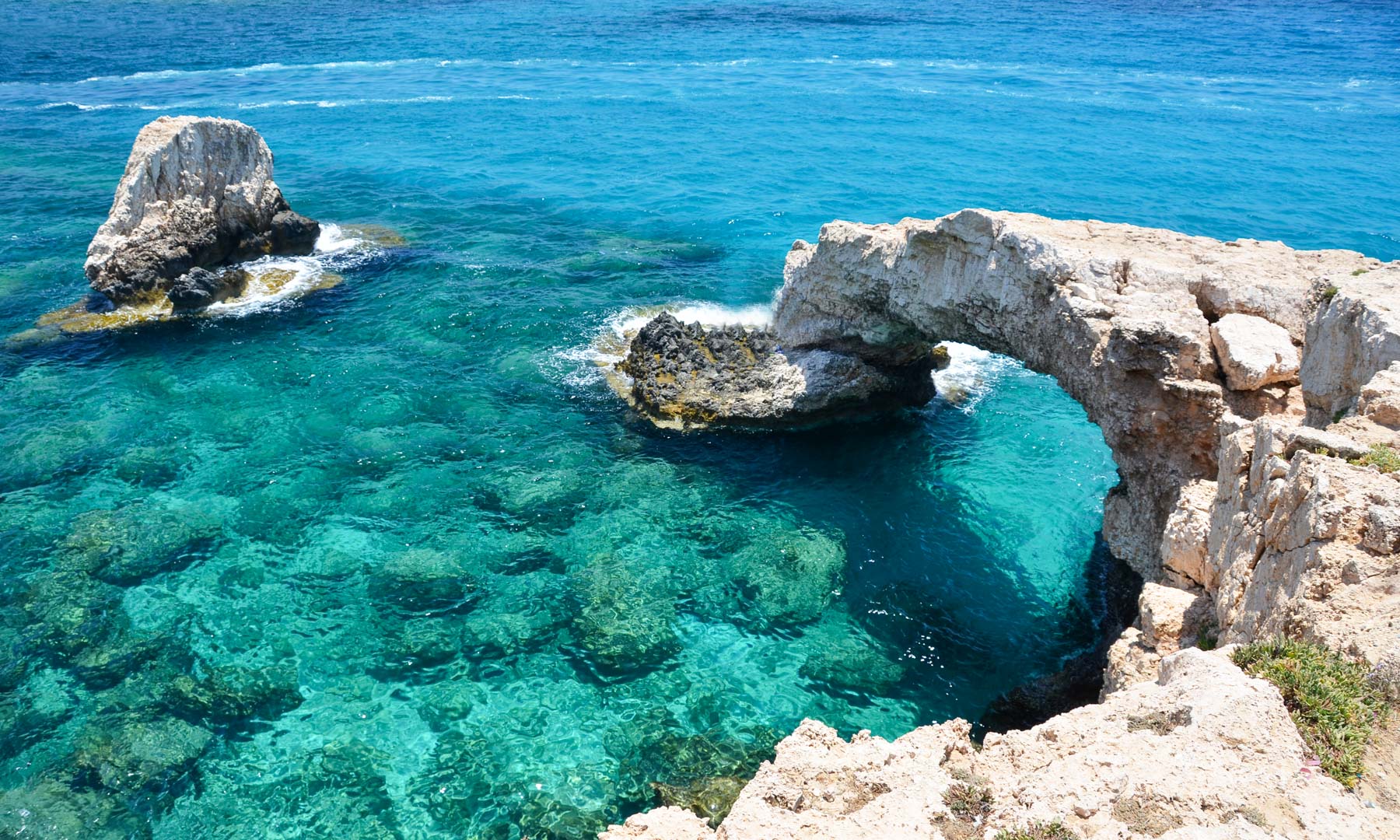
Credit: wanderingwheatleys.com
Practical Tips For Visiting Cyprus
- Car rental is the easiest way to explore, as public transport is limited in rural areas.
- Driving is on the left side of the road (like the UK).
- Summer (June–August) is hot and busy. Spring and autumn are cooler and less crowded.
- English is widely spoken in tourist areas, but learning a few Greek words is appreciated.
- Tap water is safe to drink in most places.
| Place | Annual Visitors (Approx.) | Special Feature |
|---|---|---|
| Paphos | 1.6 million | UNESCO Sites |
| Ayia Napa | 700,000 | Nightlife |
| Troodos | 350,000 | Nature Trails |
A non-obvious tip: Cyprus has many festivals, such as the Limassol Wine Festival in September and Carnival in February/March. Planning your trip during these events adds an extra layer of culture to your visit.
Another insight is that many beaches and archaeological sites are free or have low entrance fees, making Cyprus a great value compared to other European destinations.
Cyprus is a land of contrasts, from lively beach towns to peaceful mountain villages. With its warm hospitality and diverse landscapes, it invites you to explore at your own pace. Whether you have a weekend or two weeks, the best places in Cyprus promise memories that last a lifetime.
Frequently Asked Questions
What Is The Best Time To Visit Cyprus?
The best time is April to June or September to November. The weather is warm, and there are fewer crowds.
Is Cyprus Safe For Tourists?
Yes, Cyprus is considered very safe. Crime rates are low, and locals are welcoming to visitors.
Do I Need A Visa To Visit Cyprus?
EU and US citizens can enter Cyprus without a visa for short stays. Check the latest rules before you travel at the official Visit Cyprus website.
Can I Drink Tap Water In Cyprus?
In most cities and towns, tap water is safe to drink. Some rural areas may use bottled water.
What Currency Is Used In Cyprus?
The currency is the Euro (€) in the Republic of Cyprus. The Turkish-controlled north uses the Turkish Lira.
