
Namibia is a country in southern Africa famous for its dramatic landscapes and unique wildlife. From the oldest desert in the world to remote national parks, Namibia offers many experiences for travelers. Whether you love adventure or want to relax in nature, you will find something unforgettable here.
Sossusvlei And The Namib Desert
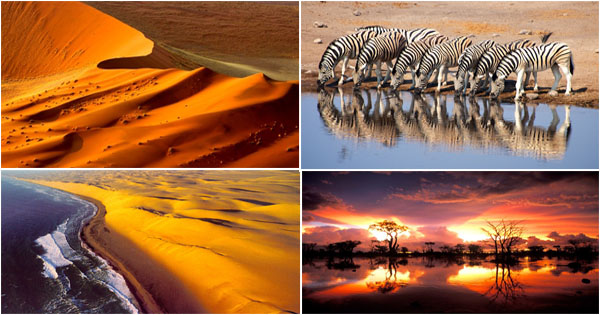
One of the most famous places in Namibia is Sossusvlei. This area is known for its bright red sand dunes, some reaching over 1,000 feet high. The Namib Desert is considered the oldest desert on Earth, estimated at over 55 million years old.
Climbing Dune 45 or the even higher Big Daddy is a highlight. Early morning visits offer cooler temperatures and beautiful light for photography. Deadvlei, with its white clay pan and dead camelthorn trees, creates a surreal landscape that looks like a painting.
Best Time To Visit
The cooler months from May to September are ideal for visiting. Temperatures are comfortable, and the skies are clear.
Etosha National Park
Etosha National Park is Namibia’s top wildlife destination. Covering over 8,600 square miles, it is home to elephants, lions, black rhinos, giraffes, and more than 340 bird species.
The park’s salt pan, visible from space, is a unique feature. Waterholes attract animals, especially during the dry season (June to October). Self-drive safaris are popular, and the park has good roads and several camps.
Wildlife Spotting Tips
- Early morning and late afternoon are best for animal activity.
- Bring binoculars for birdwatching.
- Stay quiet near waterholes to avoid scaring animals.
Credit: www.go2africa.com
Swakopmund
On the Atlantic coast, Swakopmund blends German colonial history with adventure activities. The town has colorful buildings, bakeries, and palm-lined streets.
Popular activities include:
- Sandboarding on the dunes
- Quad biking
- Boat cruises to see dolphins and seals
- Skydiving with views of the ocean and desert
Swakopmund is also a gateway for trips to Walvis Bay, famous for flamingos and kayaking with seals.
Skeleton Coast
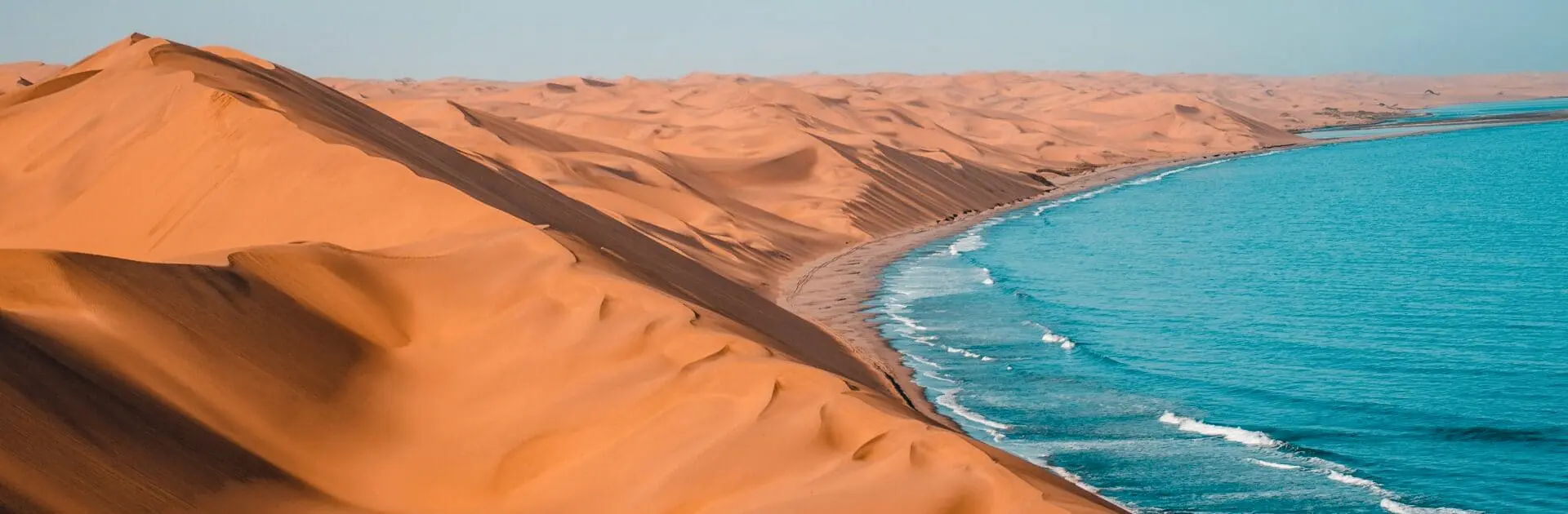
The Skeleton Coast is mysterious and wild. It gets its name from old shipwrecks and animal bones scattered along the foggy coastline. This area is remote, with strong Atlantic waves and shifting sands.
Visitors come for:
- Shipwrecks: Remains of ships lost to the rough sea
- Cape fur seal colonies: Especially at Cape Cross, home to one of the world’s largest seal colonies
- Unique desert scenery: Strange rock formations and colorful lichen fields
Travelers need a permit to enter the northern Skeleton Coast. Guided tours are recommended due to the harsh conditions.
Credit: afroculture.net
Damaraland
Damaraland offers rugged beauty and ancient history. The area is famous for Twyfelfontein, a UNESCO World Heritage Site with over 2,500 rock engravings made by early San people thousands of years ago.
It’s also known for:
- Desert-adapted elephants
- Rare black rhinos
- The striking Brandberg Mountain, Namibia’s highest peak
Many travelers miss Damaraland’s wildlife because animals move quietly and blend into the rocks. Local guides can help spot them.
Fish River Canyon
Fish River Canyon is Africa’s largest canyon and the second largest in the world after the Grand Canyon. The canyon is about 100 miles long, up to 17 miles wide, and 1,800 feet deep.
Popular activities:
- Hiking: The multi-day Fish River Canyon Trail (open May to September)
- Scenic viewpoints: Easy access to dramatic overlooks, especially at sunrise and sunset
Due to extreme heat, hiking is only allowed during winter months.

Credit: www.youtube.com
Caprivi Strip (zambezi Region)
The Caprivi Strip is a green, river-rich area in the northeast. It feels very different from Namibia’s deserts. Four large rivers flow through the region, attracting hippos, crocodiles, and hundreds of bird species.
Top attractions:
- Bwabwata National Park: Known for elephants and buffalo
- Boat safaris: Great for viewing wildlife along the water
- Traditional villages: Learn about local cultures like the Mafwe and Hambukushu
Malaria is present here, so travelers should take precautions.
Lüderitz And Kolmanskop
Lüderitz is a coastal town with German-style buildings and seafood restaurants. It’s the base for visiting Kolmanskop, a ghost town half-buried in sand. Once a diamond mining center, Kolmanskop is now a photographer’s dream, with empty homes slowly swallowed by the desert.
Other highlights:
- Diaz Point: Historic site of the first European landing in Namibia
- Penguin Island: Boat trips sometimes spot African penguins
Kolmanskop visits are by guided tour only.
Comparing Namibia’s Top Attractions
Here’s a quick look at how some of Namibia’s best places compare:
| Place | Main Attraction | Best For | Travel Difficulty |
|---|---|---|---|
| Sossusvlei | Sand Dunes | Photography, Hiking | Easy |
| Etosha | Wildlife | Safari | Easy |
| Skeleton Coast | Shipwrecks, Seals | Adventure, Nature | Moderate |
| Fish River Canyon | Canyon Hiking | Trekking | Moderate |
| Caprivi Strip | Rivers, Wildlife | Birdwatching | Easy |
Practical Travel Tips
- Renting a 4×4 vehicle is often the best way to explore Namibia. Many roads are gravel or sand.
- Book accommodations early during high season (July–October).
- Carry enough water, especially in desert regions.
- Always check park entry requirements and opening times.
- Respect local communities and wildlife rules.
Weather By Region
Namibia’s climate varies by location. Here’s an overview:
| Region | Best Months | Average Temp (°F) | Rainfall (in/year) |
|---|---|---|---|
| Namib Desert | May–Sep | 55–85 | <2 |
| Etosha | Jun–Oct | 60–90 | 12 |
| Caprivi Strip | May–Sep | 65–90 | 30 |
Frequently Asked Questions
What Is The Best Time To Visit Namibia?
The dry season from May to October is best. Wildlife is easier to see, and the weather is pleasant for travel.
Do I Need A Visa To Visit Namibia?
Citizens of many countries get a 90-day tourist visa on arrival. Check the latest rules before you travel.
Is Namibia Safe For Tourists?
Namibia is generally safe, especially in tourist areas. Take normal precautions—lock your vehicle, avoid walking alone at night, and follow park rules.
How Do I Get Around Namibia?
The best way is by self-drive in a rental car, ideally a 4×4. There are also guided tours and some domestic flights.
Where Can I Find More Information About Namibia?
The official Namibia Tourism Board website provides up-to-date travel details and tips.
Namibia’s top destinations offer adventure, stunning scenery, and the chance to see rare wildlife. With careful planning, you’ll experience a country that is both wild and welcoming.
