
The Azores, a group of nine volcanic islands in the Atlantic Ocean, offer travelers a unique blend of dramatic landscapes, vibrant culture, and outdoor adventure. While these Portuguese islands are not as crowded as mainland Europe, their beauty is undeniable.
From steaming hot springs to lush crater lakes, the Azores are a paradise for nature lovers and explorers. If you’re planning a trip, here are the best tourist places in the Azores you should not miss.
São Miguel: The Green Island
São Miguel is the largest and most visited island in the Azores. Its nickname, the Green Island, comes from its rolling hills and rich vegetation.
Sete Cidades
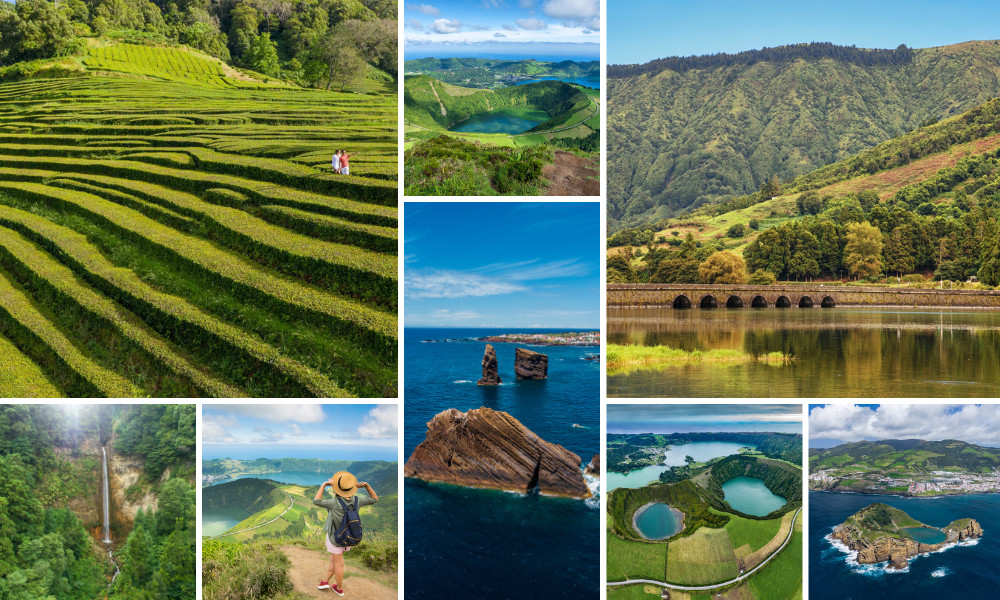
One of the most iconic sights is the Sete Cidades crater lakes. These twin lakes, one blue and one green, fill a massive volcanic caldera. The view from Vista do Rei is spectacular, especially on a clear day.
Furnas
Furnas is famous for its hot springs and geothermal activity. Here, you can relax in the Terra Nostra Garden’s thermal pool or taste Cozido das Furnas, a stew cooked by volcanic heat underground.
Lagoa Do Fogo
Lagoa do Fogo, or Fire Lake, is another stunning crater lake. The hike to the viewpoint is rewarding, offering panoramic views of turquoise waters surrounded by untouched forest.
Pico: The Mountain Island
Pico Island is dominated by Mount Pico, Portugal’s highest peak at 2,351 meters. The island attracts climbers and wine lovers alike.
Mount Pico
Climbing Mount Pico is a challenge, but the reward is standing above the clouds. On clear days, you can see neighboring islands from the summit.
Pico Vineyards
Pico’s UNESCO-listed vineyards are unique. Vines grow in black lava stone fields, protected by low walls. You can visit local wineries and taste the famous Pico Verdelho wine.
Credit: azoresgetaways.com
Terceira: The Festive Island
Terceira is known for its colorful culture, festivals, and historical towns.
Angra Do Heroísmo
The city of Angra do Heroísmo is a UNESCO World Heritage Site. Its cobbled streets, forts, and churches tell stories of the island’s rich history.
Algar Do Carvão
Algar do Carvão is a volcanic cave you can enter. Stalactites, mineral formations, and a clear lake make this lava tube a must-see for adventure seekers.
Faial: The Blue Island
Faial is famous for its blue hydrangeas and the Horta marina, a favorite stop for sailors crossing the Atlantic.
Caldeira Do Faial
The Caldeira is a giant volcanic crater, 400 meters deep and two kilometers wide. Walking around the rim gives you a 360-degree view of the island.
Capelinhos Volcano
The Capelinhos Volcano erupted in 1957-58, creating new land. The visitor center explains how the eruption shaped the island. You can walk through volcanic ash and see the old lighthouse.
:max_bytes(150000):strip_icc()/TAL-sete-cidades-AZORES0823-0f97ce68a3284c09adcf55c635135d41.jpg)
Credit: www.travelandleisure.com
Flores: The Waterfall Island
Flores is known for its lush landscapes and countless waterfalls. It feels untouched and wild.
Poço Da Ribeira Do Ferreiro
This hidden valley is surrounded by cliffs and waterfalls. A short hike leads to a magical place where water runs down green walls.
Rocha Dos Bordões
Here you’ll find tall basalt columns, a rare geological feature. They look like giant organ pipes rising from the earth.
Comparison Of Main Islands
To help you choose which Azores islands to visit, here’s a quick comparison:
| Island | Main Attractions | Best For |
|---|---|---|
| São Miguel | Sete Cidades, Furnas, Lagoa do Fogo | First-time visitors, hot springs, crater lakes |
| Pico | Mount Pico, Vineyards | Hiking, wine tasting |
| Terceira | Angra do Heroísmo, Algar do Carvão | History, culture, caves |
| Faial | Caldeira, Capelinhos Volcano | Volcanoes, sailing |
| Flores | Waterfalls, Rocha dos Bordões | Nature, hiking, waterfalls |
Credit: lavieenmarine.com
Graciosa: The White Island
Graciosa is quieter, known for its white windmills and gentle hills.
Furna Do Enxofre
This underground sulfur cave has a hot spring lake inside. You reach it by descending a spiral staircase—an adventure in itself.
Santa Cruz Da Graciosa
The main town offers whitewashed houses, a peaceful harbor, and relaxed cafes.
São Jorge: The Fajã Island
São Jorge’s coast is lined with fajãs—flat land formed by lava or landslides, now used for farming.
Fajã Da Caldeira De Santo Cristo
This remote fajã is famous for its clams and surfing. You reach it by hiking down a scenic trail with ocean views.
Top Activities On São Jorge
| Activity | Description |
|---|---|
| Hiking | Trails to various fajãs with stunning scenery |
| Clam tasting | Local specialty at Santo Cristo |
| Surfing | Waves at remote beaches |
Santa Maria: The Sunniest Island
Santa Maria is known for its warm weather and sandy beaches.
Praia Formosa
This beach is perfect for swimming and sunbathing, with fine sand and gentle waves.
Barreiro Da Faneca
A strange red desert, Barreiro da Faneca’s clay landscape is unlike anything else in the Azores.
Corvo: The Tiny Island
Corvo is the smallest Azores island. It has just one village, but its volcanic caldera is impressive.
Caldeirão
A hike up to Caldeirão gives you views of green fields inside the crater, dotted with ponds and cows.
Azores: Non-obvious Travel Tips
- Weather can change quickly. Bring a waterproof jacket, even in summer.
- Renting a car is the best way to explore, but book early—cars are limited.
- Not all islands have direct flights; check ferry schedules if you plan to island-hop.
- Whale watching is world-class here, especially in spring and summer.
- Many viewpoints are best in the morning before clouds roll in.
Frequently Asked Questions
What Is The Best Time To Visit The Azores?
The best time is between May and October. The weather is warmer and there are more activities, but the islands are beautiful year-round.
Which Island Is Best For First-time Visitors?
São Miguel is the most accessible and has the widest range of attractions, from crater lakes to hot springs.
Do I Need A Car To Get Around The Azores?
A car is recommended on most islands for flexibility. Public transport exists but is limited, especially in rural areas.
Can I Visit More Than One Island On A Trip?
Yes. There are flights and ferries between islands. Plan your route in advance, as schedules change with the season.
Is The Azores Expensive?
The Azores are less expensive than mainland Portugal’s tourist spots, but costs can add up, especially for car rentals and inter-island travel. For more information, visit the official Azores tourism website.
With their combination of natural wonders, rich culture, and low crowds, the Azores offer a one-of-a-kind travel experience. Whether you love hiking, history, or just relaxing in hot springs, you’ll find plenty to discover on these magical islands.
