
Wadi Rum, often called the Valley of the Moon, is one of Jordan’s most stunning places. Located in the southern desert, it offers a landscape that feels almost unreal. Towering red cliffs, natural arches, and vast sandy plains attract visitors from all over the world. Many people know it from famous films like “The Martian” and “Lawrence of Arabia.” But Wadi Rum is much more than a movie set—it is a playground for adventure, culture, and natural beauty.
If you are planning a trip to Jordan, Wadi Rum should be near the top of your list. This article explores the best tourist places in Wadi Rum, what makes each spot special, and how to get the most out of your visit.
Why Wadi Rum Is Unique
Wadi Rum is not just a desert; it is a UNESCO World Heritage Site with a rich history. Local Bedouin tribes have lived here for centuries. Their traditions and stories add meaning to the landscape. You can find ancient carvings, dramatic rock formations, and even rare desert animals.
What makes Wadi Rum stand out is its size and variety. The protected area covers nearly 280 square miles (720 square kilometers). The colors change throughout the day, from pinks and golds at sunrise to deep reds at sunset. This natural beauty is why so many photographers and travelers call it a must-see.
Top Tourist Places In Wadi Rum
Wadi Rum is full of unique places, each with something different to offer. Here are the best spots you should not miss:
1. Lawrence’s Spring
Named after T.E. Lawrence, the British officer who became famous during World War I, Lawrence’s Spring is one of the most visited spots. It sits at the base of a large mountain. From here, you can climb a short path for a wide view of the desert. The spring itself is small, but the view and the history make it memorable.
2. Khazali Canyon
Khazali Canyon is a narrow crack in the mountains, just a few hundred meters long. The walls are covered with old petroglyphs—carvings made thousands of years ago. Many show people, animals, and scripts. Walking through the cool, shady canyon is a welcome break from the sun and a chance to imagine life long ago.
3. The Seven Pillars Of Wisdom
This towering rock formation gets its name from Lawrence’s famous book, “Seven Pillars of Wisdom. ” The rocks rise from the desert floor and look like huge columns. It is a favorite spot for photos, and you can see it easily from the visitor center.
Some tours include hikes around the base for a closer look.
4. Um Fruth Rock Bridge
One of the most photographed places in Wadi Rum, Um Fruth Rock Bridge is a natural stone arch about 15 meters high. Adventurous visitors like to climb up and walk across the top. The views are stunning, but the climb is steep, so take care. Local guides can help you reach the bridge safely.
5. Burdah Rock Bridge
The Burdah Rock Bridge is the largest natural arch in Wadi Rum, standing about 35 meters above the ground. Reaching it takes a few hours of hiking and scrambling over rocks, so it is best for people in good shape. The reward is a wide view over the desert, perfect for sunrise or sunset.
6. Alameleh Inscriptions
The Alameleh Inscriptions are ancient carvings, made by people who traveled through Wadi Rum thousands of years ago. You can see camels, hunters, and symbols carved into the stone. Many tours stop here to explain the meaning and history behind the artwork.
7. Red Sand Dunes
The red sand dunes are one of the most fun places in Wadi Rum. The largest dune is near Khazali Canyon. Visitors like to climb to the top for views and then run or slide back down. The sand is soft and deep red, making it a favorite for photos.
8. Jebel Umm Ishrin
This is one of the tallest mountains in Wadi Rum, rising to about 1,753 meters (5,751 feet). It is popular with rock climbers and hikers. Even if you do not climb it, the mountain’s shape and color at sunset are unforgettable.
9. Sunset And Sunrise Viewpoints
Wadi Rum is famous for its colorful skies. Many camps and tours offer special viewpoints for sunrise and sunset. The colors change quickly, and the silence of the desert makes the experience feel magical.
10. Bedouin Camps
Staying in a Bedouin camp is one of the best ways to experience Wadi Rum. You can eat traditional food, listen to music, and sleep under the stars. Most camps are simple but comfortable, with tents, bathrooms, and sometimes Wi-Fi. Talking with Bedouin hosts gives you a deeper look at desert life.

Credit: www.touristjordan.com
Activities To Experience In Wadi Rum
Wadi Rum is not just about places; it is also about what you do. Here are some popular activities:
- Jeep tours: Fast and fun, these tours cover the main sites quickly.
- Camel rides: For a slower, traditional way to see the desert.
- Hiking: Many routes, from easy walks to hard climbs.
- Stargazing: The sky here is very dark, perfect for seeing the Milky Way.
Here’s how some activities compare:
| Activity | Duration | Best For |
|---|---|---|
| Jeep Tour | 2-4 hours | First-time visitors |
| Camel Ride | 1-3 hours | Traditional experience |
| Hiking | 2-8 hours | Adventure seekers |
| Stargazing | Nighttime | All visitors |
Tips For Visiting Wadi Rum
- Best time to visit: Spring (March-May) and autumn (September-November) are not too hot or cold.
- What to bring: Sunscreen, hat, water, and sturdy shoes.
- Local guides: Always go with a local Bedouin guide. They know the land and keep you safe.
- Respect traditions: Dress modestly and ask before taking photos of people.
Here’s a quick look at when to visit:
| Season | Temperature Range | Tourist Level |
|---|---|---|
| Spring | 15°C–25°C (59°F–77°F) | High |
| Summer | 25°C–40°C (77°F–104°F) | Medium |
| Autumn | 15°C–25°C (59°F–77°F) | High |
| Winter | 5°C–15°C (41°F–59°F) | Low |
Two things many travelers miss: First, nights in the desert get very cold, even in summer. Bring a jacket. Second, mobile signal is weak in many areas, so don’t rely on your phone for maps or contact.
For more information on the history and geology of Wadi Rum, visit the Wikipedia page.
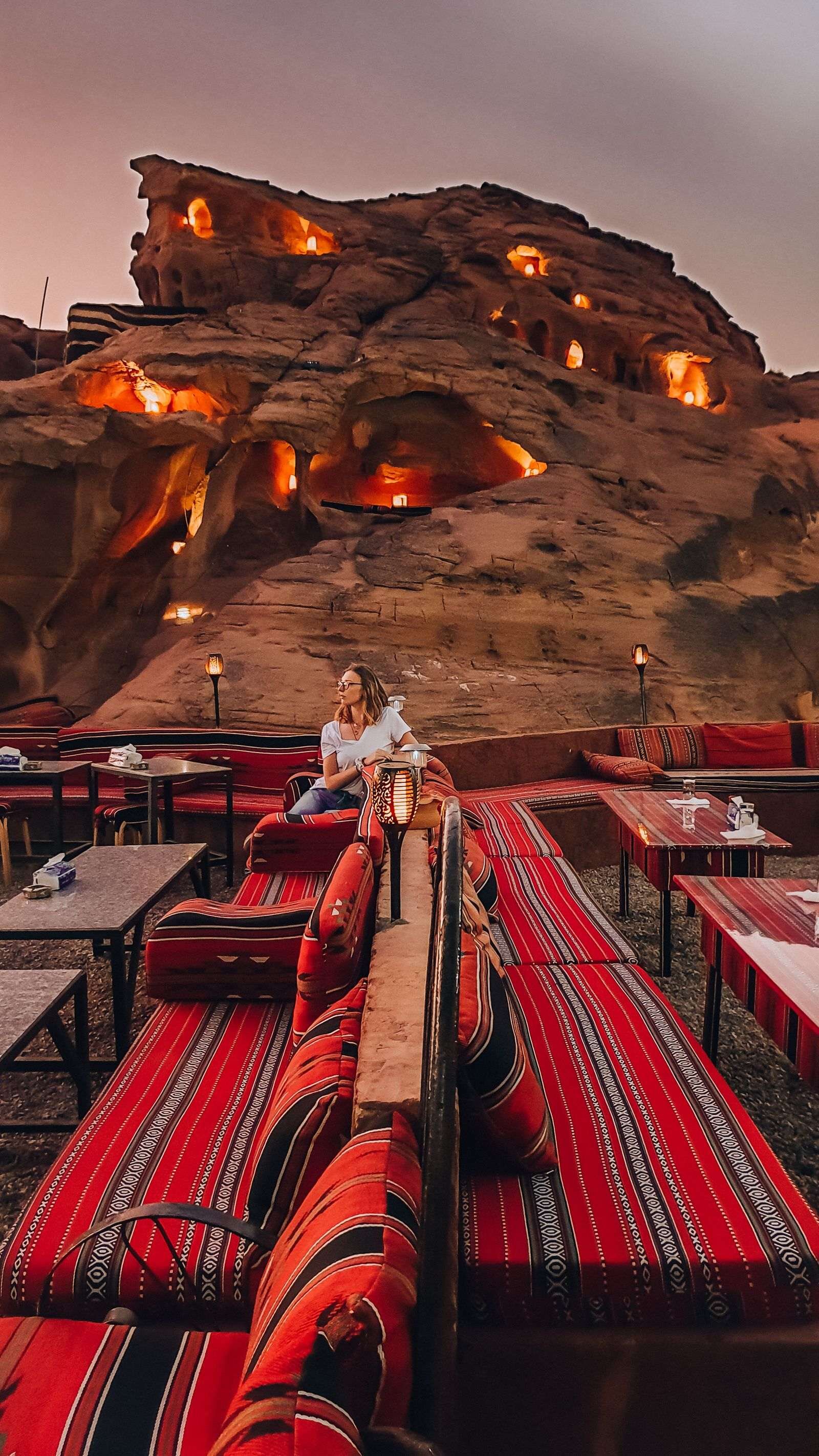
Credit: www.helenabradbury.com
Frequently Asked Questions
How Do I Get To Wadi Rum?
Most people reach Wadi Rum from Aqaba or Petra by car or bus. There are signs and a visitor center at the entrance. Local guides usually pick you up from there.
Is It Safe To Visit Wadi Rum?
Yes, Wadi Rum is safe. The local Bedouin community welcomes tourists. Always follow your guide’s instructions and stay with your group.
What Should I Wear In Wadi Rum?
Wear light, loose clothes for the heat, but bring a jacket for cold nights. Comfortable shoes are important for walking on sand and rocks.
Can I Camp In Wadi Rum?
Yes, camping is popular. You can stay at a Bedouin camp or bring your own gear. Official camps offer food, bathrooms, and sometimes showers.
Do I Need To Book A Tour In Advance?
It is best to book in advance, especially in spring and autumn. This ensures you get the type of tour and camp you want.
Wadi Rum is a place where the silence is as powerful as the scenery. Whether you come for adventure, culture, or just peace, you will leave with memories that last a lifetime.
