
Kyoto is a city that feels like a living museum. With over a thousand years as Japan’s imperial capital, it blends ancient shrines, peaceful gardens, and traditional streets with the energy of a modern city. Travelers from around the world visit Kyoto to experience its unique culture, stunning landscapes, and rich history.
Whether you love nature, art, or just want to see something beautiful, Kyoto has a place for you.
Fushimi Inari Taisha
Fushimi Inari Taisha is one of Japan’s most famous shrines. The main highlight is the path lined with thousands of red torii gates stretching up Mount Inari. Walking under these gates feels magical, especially early in the morning when the crowds are small. The hike to the summit can take about two hours, but you can turn back at any point and still enjoy the experience.
Key Facts
- Over 10,000 torii gates
- Open 24 hours, no entry fee
- Featured in films like “Memoirs of a Geisha”
Kinkaku-ji (golden Pavilion)
The Golden Pavilion shines in sunlight, covered in pure gold leaf. It sits beside a calm pond, reflecting its beauty in the water. This Zen temple is one of the most photographed spots in Kyoto. While you can’t enter the building, the surrounding gardens are open for peaceful walks.
Quick Comparison: Kyoto’s Iconic Temples
| Temple | Main Attraction | Best Season |
|---|---|---|
| Kinkaku-ji | Golden Pavilion, pond garden | Winter (snow views) |
| Ginkaku-ji | Silver Pavilion, sand garden | Spring (cherry blossoms) |
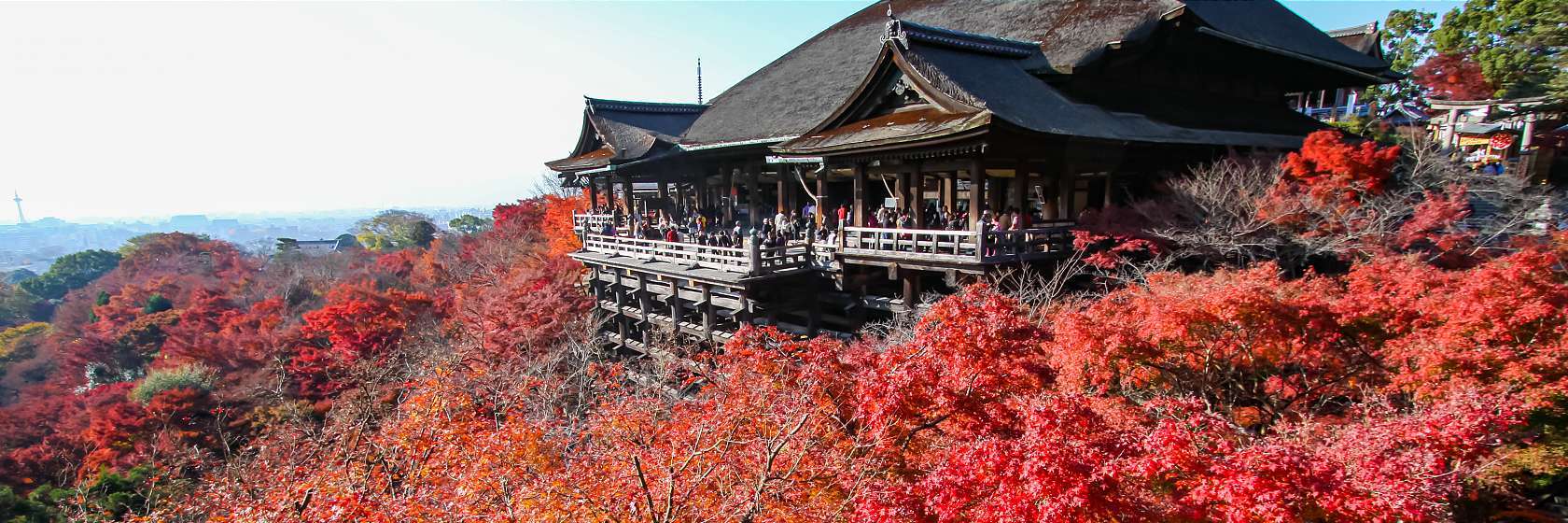
| Kiyomizu-dera | Wooden stage, city views | Autumn (red leaves) |
Credit: www.japan-guide.com
Arashiyama Bamboo Grove
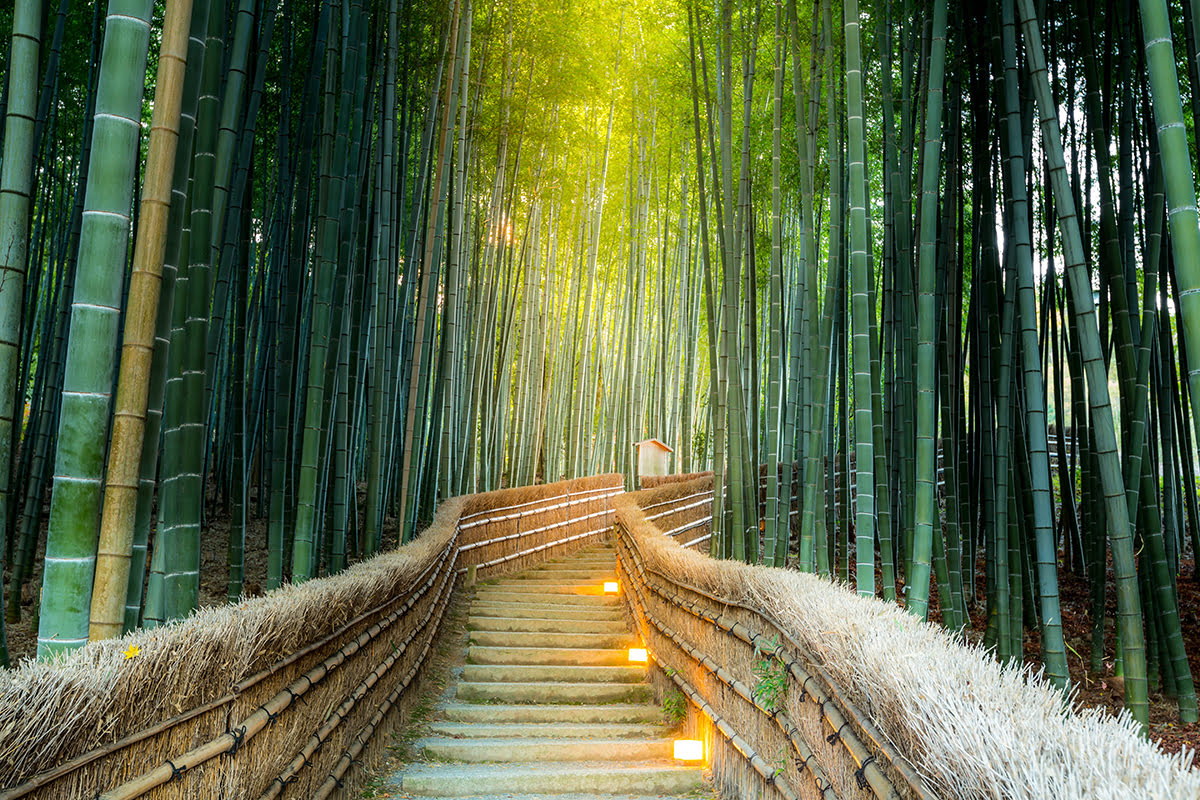
Walking through the Arashiyama Bamboo Grove is like stepping into another world. Tall bamboo stalks rise overhead, creating a cool, green tunnel. This spot is best early in the morning for quiet photos and a peaceful walk. The area around Arashiyama also has the beautiful Togetsukyo Bridge and the monkey park.
Kiyomizu-dera Temple
Kiyomizu-dera is famous for its large wooden stage that offers wide views of Kyoto. Built without nails, the temple is a UNESCO World Heritage site. In spring and fall, the area around the temple is filled with cherry blossoms or colorful autumn leaves. Local shops nearby sell sweets and souvenirs.
Visitor Data
| Temple | Annual Visitors | UNESCO Status |
|---|---|---|
| Kiyomizu-dera | Over 4 million | World Heritage Site |
| Fushimi Inari | Over 2.7 million | No |
Credit: www.agoda.com
Philosopher’s Path
The Philosopher’s Path is a stone walkway along a canal, lined with hundreds of cherry trees. In spring, the path is covered with pink petals, creating a dreamlike scene. The route connects several small temples and cafes, making it perfect for a relaxing walk.
Nijo Castle
Nijo Castle gives a glimpse of Japan’s samurai history. Built in 1603, it was the home of Tokugawa shoguns. Visitors can see beautiful wall paintings and walk on “nightingale floors” that chirp to warn of intruders. The gardens are especially beautiful during cherry blossom season.
Gion District
The Gion District is Kyoto’s center for traditional culture. Here you can see geisha and maiko (apprentice geisha) on their way to tea houses in the evening. The old wooden buildings, lanterns, and narrow streets make Gion feel like ancient Japan. Yasaka Shrine and many good restaurants are nearby.
Nishiki Market
Nishiki Market is called “Kyoto’s Kitchen.” It’s a lively, covered street filled with food shops and stalls. You can taste local specialties like yatsuhashi (sweet rice cakes), pickles, and fresh seafood. The market is a great place to try new flavors and see how locals shop.
Sample Kyoto Street Foods At Nishiki Market
- Yuba (tofu skin)
- Takoyaki (octopus balls)
- Pickled vegetables
- Grilled eel
Ryoan-ji
Ryoan-ji is famous for its Zen rock garden. Fifteen rocks are placed in white gravel, designed for meditation and quiet thought. The garden’s simple style has inspired many artists and thinkers. Early mornings are the best time to enjoy the peaceful atmosphere.
Heian Shrine And Garden
The Heian Shrine is known for its bright orange main gate and large, scenic garden. The garden is beautiful in all seasons, with cherry blossoms in spring and irises in summer. The shrine often hosts cultural festivals, offering a taste of Kyoto’s traditions.
Practical Tips For Visiting Kyoto
- Buy a bus day pass for unlimited rides—it’s cheaper and easy to use.
- Visit top sights early in the morning to avoid crowds.
- Wear comfortable shoes; many areas have stone paths or hills.
- Try to visit in spring (March–April) for cherry blossoms or autumn (November) for red leaves.
- Many temples have small entry fees (around 400–600 yen).
Kyoto Attraction Comparison
Here’s a look at how different sites compare for visitors.
| Place | Best For | Entry Fee | Time Needed |
|---|---|---|---|
| Fushimi Inari Taisha | Hiking, photos | Free | 2-3 hours |
| Kinkaku-ji | Scenery, photos | 500 yen | 1 hour |
| Arashiyama | Nature, bamboo | Free | 2-3 hours |
| Gion District | Culture, geisha | Free | 1-2 hours |

Credit: www.japademy.com
Unique Insights For Kyoto Visitors
First-time visitors often miss that Kyoto’s beauty changes with the seasons. The same temple can look completely different in snow, cherry blossom, or autumn colors. Also, many shrines and temples hold night illuminations in spring and autumn—these events are magical but less crowded than daytime.
Another point: Kyoto’s top sites are spread out. Don’t try to see everything in one day. Focus on one area (like Arashiyama or Higashiyama) to enjoy more and rush less.
If you’re interested in the full list of World Heritage sites, Kyoto has 17 registered spots. Planning ahead helps you make the most of your visit. For more, check the UNESCO World Heritage list.
Kyoto is a city where history, culture, and beauty come together. Whether you’re seeing ancient temples, tasting new foods, or just walking quiet streets, each moment here feels special. Take your time, explore with all your senses, and you’ll leave with memories you’ll never forget.
Frequently Asked Questions
What Is The Best Time To Visit Kyoto?
The best times are spring (March–April) for cherry blossoms and autumn (November) for colorful leaves. These seasons offer the most beautiful scenery, but they are also the busiest.
How Many Days Do I Need In Kyoto?
Most visitors spend 3 to 4 days to see the main sights. If you want a slower pace or plan to visit more temples, 5 days is ideal.
Can I See Geisha In Kyoto?
Yes, especially in the Gion District during the evening. Remember to be respectful—do not block their path or take photos without permission.
Are Kyoto’s Temples Expensive To Visit?
Many temples charge a small fee, usually 400–600 yen. Some shrines like Fushimi Inari are free to enter.
Is Kyoto Easy To Explore By Public Transport?
Yes, the city’s bus and subway system covers most tourist spots. A bus day pass is a good value for travelers.
