
Madeira is a small Portuguese island in the Atlantic Ocean, famous for its stunning scenery, year-round mild climate, and unique culture. Visitors come for hiking trails, lush gardens, mountain views, and charming coastal towns. Whether you love adventure or just want to relax, Madeira offers something special for every traveler.
Funchal: The Heart Of Madeira
Funchal is Madeira’s vibrant capital, combining history, nature, and modern life. Walk through the Old Town (Zona Velha) to see colorful street art, local restaurants, and 15th-century buildings. The Mercado dos Lavradores (Farmers’ Market) offers fresh fruit, flowers, and fish, giving you a taste of local life.
One of Funchal’s highlights is the Madeira Botanical Garden, home to more than 2,500 exotic plants. For an exciting view, take the famous cable car from Funchal to Monte, then try the traditional wicker toboggan ride downhill—a unique experience you won’t find anywhere else.
| Attraction | Best For | Opening Hours |
|---|---|---|
| Botanical Garden | Nature lovers | 9:00–18:00 |
| Mercado dos Lavradores | Foodies | 7:00–19:00 |
| Cable Car & Toboggan | Adventure seekers | 10:00–18:00 |
Pico Do Arieiro: Breathtaking Mountain Views
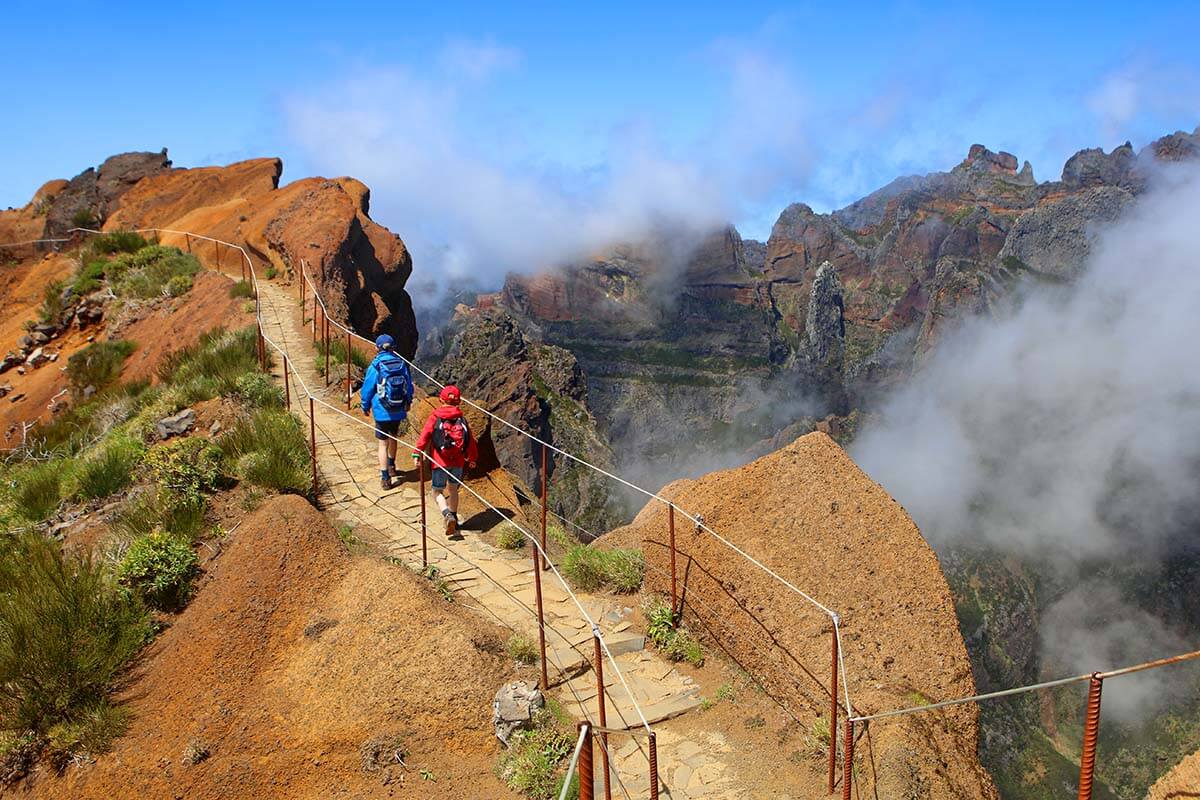
Pico do Arieiro is Madeira’s third-highest peak, rising to 5,965 feet (1,818 meters). The drive up is easy, but the real magic begins at the top. On clear days, you can see dramatic clouds, sharp mountain ridges, and sometimes even the neighboring island of Porto Santo.
This spot is popular for sunrise hikes. The trail from Pico do Arieiro to Pico Ruivo offers some of the island’s best hiking, but be prepared—some parts are steep and rocky. Bring a jacket, as it can be windy and cold, even in summer.
Many visitors miss the fact that weather changes quickly here. Always check the forecast and bring layers, even if Funchal feels warm.
Credit: portugalgetaways.com
Laurisilva Forest: Unesco Natural Wonder
The Laurisilva Forest is a UNESCO World Heritage Site, covering about 20% of Madeira. This green, misty forest is home to rare plants and birds found only in Madeira and the Canary Islands. Walking here feels like stepping into another world.
The best way to explore Laurisilva is on the levada walks—trails following old water channels built to carry water across the island. The “Levada do Caldeirão Verde” is a favorite, taking you through tunnels, over bridges, and past waterfalls.
Many tourists underestimate the length and slippery paths of these walks. Wear sturdy shoes and bring a flashlight for tunnels.
| Levada Trail | Length (miles) | Difficulty |
|---|---|---|
| Caldeirão Verde | 8.7 | Moderate |
| Levada dos 25 Fontes | 7.5 | Moderate |
| Levada do Rei | 6.2 | Easy |
Cabo Girão: Europe’s Highest Sea Cliff
Cabo Girão is one of Madeira’s most famous viewpoints. Standing at 1,902 feet (580 meters) above the sea, it is the highest sea cliff in Europe. The glass skywalk lets you look straight down at the ocean and terraced fields below—an experience that’s both thrilling and beautiful.
This spot is easy to reach by car or bus from Funchal. It’s a great place for photos, especially at sunset. Don’t forget to visit the small chapel nearby, which many visitors overlook.
Credit: fullsuitcase.com
Santana: Traditional Thatched Houses
Santana is a small village in northern Madeira, known for its colorful A-frame houses with thatched roofs. These homes are a symbol of Madeira and make for great photos. Some are still used today, while others are open to visitors.
Santana is also the starting point for hikes in the Queimadas Forest Park, where you can see beautiful laurel trees and waterfalls. Try local dishes like “espetada” (beef skewer) in the village restaurants.
| Attraction | Unique Feature | Recommended Visit Time |
|---|---|---|
| Traditional Houses | Thatched roofs | Morning |
| Queimadas Park | Levada walks | Half-day |
Porto Moniz: Natural Lava Pools
At the northwest tip of Madeira, Porto Moniz is famous for its natural swimming pools formed by volcanic rocks. The pools fill with crystal-clear ocean water and are safe for swimming, even when the sea is rough.
There’s a small entrance fee, but it’s worth it for a relaxing afternoon with ocean views. The nearby aquarium and seafood restaurants add to the charm.
A non-obvious tip: the pools can be busy in summer afternoons, so visit early in the morning for a quieter experience.
Ponta De São Lourenço: Wild Eastern Peninsula
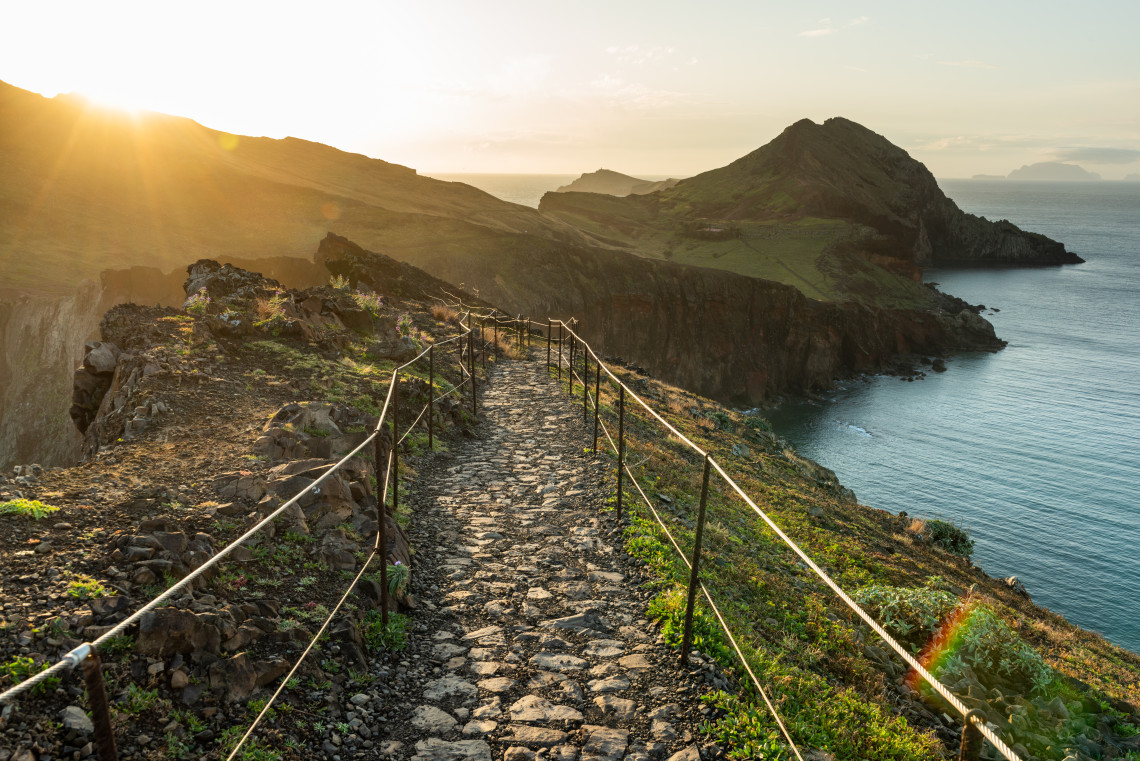
The eastern end of Madeira is marked by Ponta de São Lourenço, a dramatic, rocky peninsula with colorful cliffs and unique plants. The main hiking trail here is about 4 miles (6.4 km) round trip and offers endless ocean views.
Unlike the rest of Madeira, this area is dry and windy, with almost no trees. Wear a hat, sunscreen, and bring water, as there’s little shade. The end of the trail rewards you with an unforgettable view over the Atlantic.
Many people miss the small café at the end—perfect for a cold drink before heading back.
Camara De Lobos: Fishing Village Charm
Camara de Lobos is a pretty fishing village west of Funchal. Its colorful boats, seaside bars, and narrow streets inspired Winston Churchill to paint here in the 1950s. Try the local drink, “poncha,” made from sugar cane rum, honey, and lemon.
This is a great place to relax and watch the sunset. Don’t miss the fresh black scabbard fish (“espada”) served in most restaurants.
A practical tip: visit in the evening for a more authentic, less crowded atmosphere.

Credit: www.youtube.com
Frequently Asked Questions
What Is The Best Time To Visit Madeira?
Madeira has a mild climate all year, with temperatures from 60°F to 77°F (16°C to 25°C). The best time is spring (April–June) or fall (September–November) for fewer tourists and blooming flowers.
How Many Days Do I Need In Madeira?
A 5–7 day trip is ideal to see the main sights, do some hiking, and enjoy the local food. Short stays (3–4 days) can cover the highlights, but you’ll miss some hidden gems.
Is Madeira Good For Hiking?
Yes, Madeira is famous for its levada walks and mountain trails. There are routes for all fitness levels, from easy strolls to challenging climbs like Pico Ruivo.
Can I Swim In The Sea In Madeira?
Most beaches are rocky, not sandy, but you can swim in natural pools at Porto Moniz and Lido in Funchal. Some hotels have access to the sea, and summer water temperatures are around 72°F (22°C).
Is Madeira Expensive For Tourists?
Madeira is more affordable than mainland Portugal’s main cities. Meals at local restaurants cost about €10–€20. Car rentals and public transport are budget-friendly compared to other European islands. For more details, check the Madeira Wikipedia page.
Madeira’s beauty is both wild and welcoming. With dramatic cliffs, lush forests, and friendly villages, it’s easy to see why so many travelers return again and again. This island is not just a place to see—it’s a place to experience.
