
Montreal is a city full of energy, culture, and history. It is the largest city in Quebec and the second largest in Canada. Visitors find a mix of European charm and North American flair here. With its vibrant festivals, unique neighborhoods, and delicious food, Montreal is a top destination for travelers.
If you want to explore the best tourist places in Montreal, this guide will help you plan your trip and make the most of your visit.
Old Montreal (vieux-montréal)
Old Montreal is the heart of the city’s history. Walking through the cobblestone streets, you see buildings from the 17th century, lively squares, and charming cafes. The area is known for its beautiful architecture and atmosphere.
Key spots in Old Montreal:
- Notre-Dame Basilica – This Gothic Revival church is famous for its colorful interior and historic organ. It attracts over 250,000 visitors each year.
- Place Jacques-Cartier – A busy square surrounded by artists, restaurants, and street performers.
- Bonsecours Market – A historic building now home to boutiques and art galleries.
| Old Montreal Attraction | Year Built | Annual Visitors |
|---|---|---|
| Notre-Dame Basilica | 1829 | 250,000+ |
| Bonsecours Market | 1847 | 100,000+ |
Many tourists miss the side streets, which have hidden gems like small art galleries and quiet coffee shops.
Mount Royal Park
Mount Royal Park is the city’s green lung. Designed by Frederick Law Olmsted (who also designed Central Park in New York), it covers 200 hectares. Locals come here for picnics, jogging, and winter sports.
Highlights:
- Mount Royal Chalet – Offers a panoramic view of downtown Montreal.
- Lake Beaver – A peaceful spot for paddle boating in summer and ice skating in winter.
- Walking Trails – Over 10 kilometers of paths through forests and open spaces.
The best time to visit is during autumn when the trees turn bright red and orange. Some visitors skip the summit, but the view is worth the climb.

Credit: www.tripadvisor.com
Museum Of Fine Arts (musée Des Beaux-arts)
The Montreal Museum of Fine Arts is the oldest art museum in Canada. It houses over 45,000 works, including paintings, sculptures, and decorative arts. The museum often hosts major international exhibitions.
| Section | Type of Art | Notable Artists |
|---|---|---|
| Permanent Collection | Modern & Classical | Picasso, Rodin, Monet |
| Temporary Exhibits | Contemporary | Local & International |
Many tourists spend only an hour here, but a full visit can take half a day. The museum is free for visitors under 20 years old.
Jean-talon Market
The Jean-Talon Market is one of the largest public markets in North America. Open since 1933, it is known for fresh produce, cheese, meats, and baked goods. You can taste local specialties like maple syrup, Quebec cheese, and fresh berries.
Tips for visiting:
- Visit early to avoid crowds.
- Try local snacks from vendors.
- Ask farmers about their products; many speak English and French.
| Product | Season | Average Price |
|---|---|---|
| Strawberries | June-July | $4 per pint |
| Maple Syrup | Year-round | $8 per bottle |
| Artisan Cheese | Year-round | $12 per pound |
A common mistake is not bringing cash, as some vendors do not accept cards.

Credit: www.timeout.com
Saint Joseph’s Oratory
Saint Joseph’s Oratory is Canada’s largest church and a major pilgrimage site. It is located on the west slope of Mount Royal. The basilica’s dome is among the largest in the world, and the gardens around the church offer peaceful walking paths.
Facts:
- Over 2 million visitors each year.
- The dome rises 97 meters above the ground.
- Admission is free, but donations are welcome.
Many visitors miss the museum inside, which shows the life of Saint Joseph and the history of the site.
The Plateau And Mile End
These neighborhoods are famous for their artistic vibe and multicultural food scene. Colorful murals and trendy cafes line the streets.
Things to do:
- Try a Montreal-style bagel at St-Viateur or Fairmount Bagel.
- Walk along Boulevard Saint-Laurent to see street art.
- Visit small bookstores and vintage shops.
Locals recommend visiting during the afternoon for the best atmosphere. Tourists often overlook the many parks in these areas, perfect for relaxing.
Olympic Park And Biodome
Montreal hosted the 1976 Summer Olympics, and the Olympic Park is still a major attraction. The Olympic Stadium is known for its unique slanted tower.
The Biodome nearby lets you explore four ecosystems: rainforest, Laurentian forest, St. Lawrence marine environment, and polar worlds.
Fun facts:
- The stadium tower is 165 meters high.
- The Biodome receives over 800,000 visitors yearly.
Many tourists do not know that you can take an elevator to the top of the tower for a great view.
Strong Closing
Montreal offers a rich mix of culture, nature, and history. Whether you love art, food, or outdoor adventures, the city has something for everyone. To make your trip memorable, try to explore both famous landmarks and hidden spots. Use public transport, ask locals for advice, and take your time to enjoy the city’s unique rhythm. For more information and maps, visit the official Tourism Montreal website.
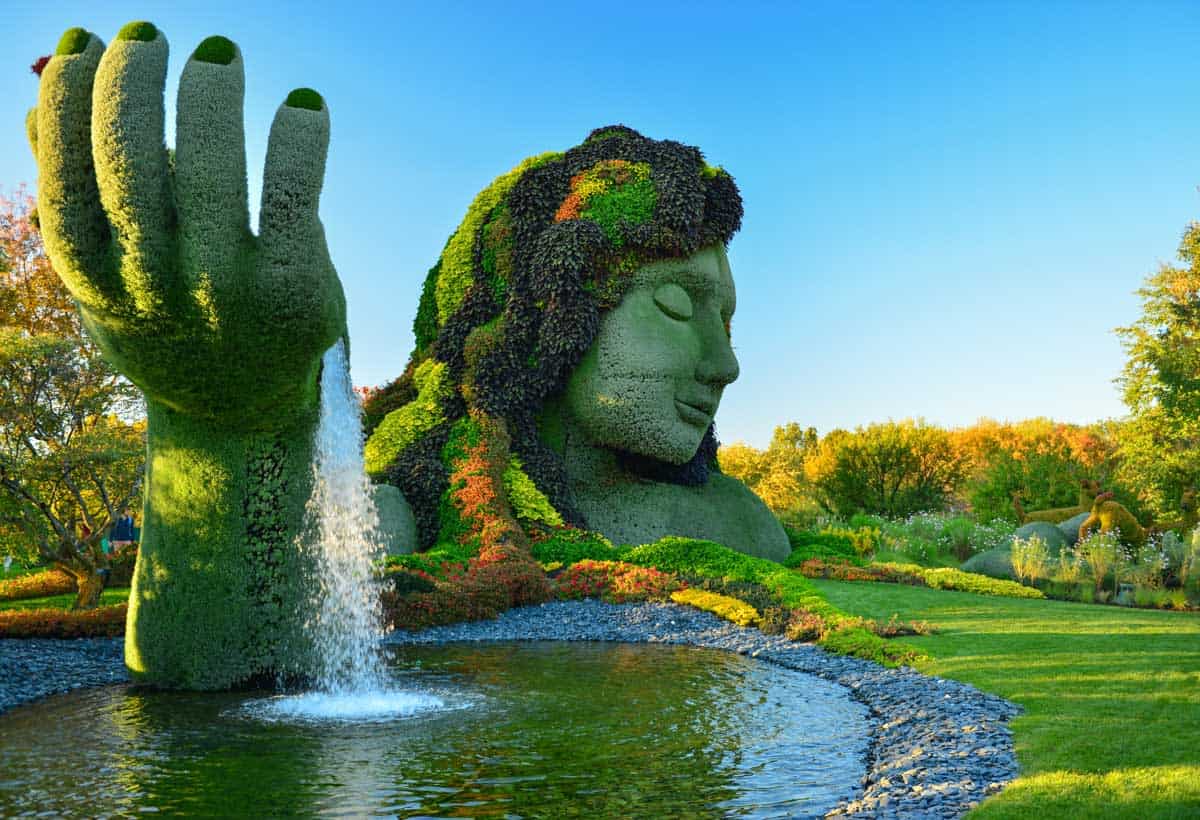
Credit: www.goworldtravel.com
Frequently Asked Questions
What Is The Best Time To Visit Montreal?
The best time is spring (April-May) or autumn (September-October). The weather is mild, and festivals like the Montreal Jazz Festival happen in summer.
How Can I Get Around Montreal?
Montreal has a good metro and bus system. You can buy a day pass for unlimited rides. Walking and biking are also popular, especially in downtown and Old Montreal.
Is Montreal Safe For Tourists?
Yes, Montreal is one of the safest cities in North America. Usual precautions are enough. Avoid walking alone late at night in unfamiliar areas.
What Language Is Spoken In Montreal?
The main language is French, but most people speak English too, especially in tourist areas. Signs and menus are often bilingual.
Do I Need Canadian Dollars In Montreal?
Yes, Canadian dollars are needed. Credit cards are widely accepted, but small shops and markets may prefer cash. ATMs are easy to find.
