
Nara is a city that feels like you are walking through the heart of Japanese history. Located less than an hour from Kyoto or Osaka, Nara attracts travelers with its peaceful parks, ancient temples, and free-roaming deer. While not as busy as Tokyo, Nara’s quiet beauty leaves a strong memory.
If you want to see where Japanese culture and nature come together, Nara is a must-visit.
Top Tourist Places In Nara
Nara offers a mix of temples, gardens, and cultural sights. Here are the best tourist places you should not miss:
Todai-ji Temple
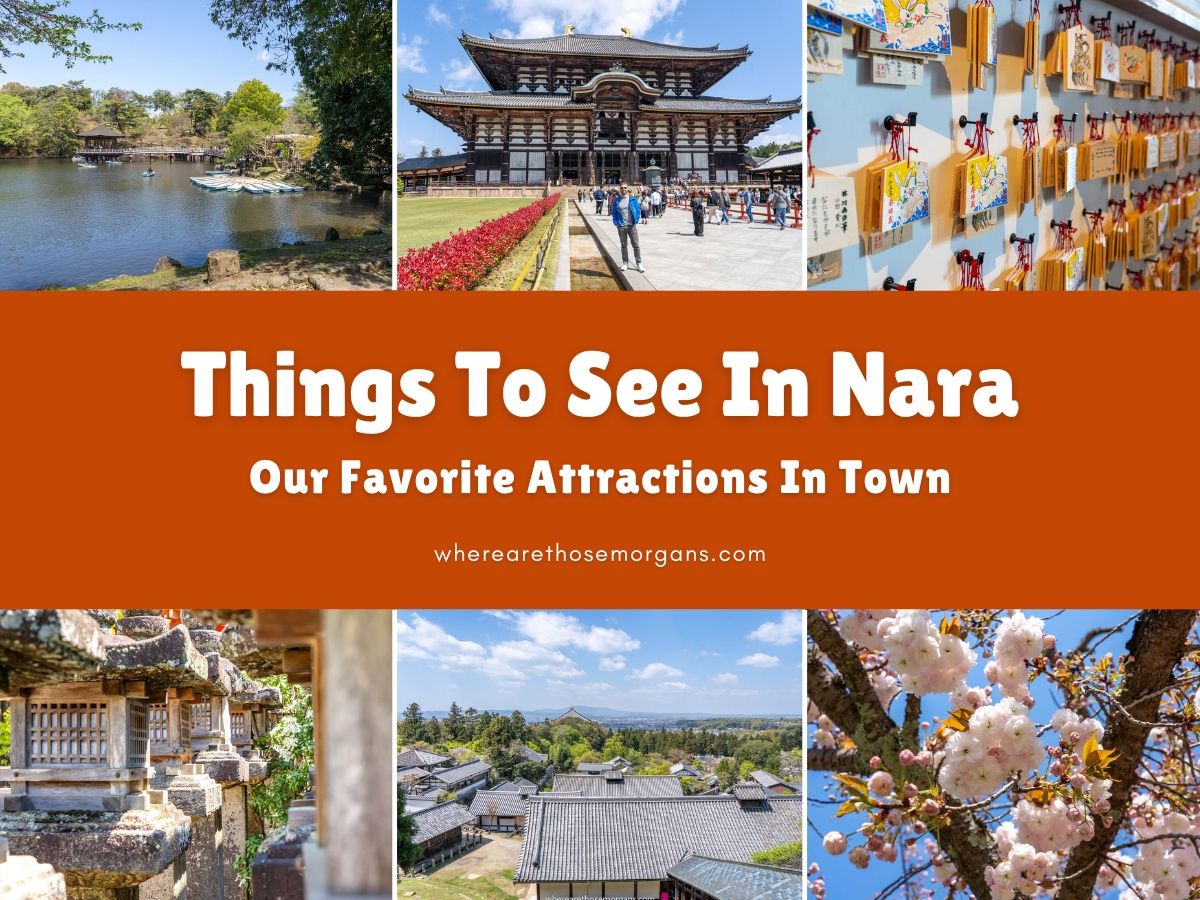
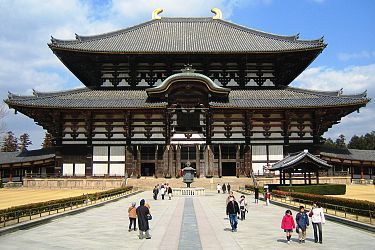
The Todai-ji Temple is Nara’s most famous landmark. Built in 752 AD, it houses the Great Buddha—one of the largest bronze Buddha statues in the world, standing 15 meters tall. The temple building itself is among the world’s largest wooden structures. Inside, you can feel the peaceful atmosphere and see detailed statues and carvings.
Nara Park
Nara Park is famous for its over 1,000 free-roaming deer. These deer are considered messengers of the gods and are very friendly. You can buy special crackers to feed them, but be careful—they sometimes bow to ask for more! The park is large and includes many of Nara’s important temples and gardens.
Kasuga-taisha Shrine
The Kasuga-taisha Shrine is known for its thousands of stone and bronze lanterns. The path leading to the shrine, lined with mossy lanterns and old trees, feels magical. Twice a year, during the Lantern Festivals, all the lanterns are lit in the evening, creating a dreamy scene. The shrine is part of Nara’s UNESCO World Heritage sites.
Kofuku-ji Temple
Once one of the powerful Seven Great Temples, Kofuku-ji has a five-story pagoda that is a symbol of Nara. The temple’s National Treasure Museum holds many important Buddhist statues. It’s a good place for visitors who want to learn about Japanese Buddhism and art.
Isuien Garden
Isuien Garden is a traditional Japanese garden where you can see ponds, tea houses, and carefully shaped trees. The garden uses “borrowed scenery,” meaning it includes views of nearby mountains. It’s a peaceful spot, perfect for a short rest during your sightseeing.
Naramachi District
The Naramachi District is the old merchant area of Nara. Here, you’ll find narrow streets lined with traditional wooden houses. Many are now shops, cafes, or small museums. Walking in Naramachi gives you a sense of what daily life was like in old Nara.
Horyu-ji Temple
A bit outside the city center, Horyu-ji Temple is the oldest wooden building in the world. Built in the 7th century, it is another UNESCO site. For history lovers, this temple gives a deeper look at how Buddhism shaped Japan.
Nara’s Top Attractions: Quick Comparison
To help you plan your trip, here is a comparison of Nara’s most popular attractions:
| Place | Main Feature | Time Needed | Entrance Fee |
|---|---|---|---|
| Todai-ji Temple | Great Buddha | 1–2 hours | 600 yen |
| Nara Park | Free-roaming deer | 1–3 hours | Free |
| Kasuga-taisha Shrine | Lanterns | 1 hour | 500 yen |
| Kofuku-ji Temple | Pagoda, statues | 1 hour | 700 yen (museum) |
| Isuien Garden | Traditional garden | 40 min | 1200 yen |
| Naramachi District | Historic streets | 1–2 hours | Free |
| Horyu-ji Temple | Oldest wooden building | 1–2 hours | 1500 yen |
Credit: wherearethosemorgans.com
Best Times To Visit Nara
Nara is beautiful year-round, but each season offers something special.
- Spring (March–May): Cherry blossoms fill the parks and temple grounds.
- Autumn (October–November): Maple leaves turn red and gold, especially around gardens and temples.
- Summer: Can be hot and humid, but festivals and green scenery attract visitors.
- Winter: Less crowded, with a calm atmosphere, though some outdoor sites can be cold.
Peak times are during the cherry blossom season and autumn leaves. If you want fewer crowds, visit early in the morning or on weekdays.
Travel Tips For Nara
Here are some practical tips to make your Nara visit more enjoyable:
- Arrive early. Nara gets busy with school groups and tourists, especially around noon.
- Wear comfortable shoes. You’ll walk a lot, especially in Nara Park.
- Bring cash. Many small shops and temple entrances accept only cash.
- Respect the deer. They are friendly, but can be pushy for food. Avoid teasing or feeding outside the special crackers.
- Check event dates. Lantern festivals and temple events offer unique experiences but can be crowded.

Credit: www.tripadvisor.com
Hidden Gems In Nara
Most visitors see only the main temples and park. However, Nara has lesser-known spots that are worth your time.
- Yoshiki-en Garden: Next to Isuien, this garden is free for foreign tourists and is rarely crowded. It features a moss garden, tea house, and peaceful walking paths.
- Mount Wakakusa: You can hike to the top for a beautiful view over Nara city. Every January, the Wakakusa Yamayaki festival lights up the whole hillside.
- Nara National Museum: This museum holds important Buddhist art and often has special exhibitions. It’s a good spot to learn more about Nara’s deep religious history.
Getting Around Nara
Nara is a compact city. Many sights are within walking distance from Kintetsu Nara Station. For places farther away, such as Horyu-ji Temple, buses and trains are easy to use.
| Transportation | Where to Use | Fare (Approx.) |
|---|---|---|
| Walking | Nara Park, central sights | Free |
| City Bus | Major attractions, Horyu-ji | 220–500 yen |
| Train | From Osaka/Kyoto, Horyu-ji | 500–800 yen |
| Bicycle rental | City center, park | 800–1000 yen/day |
Credit: www.japan-guide.com
Frequently Asked Questions
How Many Days Should I Spend In Nara?
One full day is enough to see Nara’s main sights. If you want to explore gardens, museums, or hike Mount Wakakusa, consider staying overnight.
Can I Feed The Deer In Nara Park?
Yes, you can buy special deer crackers (shika senbei) for about 200 yen per pack. Do not feed them other food.
Is Nara Suitable For Children?
Nara is great for families. Kids enjoy the friendly deer and open parks. Most temples have open spaces, but keep an eye on children around animals.
What Is The Best Way To Get To Nara From Kyoto Or Osaka?
The fastest way is by Kintetsu or JR train. It takes 30–45 minutes from either city. Trains run often and are easy to use.
Where Can I Find More Information About Nara’s History?
You can visit the Nara National Museum or read more on the Wikipedia page for detailed history.
Nara is a city where history, culture, and nature live together. Whether you come for the temples, the deer, or just a peaceful walk, you will leave with memories that last. Plan your trip, take your time, and enjoy the calm heart of Japan.
