Yukon is one of Canada’s most unique territories, famous for its wild landscapes, gold rush history, and vibrant culture. If you love adventure and want to explore nature, Yukon is a perfect choice. From the stunning Northern Lights to massive glaciers and friendly towns, every visitor finds something special here.
But with so many places to see, how do you choose the best tourist attractions in Yukon? This guide will help you discover the must-see spots, share practical tips, and offer insights that even many locals overlook.
Whitehorse: The Heart Of Yukon
Whitehorse is the capital city and the largest in Yukon, with about 25,000 people. It sits along the Yukon River, surrounded by mountains and forests. Most travelers start their journey here, as it’s the main travel hub.
- Miles Canyon: This deep, scenic canyon carved by the river is one of the city’s best hiking spots. The footbridge gives amazing views, especially in summer.
- Yukon Wildlife Preserve: You can see animals like muskox, bison, and arctic fox in natural habitats. It’s open year-round and has walking trails and guided tours.
- SS Klondike National Historic Site: This restored riverboat shows how goods and people traveled during the gold rush. The guided tours are detailed and bring history to life.
- Hot Springs: Takhini Hot Springs, just outside Whitehorse, is a relaxing spot after a day of exploring.
Pro tip: Many visitors miss the Yukon Transportation Museum, which explains how roads, planes, and even dogsleds helped shape the territory.
Dawson City: Gold Rush Legacy
Dawson City is where the famous Klondike Gold Rush happened. The town feels like stepping back in time, with wooden sidewalks and colorful old buildings.
- Dawson Historic Buildings: Walk the streets to see historic saloons, hotels, and stores. Many are now museums or offer tours.
- Dredge No. 4: This giant machine was used to mine gold. The guided tours are detailed and offer hands-on experiences.
- The Dome: Climb or drive up for the best panoramic views of Dawson, the river, and the surrounding hills.
- Diamond Tooth Gerties Gambling Hall: Canada’s oldest casino, with nightly shows and dancing.
Non-obvious insight: The Robert Service Cabin, home to the famous poet, is a small but fascinating stop. Many travelers overlook it, but the stories told here capture Yukon’s spirit.
Kluane National Park And Reserve
This park is one of Yukon’s most impressive natural wonders. It covers over 8,500 square miles and has some of North America’s tallest mountains and largest glaciers.
- Mount Logan: The highest peak in Canada, at 19,551 feet. Most visitors see it from afar, but flightseeing tours let you get close.
- Hiking Trails: Choices range from easy walks like the Sheep Creek Trail to challenging multi-day hikes like Slims River West.
- Wildlife Viewing: You may spot grizzly bears, Dall sheep, and golden eagles.
- Kathleen Lake: A beautiful spot for picnics, swimming, and kayaking.
Practical tip: The weather can change quickly. Always check forecasts and carry extra layers, even in summer.
| Trail Name | Length (miles) | Difficulty | Main Features |
|---|---|---|---|
| Sheep Creek Trail | 6 | Moderate | Mountain views, wildlife |
| Slims River West | 13 | Hard | Glaciers, tundra, river |
| King’s Throne | 8 | Challenging | Lake, alpine, summit |
Tombstone Territorial Park
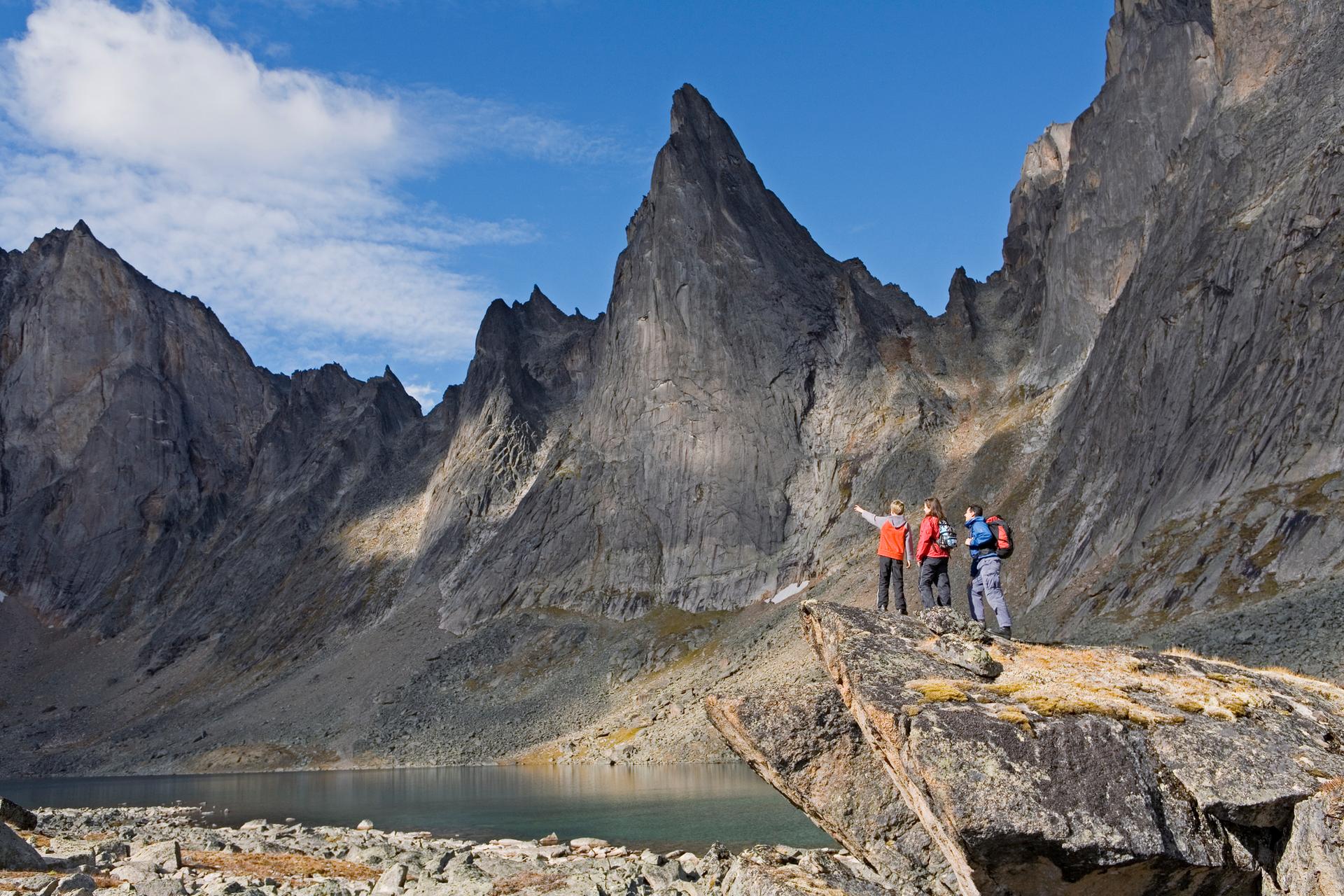
Known as the “Yukon’s Crown Jewel,” Tombstone is famous for its dramatic peaks, colorful tundra, and untouched wilderness.
- Dempster Highway: The park sits along this highway, which stretches north to the Arctic Circle. The road itself is a destination, with wild scenery at every turn.
- Tombstone Mountains: The jagged peaks are perfect for photography. Fall is especially beautiful, with red and gold colors covering the ground.
- Campgrounds and Trails: There are several maintained campsites, and hiking trails for all skill levels.
Experience-based tip: The best time for wildflowers is June and July, but late August brings stunning autumn colors. Most visitors come too early or too late and miss this show.

Credit: www.youtube.com
Northern Lights (aurora Borealis)
Yukon is one of the top places in Canada to see the Northern Lights. The lights are visible from late August to April, with the best chances in winter.
- Best Viewing Spots: Whitehorse and Dawson City have special viewing platforms. More remote places like Faro or Watson Lake offer even darker skies.
- Guided Tours: Several companies offer tours with heated shelters, snacks, and photography tips.
- Photography: Bring a tripod and use long exposure settings for the best results.
Non-obvious insight: Some locals use apps like “Aurora Alerts” to track the best nights. Most tourists don’t know about these free tools.
Yukon River: Adventure And History
The Yukon River runs over 1,980 miles, crossing much of the territory. It’s central to Yukon’s history, culture, and adventure.
- Canoe Trips: One of the most popular activities is paddling from Whitehorse to Dawson City, a journey of about 440 miles. It takes around two weeks but offers a true wilderness experience.
- Fishing: The river is home to chinook salmon, lake trout, and grayling. Permits are needed; check local regulations.
- Steamboat Cruises: Shorter river cruises, especially near Whitehorse, provide a relaxing way to see the scenery.
| Activity | Best Season | Duration | Skill Required |
|---|---|---|---|
| Canoeing | June–September | 10–14 days | Intermediate |
| Fishing | May–August | 1–5 hours | Beginner–Expert |
| Steamboat Cruise | May–September | 1–2 hours | None |
Carcross: Small Town, Big Scenery
Carcross is a small community south of Whitehorse, known for its stunning lakes, mountains, and unique desert.
- Carcross Desert: It’s called the “world’s smallest desert,” but it’s really a sandy area from a dried lake. Kids love running up and down the dunes.
- Emerald Lake: The lake’s bright green color is caused by minerals in the water. It’s a top photography spot.
- Carcross Commons: This area has local shops, art galleries, and Indigenous crafts. You can meet the Tagish and Tlingit people, who share stories and traditional art.
Pro tip: Most travelers stop for a photo, but spending an hour in Carcross Commons lets you see real Yukon culture. Try the homemade jams or locally roasted coffee.
Watson Lake: Signpost Forest And More
Watson Lake is famous for its Signpost Forest, where travelers from around the world add signs with their hometowns. There are over 80,000 signs now.
- Signpost Forest: Bring your own sign to add or find signs from your country.
- Northern Lights Centre: This interactive museum explains the science and stories behind the Aurora Borealis.
- Wye Lake: A peaceful spot for picnics and birdwatching.
Non-obvious tip: Watson Lake sits on the Alaska Highway. It’s a key stop for road trips, but most travelers only see the Signpost Forest. The Northern Lights Centre is a hidden gem, especially for families.

Credit: www.tripadvisor.com
Yukon Wildlife: Rare And Thrilling
Yukon is home to some of Canada’s wildest animals. Seeing them in nature is unforgettable.
- Moose: Yukon has one of the highest moose populations in Canada. Look for them near wetlands and lakes, especially early morning or late evening.
- Grizzly Bears: Common in the parks, but best seen from a safe distance. Carry bear spray and learn bear safety.
- Caribou: The Porcupine caribou herd migrates across northern Yukon. Spotting them is rare, but possible in summer.
- Birds: Over 250 species, including eagles, hawks, and swans.
Practical tip: Many visitors expect to see wildlife everywhere, but animals are shy. Guided tours increase your chances and teach you how to spot tracks and signs.
| Animal | Best Viewing Location | Best Season | Safety Advice |
|---|---|---|---|
| Moose | Kluane, wetlands | Spring/Fall | Keep distance |
| Grizzly Bear | Kluane, Tombstone | Summer | Bear spray, noise |
| Caribou | North Yukon | Summer | Observe quietly |
| Golden Eagle | Kluane, Tombstone | Spring/Fall | Binoculars needed |
Yukon’s Indigenous Culture
Yukon is home to many Indigenous groups, including First Nations like Tr’ondëk Hwëch’in and Kwanlin Dün. Their traditions shape much of Yukon’s culture.
- Cultural Centers: The Kwanlin Dün Cultural Centre in Whitehorse shares stories, art, and history. Dawson City also has cultural tours led by local guides.
- Festivals: Events like the Adäka Cultural Festival celebrate Indigenous music, dance, and crafts. Check schedules before you visit.
- Art Galleries: Indigenous artists create carvings, beadwork, and paintings. Many shops in Whitehorse and Carcross sell these works.
Non-obvious insight: Many tourists buy souvenirs but miss the chance to join workshops. These let you learn beadwork or drum-making and connect directly with Yukon’s people.
Outdoor Adventure: Hiking, Biking, And More
Yukon is a paradise for outdoor sports. The long summer days and wild landscapes are perfect for adventure.
- Mountain Biking: Carcross has world-class trails, including “Mountain Hero,” a 23-mile route with big climbs and fast descents.
- Hiking: Trails range from easy walks around lakes to tough climbs in Tombstone and Kluane.
- Fishing and Kayaking: Many lakes and rivers offer quiet spots for paddling or fishing.
Experience-based tip: Always tell someone your plans, as cell service is limited. Carry maps, water, and emergency gear.
Yukon’s Festivals And Events
Yukon hosts lively festivals throughout the year. These events mix local culture, music, and history.
- Sourdough Rendezvous: A February festival in Whitehorse with contests, dancing, and music. It celebrates Yukon’s gold rush spirit.
- Dawson City Music Festival: Every July, Dawson becomes a stage for Canadian and international musicians.
- Yukon Quest: This 1,000-mile sled dog race runs from Whitehorse to Fairbanks, Alaska. It’s one of the toughest races in the world.
Practical tip: Many festivals are free or low-cost. Book hotels early, as rooms fill fast during big events.
Arctic Circle And Dempster Highway
The Dempster Highway is a legendary road that runs north from Dawson City to the Arctic Ocean. It’s one of Canada’s most remote highways.
- Arctic Circle Crossing: A sign marks where the highway crosses the Arctic Circle. Many travelers take a photo here.
- Eagle Plains: The only stop for gas and food on the way north. It’s a small but essential place.
- Wildlife and Scenery: The highway passes through tundra, mountains, and rivers. Travelers often see foxes, wolves, and caribou.
Non-obvious tip: The road is gravel and can be rough. Carry a spare tire and emergency supplies, as help is far away. Most visitors underestimate the distance and time needed for this trip.
Practical Travel Tips For Yukon
Traveling in Yukon is different from most places. Here are some essential tips:
- Weather: It can be cold even in summer. Bring layers, waterproof jackets, and sturdy shoes.
- Roads: Many highways are gravel and remote. Fill your gas tank often.
- Wildlife Safety: Learn about bear safety and carry bear spray, especially in parks.
- Cell Service: Coverage is limited outside major towns. Download maps and information before you go.
- Booking: Hotels and tours fill quickly in summer. Reserve early.
- Respect Culture: Indigenous communities welcome visitors, but always ask before taking photos or joining events.
Pro tip: If you visit in winter, days are short but the Northern Lights are brighter. In summer, you’ll enjoy “midnight sun,” with daylight lasting up to 20 hours.
Credit: travel.destinationcanada.com
Frequently Asked Questions
What Is The Best Time To Visit Yukon?
The best time depends on what you want to see. Summer (June–August) is warm, with long days and great for hiking, festivals, and wildlife. Winter (November–March) is colder, but offers the best Northern Lights and snow activities. Fall (September) brings beautiful colors and fewer crowds.
Do I Need A Car To Explore Yukon?
A car is the easiest way to see Yukon. Public transport is limited, and many attractions are far apart. Renting an SUV or 4×4 is best, especially for gravel roads like the Dempster Highway.
Is It Safe To See Wildlife In Yukon?
Yes, but you must be careful. Keep a safe distance, never feed wild animals, and carry bear spray in parks. Guided tours are safer and increase your chances of seeing animals.
Can I See The Northern Lights In Summer?
The Northern Lights are visible from late August to April. Summer nights are too bright for the lights, but you can see them in early fall and late winter.
Are There Any Unique Foods To Try In Yukon?
Yes! Try Arctic char, elk burgers, and wild berry jams. Many restaurants in Whitehorse and Dawson City offer local dishes. Don’t miss homemade sourdough bread, a Yukon tradition.
Exploring Yukon is a journey into Canada’s wild north, where history, nature, and culture come together. Each attraction offers something unique, from gold rush towns and epic highways to deep forests and bright skies. Whether you’re hiking a mountain, paddling a river, or just watching the Northern Lights, Yukon leaves lasting memories. Plan carefully, respect the land and its people, and discover why Yukon is one of the best places for adventure travelers. For more facts and history about Yukon, visit Wikipedia for official details.
