
Glacier Bay: Discovering Alaska’s Majestic Wilderness
Glacier Bay is one of Alaska’s most breathtaking destinations. Located in the remote southeast region, this national park covers 3. 3 million acres of rugged mountains, dynamic glaciers, temperate rainforests, wild coastlines, and deep fjords. Every year, thousands of visitors arrive by cruise ship, plane, or boat to witness nature on a grand scale.
But Glacier Bay is more than just a scenic view—it’s a playground for adventure, wildlife, and unforgettable experiences. Whether you have a day or a week, there are many ways to explore this natural wonder.
Top Things To Do In Glacier Bay
From wildlife watching to kayaking among icebergs, Glacier Bay offers activities for all interests and skill levels. Here are some of the most popular and rewarding things to do.
1. Glacier Viewing Cruises
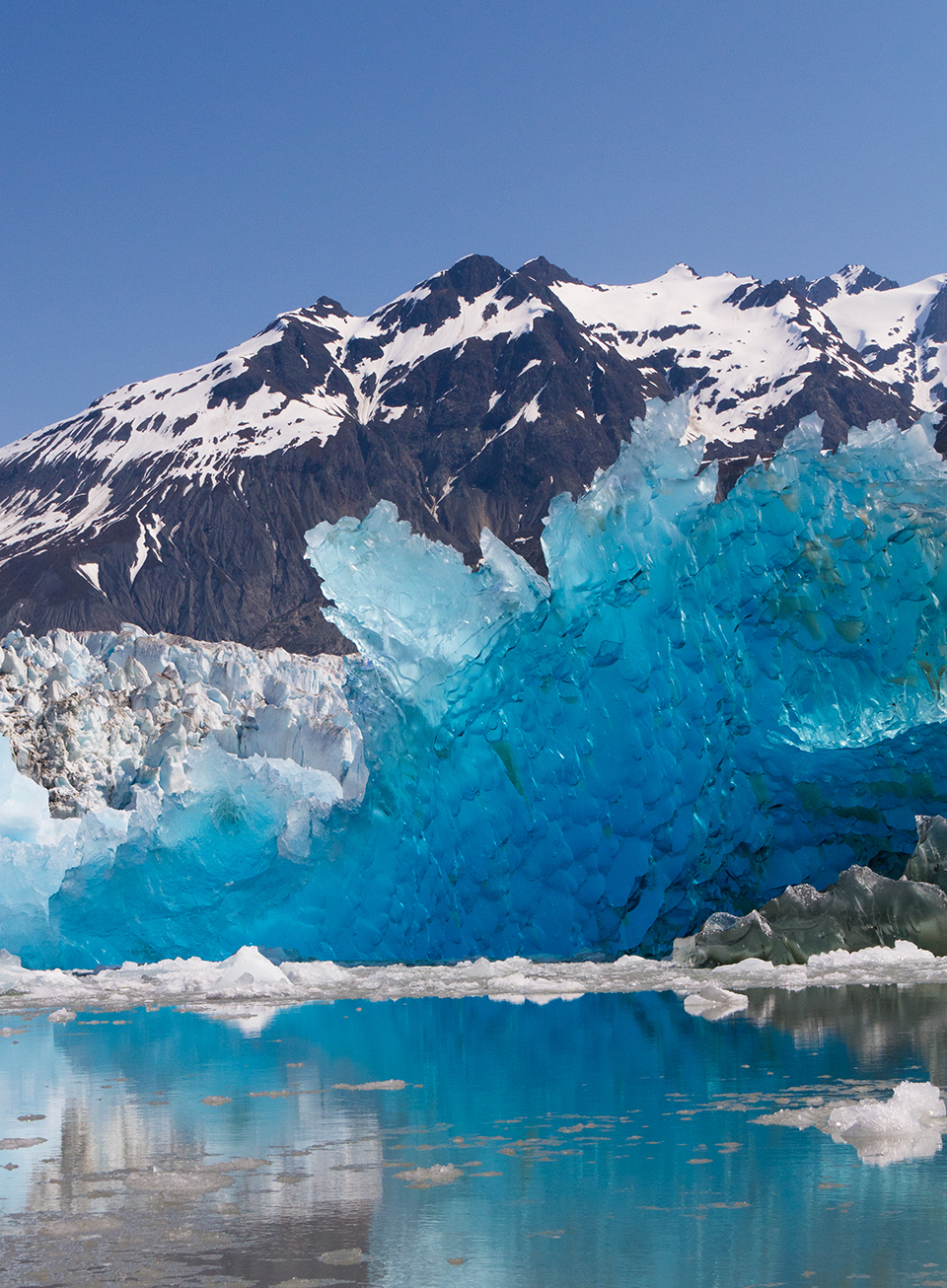
Most visitors experience Glacier Bay from the water. Day cruises offer the chance to see the park’s famous tidewater glaciers up close. Ships glide silently into deep inlets where walls of blue ice crack and thunder into the sea. Common glacier stops include Margerie Glacier and Johns Hopkins Glacier. On clear days, the sight of a glacier calving—when huge chunks of ice break off and crash into the bay—is unforgettable.
Cruises usually last 8-10 hours and include ranger-led talks about the park’s history, geology, and wildlife. Many cruise ships from Seattle or Vancouver make Glacier Bay a highlight of their Alaska route.
2. Wildlife Watching
Glacier Bay is a haven for animals. You might spot humpback whales feeding near the surface, orcas gliding through the water, and sea otters floating on their backs. Birdwatchers can see puffins, bald eagles, and kittiwakes.
On land, look for brown bears searching for salmon along the shore, mountain goats perched on cliffs, and even the occasional wolf. Binoculars and a camera with a zoom lens can help you observe without disturbing the animals.
3. Kayaking Adventures
Kayaking in Glacier Bay is a unique way to get close to nature. Paddling through calm, iceberg-dotted waters, you can explore hidden coves and quiet beaches unreachable by larger boats. Many outfitters in Gustavus rent kayaks and offer guided trips for all experience levels.
For beginners, short trips near Bartlett Cove are safe and scenic. Experienced paddlers can embark on overnight journeys into remote arms of the bay. Always check the weather and tides before setting out—conditions can change quickly.
4. Hiking Trails
While much of Glacier Bay is wild and rugged, several hiking trails start near the park’s main visitor center at Bartlett Cove. The Forest Trail is a gentle, one-mile loop through lush rainforest. The Bartlett River Trail takes you 2 miles to a peaceful river, perfect for spotting birds and sometimes bears.
For those seeking a longer adventure, the Bartlett Lake Trail is a 10-mile round trip, winding through forest and bog to a secluded lake. Remember that trails can be muddy and buggy; sturdy shoes and insect repellent are essential.
5. Glacier Bay Visitor Center And Ranger Programs
The park’s visitor center, open May through September, is a great place to start your journey. Learn about the area’s geology, glaciers, and native Tlingit culture through interactive exhibits. National Park Service rangers offer daily talks, guided walks, and evening programs.
Don’t miss the Tribal House, a traditional Tlingit building near the shore. Here, you can hear stories from local Native elders and see beautiful carved totem poles.
Key Attractions In Glacier Bay
With so many sights packed into this vast park, some locations stand out as must-sees. Below is a comparison of three top attractions:
| Attraction | Highlights | Accessibility |
|---|---|---|
| Margerie Glacier | Dramatic ice calving, blue ice walls | Accessible by boat/cruise |
| Bartlett Cove | Hiking, visitor center, kayaking | Accessible by road/boat |
| Johns Hopkins Inlet | Multiple glaciers, wildlife viewing | Accessible by boat/kayak |
These locations offer different perspectives of the park’s natural beauty. Most guided tours include Margerie Glacier, but independent travelers will find Bartlett Cove a perfect base for land activities.

Credit: alaskatours.com
Best Time To Visit Glacier Bay
The park is open year-round, but most tourists visit between late May and early September. During these months, days are long, wildlife is active, and ranger programs operate daily. July and August are the warmest, with temperatures ranging from 45°F to 65°F.
Visiting in late spring or early fall means fewer crowds and lower prices, but some services may be limited. Glacier viewing is best when skies are clear, but even on rainy days, mist and clouds create a mysterious atmosphere.
Tips For Planning Your Trip
Planning a trip to Glacier Bay requires some advance work, as there are no roads into the park itself. Here’s what you need to know:
- Getting There: Most travelers fly into Gustavus, a small town near the park. Alaska Airlines offers regular summer flights from Juneau. From Gustavus, it’s a short taxi ride to Bartlett Cove.
- Accommodations: The Glacier Bay Lodge is the only hotel inside the park. Rooms fill up fast, so book early. Other options are available in Gustavus, including inns and B&Bs.
- Permits: If you plan to camp or kayak overnight in the park, you must attend a safety orientation and get a permit at the visitor center.
- What to Pack: Weather changes quickly. Bring layers, waterproof jackets, sturdy shoes, and insect repellent. Binoculars and a camera are useful for wildlife and scenery.
- Respect Wildlife: Keep a safe distance from animals. Never feed wildlife, and store food securely to avoid attracting bears.
Credit: www.nps.gov
Comparing Popular Activities
Here’s a quick look at how some favorite activities compare:
| Activity | Duration | Best For |
|---|---|---|
| Day Cruise | 8-10 hours | First-time visitors, families |
| Kayaking | 2 hours to multi-day | Adventurers, nature lovers |
| Guided Hike | 1-4 hours | Walkers, photographers |
If you’re short on time, a cruise covers the most ground. For a quiet, personal experience, try kayaking or a forest hike.
Non-obvious Tips For Enjoying Glacier Bay
Many beginners miss these key insights:
- Timing matters. Early morning cruises often have better wildlife sightings, as animals are more active and the water is calmer.
- Tide cycles affect kayaking and wildlife viewing. Some beaches are only accessible at low tide, and animals gather at the water’s edge when tides change.
- Don’t skip the cultural side. The Tlingit heritage is deeply connected to Glacier Bay. Attending a talk or Tribal House tour adds meaning to your visit.

Credit: www.nps.gov
Frequently Asked Questions
What Is The Best Way To See Glaciers In Glacier Bay?
The best way is by day cruise or boat tour. These get you close to tidewater glaciers like Margerie, where you can watch for calving ice. Some people kayak for a quieter, more personal view, but boats allow you to cover more ground.
Can I Hike To A Glacier In Glacier Bay?
No established trails lead directly to tidewater glaciers. Most hiking is in the Bartlett Cove area, which is forested. Reaching glaciers on foot requires backcountry travel and is only for experienced adventurers.
Are There Bears In Glacier Bay?
Yes, both brown and black bears live in the park. They are most often seen along the shoreline. Always keep a safe distance and follow ranger advice for bear safety.
How Do I Get To Glacier Bay National Park?
There are no roads into the park. Most visitors fly to Gustavus from Juneau or take a ferry. From Gustavus, it’s a short ride to Bartlett Cove, where the park headquarters is located.
Where Can I Learn More About Glacier Bay?
For more detailed information, visit the official National Park Service Glacier Bay page.
Glacier Bay is a place of wonder and adventure. Whether you come for the glaciers, the wildlife, or the peaceful forests, you’ll leave with memories that last a lifetime.
