
San Francisco Maritime (ca): Things To Do And Top Attractions
San Francisco is famous for its fog, hills, and iconic bridges, but few places capture the city’s maritime past like the San Francisco Maritime National Historical Park. This unique park sits at the edge of Fisherman’s Wharf and offers a blend of history, adventure, and beautiful views. Visitors of all ages can find something to enjoy, from exploring historic ships to relaxing by the bay. If you’re planning a trip or just curious about what makes this park special, here’s your guide to the best experiences and attractions.
Exploring The Historic Ships
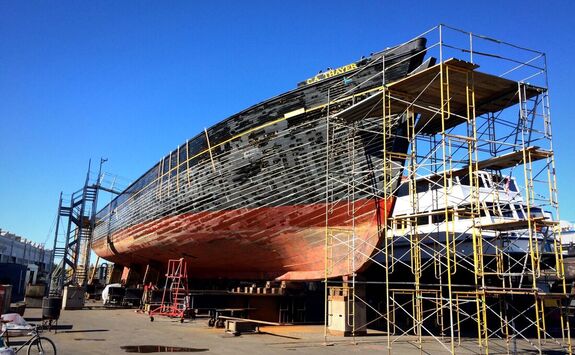
The heart of the park is its collection of historic vessels. These ships are not just for looking at—you can actually go aboard many of them.
| Ship Name | Type | Year Built | Main Feature |
|---|---|---|---|
| Balclutha | Full-rigged ship | 1886 | Three masts, global voyages |
| Eureka | Paddlewheel ferryboat | 1890 | Largest of its kind left afloat |
| Alma | Schooner | 1891 | Flat-bottomed, designed for bay waters |
| Hercules | Steam tugboat | 1907 | Powerful ocean-going tug |
Walking the decks of these ships, you’ll get a sense of what life was like for sailors more than a century ago. The Balclutha is especially popular with families and school groups, thanks to its towering masts and dramatic history. Many visitors miss the fact that each ship represents a different side of San Francisco’s story—from cargo and passenger transport to the gold rush.
Visit The Maritime Museum
Just across the street from the ships is the Maritime Museum. Housed in a striking art deco building, it’s easy to spot thanks to its colorful sea-themed murals. Inside, you’ll find:
- Interactive exhibits about the city’s seafaring past
- Historic photographs and ship models
- Artifacts from the Gold Rush era
One overlooked highlight is the upstairs observation room. Here you get panoramic views of the bay, perfect for photos. The museum is small enough to explore in an hour, but packed with details that make the history come alive.
Credit: www.peopleinparks.org
Hyde Street Pier
The Hyde Street Pier connects the museum and the historic ships. It’s more than just a walkway—it’s a place to experience hands-on history. The pier itself once served as the main car and passenger ferry terminal before the Golden Gate Bridge was built.
Today, you can:
- Watch park rangers demonstrate traditional maritime skills, like rope making and knot tying
- Join free guided tours that share little-known stories about the ships
- See small craft and boatbuilding displays
A tip: The pier is an excellent spot for sunset views, with the Golden Gate Bridge and Alcatraz in the distance.
Aquatic Park And Beach
Next to the Maritime Museum is the Aquatic Park Lagoon and its small sandy beach. It’s a quiet place to relax, away from the busy streets of Fisherman’s Wharf. Many locals come here for a quick swim or to sunbathe.
Key features of Aquatic Park:
- Calm, shallow water (good for families with kids)
- Open-water swimmers and rowing clubs use the lagoon all year
- Benches and grassy areas for picnics
If you’re visiting on a Saturday morning, you might see groups training for long-distance swims. The park’s curved bleachers, known as “stadium steps,” are a great place to enjoy a snack with a view.
Maritime Research Center And Library
For those who want to dig deeper, the Maritime Research Center is a hidden gem. It holds one of the largest collections of maritime documents and photos on the West Coast. Researchers, students, and history buffs can access rare ship plans, old maps, and journals.
While the main collection is by appointment only, the public reading room has rotating displays and resources. It’s a quiet escape from the crowds and an excellent place for anyone interested in maritime history.
Events And Special Programs
Throughout the year, the park hosts a variety of events and activities:
- Living history days: Volunteers dress as sailors and reenact life aboard ship.
- Sea shanty concerts: Traditional sailor songs performed live.
- Boatbuilding workshops: Hands-on classes for adults and kids.
- Holiday celebrations: The ships light up for special occasions, including Fleet Week and Fourth of July.
These programs offer a chance to participate and learn, not just observe. Many events are free with park admission, making them a good value for families.

Credit: store.wnpa.org
Things To Know Before You Go
Planning a visit to the San Francisco Maritime National Historical Park is simple, but a few tips can help you make the most of your time.
| Feature | Details |
|---|---|
| Location | 499 Jefferson Street, near Fisherman’s Wharf |
| Hours | 10 am – 5 pm for most attractions |
| Admission | Free for the park and museum; small fee for boarding ships |
| Accessibility | Most areas wheelchair accessible; some ships have stairs |
| Best time to visit | Weekdays and early mornings for fewer crowds |
Two things beginners often miss: First, foggy mornings are common, but afternoons usually clear up, so dress in layers. Second, ticketed ship access is good all day—keep your ticket if you want to return.
Nearby Attractions
The park sits in a lively area, making it easy to combine with other sights. Within a short walk, you can find:
- Ghirardelli Square for chocolate and shopping
- Fisherman’s Wharf for seafood and street performers
- The start of the Powell-Hyde Cable Car line
You can also continue your maritime adventure with a ferry ride to Alcatraz Island or Angel Island.

Credit: downtownsf.org
Frequently Asked Questions
What Is The San Francisco Maritime National Historical Park?
This park is a national site celebrating the city’s rich maritime history. It includes historic ships, a museum, a small beach, and research facilities, all located near Fisherman’s Wharf.
How Much Does It Cost To Visit The Park?
Entry to the park and museum is free. Boarding the historic ships requires a small fee (about $15 for adults, with discounts for youth and seniors).
How Long Should I Plan To Spend At The Park?
Most visitors spend two to three hours. If you want to explore every ship, attend a tour, and visit the museum, plan for half a day.
Are The Ships Safe For Children?
Yes, kids are welcome on board. Some ships have steep stairs and narrow passages, so watch young children closely. Life jackets are not usually required but are available if needed.
Where Can I Learn More About The Park’s History?
For more in-depth information, visit the official San Francisco Maritime National Historical Park website, which offers detailed guides and event updates.
San Francisco Maritime National Historical Park is more than a collection of old ships—it’s a living window into the city’s seafaring spirit. Whether you’re interested in history, looking for a quiet spot by the water, or just want to experience something different, this park is a must-see for any visitor.
