
Lake Clark National Park: Top Things To Do And Attractions
Nestled in the wild heart of Alaska, Lake Clark National Park is a hidden gem for adventure seekers and nature lovers. The park covers over 4 million acres, yet only a few thousand people visit each year. Its remote location means untouched wilderness, dramatic landscapes, and unique experiences you won’t find anywhere else in the US. Whether you want to watch brown bears, hike along scenic trails, or explore the rich culture of Alaska’s Native peoples, Lake Clark offers something special for every traveler.
Getting To Lake Clark National Park
Reaching the park is an adventure itself. There are no roads leading directly to Lake Clark. Most visitors arrive by small plane from Anchorage, Homer, or other nearby towns. Flights are short—usually 1 to 2 hours—but give you stunning views of mountains, rivers, and glaciers. Boats are another option for some parts of the park, but air travel is much more common.
| Access Method | Time from Anchorage | Cost (Approx.) |
|---|---|---|
| Small Plane | 1-2 hours | $300-$600 |
| Boat | 6-8 hours | $200-$400 |
Top Things To Do In Lake Clark National Park
1. Bear Viewing At Brooks Falls
One of the most famous attractions in the park is bear watching. The best place to see brown bears is Brooks Falls, especially from June to September. Bears gather here to catch salmon jumping up the waterfall. You can watch from special platforms, sometimes only a few yards away.
- Best time: July for peak salmon run
- Safety tip: Always listen to park rangers and keep safe distances
2. Hiking And Backpacking
Lake Clark has hundreds of miles of hiking trails. Some are easy walks near the lake, while others are challenging routes into the mountains. The Tanalian Falls Trail is a favorite, offering a 4-mile round trip to a powerful waterfall.
- Trail length: 4 miles round trip
- Elevation gain: 400 feet
For longer adventures, the Konjarra Ridge and Crater Lake trails reward hikers with panoramic views.
3. Fishing And Boating
The park’s lakes and rivers are rich with salmon, trout, and other fish. You can fish from the shore, rent a boat, or join a guided fishing tour. Lake Clark itself is 50 miles long, perfect for boating and kayaking. The clear water and mountain backdrop make every trip beautiful.
- Fishing season: June to September
- License required: Yes (Alaska fishing license)
4. Wildlife Watching
Besides bears, the park is home to moose, wolves, caribou, and many birds. Birdwatchers often spot bald eagles, loons, and trumpeter swans. Early mornings and evenings are best for wildlife sightings.
| Animal | Best Viewing Season | Where to Spot |
|---|---|---|
| Brown Bear | June–September | Brooks Falls |
| Moose | Spring & Fall | Wetlands, forest edges |
| Caribou | Summer | Tundra areas |
| Bald Eagle | Year-round | Near lakes and rivers |
5. Exploring Local Culture
The park is home to Dena’ina Athabascan people. You can visit Port Alsworth, the main village, and learn about their traditions. The Lake Clark Visitor Center has exhibits about Native culture, history, and art.
- Don’t miss: Cultural demonstrations and craft workshops
6. Camping In The Wilderness
Camping here is a true wilderness experience. There are no developed campgrounds, but you can pitch your tent almost anywhere outside of Port Alsworth. Backcountry camping gives you incredible views and a sense of solitude.
- Essential gear: Bear-proof food containers, warm sleeping bag, rain gear
- Permit: Not required, but register with park staff for safety
7. Scenic Flights
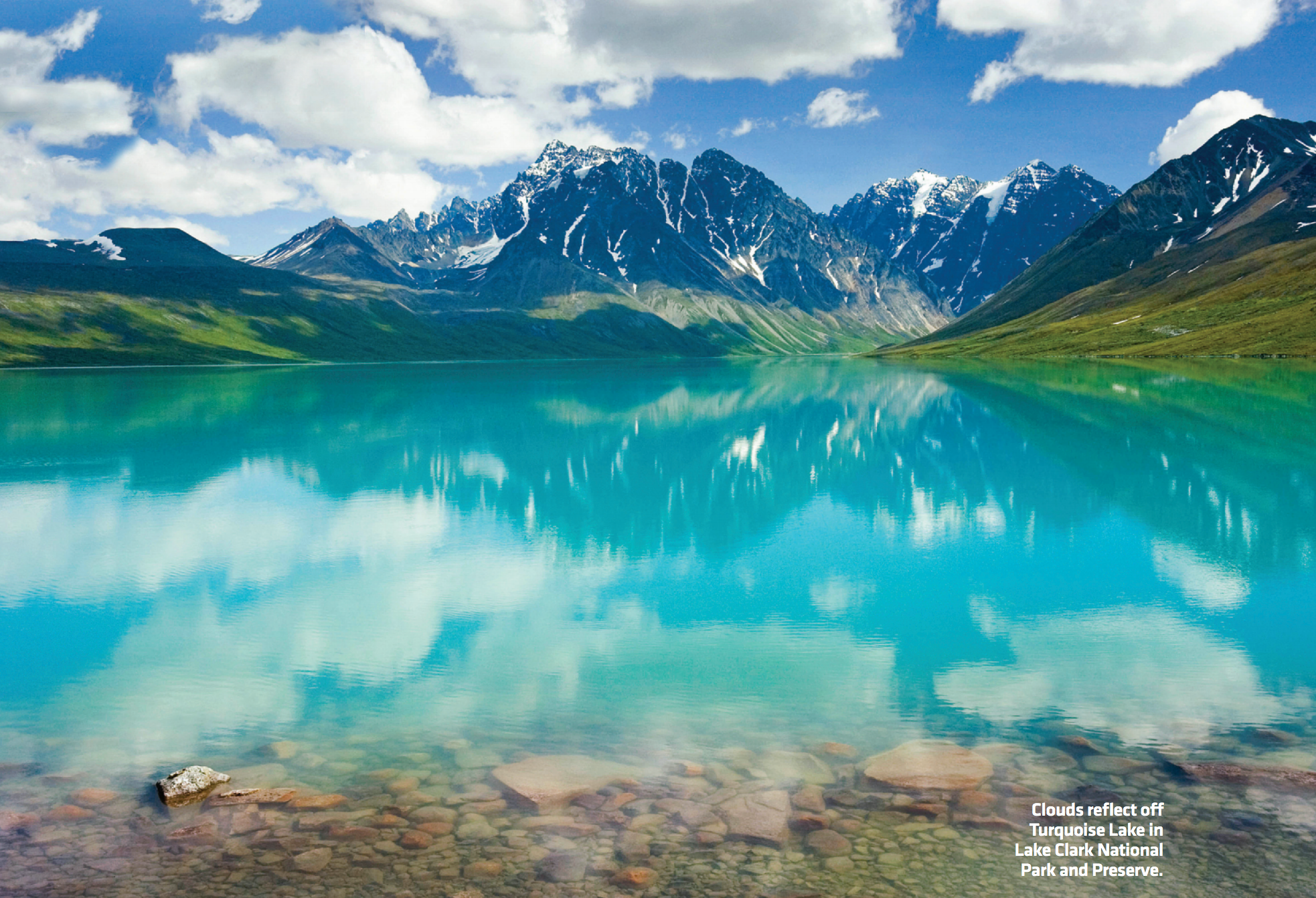
Many visitors take a scenic flight over the park. You’ll see volcanoes, glaciers, waterfalls, and the turquoise waters of Lake Clark from above. Flights often include landings at remote spots for short hikes or photography.
- Flight duration: 1-3 hours
- Cost: $300-$700 per person
8. Photography
Lake Clark is a dream for photographers. Sunrise and sunset bring dramatic colors to the mountains and lake. Wildlife, wildflowers, and waterfalls all make great subjects.
- Pro tip: Bring a waterproof camera bag—weather changes fast
Credit: alaskamagazine.com
Notable Natural Features
Lake Clark
The lake itself is 50 miles long and up to 5 miles wide. Its clear blue water is fed by glaciers and surrounded by tall peaks. Swimming is possible in summer, but water is cold.
Volcanoes
The park has two active volcanoes: Mount Redoubt and Mount Iliamna. Both can be seen from many trails and scenic flights. Eruptions are rare but have shaped the land.
Waterfalls
Tanalian Falls and Konjarra Falls are among the most beautiful in Alaska. They are easy to reach from Port Alsworth and make perfect picnic spots.
| Feature | Size/Height | Accessibility |
|---|---|---|
| Lake Clark | 50 miles long | By boat/plane |
| Mount Redoubt | 10,197 ft | Scenic flight |
| Tanalian Falls | 30 ft high | 4-mile hike |
Practical Tips For Visiting
- Weather changes quickly. Bring layers and waterproof gear.
- Mosquitoes can be fierce in summer. Pack repellent.
- Most food and supplies must be brought with you. There are few stores.
- Always store food in bear-proof containers.
- Cell service is limited or non-existent.
Many first-time visitors overlook the importance of registering with park staff before hiking or camping. This is vital for safety, as help may be far away. Another tip: even on short hikes, carry extra water and snacks. The terrain can be tougher than it looks.
For more details, check the official Lake Clark National Park website.

Credit: en.wikipedia.org
Frequently Asked Questions
How Do I Get To Lake Clark National Park?
You must fly in by small plane from cities like Anchorage or Homer. There are no roads to the park.
What Is The Best Time To Visit?
Summer (June to September) is best. Days are long, wildlife is active, and most activities are available.
Do I Need A Permit To Camp?
No permit is needed for backcountry camping, but it’s smart to register your plans with park rangers.
Are There Guided Tours?
Yes, local operators offer bear viewing, fishing, hiking, and scenic flight tours. Booking in advance is recommended.
Is Lake Clark Safe For Families?
Yes, but it’s a remote wilderness. Families should plan carefully, bring safety gear, and follow all park advice.
Lake Clark National Park is more than a destination—it’s an adventure. The wild landscapes, incredible wildlife, and rich culture make every visit memorable. If you want a true Alaskan experience, Lake Clark delivers in ways few places can.
