
Congaree National Park is one of South Carolina’s hidden treasures. Many travelers know about the famous national parks in the western United States, but few realize that the largest old-growth bottomland hardwood forest in the country lies just outside Columbia, South Carolina.
With its quiet waters, ancient trees, and rich wildlife, Congaree offers an experience unlike any other park on the East Coast.
What Makes Congaree Unique
Walking into Congaree National Park feels like stepping into another world. The park protects over 26,000 acres of forested floodplain along the Congaree and Wateree Rivers. Some of the trees here—bald cypress and tupelo—are more than 500 years old and reach more than 160 feet high. This makes Congaree home to some of the tallest trees in the eastern U.S.
The park is also a designated International Biosphere Reserve. Its floodplain forest supports a variety of life, including bobcats, deer, river otters, and more than 200 bird species. The park’s swamps are vital for fish and amphibians. This diverse ecosystem creates many opportunities for visitors who love nature, photography, or outdoor activities.
Top Things To Do In Congaree National Park
There is no single “main attraction” in Congaree. Instead, its beauty lies in the quiet, wild places and the activities you can do within them. Here are some of the best things to experience:
1. Boardwalk Loop Trail
The Boardwalk Loop Trail is the park’s most popular hike. This easy, 2.4-mile loop takes you above the swampy forest floor on a raised wooden path. It’s wheelchair accessible and perfect for all ages. Along the way, you’ll see massive cypress knees, towering trees, and sometimes wildlife like turtles or woodpeckers.
- Length: 2.4 miles (loop)
- Difficulty: Easy
- Highlights: Old-growth forest, floodplain views, wildlife
2. Canoeing And Kayaking
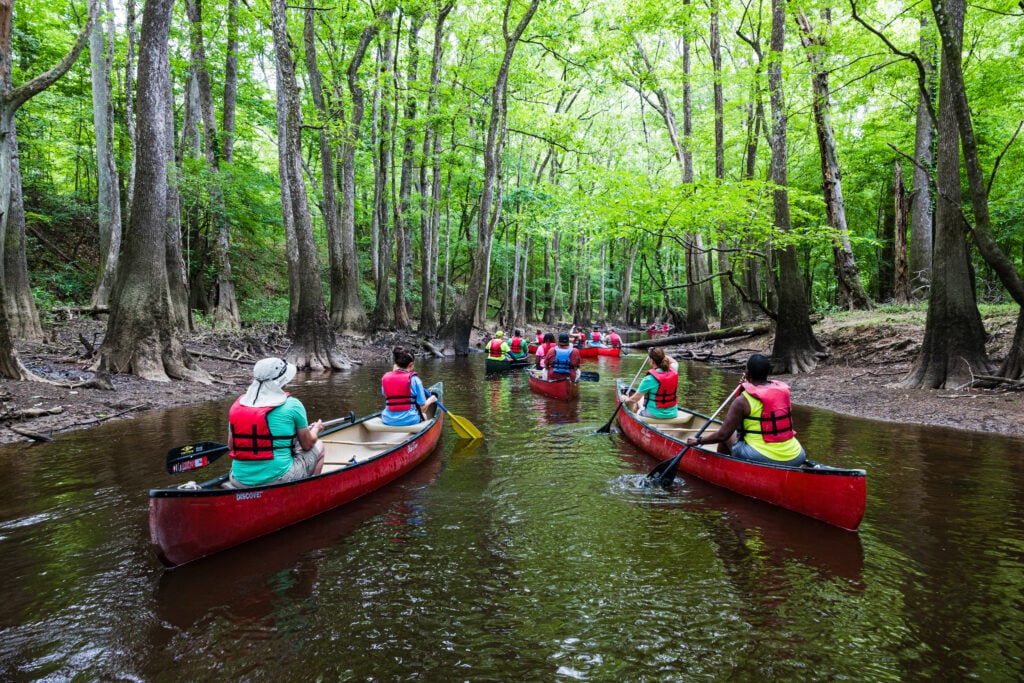
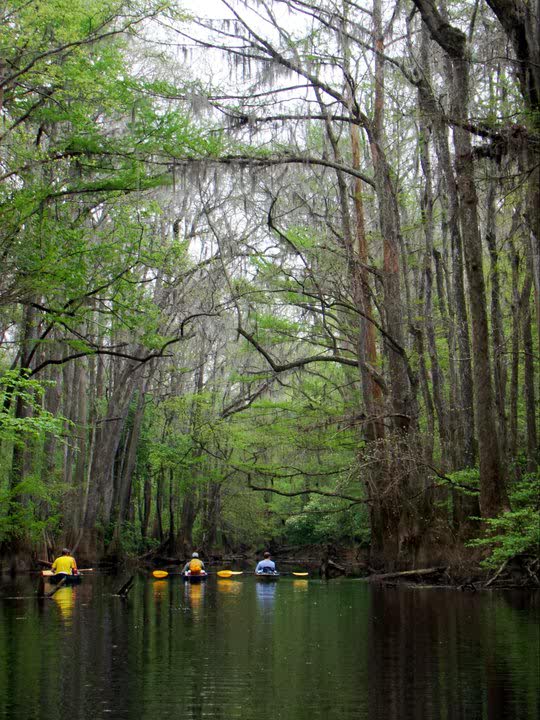
The Cedar Creek Canoe Trail offers a different perspective. Paddling through the calm, dark waters lets you see the forest from below the canopy. The full trail is about 15 miles, but many people paddle shorter sections. You’ll glide past cypress trunks and under hanging Spanish moss. Watch for river otters, turtles, and wading birds along the way.
Tip: Water levels change with the seasons. Check with rangers before you go.
3. Hiking And Backcountry Trails
Beyond the boardwalk, Congaree has more than 25 miles of hiking trails. For a longer adventure, try the Kingsnake Trail (11.7 miles) or the River Trail (10 miles). These paths are less crowded and take you deeper into the wilderness. You may spot wildflowers, frogs, and even deer.
Common mistake: Many visitors underestimate trail length and the humid climate. Bring water, bug spray, and a map.
4. Birdwatching
Congaree is a bird lover’s paradise. In spring and fall, you can see colorful warblers, woodpeckers, owls, and even rare birds like the Swainson’s warbler. The park is also a stopover for migrating birds. Early morning is the best time for birdwatching.
5. Ranger-guided Programs
Park rangers lead walks and talks throughout the year. These programs explain the forest’s history, wildlife, and ecology. Some events—like the famous synchronous firefly viewing in May and June—require reservations and fill up quickly.
6. Camping
Congaree has two campgrounds: Longleaf (drive-in) and Bluff (walk-in). Both offer a quiet, natural setting. For true adventure, backcountry camping is allowed with a free permit. Listen to owls at night and wake to the sound of woodpeckers in the morning.
Credit: www.lakemurraycountry.com
Must-see Attractions In Congaree
While Congaree doesn’t have dramatic mountains or waterfalls, it does have some unique sights. Here are a few highlights:
| Attraction | Why Visit | Best Time |
|---|---|---|
| Bald Cypress Trees | See some of the tallest trees in the East | Year-round |
| Weston Lake | Peaceful spot for wildlife viewing | Morning or sunset |
| Firefly Event | Experience rare synchronous fireflies | May–June |
Visitor Tips For Exploring Congaree
To make the most of your visit, keep these practical tips in mind:
- Check the weather. Floods are common, and trails can close after heavy rain.
- Bring bug spray and sunscreen. Mosquitoes are most active in warmer months.
- Carry water and snacks. There are no food services inside the park.
- Wear sturdy shoes. Trails can be muddy, especially in spring.
- Arrive early. Parking lots fill up on weekends.
A less obvious tip: If you want to see wildlife, walk quietly and stop often. Many animals freeze when they hear people but will come back out if you are still.
Credit: www.americanrivers.org
Comparing Congaree With Other National Parks
Congaree is often less crowded than parks like Great Smoky Mountains or Shenandoah. It’s also unique for its old-growth floodplain forest and paddling opportunities.
| National Park | Main Feature | Annual Visitors |
|---|---|---|
| Congaree | Old-growth floodplain forest | ~215,000 |
| Great Smoky Mountains | Mountain scenery | ~12 million |
| Everglades | Wetlands & wildlife | ~1 million |
Wildlife And Nature Experiences
One of Congaree’s big surprises is how much wildlife you can see. The park is home to:
- White-tailed deer and river otters
- More than 50 species of butterflies
- Snakes, turtles, and frogs
- Rare plants like the dwarf trillium
Early morning or late afternoon is the best time for wildlife viewing. Bring binoculars if you can.
A second insight: Floods, which happen several times a year, are not a problem but a feature. These floods bring nutrients that keep the forest healthy. Don’t be disappointed if you visit during a flood—just stick to the boardwalk.

Credit: npplan.com
Practical Information
The park is open year-round and entrance is free. The visitor center is open daily, except on major holidays. There are restrooms and water fountains, but no restaurants or shops inside the park.
If you’re planning a longer trip, Columbia, SC is just 20 miles away and offers hotels, restaurants, and other attractions.
Here’s a quick reference for basic visitor information:
| Info | Details |
|---|---|
| Hours | Sunrise to sunset |
| Entrance Fee | Free |
| Visitor Center | 9am–5pm daily |
| Nearest City | Columbia, SC (20 miles) |
For more details on park hours, events, and safety tips, visit the official National Park Service site.
Congaree National Park may not be as famous as other parks, but it offers a special experience for those who love nature and want to escape the crowds. Whether you paddle through cypress trees, walk the boardwalk, or watch for fireflies, you’ll find something unforgettable.
Frequently Asked Questions
What Is The Best Time To Visit Congaree National Park?
The best time is in spring (March–May) or fall (September–November) for cooler weather and fewer bugs. The firefly event in late spring is also popular.
Are Pets Allowed In The Park?
Yes, pets are allowed on leashes on all trails except during some special events. Always clean up after your pet.
How Long Should I Plan To Spend At The Park?
Most visitors spend half a day to a full day. If you want to hike longer trails or paddle, consider two days.
Can I Rent Canoes Or Kayaks Inside The Park?
No, there are no boat rentals inside the park. You need to bring your own or rent from local businesses nearby.
Is Congaree Safe For Kids And Families?
Yes, Congaree is very family-friendly. The Boardwalk Loop is easy and safe for children. Just be sure to bring water, snacks, and bug spray.
