
Have you ever thought about swapping your tent for a hammock on your next camping trip? Hammock camping is becoming more popular, offering a unique way to connect with nature.
But is it really the best choice for you? Before you pack your gear, it’s important to weigh the pros and cons. This guide will help you understand what makes hammock camping great—and what might hold you back. Keep reading to find out if hanging above the ground is the perfect fit for your outdoor adventures.

Credit: altongoods.com
Benefits Of Hammock Camping
Hammock camping offers many advantages for outdoor lovers. It provides a unique way to rest in nature. Many campers find it more relaxing than traditional tents.
Hammocks are simple to set up and bring comfort that tents sometimes lack. They work well in many environments and make camping easier and more fun.
Comfort And Sleep Quality
Hammocks support your body evenly. This reduces pressure points and helps avoid aches. Sleeping above the ground keeps you away from rocks, roots, and uneven surfaces.
The gentle sway of a hammock can help you fall asleep faster. Many people report better rest and less stiffness after hammock camping.
Lightweight And Portable
Hammocks weigh less than most tents. They pack down small and fit easily in backpacks. This makes them ideal for long hikes or trips where weight matters.
Setting up a hammock takes minutes and requires less gear. Campers can carry less and move faster on trails.
Versatility In Terrain
Hammocks work well in many locations. You can camp in forests, over rocky ground, or near rivers. As long as there are two sturdy trees, you can hang a hammock.
This flexibility opens up more camping spots. It helps avoid crowded or unsuitable ground areas. Hammock camping expands your options in nature.
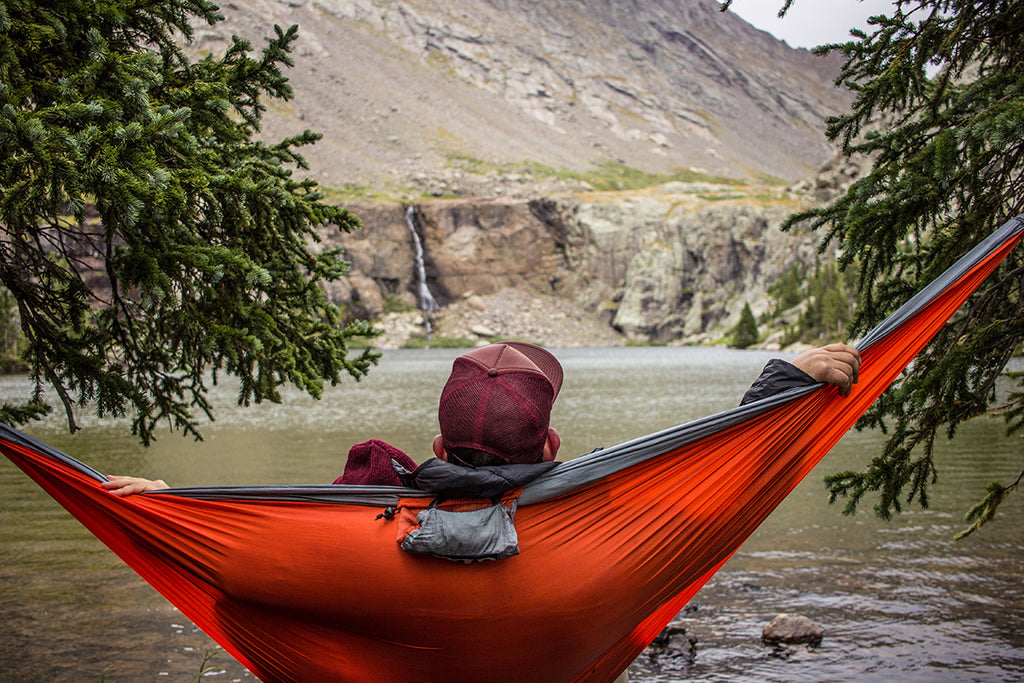
Credit: www.garagegrowngear.com
Challenges Of Hammock Camping
Hammock camping offers a unique outdoor experience. Yet, it comes with some challenges that campers should know. Understanding these challenges helps you prepare better and enjoy your adventure more.
Weather Dependency
Hammocks provide little protection from rain or wind. You need extra gear like rain flies or tarps. Cold weather is also a problem. Sleeping off the ground can feel colder than tents. Weather changes can quickly affect comfort and safety.
Setup Complexity
Setting up a hammock takes time and skill. Finding strong, well-placed trees is necessary. Improper setup can cause discomfort or damage to trees. Straps and knots must be secure. Beginners might struggle with the right height and tension.
Limited Space
Hammocks have less space than tents. You cannot move around much inside. Storing gear nearby can be tricky. Sharing a hammock with another person is hard. This limits what you can carry and how you arrange your items.
Essential Gear For Hammock Camping
Hammock camping offers a unique way to enjoy nature. To have a good experience, you need the right gear. The right tools make your trip safe and comfortable. This section covers must-have items for hammock camping.
Choosing the right gear helps you stay dry, warm, and relaxed. It also keeps you safe from bugs and weather. Let’s explore the main equipment you need.
Choosing The Right Hammock
Pick a hammock made from strong, lightweight fabric. Nylon hammocks are popular for their durability. Make sure it can hold your weight safely. Look for hammocks with built-in bug nets for extra protection. Choose a size that fits your body well. Double hammocks offer more space and comfort. Straps for hanging should be wide and tree-friendly. Avoid ropes that can harm tree bark.
Rain Protection Options
Rain can spoil your trip fast. A rain tarp is essential to keep dry. It should cover the hammock completely. Look for waterproof and lightweight materials. Set it up so water flows away from you. Guy lines and stakes help secure the tarp well. Some tarps come with doors or vents for airflow. Quick setup saves time in bad weather.
Insulation And Warmth
Cold nights need extra warmth. An underquilt or sleeping pad stops cold air below. Underquilts wrap around the hammock’s bottom for insulation. Sleeping pads are cheaper but less convenient. Use a warm sleeping bag rated for low temperatures. Wear extra layers like hats and socks. Insulation helps you rest well and enjoy the outdoors longer.
Safety Considerations
Safety is very important in hammock camping. It helps you enjoy your time outside without problems. Knowing some key safety tips makes your trip safe and fun. Pay attention to how you set up your hammock and your surroundings.
Proper Suspension Techniques
Use strong straps made for hammocks. Wrap straps around sturdy trees. Avoid using ropes that can hurt the bark. Make sure the hammock hangs at a safe height. Check knots and straps for wear and tear before use. Keep the hammock level to avoid falling out.
Avoiding Environmental Damage
Pick trees that are healthy and strong. Do not hang hammocks on young or thin trees. Use tree-friendly straps to protect bark. Avoid placing your hammock near fragile plants. Leave no trace of your campsite behind. Protect nature to keep the area beautiful for others.
Wildlife Awareness
Keep food away from your hammock. Use sealed containers to stop animals from smelling it. Be quiet to avoid disturbing animals. Know what wildlife lives in the area. Avoid camping near animal paths or dens. Stay alert to prevent unwanted animal visits.
Comparing Hammock And Tent Camping
Choosing between hammock and tent camping depends on several factors. Each option has unique benefits and challenges. Understanding these differences helps you decide what fits your trip best.
Weight And Packability
Hammocks are usually lighter than tents. They take up less space in your bag. This is good for long hikes. Tents tend to be heavier and bulkier. You need more room to carry a tent and its poles.
Setup Time And Ease
Setting up a hammock is often faster. You only need two trees or supports. Tents require more time and effort. You must find flat ground and arrange stakes. Some tents can be tricky to pitch alone.
Comfort And Protection
Hammocks keep you off cold, wet ground. They offer good airflow and reduce bugs below. But, they need trees and can sway in wind. Tents protect from rain, wind, and insects fully. They provide a stable, enclosed space to sleep.

Credit: www.garagegrowngear.com
Frequently Asked Questions
What Are The Main Benefits Of Hammock Camping?
Hammock camping offers comfort by keeping you off the ground. It provides better ventilation and reduces exposure to insects. It’s lightweight, easy to set up, and suitable for uneven terrain. This makes it ideal for backpackers and those seeking a unique outdoor experience.
Are There Any Drawbacks To Hammock Camping?
Hammock camping can be less warm than tents, requiring insulation. It depends on suitable trees for setup, limiting location choices. Rain and wind protection may require additional gear. It may not be ideal for large groups or those needing more space.
How Does Hammock Camping Compare To Traditional Tent Camping?
Hammock camping is lighter and easier to carry than tents. It offers better airflow but less protection from cold and bugs. Tents provide more space and shelter options. Choosing depends on personal preference, weather, and camping terrain.
What Gear Is Essential For Safe Hammock Camping?
A sturdy hammock, strong straps, and a reliable suspension system are essential. An underquilt or sleeping pad adds warmth. A rain tarp offers weather protection. Bug nets help prevent insect bites. Proper gear ensures comfort and safety outdoors.
Conclusion
Hammock camping offers both comfort and challenges. It keeps you off the ground and away from bugs. Setup can be quick but needs the right trees. You may feel the breeze, but also the cold. It’s light to carry, yet not good for all weather.
Think about your trip and gear before choosing. Enjoy nature in a new way or stick with a tent. Either way, camping brings fun and adventure outdoors.
