
There’s something special about hitting the open road on a motorcycle, winding through forests, deserts, or mountains, and ending your day under the stars. Motorcycle camping is more than just a hobby—it’s a lifestyle that combines freedom, adventure, and the thrill of travel.
But to truly enjoy your journey, you need to be prepared. Packing for motorcycle camping is not the same as packing for a car trip or backpacking. Space is limited, weather can change quickly, and you must balance comfort, safety, and efficiency.
This guide will help you build a motorcycle camping checklist that covers everything you need for a successful trip. You’ll discover not only what to bring, but also how to pack smarter, choose gear wisely, and avoid common mistakes. Whether you’re a beginner planning your first ride or a seasoned traveler looking for new tips, you’ll find practical advice and expert insights here.
Why Motorcycle Camping Needs A Special Checklist
Unlike car camping, motorcycle camping demands careful planning. Motorcycles have limited storage, so every item must earn its place. You can’t just toss extra gear in the trunk. Weather, road conditions, and mechanical issues can also impact your packing decisions.
Key differences:
- Weight and space matter much more than with car camping.
- You need to balance comfort and safety with minimalism.
- Packing errors can lead to inconvenience or even danger.
An efficient checklist helps you avoid overpacking, missing essentials, and carrying unnecessary weight. It ensures you’re ready for emergencies, bad weather, and unexpected situations.
Many newcomers are surprised by how quickly a motorcycle’s bags fill up, even with only the basics. Unlike a car, where you can afford to bring “just in case” items, every extra pound on a bike affects handling and fuel economy.
If you’ve ever tried to ride with an overloaded pack, you know how uncomfortable and even unsafe it can feel—especially at higher speeds or on winding roads.
Another reason for a special checklist is that motorcycle trips often pass through remote areas. You may be far from stores, repair shops, or cell service. That means you need to be self-reliant. Missing a single tool or piece of rain gear can turn a fun trip into a miserable experience.
A well-thought-out checklist helps you plan for these moments.
Motorcycle Camping Checklist: The Essentials
Let’s break down the complete motorcycle camping checklist into categories. Each section will explain what to bring, why it matters, and how to choose the best options. You’ll also find tables and lists to help compare products and features.
1. Shelter And Sleeping Gear
Your shelter is your home on the road. It protects you from wind, rain, insects, and cold nights. Quality sleeping gear means you wake up refreshed and ready to ride.
Must-have items:
- Tent: Lightweight, compact, durable. Preferably 1-2 person size.
- Sleeping bag: Choose based on expected temperatures.
- Sleeping pad: Adds comfort and insulation.
- Pillow: Inflatable or compressible.
- Ground tarp: Extra layer under tent.
Pro tip:
Many beginners overlook the importance of the ground tarp. It prevents moisture from seeping into your tent and protects the floor from sharp objects.
The right tent can make a huge difference in your comfort. Look for a double-wall tent if you’ll be camping where condensation is an issue. If you expect rain, a good rainfly is essential. Some riders use bivy sacks or hammocks, but these are best for fair-weather trips or experienced campers.
For sleeping bags, always check the *comfort rating*, not just the survival rating. If you’re camping in the mountains, temperatures can drop fast. Consider a liner to add a bit of warmth without much weight.
A sleeping pad isn’t just about softness—it insulates you from cold ground. Even in summer, the ground can sap your body heat. Inflatable or self-inflating pads pack small and provide great comfort. If you have extra space, a small pillow can make your sleep much better than using bundled clothes.
| Item | Recommended Weight | Packed Size | Weather Resistance |
|---|---|---|---|
| Tent | 2-4 lbs | 16″x6″x6″ | Waterproof, windproof |
| Sleeping Bag | 1.5-3 lbs | 12″x8″x8″ | Rated to 20°F or lower |
| Sleeping Pad | 1-2 lbs | 10″x5″x5″ | Insulated, inflatable |
2. Cooking And Food Supplies
Food keeps your energy up. But you need to pack light and avoid bulky or heavy items. Plan simple meals that need minimal gear.
Essentials:
- Portable stove: Compact and fuel-efficient.
- Fuel canister: Compatible with your stove.
- Cooking pot/pan: Multipurpose.
- Utensils: Spork, knife, small cutting board.
- Food storage: Sealed containers or bags.
- Water bottles: At least 2 liters/day.
- Water filter or purification tablets: For wild sources.
- Dish soap and sponge: Small, eco-friendly.
Food suggestions:
- Dehydrated meals
- Instant oatmeal
- Energy bars
- Nuts and dried fruits
- Tuna or chicken packets
- Coffee/tea bags
Non-obvious insight:
Don’t pack cans. They are heavy, bulky, and create trash. Instead, use vacuum-sealed or dehydrated foods.
When planning meals, think about nutrition as well as convenience. A long day of riding burns calories, so bring foods with a balance of protein, carbs, and fats. For example, peanut butter packets, trail mix, or jerky provide fast energy and pack small.
If you like hot food, pick a stove that boils water quickly. Some stoves have integrated windshields which help in bad weather.
Remember, you may not have access to trash bins in remote spots. Bring a small zippered bag for your waste. If you’re camping in bear country, consider a bear-proof food bag or canister.
| Food Type | Weight Per Meal | Prep Time | Shelf Life |
|---|---|---|---|
| Dehydrated Meals | 3-4 oz | 10 min | 12-24 months |
| Energy Bars | 2 oz | None | 6-12 months |
| Oatmeal | 1 oz | 5 min | 12 months |
3. Clothing And Personal Items
Weather can change quickly. Bring layers to adjust for cold mornings and hot afternoons. Pack smart, not heavy.
Recommended clothing:
- Base layers: Moisture-wicking shirts and pants.
- Insulation: Fleece or lightweight jacket.
- Outer layer: Waterproof and windproof.
- Riding gear: Jacket, pants, boots, gloves.
- Hat and buff: For warmth or sun protection.
- Extra socks and underwear: Quick-dry materials.
- Rain gear: Compact poncho or rain suit.
- Camp shoes: Lightweight, easy to pack.
Personal items:
- Toothbrush and toothpaste
- Small towel
- Soap and shampoo: Travel size.
- Sunblock and insect repellent
- First aid kit
Pro tip:
Pack clothes in dry bags or zip-locks. This keeps them clean and dry even in heavy rain.
One mistake is bringing too many clothes or the wrong materials. Cotton stays wet and gets cold—avoid it. Focus on synthetic or merino wool, which dries quickly and stays warm even if damp. Two sets of base layers (one for riding, one for camp) can cover most needs.
If you plan to swim or wash up in rivers, a microfiber towel dries fast and packs tiny.
For personal hygiene, small bottles last longer than you think. Use solid soap or shampoo bars to avoid spills. Don’t forget lip balm with SPF—wind and sun can dry your lips quickly on the road.
4. Tools And Maintenance
Your motorcycle is your lifeline. Carry tools to handle minor repairs and maintenance. You don’t need a full toolbox—just the basics.
Essential tools:
- Multi-tool: With knife, pliers, screwdriver.
- Tire repair kit: Plug kit, patches, or sealant.
- Air pump: Compact, manual or electric.
- Spare fuses and bulbs
- Chain lube
- Zip ties and duct tape
- Basic wrench set
- Owner’s manual: For reference.
Non-obvious insight:
Many riders skip carrying spare bulbs for headlights and taillights. But a burned-out light can make you invisible at night or in bad weather.
Also, always bring a small rag for quick cleaning and a few pairs of disposable gloves. If you have tubed tires, bring tire levers and patches. Know how to use your tools before you leave—practice plugging a tire or adjusting your chain at home.
If your bike uses unique fasteners (like Torx), make sure your tool kit includes the right size. Check your kit after each trip; it’s easy to lose a tool along the way.
5. Navigation And Communication
Staying connected and finding your way is critical, especially in remote areas.
Must-haves:
- Smartphone: With offline maps downloaded.
- GPS device: Optional, but helpful.
- Paper map: Reliable backup.
- Portable charger/power bank
- Charging cables
- Emergency whistle
- Personal locator beacon or satellite communicator: For remote travel.
Pro tip:
Don’t rely only on your phone. Batteries die, screens break, and coverage disappears. Always carry a paper map and know how to use it.
Many riders find that a simple compass can be a lifesaver if technology fails. Some GPS devices are waterproof and shockproof, making them better for tough trips. If you travel internationally, check your cell plan for coverage and costs.
A power bank with at least 10,000 mAh can charge your phone several times. Solar chargers are slow, but useful if you stay in one place for a day.
6. Safety And Emergency Gear
Safety should never be sacrificed for weight. These items may seem small, but can save your life.
Recommended:
- First aid kit
- Emergency blanket
- Firestarter: Matches, lighter, or ferro rod.
- Headlamp/flashlight: Extra batteries.
- Bug spray
- Pepper spray: For animals or self-defense.
- Reflective vest: For night visibility.
A small mirror can help signal for help. If you have allergies or take medication, bring extras and keep them accessible. Consider a whistle for emergency signaling—it works even if you lose your voice.
Reflective tape on your luggage or helmet can improve visibility at night. If you ride in bear country, a bear horn is louder and lighter than most other deterrents.
7. Camp Comfort And Extras
A few comfort items make camping more enjoyable. Choose wisely; don’t pack too many.
Nice-to-have items:
- Camp chair: Ultralight, foldable.
- Book or journal
- Ear plugs: For noisy campsites.
- Camera
- Deck of cards
- Small lantern
Pro tip:
If you use a camp chair, choose one that packs under 2 lbs and fits in your luggage. Heavier chairs are not worth the space.
A headlamp is better than a flashlight because it keeps your hands free. If you like music, a small Bluetooth speaker can add to your evening, but always respect other campers. Some travelers bring a small flag or light for their tent to help find it in the dark.
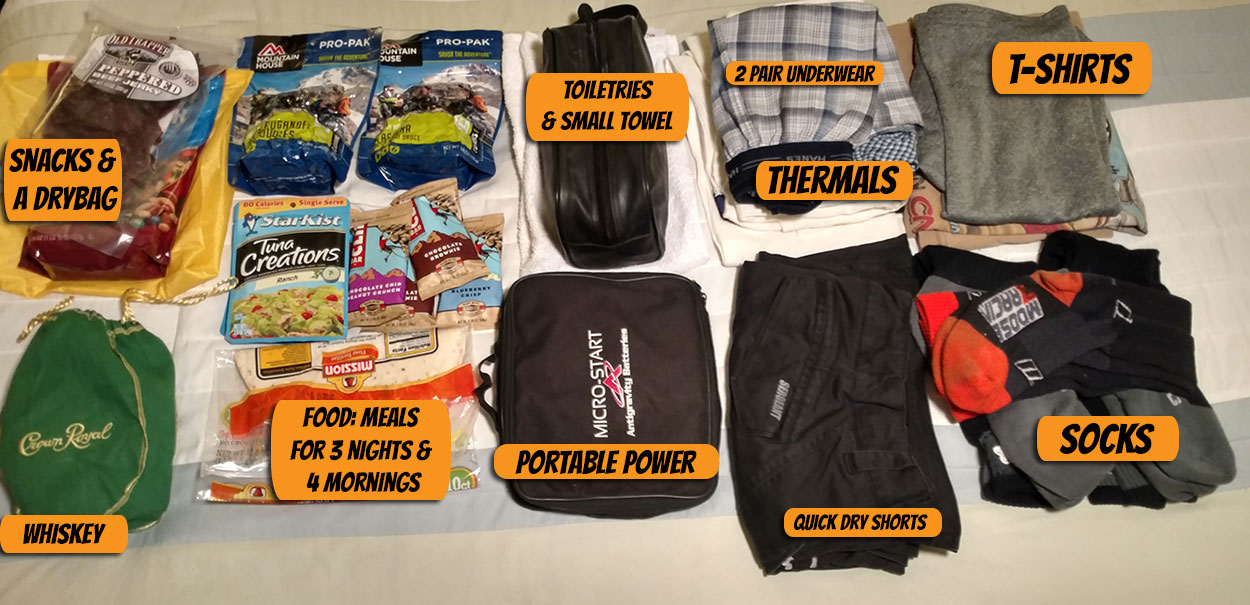
Credit: livelikepete.com
Packing Strategies For Motorcycle Camping
Packing is as important as what you bring. Poor packing can cause discomfort, make your bike unstable, or damage your gear.
Balance And Stability
Keep weight low and centered. Heavy items go near the seat, lighter items higher or toward the sides. Avoid packing all weight on one side.
Balance isn’t just about safety—it makes the ride smoother and more enjoyable. If your bike feels “off,” stop and repack. Uneven loads can cause handling problems, especially in wind or on rough roads.
Waterproofing
Always use dry bags or waterproof liners. Rain can soak gear quickly, especially sleeping bags and clothes.
For extra protection, line your bags with garbage bags or use pack covers. Even “waterproof” luggage can leak in a storm or at high speeds.
Accessibility
Pack items you’ll need during the day—like water, snacks, maps, and rain gear—in easy-to-reach locations. Store less-used items deeper in your bags.
If you have to dig for your rain jacket, you’ll get wet. Keep snacks and water within reach so you can take breaks without unpacking everything.
Luggage Types
| Luggage Type | Pros | Cons |
|---|---|---|
| Soft Saddlebags | Lightweight, flexible, affordable | Less protection, may sag |
| Hard Cases | Secure, waterproof, durable | Heavy, expensive, less flexible |
| Tank Bags | Easy access, quick removal | Small size, can block controls |
| Tail Bags | Extra capacity, simple mounting | Can affect balance |
Many riders mix bag types. For example, use hard cases for valuables and soft bags for clothes. Remember, anything strapped outside can get lost or damaged if not secured well.
Packing Order
Start with the heaviest, least-used items at the bottom and center. Place frequently used gear on top or in external pockets. Keep fragile or breakable items wrapped in clothes or padded compartments.
Common mistake:
Beginners often pack gear loosely, which shifts during riding. Use straps or compression sacks to secure everything tightly.
After a few trips, you’ll learn what you use most. Adjust your packing order to suit your habits. Always check bags at each stop to make sure nothing is coming loose.
Motorcycle Camping Checklist: Quick Reference
Here’s a condensed version to help you pack:
- Shelter: Tent, sleeping bag, pad, tarp, pillow
- Cooking: Stove, fuel, pot, utensils, water, filter, food, soap
- Clothing: Base, insulation, outer, rain, socks, camp shoes, personal hygiene
- Tools: Multi-tool, tire kit, pump, fuses, bulbs, chain lube, zip ties, duct tape, manual
- Navigation: Smartphone, GPS, paper map, charger, cables, whistle, beacon
- Safety: First aid, emergency blanket, firestarter, flashlight, bug spray, pepper spray, reflective vest
- Comfort: Chair, book, ear plugs, camera, cards, lantern

Credit: www.reddit.com
How To Choose The Right Gear
Not all gear is equal. The best gear balances weight, durability, and usefulness. Here’s what to look for:
Shelter
- Tent: Look for double-wall designs for rain protection. Check packed size; smaller is better. Two doors are useful.
- Sleeping bag: Choose synthetic for wet climates, down for dry. Check temperature rating.
- Pad: Inflatable pads offer comfort and insulation.
Some tents pack small but take longer to set up. Practice pitching your tent before your trip, especially if you might arrive at camp in the dark or rain.
Cooking
- Stove: Canister stoves are easier and safer for beginners. Liquid fuel stoves work in cold but are heavier.
- Pot: Aluminum pots are light but dent easily. Titanium is strong but expensive.
Multi-fuel stoves are great for international travel where gas canisters may not be available. For most trips, a basic canister stove is enough.
Clothing
- Base layers: Synthetic or merino wool dries fast.
- Rain gear: Test before your trip; leaks are miserable.
A lightweight down jacket is perfect for cold nights and packs smaller than a fleece. Rain pants are often forgotten but can make a big difference in comfort.
Tools
- Tire repair kit: Plug kits work for tubeless tires, patch kits for tubes. Know your tire type.
- Pump: Electric pumps are faster, but manual pumps never run out of battery.
Non-obvious insight:
Don’t buy ultra-light gear without checking durability. Some light tents and pads tear easily. Read reviews and test before your trip.
Some gear works for both camping and biking. For example, a compact flashlight can be used for repairs or as a camp lantern. Choose multi-purpose items to save space.
Common Mistakes In Motorcycle Camping
Learning from others’ mistakes saves you pain and money. Here are some pitfalls to avoid:
- Overpacking: Extra gear adds weight and reduces fun.
- Ignoring weather: Always check forecasts and pack for surprises.
- Bad packing: Loose gear shifts, causes instability, or gets lost.
- Skipping maintenance: Always inspect your bike before and during trips.
- Relying only on electronics: Batteries die. Carry analog backups.
- Not securing food: Animals and insects can invade your camp.
- Choosing gear by price alone: Cheap gear can fail at the worst time.
A less obvious mistake is not adjusting your plans if something goes wrong. Weather, breakdowns, or road closures can force changes. Be flexible and ready to adapt.
Advanced Tips For Experienced Riders
If you’re comfortable with basics, try these advanced ideas:
- Use a solar charger for longer trips.
- Mount a USB outlet on your bike for charging devices.
- Pack a small tarp for extra shade or rain cover.
- Carry a compact fishing kit if you camp near water.
- Bring spare keys and hide them on your bike (magnetic holders work well).
- Use modular packing: Group items by use (sleep, cook, ride).
Some experienced riders mail supplies to themselves at post offices along the route. This can lighten your load and provide a backup plan.
If you travel in a group, share gear like stoves or tents to save space. Share your route and check in regularly, especially in remote areas.
Example Packing Scenario
Imagine a 4-day motorcycle camping trip in the Rocky Mountains. You expect cold nights, rain, and long rides between campsites.
Packing priorities:
- Lightweight tent rated for rain and wind
- Sleeping bag rated to 20°F
- Inflatable pad for rocky ground
- Dehydrated meals and instant coffee
- Layered clothing: Base, fleece, rain jacket
- Waterproof soft saddlebags
- Multi-tool, tire kit, electric pump
- Smartphone with offline maps, paper backup
- First aid kit, reflective vest, emergency blanket
- Camp chair, book, camera
You pack clothes in dry bags, food in sealed containers, and keep your rain gear on top. Tools and emergency gear go in the side bags. Navigation equipment is accessible in your tank bag. You check tire pressure daily, secure your camp at night, and keep a whistle and flashlight within reach.
Each morning, you repack, making sure nothing is forgotten. At camp, you set up your tent first, then make a hot drink while reviewing the next day’s route. If the weather changes, you adjust your layers and check your gear for leaks or damage.
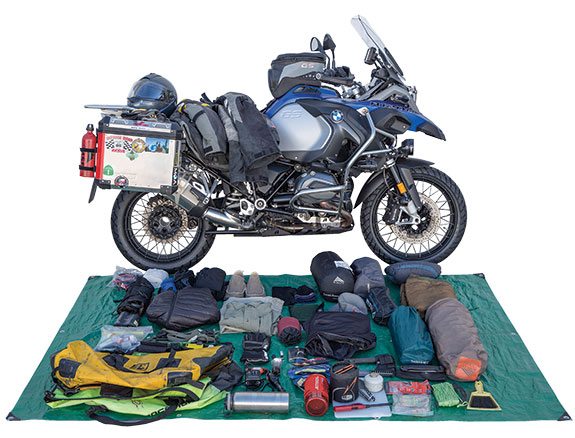
Credit: ridermagazine.com
Weather Preparation And Adaptation
Weather can change quickly. Prepare for rain, cold, heat, and wind.
- Rain: Waterproof tent, rain gear, dry bags.
- Cold: Insulated sleeping bag, layers, hat, gloves.
- Heat: Light clothing, sunblock, extra water.
- Wind: Sturdy tent, secure all gear.
Check forecasts before you leave and adapt plans if needed.
A simple tip is to always have one dry change of clothes sealed in a bag—save these for sleeping. If you wake up dry and warm, you’ll enjoy your ride much more.
On very hot days, wet a buff or shirt in cold water and wear it under your jacket for instant cooling. In cold weather, eat a hot meal before bed to help your body stay warm overnight.
Safety And Security
Protect yourself and your gear:
- Camp in visible, legal sites.
- Lock your bike and secure valuables.
- Use a personal locator beacon in remote areas.
- Keep emergency contacts accessible.
- Don’t leave food or trash out.
If you’re camping alone, let someone know your plans. Use a small lock for your tent zippers to deter curious animals or people. At night, keep your shoes and flashlight within reach for quick exits.
Environmental Responsibility
Respect nature:
- Pack out all trash.
- Use biodegradable soap.
- Avoid disturbing wildlife.
- Camp on durable surfaces.
- Follow local regulations.
Even small actions make a difference. For example, pouring soapy water at least 200 feet from streams keeps water sources clean. If you build a fire, use existing fire rings and keep flames small.
For more details on responsible camping, visit National Park Service.
Frequently Asked Questions
What Is The Most Important Item For Motorcycle Camping?
The tent is the most important item. It protects you from rain, wind, and insects. Without shelter, camping can quickly become uncomfortable or unsafe, especially in bad weather.
How Do I Pack Everything On My Motorcycle?
Use saddlebags, tank bags, and tail bags to distribute weight evenly. Keep heavy items low and centered, and make sure all bags are waterproof. Secure everything tightly with straps or compression sacks.
What Food Is Best For Motorcycle Camping?
Dehydrated meals, instant oatmeal, and energy bars are best. They are light, easy to prepare, and have a long shelf life. Avoid cans and heavy foods. Pack enough water and a filter if you’ll use wild sources.
How Do I Stay Safe While Camping?
Carry a first aid kit, emergency blanket, and firestarter. Camp in safe, legal locations, lock your bike, and keep valuables hidden. Use a personal locator beacon or emergency whistle for remote areas.
What Are Common Mistakes To Avoid?
Common mistakes include overpacking, bad packing, skipping maintenance, and relying only on electronics. Always check forecasts, pack for changing weather, and carry analog backups like paper maps.
—
Motorcycle camping is a rewarding way to explore the world. With the right gear, smart packing, and careful planning, you can enjoy adventures that few others experience. Use this checklist as your foundation. Adapt it to your needs, learn from each trip, and keep improving.
The road, the campfire, and the stars are waiting for you.
