
Wild camping is more than just sleeping outside—it’s a true escape from busy city life. Imagine waking up to birds singing, the smell of fresh air, and no crowds around you. For many people, wild camping is the best way to connect with nature, find peace, and challenge themselves.
But it’s also a practice that needs skill, respect, and careful planning.
This guide will teach you everything you need to know about wild camping. From legal rules and safety tips to gear advice and real-life stories, you’ll get a full picture of what wild camping is, why people love it, and how to do it responsibly.
Whether you’re new or experienced, you’ll discover insights that help you make the most of your time outdoors.
What Is Wild Camping?
Wild camping means camping outside official campsites, usually in forests, mountains, or remote areas. Unlike regular camping, you don’t have marked spots, facilities, or sometimes even neighbors. You pick your own location, set up your tent, and enjoy nature undisturbed.
This style of camping is popular in places where people seek adventure and solitude. Wild camping is common in countries like Scotland, Sweden, and Canada, where vast wilderness areas exist. It’s also called dispersed camping or free camping in some regions.
Key Differences: Wild Camping Vs Regular Camping
Wild camping stands apart from standard camping in several ways:
| Wild Camping | Regular Camping |
|---|---|
| No marked campsites | Designated spots |
| No facilities | Bathrooms, showers, water |
| Remote locations | Often crowded |
| Requires self-sufficiency | Facilities available |
| Closer to nature | More structured experience |
Wild camping is about independence. You carry everything you need and leave no trace behind.
Legal Aspects And Local Rules
Wild camping laws change from place to place. It’s important to know the rules before you set out, because breaking them can lead to fines or trouble with landowners.
Where Is Wild Camping Allowed?
- Scotland: Wild camping is mostly legal under the Scottish Outdoor Access Code. You can camp in most unenclosed land, but respect nature and locals.
- Sweden & Norway: “Right of Public Access” lets you camp almost anywhere, but you must follow strict guidelines.
- United States: Wild camping is allowed in many national forests and Bureau of Land Management (BLM) lands, but not in national parks.
- Australia: Some national parks allow wild camping, but many areas are restricted.
In other countries, wild camping is often illegal or allowed only with permission.
How To Avoid Legal Problems
- Check local laws before you go. Many areas have websites or signs explaining rules.
- Ask landowners if you’re on private property.
- Avoid protected zones like wildlife reserves, historic sites, or heavily used parks.
- Follow “leave no trace” principles to avoid complaints.
- Move on quickly—staying in one place too long can attract attention.
Non-obvious insight: Even in places where wild camping is legal, local restrictions may apply during certain seasons (like fire bans in summer).
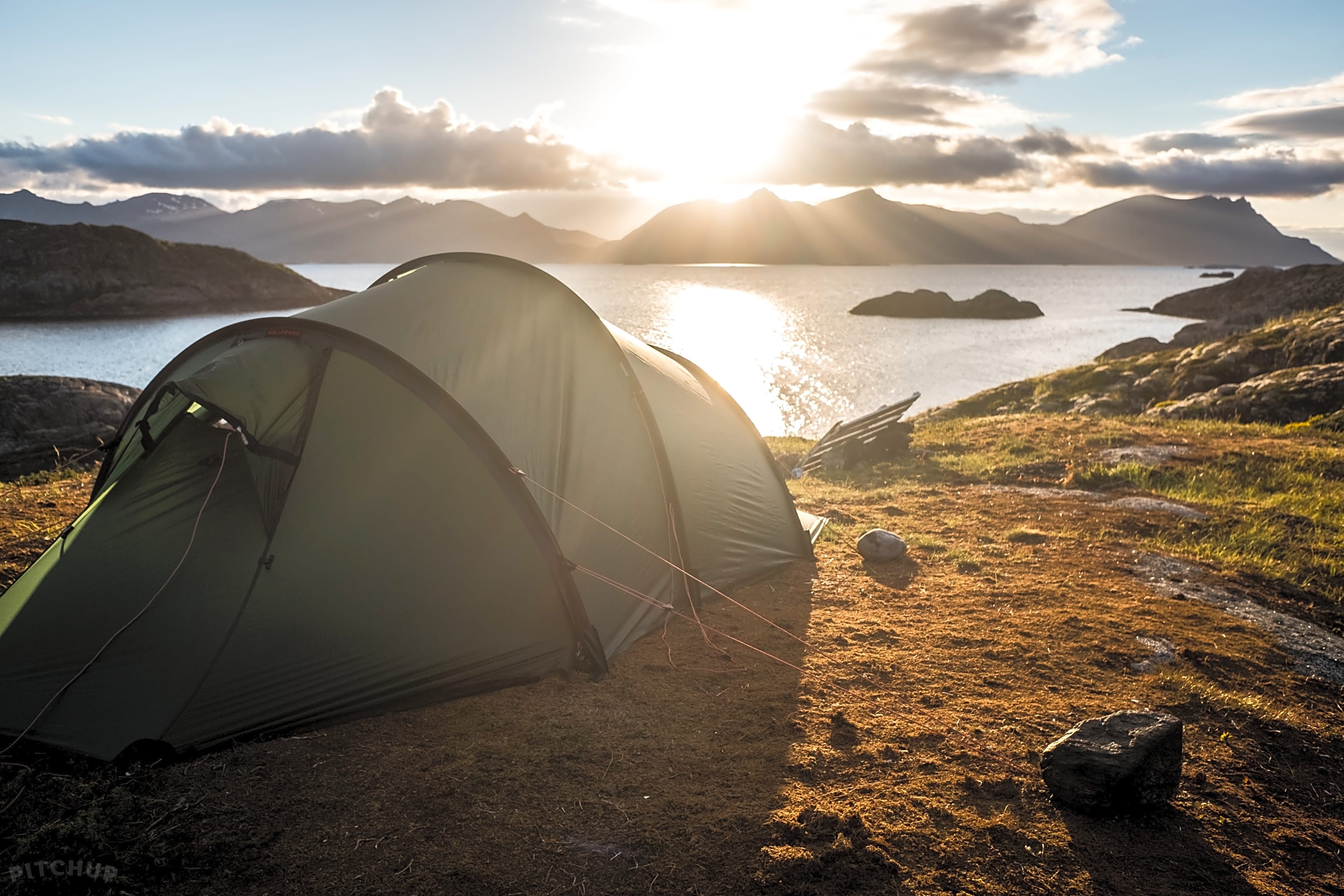
Credit: www.pitchup.com
Essential Gear For Wild Camping
The right gear can make your wild camping trip safe and comfortable. Unlike regular camping, you need to be fully self-reliant.
Wild Camping Gear Checklist
- Lightweight tent or bivvy bag—easy to carry and quick to set up.
- Sleeping bag and mat—choose insulation for your climate.
- Backpack—large enough for all gear, but not too heavy.
- Water filter or purification tablets—essential if there’s no clean water nearby.
- Portable stove and fuel—for cooking and warmth.
- Food—dehydrated meals, energy bars, nuts.
- Headlamp or flashlight—with extra batteries.
- First aid kit—including bandages, antiseptic, painkillers.
- Map and compass—GPS is good, but batteries can die.
- Multi-tool or knife—for repairs and food prep.
- Weatherproof clothing—layers, rain jacket, hat.
- Trash bags—to carry out all waste.
Comparing Gear Types
Different gear types work best in different environments. Here’s a quick comparison:
| Gear Type | Best For | Drawback |
|---|---|---|
| Bivvy bag | Solo trips, minimalists | Less comfort, limited space |
| Lightweight tent | All-round use | Heavier, more setup time |
| Hammock | Forests, warm weather | Needs trees, cold at night |
Experienced wild campers often choose gear based on terrain and weather. For example, a bivvy bag is ideal for rocky hills, while a tent suits open fields.
Non-obvious Gear Tips
- Silnylon tarps provide shelter and weigh little.
- Carry spare tent stakes—ground can be rocky or sandy.
- Bring extra water containers. You may need to carry water long distances.
Planning Your Wild Camping Trip
Good planning is key to a safe and fun experience. Wild camping can be risky if you don’t prepare well.
Picking The Right Location
Choose your camping spot carefully:
- Remote but accessible: Avoid places too far from roads in case of emergency.
- Flat ground: Sleeping on slopes is uncomfortable and unsafe.
- Away from water sources: Camp at least 200 feet from lakes or streams to protect wildlife.
- Sheltered spots: Trees or rocks can shield you from wind.
- Not visible from trails: Privacy is important for wild camping.
Weather And Season
Check weather forecasts before you go. Wild camping in bad weather can be dangerous.
- Summer: More daylight, but risk of bugs and heat.
- Winter: Fewer bugs, but cold nights and snow.
- Spring/Fall: Ideal for mild temperatures.
Non-obvious insight: In some regions, wild camping in spring means dealing with melting snow and muddy ground. Always check trail conditions.
Route Planning
Plan your hike or travel route:
- Mark entry and exit points.
- Estimate travel time—wild terrain slows you down.
- Identify backup campsites in case your first choice is occupied.
Safety And Health Tips
Wild camping puts you in direct contact with nature. It’s important to stay safe and healthy.
Risks Of Wild Camping
- Wildlife encounters: Bears, snakes, or insects can be dangerous. Store food away from your tent.
- Weather hazards: Sudden storms, floods, or heat waves.
- Getting lost: Without marked paths, navigation is harder.
- Injury: Falls, cuts, or burns can happen far from help.
How To Stay Safe
- Tell someone your plans—share route and expected return time.
- Carry emergency gear—whistle, signaling mirror, and phone.
- Use proper food storage—bear-proof containers if needed.
- Check for ticks—especially in forests.
- Know basic first aid—how to treat wounds, bites, and shock.
- Avoid risky water sources—always purify water.
Data: Common Wild Camping Injuries
According to a 2022 outdoor safety study:
| Injury Type | Percent of Cases |
|---|---|
| Sprains and strains | 34% |
| Cuts and abrasions | 21% |
| Insect bites | 17% |
| Burns | 8% |
| Other | 20% |
Non-obvious insight: Most injuries happen at night, when visibility is low. Always keep a light source handy.
Leave No Trace Principles
Wild camping is a privilege, not a right. To protect nature, campers must follow leave no trace rules.
Seven Leave No Trace Principles
- Plan ahead and prepare: Know your route, weather, and regulations.
- Travel and camp on durable surfaces: Avoid fragile plants and soil.
- Dispose of waste properly: Pack out all trash, food scraps, and toilet paper.
- Leave what you find: Don’t pick flowers or disturb rocks.
- Minimize campfire impact: Use stoves, not open fires if possible.
- Respect wildlife: Observe from a distance.
- Be considerate of others: Keep noise down and leave space for future campers.
Practical Leave No Trace Examples
- Use a trowel to bury human waste at least 6 inches deep, 200 feet from water.
- Collect food wrappers and even micro-trash like bottle caps.
- Avoid soap in streams—even biodegradable soap can harm aquatic life.
Non-obvious insight: In some popular wild camping areas, authorities now require campers to carry out all waste, including human waste, using special bags.
Food And Water Management
Good food and water planning keeps you energized and healthy in the wild.
Food Choices For Wild Camping
Choose foods that are lightweight, nutritious, and easy to prepare:
- Freeze-dried meals: Light, long shelf life.
- Energy bars: Quick snacks.
- Nuts and dried fruit: Healthy, calorie-dense.
- Instant soup or noodles: Easy to cook.
- Hard cheeses and cured meats: Last longer without refrigeration.
Water Management
Finding clean water is often a challenge. Here’s how to manage:
- Scout water sources before your trip—streams, lakes, springs.
- Carry a filter or tablets—never drink untreated water.
- Pack extra water if sources are scarce.
Non-obvious insight: In dry areas, morning dew can sometimes be collected using cloths and wrung out for drinking (though this is slow and only a backup method).
Campfire And Cooking Tips
Many wild campers love the warmth and comfort of a campfire, but fires can be dangerous and are often restricted.
Campfire Safety
- Check local fire bans before lighting any fire.
- Use existing fire rings if possible.
- Keep fires small—don’t burn large logs.
- Always have water or sand nearby to put out the fire.
- Never leave a fire unattended.
Cooking In The Wild
Most wild campers use portable stoves:
- Gas stoves: Fast and easy, but you need to carry fuel.
- Alcohol stoves: Lightweight, but slower to cook.
- Solid-fuel stoves: Simple and reliable.
Non-obvious insight: In windy areas, build a windbreak with rocks or use a stove shelter for safer cooking.

Credit: www.10milehike.com
Dealing With Wildlife
Wild animals are part of the wild camping experience, but you must respect them and stay safe.
Common Animals In Wild Camping Areas
- Deer and elk: Usually harmless, but can wander into campsites.
- Bears: Attracted to food—store supplies away from tent.
- Foxes and raccoons: Will steal food if left unattended.
- Snakes: Be careful around rocks and logs.
How To Avoid Trouble
- Keep food sealed and away from sleeping area.
- Make noise while walking—animals avoid humans.
- Do not feed wildlife—it’s dangerous and illegal in many places.
- Check campsite for animal tracks before setting up.
Non-obvious insight: Some wild campers use odor-proof bags to store food. These bags reduce smells that attract animals.
Solo Vs Group Wild Camping
Wild camping can be done alone or with others. Each has benefits and challenges.
Solo Camping
- Freedom: You choose your route and schedule.
- Peace: Enjoy nature without distractions.
- Risks: Harder to handle emergencies; loneliness.
Group Camping
- Safety in numbers: Emergencies are easier to manage.
- Shared gear: Less weight per person.
- Social experience: Share stories and tasks.
Many campers start with groups and later try solo trips when they gain confidence.
| Solo Camping | Group Camping |
|---|---|
| Full independence | Shared responsibility |
| Higher risk | Safer overall |
| Quiet, reflective | Social, active |
Non-obvious insight: Some people find solo wild camping more rewarding, but it can be mentally challenging, especially at night.
Real Wild Camping Stories
Stories from experienced campers can teach valuable lessons. Here are two true examples:
A Night In The Scottish Highlands
Emma, a wild camper from Edinburgh, once camped in the Scottish Highlands. She found a flat spot near a small stream, set up her tent, and enjoyed the sunset. That night, strong winds shook her tent, and she realized she had picked a spot too exposed. She moved to a sheltered area behind rocks and slept well. Her tip: “Always check wind direction and shelter before pitching your tent.”
First Time Alone In Sweden
Johan, a student, tried wild camping alone in Sweden. He planned carefully, brought extra food, and picked a quiet lakeside spot. At night, he heard strange noises but stayed calm. In the morning, he found deer tracks—his food was safe thanks to odor-proof bags.
Johan says, “Don’t let fear spoil your trip. Most animals aren’t interested in you, just your food. ”
Environmental Impact And Conservation
Wild camping can affect nature if not done responsibly. It’s important to minimize your impact and help protect wild places.
How Wild Camping Affects Nature
- Soil erosion: Repeated camping in one spot damages ground.
- Waste pollution: Trash and human waste harm plants and animals.
- Disturbed wildlife: Animals change their behavior when humans are nearby.
How To Camp Responsibly
- Rotate campsites: Don’t camp in the same spot repeatedly.
- Pack out everything: Including biodegradable items.
- Avoid loud noises: Keep nature peaceful for animals.
- Educate others: Share leave no trace tips with fellow campers.
Non-obvious insight: Some wild camping areas now require permits to limit numbers and protect fragile environments. Always check before you go.
Wild Camping And Technology
Modern technology can help wild campers plan, navigate, and stay safe—but it’s not a replacement for basic skills.
Useful Apps And Gadgets
- GPS devices and maps: Help track routes and find campsites.
- Weather apps: Give real-time updates.
- Solar chargers: Keep phones and devices powered in remote areas.
- Emergency beacons: Signal for help if needed.
Limits Of Technology
- Batteries can die—always have backups like a compass and paper map.
- Signals may be weak in remote areas.
- Technology can distract from nature—use wisely.
Non-obvious insight: Some wild campers use offline maps downloaded before the trip. This way, they can navigate even with no cell signal.
Common Mistakes And How To Avoid Them
Even experienced campers make mistakes. Here are some frequent errors and how to prevent them:
- Poor site choice: Too close to water or trails. Solution: Pick secluded, flat ground.
- Overpacking: Carrying too much gear. Solution: Pack only essentials.
- Ignoring weather forecasts: Leads to discomfort or danger. Solution: Always check weather before leaving.
- Leaving trash: Damages nature and reputation. Solution: Pack out all waste.
- Bad navigation: Getting lost. Solution: Practice map reading and use multiple navigation tools.
Non-obvious insight: Beginners often forget to pack extra socks. Wet feet are uncomfortable and lead to blisters.
Wild Camping For Beginners
If you’re new to wild camping, start simple and build confidence.
Beginner Tips
- Try one night first: Don’t attempt long trips immediately.
- Go with friends: Learn together and share knowledge.
- Pick easy locations: Near home or known trails.
- Borrow gear: Test before buying expensive equipment.
Building Skills
- Practice setting up tents and cooking at home.
- Learn basic first aid and navigation.
- Study leave no trace principles.
Non-obvious insight: Some beginners find wild camping easier in autumn, when bugs are fewer and nights are cool but not cold.
Wild Camping Worldwide
Wild camping is popular in many countries, but rules and experiences vary.
Notable Wild Camping Destinations
- Scotland: Open access, beautiful landscapes.
- Sweden: Lakes, forests, and “right to roam.”
- United States: National forests, deserts, mountains.
- New Zealand: Diverse terrain, strict rules.
Each destination has its own culture and guidelines. Research before you go.
wikipedia: Wild Camping

Credit: www.roadtoframe.com
Frequently Asked Questions
What’s The Difference Between Wild Camping And Regular Camping?
Wild camping means camping outside official sites, often in remote areas without facilities. Regular camping is done in designated locations with bathrooms, water, and sometimes electricity.
Is Wild Camping Legal Everywhere?
No. Wild camping laws depend on the country and region. Some places allow it freely, others require permission, and many ban it. Always check local rules before camping.
How Can I Stay Safe While Wild Camping?
Tell someone your plans, carry emergency gear, use proper food storage, and know basic first aid. Avoid risky areas and always check weather before your trip.
What Should I Do With Waste While Wild Camping?
Follow leave no trace principles: pack out all trash, bury human waste at least 6 inches deep and 200 feet from water, or use special bags if required.
Can I Wild Camp Alone?
Yes, many people wild camp solo. It offers freedom and peace, but also more risk. Start with short trips, build skills, and always prioritize safety.
Wild camping is a unique adventure. It offers freedom, peace, and a closer connection to nature. But it demands respect, skill, and careful planning. By following the advice in this guide, you’ll be ready to enjoy wild camping while protecting the wild places you visit.
Whether you camp alone or with friends, the memories you make will last a lifetime.
