
Camping brings people closer to nature. But food planning can make or break your adventure. If you choose well, meals become moments of joy, not stress. Whether you’re hiking deep into the woods or relaxing at a lakeside camp, the right foods mean less hassle, less spoilage, and more energy. Many campers face the same questions: What should I pack? How do I keep it simple but tasty? Which foods stay fresh? Here, you’ll find practical advice, smart tips, and real examples for choosing camping foods that fit every style—from car camping to backpacking.
Understanding Camping Food Needs
Camping is not just about fun. It’s about being prepared. Your food choices must fit your trip. Are you hiking long distances? Do you have a cooler? Are you cooking over a fire, stove, or just eating cold? Knowing your trip details helps you decide what foods to bring.
If you’re camping with children or people new to the outdoors, remember that simple foods work best. Complicated meals often go wrong in nature. Also, weather can change your plans. Rain or wind might make cooking harder, so always have backup snacks or no-cook meals.
Nutrition And Energy
Camping means you burn more calories than usual. Your body needs carbohydrates, proteins, and fats to stay strong. For example, hiking burns about 300–600 calories per hour. So, pack foods that give lasting energy, like nuts, dried fruit, and whole grains.
Don’t forget micronutrients. Vitamins and minerals matter, too. A few apples or oranges help prevent fatigue and boost your immune system. Adding some whole grain crackers or brown rice can keep your energy steady, especially on long hikes.
Some people think only high-calorie foods matter, but balanced meals help you feel better. For instance, protein supports muscle recovery after a long hike, and healthy fats (like those in nuts or olive oil) keep you full longer.
Storage And Shelf Life
No fridge? Choose foods that don’t spoil fast. Dry or canned items last longer. If you have a cooler, you can bring perishable foods like fresh vegetables and meat. But always check their shelf life—most fresh foods last only 2–3 days in a cooler.
Humidity and heat can reduce shelf life. For example, bread may mold faster in humid climates. Hard cheeses last longer than soft cheeses because they have less moisture. If you’re backpacking, avoid glass jars and heavy cans; they add weight and create more trash.
Cooking Equipment
Do you have a camp stove, grill, or just a fire? Your equipment shapes what you can cook. For example, pasta needs boiling water; canned soup only needs heating. If you have no way to cook, focus on ready-to-eat foods.
Some campers use solar ovens or portable grills for variety. If you bring a stove, check that you have enough fuel. Even simple meals like instant noodles won’t work if you run out of gas. Always test your gear before leaving home.
Best Foods To Bring Camping
Every camping trip is unique. But some foods work well for almost every situation. Here are categories and examples to help you build your menu.
1. Non-perishable Foods
These foods don’t need a fridge. They are easy to pack and safe for most trips.
- Instant oatmeal packets: Quick breakfast, just add hot water.
- Granola bars: Energy for hiking, no cooking needed.
- Peanut butter: High protein and fat, spreads well on bread or crackers.
- Canned tuna or chicken: Protein source, lasts months.
- Dried fruit: Sweet snack, no spoilage.
- Trail mix: Combines nuts, seeds, and dried fruit for balanced energy.
- Jerky (beef, turkey, or vegan): High protein, very shelf-stable.
You can also add instant mashed potatoes or powdered soup mixes. They’re lightweight and filling. If you want variety, bring some shelf-stable hummus or single-serve nut butter packs.
2. Fresh Foods (with Cooler)
If you have a cooler, you can bring some fresh items. But use them early in your trip.
- Eggs (in a sturdy container): For breakfast or baking.
- Cheese: Hard cheeses last longer than soft ones.
- Fresh vegetables: Carrots, bell peppers, cucumbers—these stay fresh for days.
- Fruits: Apples, oranges, grapes—avoid berries, which spoil fast.
- Milk (small cartons or powdered): For coffee or cereal.
Some campers pre-cut vegetables at home and pack them in resealable bags. This saves time and reduces mess. Leafy greens wilt quickly, so use them on the first day. For more luxury, try cherry tomatoes or mini cucumbers—they last longer and add crunch.
3. Easy-to-cook Meals
Some foods are simple to cook at camp, even with basic equipment.
- Instant noodles: Fast, filling, easy to flavor.
- Soup packets or canned soup: Just heat and eat.
- Rice and pasta: Bring quick-cooking types.
- Couscous: Only needs hot water, cooks in 5 minutes.
- Pre-cooked sausages or hot dogs: Heat over the fire.
Other options include instant polenta or freeze-dried meals (just add water). If you want more flavor, bring small packs of tomato sauce or pesto. Remember, a simple one-pot meal can save time and clean-up.
4. Snacks And Quick Bites
Snacks keep you fueled between meals. Choose items that don’t melt or crumble easily.
- Crackers: Pair with cheese or spreads.
- Popcorn (uncooked, for fire popping): Fun and light.
- Protein bars: For extra energy.
- Chocolate (dark, less likely to melt): Sweet treat for morale.
Sunflower seeds, pretzels, and roasted chickpeas are also good. If you like something savory, try mini salami sticks or roasted seaweed sheets. These keep well and add variety to your snack mix.
5. Hydration And Drinks
Staying hydrated is vital. Bring easy drink options.
- Water (large bottles or jugs): Most important item.
- Sports drinks: For electrolyte balance.
- Instant coffee or tea: For mornings.
- Powdered drink mixes: Flavor and vitamins.
If you’re unsure about water sources, pack a water filter or purification tablets. Herbal teas can help you relax in the evening, and powdered milk or cocoa gives comfort on cold nights.
Planning Meals For Camping
It’s tempting to bring too much or too little. Meal planning helps you pack just enough. Here’s a simple framework.
Sample 3-day Camping Menu
| Meal | Day 1 | Day 2 | Day 3 |
|---|---|---|---|
| Breakfast | Oatmeal, fruit | Eggs, toast | Granola bars, coffee |
| Lunch | Sandwich, chips | Wraps, carrots | Canned tuna, crackers |
| Dinner | Grilled sausages, vegetables | Pasta with tomato sauce | Couscous, beans |
| Snacks | Trail mix, chocolate | Popcorn, jerky | Protein bar, dried fruit |
This plan covers all nutrition needs, uses fresh foods early, and shifts to non-perishable foods later.
If you want more variety, swap in pancakes for one breakfast or bring instant rice for a side dish. For longer trips, rotate snack options to avoid “food fatigue”—when you get bored of eating the same thing.
Portion Sizes
A common mistake is underestimating food needs. Adults need about 2,000–2,500 calories per day when camping. For hiking, you may need more. Pack extra snacks for emergencies.
Kids may not eat as much at one time but will snack more often. Track how much your group eats on day one, and adjust your meals for the rest of the trip. It’s better to bring a little more than to run out, but avoid large leftovers that go to waste.
Packing Tips
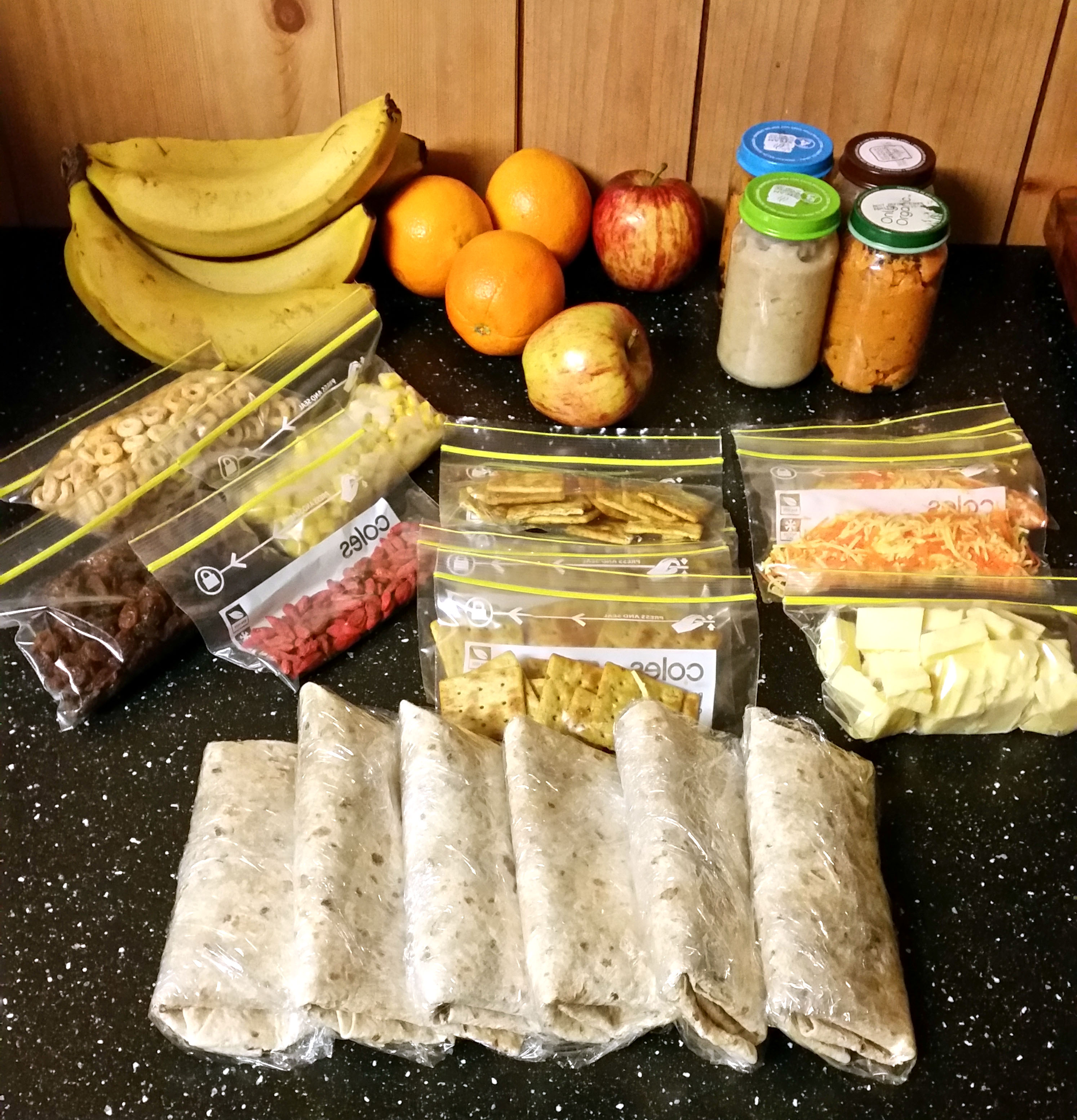
- Use zip-top bags for dry items.
- Pack food by meal—breakfast, lunch, dinner.
- Label containers to find items quickly.
- Keep snacks in a reachable spot.
Another smart tip: keep one bag for “today’s meals.” This avoids digging through all your food each time. Use color-coded bags or containers to make it easy for everyone in your group.
Foods To Avoid When Camping
Not every food is camping-friendly. Some spoil fast, others attract animals, and some are simply too messy.
High-risk Perishables
- Raw meat or fish: Spoils quickly, risky without a cold source.
- Soft cheeses: Mold and bacteria grow fast.
- Cream-based sauces: Needs refrigeration, can sour.
Yogurt, mayonnaise, and salad dressings are also risky unless you have a reliable cooler. If you do bring them, use them on the first day.
Messy Or Difficult Foods
- Foods with strong smells: Attract wildlife, especially bears.
- Foods that need long cooking times: Waste fuel and time.
- Sticky or crumbly foods: Make cleanup harder.
Anything that requires deep frying or boiling for a long time is usually a bad idea at camp. Sticky foods like syrup can attract insects and are hard to clean.
Foods That Attract Animals
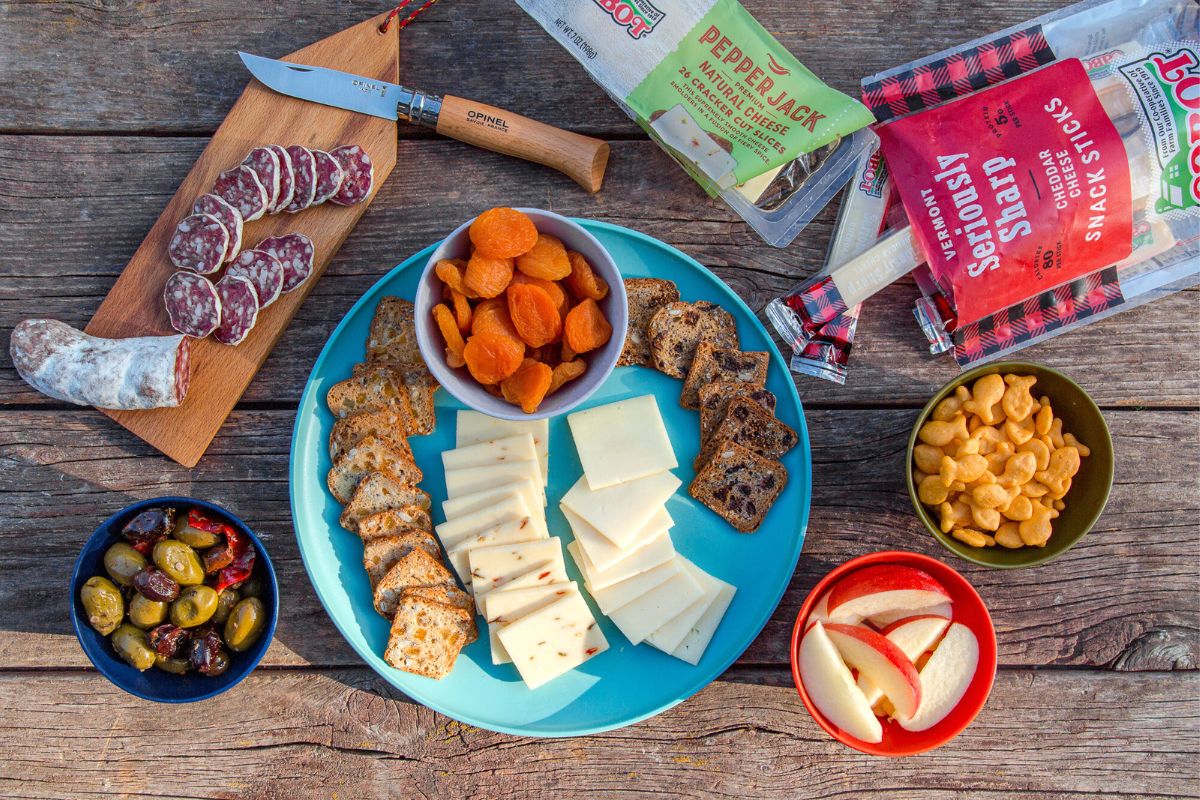
Animals have strong senses. Avoid foods with intense odors, like bacon or fish. Always store food in bear-proof containers or hang bags in trees if camping in wild areas.
Even snacks like chips and granola bars can attract raccoons or squirrels. Never leave food wrappers out—they hold smells, too. If you’re in bear country, learn local rules and follow all guidelines.
Credit: www.freshoffthegrid.com
Special Diets And Camping Food
Camping with dietary needs takes extra care. But it’s possible to eat well with allergies, vegan diets, or gluten-free needs.
Vegan And Vegetarian Choices
- Hummus (packaged)
- Veggie burgers (pre-cooked)
- Chickpeas, lentils (canned or dry)
- Nuts and seeds
Oat milk, almond butter, and energy bites made with dates and seeds are also great. For hot meals, bring instant lentil soup or freeze-dried vegan stews.
Gluten-free Options
- Rice cakes
- Corn tortillas
- Quinoa
- Gluten-free pasta
Some gluten-free campers bring polenta, buckwheat, or gluten-free instant oatmeal. Check all labels to make sure there’s no cross-contamination, especially in snacks.
Food Allergies
If you or someone in your group has allergies, pack safe foods and keep them separate. Always check labels for hidden ingredients.
Let your group know about any allergies before the trip. Bring an epinephrine auto-injector if needed, and review how to use it. Avoid sharing utensils to prevent cross-contact.
Cooking Methods For Camping Food
How you cook changes what you can eat. Here are the most popular camp cooking methods and what foods fit each.
Campfire Cooking
Classic campfire meals include:
- Roasted marshmallows
- Hot dogs
- Corn on the cob
- Foil packet meals (vegetables, meat, and spices wrapped in foil)
Foil meals are easy and mess-free. You can prepare them at home and keep them cold until cooking. Try adding herbs, olive oil, or a squeeze of lemon for extra flavor.
Portable Stove Cooking
Stoves are fast and efficient. They work well for:
- Boiling water for coffee or oatmeal
- Cooking pasta or rice
- Frying eggs or pancakes
- Heating canned soups
Remember to bring extra fuel. Wind screens for stoves help cooking go faster and save fuel on breezy days.
No-cook Meals
Sometimes, you don’t have time or equipment to cook. No-cook options include:
- Sandwiches
- Wraps
- Salads (with canned beans or veggies)
- Ready-made meals (like tuna and crackers)
For variety, add pickles, olives, or sliced avocado (on the first day). Cereal with powdered milk is also an easy breakfast or snack.
Credit: simpletoddlerrecipes.com
Packing And Storing Camping Food
Packing food the right way keeps it safe and easy to use. Here are proven strategies.
Safe Storage Tips
- Use airtight containers to keep food fresh.
- Store food away from sleeping areas.
- If camping in bear country, use bear-proof boxes or hang food in trees.
Double-bag strong-smelling foods. Store all food, trash, and toiletries together so you don’t forget anything at night.
Cooler Efficiency
Coolers work best if you:
- Pre-chill all foods.
- Use block ice—it lasts longer than cubes.
- Keep the cooler in shade.
- Open the cooler only when needed.
Layer food by use: tomorrow’s meals go at the bottom, today’s on top. Freeze water bottles—they keep food cold and give you extra water as they melt.
Smart Packing
- Place heavy items at the bottom.
- Use zip-top bags for snacks.
- Bring extra bags for trash.
If you need to hike with your food, divide it into daily rations so you only carry what you need each day.
Comparing Camping Foods: Shelf Life And Nutrition
Choosing the right foods means comparing their shelf life and nutrition. Here’s a quick look.
| Food Type | Average Shelf Life (Camping) | Calories per 100g | Protein per 100g |
|---|---|---|---|
| Trail mix | 2–4 weeks | 450 | 10g |
| Beef jerky | 2–3 months | 300 | 33g |
| Instant oatmeal | 6 months | 370 | 13g |
| Canned tuna | 1–2 years | 130 | 23g |
| Granola bar | 6–12 months | 400 | 7g |
| Hard cheese | 1–2 weeks (cooler) | 400 | 25g |
This comparison shows why trail mix and jerky are popular—they last long and give lots of energy.
For more nutrition, add seeds (pumpkin, sunflower) to your trail mix. If you’re watching sodium, choose low-salt jerky or dried fruit.
Real-world Tips For Camping Food Success
Many campers miss small but important details. Here are insights you won’t find in basic guides.
1. Repackage Foods Before The Trip
Manufacturers use bulky packaging. Repack foods into smaller bags or containers. This saves space and reduces trash.
Label each bag with the meal or day. This makes it easier to find what you need, especially at night or in bad weather.
2. Freeze Foods For Day One
If you bring meat or veggies, freeze them before leaving. They act as extra ice for the cooler and stay fresh longer.
Frozen items help keep other foods cold. Even if they thaw on day one, they are safe to eat if cooked right away.
3. Bring Simple Seasonings
Salt, pepper, and a few spices make bland meals tasty. Small containers work best.
Garlic powder, chili flakes, or a small bottle of hot sauce can turn a plain meal into a treat. Pre-mix your favorite spice blends at home.
4. Use Multi-purpose Foods
Some foods do double duty. For example, tortillas work for breakfast wraps, lunch sandwiches, and dinner quesadillas.
Peanut butter is both a breakfast spread and a snack with apple slices. Hard cheese goes on sandwiches or melts into pasta.
5. Don’t Overpack
It’s easy to bring too much food. Stick to your meal plan. Extra food means extra weight and more waste.
Keep one emergency meal (like instant soup) in case your trip takes longer than planned. Otherwise, less is more.
Sample Packing List For A 3-day Trip
Here’s an example packing list for a group of four campers. Adjust based on your group size and tastes.
- 12 oatmeal packets
- 8 granola bars
- 2 jars peanut butter
- 8 cans tuna/chicken
- 2 bags trail mix
- 2 bags dried fruit
- 2 packs beef jerky
- 1 loaf bread
- 1 pack tortillas
- 2 dozen eggs
- 2 blocks hard cheese
- 1 bag carrots
- 4 apples
- 4 oranges
- 2 bags chips/crackers
- 2 packs instant noodles
- 2 packs pasta/couscous
- 4 cans soup
- 1 bag popcorn kernels
- 1 bottle cooking oil
- Salt, pepper, spice mix
- 2 large water jugs
- 1 pack instant coffee/tea
- Trash bags
This list covers breakfast, lunch, dinner, snacks, and drinks for most common needs.
To save space, remove bulky packaging before packing. If you plan to fish, bring minimal gear and seasoning. For kids, add a few extra snacks or fun treats.
Mistakes To Avoid When Bringing Camping Food
Even experienced campers make food mistakes. Avoid these common errors:
Packing Too Much
Extra food adds weight. It’s better to pack just enough. Stick to your meal plan and bring a few emergency snacks.
If you’re car camping, space is less of a problem, but you still don’t want wasted food. Weigh each food bag before you leave to avoid surprises.
Ignoring Food Safety
If food gets warm for too long, bacteria grows. Don’t risk it—eat perishables early and keep coolers closed.
Never leave food out in the sun. If ice melts, drain water from the cooler to keep foods from getting soggy.
Forgetting Storage Needs
Wildlife can smell food from far away. Never leave food in your tent. Use proper storage methods.
Keep a checklist of what to store each night. Some campers use a “bear hang” kit or lockable food box.
Skipping Hydration
Food is important, but water is vital. Always bring more water than you think you need.
If you’ll use streams or lakes, know how to purify water safely. Dehydration can ruin a trip faster than hunger.
Not Considering Allergies
Double-check all foods for hidden allergens. Keep allergy-safe foods separate.
Bring extra allergy-friendly snacks in case others want to share. Read all labels in advance.
Camping Food For Different Trip Types
Not all camping is the same. Here’s how to adjust food choices for different trips.
Car Camping
You can bring a cooler, fresh foods, and more cooking gear. Include:
- Fresh meats
- Vegetables
- Dairy products
- More snacks and drinks
Try grilled kebabs or fresh salads for variety. If you have power at your site, a small electric cooler keeps food even longer.
Backpacking
Weight is critical. Choose:
- Lightweight, high-calorie foods
- Dehydrated meals
- Trail mix, jerky, and dried fruit
- Powdered drinks
Vacuum-sealed meals are a great choice, and some brands offer full meals under 150 grams each. Pack food in daily rations to keep your backpack organized.
Family Camping
Kids can be picky. Bring:
- Simple meals (mac and cheese, sandwiches)
- Easy snacks (fruit, crackers)
- Fun treats (marshmallows, chocolate)
Add a few familiar foods from home for comfort. Involve kids in meal prep—they often eat better when they help.
Group Camping
More people means more food. Plan group meals like:
- Big pots of pasta or chili
- Shared snacks (chips, popcorn)
- Multiple water sources
Assign one person per meal to avoid confusion. Share cleanup duties, too.

Credit: www.chefstore.com
Comparing Homemade Vs Store-bought Camping Meals
Is it better to make food yourself or buy packaged meals? Here’s a quick comparison.
| Aspect | Homemade Meals | Store-Bought Meals |
|---|---|---|
| Cost | Lower | Higher |
| Nutrition | Can be healthier | Varies, often high in sodium |
| Convenience | More prep needed | Just add water or heat |
| Flavor | Customizable | Fixed flavors |
| Shelf Life | Shorter | Longer |
For short trips, homemade meals add comfort. For longer trips or backpacking, store-bought options save time and weight.
One extra tip: try a mix. Make some meals at home for the first days, and rely on packaged foods later. This gives you the best of both worlds.
Food Safety And Hygiene In The Wild
Safe food handling keeps your group healthy. Never take shortcuts.
Clean Hands And Surfaces
Wash hands before cooking or eating. Bring hand sanitizer if water is scarce. Use clean knives and cutting boards.
Use separate boards for raw and cooked foods. Wipe utensils with a clean, damp cloth after use.
Cooking Temperatures
Cook meat and eggs fully. Use a food thermometer if possible. For example, chicken must reach 165°F to be safe.
If you don’t have a thermometer, cut meat to check for clear juices and no pink color. When in doubt, cook a little longer.
Trash And Waste
Never leave food scraps behind. Use trash bags and pack out all waste. This protects nature and keeps animals away.
Bring a small container for food scraps until you can dispose of them. If allowed, burn small scraps in the fire, but only if it’s safe and legal.
Sustainable Camping Food Choices
Camping is about respecting nature. Choose foods and habits that reduce your impact.
Eco-friendly Tips
- Bring reusable containers.
- Avoid single-use plastics.
- Choose local or organic foods when possible.
- Compost food scraps if allowed.
Reuse bags and jars when packing. Buy in bulk to reduce packaging waste.
Minimizing Waste
Plan your meals so you finish all food. Extra waste means more trash to carry out.
Share leftovers with your group or combine them into a final meal. Before you leave, check your site for any forgotten trash.
Frequently Asked Questions
What Are The Best Foods For Camping Without A Cooler?
Foods like granola bars, nuts, dried fruit, canned tuna, and jerky are ideal. They last long, give energy, and don’t need refrigeration.
How Much Food Should I Bring For A 3-day Trip?
For each adult, plan for 2,000–2,500 calories per day. Include three main meals and snacks. Adjust for activity level—hikers need more.
Can I Bring Eggs Camping?
Yes, but pack them in a sturdy container. Use them early in your trip, and keep them cold if possible. Hard-boiled eggs last longer.
What Foods Attract Bears And Wildlife?
Foods with strong smells—like bacon, fish, and cooked meats—attract animals. Always store food in bear-proof containers or hang it away from your camp.
How Do I Keep Food Safe While Camping?
Use airtight containers and coolers. Keep food away from sleeping areas. Clean hands and surfaces before eating. Pack out all trash and leftovers.
Camping food doesn’t have to be complicated. With smart planning and the right choices, your meals will be safe, tasty, and easy to enjoy. For more camping tips, check out National Park Service’s camping guide. Remember, good food keeps your group happy and ready for adventure—so pack smart, eat well, and savor your time in nature.
