
Hiking brings people closer to nature, offers exercise, and provides a sense of adventure. But with every journey into the wild, there are risks. Hiking injuries are common, affecting both beginners and experienced trekkers. Understanding these injuries—how they happen, how to prevent them, and what to do if they occur—is essential for every hiker. This guide explores the most frequent injuries, their causes, practical prevention strategies, and treatment options. You’ll also find data, comparisons, and answers to common questions. If you’re planning your next hike or want to stay safe outdoors, this article will help you make smarter, safer choices.
The Most Common Hiking Injuries
Every hiker faces risks, but some injuries occur more often than others. Let’s look at the most frequent hiking injuries and why they happen.
1. Sprained Ankles
A sprained ankle happens when the ligaments around your ankle stretch or tear. Uneven trails, loose rocks, and slippery surfaces increase the risk. Sprains can range from mild pain to severe swelling and bruising.
2. Blisters
Blisters form when friction rubs layers of skin apart. Tight shoes, sweat, and long hikes create perfect conditions. While blisters seem minor, they can make walking painful and may lead to infection if untreated.
3. Knee Injuries
Knee pain is common on hikes with steep climbs or descents. Overuse, sudden twists, or falls can cause strains, ligament damage, or even meniscus tears. Older hikers and those with weak muscles are at higher risk.
4. Cuts And Scrapes
Branches, rocks, and falls often cause cuts and scrapes. Most are minor, but deeper wounds can lead to bleeding or infection, especially in remote areas.
5. Muscle Cramps
Muscle cramps often hit legs and feet. Dehydration, overexertion, and lack of warm-up are frequent causes. Cramps can stop a hike suddenly and make movement difficult.
6. Sunburn
Hiking exposes skin to the sun. Sunburn happens quickly, especially at higher elevations or on open trails. Severe sunburn can cause pain, blisters, and increase long-term skin cancer risk.
7. Insect Bites And Stings
Mosquitoes, ticks, bees, and other insects are common on the trail. Some bites cause mild irritation, while others may transmit diseases or trigger allergic reactions.
8. Dehydration And Heat Exhaustion
Long hikes in hot weather raise the risk of dehydration and heat exhaustion. These conditions can cause dizziness, confusion, rapid heartbeat, and even collapse if not treated.
9. Hypothermia
Cold, wet, or windy conditions threaten hikers with hypothermia. The body loses heat faster than it can produce, leading to shivering, confusion, and even unconsciousness.
10. Fractures
Falls from heights or slips on rocks can lead to broken bones. Fractures usually affect the arms, wrists, or legs, and can be serious if help is far away.
11. Head Injuries
Hikers may hit their heads on low branches or rocks, or fall and strike the ground. Head injuries can range from mild bumps to concussions.
12. Back Strain
Carrying a heavy backpack or moving awkwardly can lead to back pain or muscle strain. This is especially common in those who are not used to carrying loads.
13. Poisonous Plant Contact
Contact with poison ivy, poison oak, or poison sumac can cause rashes, itching, and discomfort. Some hikers mistake these plants for harmless ones.
14. Eye Injuries
Branches, dust, and insects can injure the eyes. Eye injuries are often minor but sometimes require medical attention, especially if vision is affected.
15. Altitude Sickness
High-altitude trails can lead to altitude sickness. Symptoms include headache, nausea, dizziness, and shortness of breath.
| Injury Type | Frequency (per 100 hikes) | Severity |
|---|---|---|
| Sprained Ankles | 15 | Moderate to Severe |
| Blisters | 25 | Mild to Moderate |
| Knee Injuries | 10 | Moderate |
| Dehydration | 8 | Moderate to Severe |
| Hypothermia | 3 | Severe |
| Fractures | 2 | Severe |
Causes And Risk Factors
Understanding what causes hiking injuries helps prevent them. Here are the main risk factors:
Poor Footwear
Wearing old, tight, or unsuitable shoes increases the risk of blisters and sprains. Shoes should fit well, offer support, and match the terrain.
Lack Of Preparation
Not warming up, skipping stretching, or starting a hike too quickly can lead to muscle cramps and strains.
Overexertion
Hiking beyond your limits causes fatigue, cramps, and increases the risk of falls.
Weather Conditions
Hot, cold, rainy, or windy weather changes trail safety. Heat exhaustion and hypothermia both happen when hikers ignore weather warnings.
Unfamiliar Terrain
Trails with loose rocks, steep climbs, or dense vegetation create hazards. Many injuries occur when hikers underestimate trail difficulty.
Heavy Backpacks
Carrying too much weight strains the back and knees.
Dehydration
Not drinking enough water increases the risk of muscle cramps and heat exhaustion.
Ignoring Signs
Some hikers ignore pain or discomfort, which can worsen minor injuries.
Preventing Hiking Injuries
Most hiking injuries are preventable with smart habits and planning. Here’s how to reduce your risk:
Choose The Right Gear
- Wear proper hiking boots with ankle support.
- Use moisture-wicking socks to reduce friction.
- Carry a first-aid kit, map, and whistle.
- Bring sun protection: Hat, sunglasses, sunscreen.
Prepare Physically
- Stretch before starting the hike.
- Warm up with light walking.
- Build strength in legs, core, and ankles.
Plan Your Route
- Research trail difficulty and conditions.
- Check weather forecasts.
- Avoid risky areas after storms or in extreme temperatures.
Pack Smart
- Keep your backpack light.
- Bring enough water and snacks.
- Include insect repellent and rain gear.
Monitor Your Body
- Rest if you feel tired or sore.
- Drink water regularly.
- Stop for breaks every hour.
Hike With A Group
- Hiking with others increases safety.
- Groups can help in emergencies.
Know Your Limits
- Don’t push beyond your fitness level.
- Turn back if conditions worsen.
Protect Against Bugs And Plants
- Wear long sleeves and pants in dense areas.
- Learn to identify poisonous plants.
Sun And Weather Safety
- Apply sunscreen every 2 hours.
- Dress in layers to adjust for temperature changes.
Non-obvious Insights
- Early signs of dehydration include dry mouth and headache—not just thirst. Many hikers ignore these signals.
- Blisters can form even with good shoes if socks get wet. Always bring extra socks and change them if needed.
| Gear Item | Purpose | Common Mistake |
|---|---|---|
| Hiking Boots | Prevent sprains, blisters | Wearing running shoes |
| Sunscreen | Prevent sunburn | Forgetting to reapply |
| Water Bottle | Prevent dehydration | Bringing too little water |
Treating Hiking Injuries In The Field
Knowing basic first aid makes a huge difference during a hike. Here’s what to do for common injuries.
Sprained Ankle
- Rest and avoid walking.
- Apply ice if possible.
- Elevate the foot to reduce swelling.
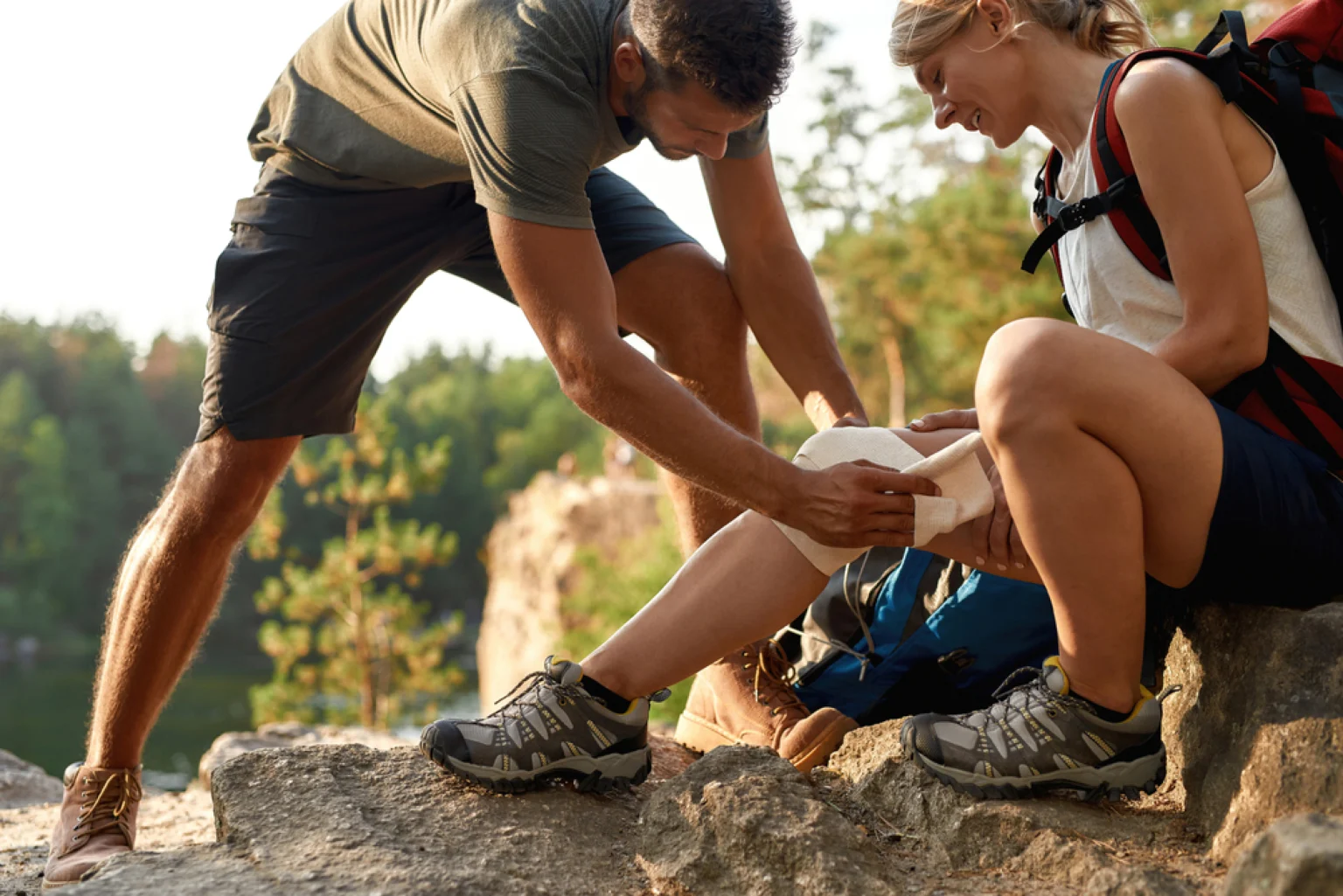
- Wrap with an elastic bandage for support.
Blisters
- Clean the area with soap and water.
- Cover with a blister pad or moleskin.
- Avoid popping blisters unless they are large and painful.
Knee Pain
- Rest and apply cold packs.
- Use a knee brace if available.
- Take pain relievers like ibuprofen.
Cuts And Scrapes
- Wash thoroughly.
- Apply antiseptic.
- Cover with a sterile bandage.
Muscle Cramps
- Stretch gently.
- Drink water or electrolyte drinks.
- Massage the cramped muscle.
Sunburn
- Move to shade.
- Apply aloe vera or cool compress.
- Drink plenty of fluids.
Insect Bites
- Remove stingers if present.
- Apply cold packs.
- Use anti-itch cream.
Dehydration And Heat Exhaustion
- Move to a cool area.
- Sip water slowly.
- Rest until symptoms improve.
Hypothermia
- Move out of the cold.
- Change into dry clothes.
- Drink warm fluids.
Fractures
- Immobilize the limb.
- Use sticks or clothing as splints.
- Seek medical help immediately.
Head Injuries
- Rest and monitor for confusion or dizziness.
- Seek help if symptoms worsen.
Poisonous Plant Contact
- Wash skin with soap and water.
- Apply calamine lotion for itching.
Eye Injuries
- Rinse with clean water.
- Protect from further injury.
- Seek medical help if vision is affected.
Altitude Sickness
- Descend to lower elevation.
- Rest and hydrate.
When To Seek Medical Help
Not all injuries can be managed on the trail. Here’s when to get professional help:
- Severe bleeding that won’t stop
- Signs of bone fracture (deformity, inability to move)
- Head injury with confusion, vomiting, or loss of consciousness
- Allergic reaction with swelling, difficulty breathing
- Serious burns or sunburn with blisters
- Persistent chest pain or trouble breathing
Recovery And Aftercare
After returning from a hike, proper care helps speed healing and prevents complications.
Sprains And Strains
Rest the injured area for several days. Use ice and compression. Gentle stretching and physical therapy may be needed.
Blisters
Keep clean and dry. Use antibiotic ointment if broken.
Cuts And Scrapes
Watch for signs of infection: redness, swelling, pus.
Muscle Cramps
Continue hydration and gentle stretching.
Sunburn
Moisturize skin and avoid sun until healed.
Insect Bites
Monitor for fever or rash.
Fractures
Follow doctor’s advice for immobilization and physical therapy.
Hypothermia
Monitor for lasting confusion or weakness.
Poisonous Plant Rashes
Keep skin clean and avoid scratching.
Data: Hiking Injury Rates And Trends
Studies show that about 10–20% of hikers experience an injury on each trip. Sprained ankles and blisters are the most common. Young adults, especially ages 18–35, report the highest injury rates, likely due to taking more risks. In the US, over 100,000 hiking-related injuries are treated in emergency rooms each year. Most injuries happen on weekends and holidays when trails are busiest.
| Age Group | Injury Rate (%) | Most Common Injury |
|---|---|---|
| 18–35 | 22 | Sprains |
| 36–50 | 14 | Blisters |
| 51+ | 9 | Knee Pain |
Comparing Hiking Injuries To Other Outdoor Activities
Hiking is safer than some outdoor sports but still carries risks. Here’s how hiking injuries compare to mountain biking and trail running:
| Activity | Injury Rate (per 1,000 hours) | Typical Injury |
|---|---|---|
| Hiking | 3.0 | Sprains, blisters |
| Mountain Biking | 6.5 | Fractures, cuts |
| Trail Running | 4.8 | Knee pain, sprains |
Hiking injuries are less frequent, but they can be serious, especially in remote locations.
Credit: blog.gopass.travel
Practical Tips For Safe Hiking
Small changes make a big difference in safety. Follow these tips for injury-free hikes:
- Check your gear before every hike.
- Start slowly and warm up your muscles.
- Carry enough water and snacks for your trip.
- Tell someone your route and expected return time.
- Stay on marked trails to avoid hazards.
- Take breaks to rest and check for signs of injury.
- Watch the weather and be ready to change plans.
- Learn basic first aid and carry supplies.
- Use walking sticks on steep or uneven terrain.
- Don’t hike alone if possible.
- Know local wildlife and plant dangers.
- Pack extra socks for longer hikes.
- Keep your phone charged for emergencies.
Non-obvious Safety Insights
Many hikers miss these important safety points:
- Early muscle fatigue often means your body needs rest, not just water. Stop and stretch before continuing.
- Altitude sickness can affect anyone, even fit hikers. Symptoms may appear after only a few hours at high elevation.
Credit: www.advnture.com
Real-life Examples
Let’s look at two real cases:
Case 1: Sprained Ankle on Rocky Trail
Sara was hiking in Colorado when she stepped on a loose rock and sprained her ankle. She stopped, wrapped her ankle, and rested. Her group helped her hike back slowly. They had a first-aid kit and knew what to do, so her injury didn’t get worse.
Case 2: Heat Exhaustion in Arizona
James hiked on a hot afternoon without enough water. After several hours, he felt dizzy and weak. His friends recognized the signs of heat exhaustion, moved him to shade, and gave him water. He recovered after resting.
These stories show the importance of preparation and group support.
How To Build An Injury-proof Hiking Routine
Creating good habits is key. Here’s how to make hiking safer:
- Regular exercise strengthens muscles and joints.
- Practice balance with simple exercises at home.
- Choose hikes that match your fitness level.
- Review safety tips before every trip.
- Update your first-aid kit each season.
- Learn from past mistakes and adjust your routine.
Credit: www.visitcompletecare.com
Hiking Injury Myths
Some myths can lead to unsafe decisions:
- “Only beginners get injured.”
In reality, experienced hikers also get hurt—often by taking risks.
- “Blisters are unavoidable.”
Good footwear and dry socks prevent most blisters.
- “Cold weather means no dehydration.”
You can still become dehydrated in cold climates.
Resources For Hikers
If you want more information, visit the Centers for Disease Control and Prevention (CDC) for detailed safety guidelines.
Frequently Asked Questions
What Should I Do If I Get Injured While Hiking Alone?
If you’re hurt and alone, stay calm. Assess the injury. If you can move, head toward safety slowly. Use your phone or whistle to signal for help. If the injury is severe, stay put, conserve energy, and make yourself visible.
How Can I Prevent Blisters On Long Hikes?
Wear moisture-wicking socks and well-fitting boots. Change socks if they get wet. Apply blister pads or tape to areas that rub. Take short breaks to check your feet.
Are Hiking Poles Helpful For Injury Prevention?
Yes. Hiking poles improve balance, reduce strain on knees, and help prevent slips on uneven terrain, especially during descents.
What Are The Signs Of Heat Exhaustion?
Symptoms include dizziness, headache, nausea, rapid heartbeat, and confusion. If you notice these, stop hiking, move to shade, and drink water.
How Do I Know If A Cut Needs Stitches?
If the cut is deep, longer than half an inch, or won’t stop bleeding after 10 minutes, it may need stitches. Clean the wound and seek medical help as soon as possible.
Hiking should be enjoyable and safe. By understanding common injuries, preparing well, and knowing how to respond, you’ll stay safer on every trail. The wilderness is full of surprises, but smart hikers can avoid most dangers. With the right habits, gear, and knowledge, your hiking adventures will be memorable for all the right reasons.
