
Hiking With a Dog: The Complete Guide for Adventurous Dog Owners
Exploring nature with your dog can be one of life’s most rewarding experiences. The fresh air, the excitement of new trails, and the bond you share make each outing special. But hiking with a dog is more than just putting on a leash and heading out the door.
It requires preparation, awareness, and respect—for your dog, for the environment, and for other hikers. Whether you’re a first-timer or a seasoned adventurer looking to improve your outings, this guide will help you make every hike with your dog safe, enjoyable, and memorable.
Why Hike With A Dog?
Dogs are natural explorers. Their curiosity and energy often match the spirit of hiking. Taking your dog on the trail offers benefits for both of you.
For your dog, hiking means:
- Physical exercise: Most dogs need more than backyard play. Hiking uses different muscles and helps burn energy.
- Mental stimulation: New sights, scents, and sounds challenge your dog’s mind.
- Stronger bond: Sharing outdoor adventures strengthens trust and connection.
For you, a canine hiking partner:
- Motivates you to stay active.
- Provides security and company.
- Brings extra joy to the journey.
But the key to a successful hike is understanding your dog’s needs and the specific demands of outdoor environments.
Preparing Your Dog For The Trail
Not every dog is ready for a hike right away. Preparation prevents problems and keeps your pet healthy.
Assessing Your Dog’s Fitness And Suitability
Before planning a hike, consider these factors:
- Age: Puppies under one year and senior dogs may struggle with long or tough trails. Their joints and endurance are different.
- Breed: Herding, sporting, and working breeds usually enjoy hiking, but short-nosed breeds (like pugs) can overheat easily.
- Health: Dogs with heart, joint, or breathing issues should avoid challenging hikes. If unsure, ask your vet.
Training Basics
Even well-behaved dogs can forget manners when excited. Good trail behavior starts at home.
- Leash manners: Your dog should walk calmly on a leash, not pull or lunge.
- Recall: Practice a reliable “come” command, even with distractions.
- Leave it: Teach your dog to ignore tempting things—food scraps, wildlife, or trash.
Vaccinations And Health Checks
Trails can expose your dog to ticks, fleas, and other risks.
- Make sure your dog is up-to-date on vaccinations (especially rabies, distemper, and leptospirosis).
- Use flea and tick prevention.
- Consider a pre-hike vet checkup, especially for new hikers or older dogs.
Credit: happydogtraining.info
Choosing The Right Trail
Not all trails are dog-friendly, and not all are suitable for every dog.
Research And Rules
Before you go, check these details:
- Trail policy: Some parks ban dogs or limit them to certain areas. Always check online or call ahead.
- Leash rules: Many trails require dogs to be leashed at all times.
- Wildlife and hazards: Some areas have more snakes, bears, or toxic plants.
Trail Length And Difficulty
Match the trail to your dog’s abilities. A young, fit dog can handle longer, steeper hikes, while older or small dogs need shorter, flat paths.
Here’s a simple comparison of trail types:
| Trail Type | Typical Distance | Difficulty | Best For |
|---|---|---|---|
| Nature Walk | 1-3 miles | Easy | Puppies, seniors, small breeds |
| Day Hike | 3-8 miles | Moderate | Healthy adults, active breeds |
| Mountain Hike | 8+ miles | Hard | Highly fit, experienced dogs |
Weather Considerations
- Avoid hiking in extreme heat or cold. Dogs can suffer from heatstroke or frostbite.
- Plan for shade and water stops if the trail is exposed.
- Early morning or evening is best in summer.
Essential Gear For Hiking With Your Dog
Packing the right items can make or break your hike. Some gear is for safety, some for comfort.
Leash And Harness
- Use a sturdy 6-foot leash (avoid retractable leashes, which can tangle).
- A padded harness is better than a collar, especially on rough terrain.
Water And Bowl
Dogs need water as much as you do. A good rule: offer water every 30–45 minutes.
- Bring a collapsible bowl and enough water for both of you.
- Never let your dog drink from stagnant ponds or streams—these may carry parasites.
Dog Pack
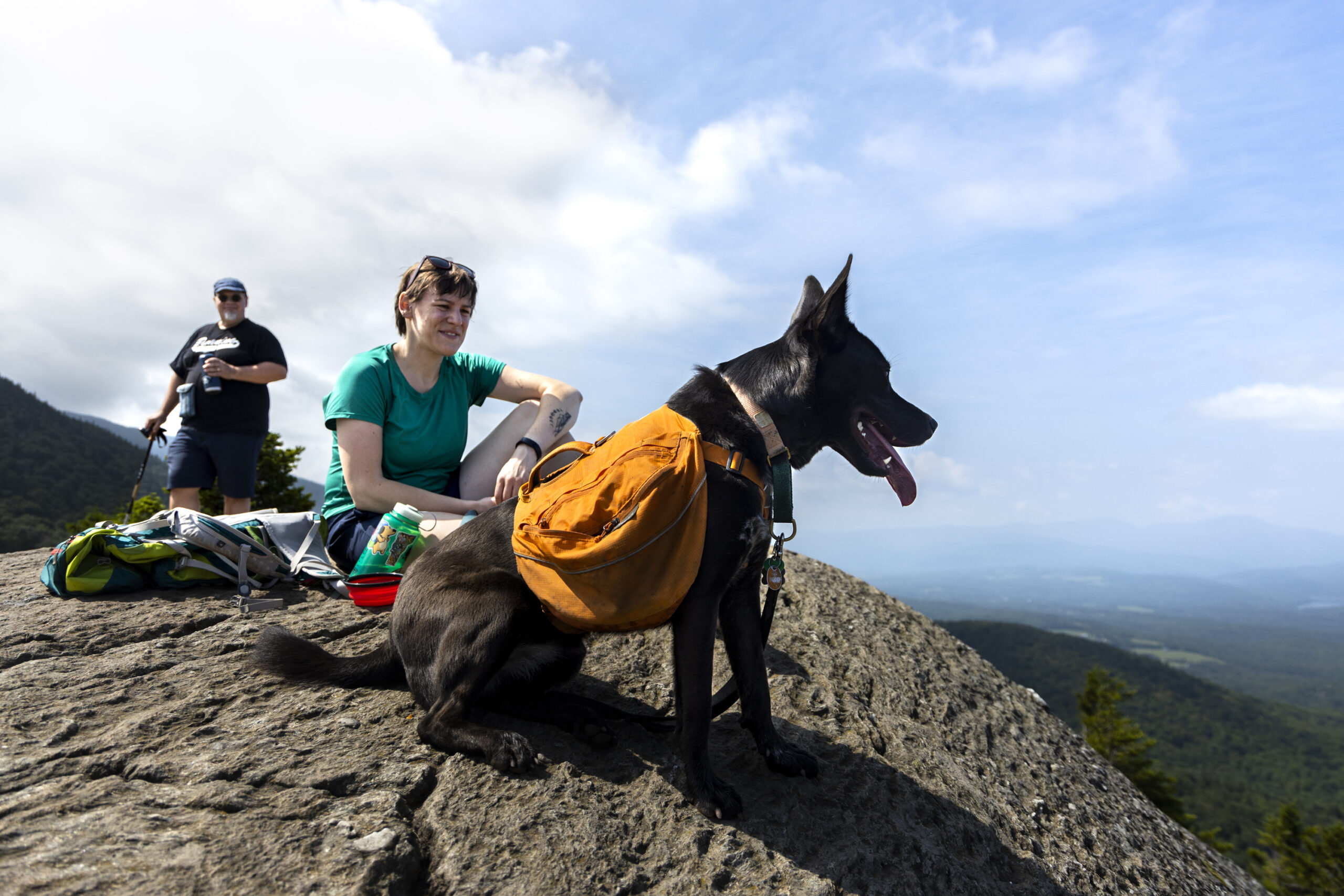
For longer hikes, dogs can carry their own gear, but only if they are healthy and used to wearing a pack.
- Limit pack weight to 10–15% of your dog’s body weight.
- Start with empty packs during walks before adding weight.
First Aid Kit
Bring a small kit with:
- Bandages, antiseptic wipes, tweezers (for ticks)
- Booties (for paw injuries)
- Benadryl (ask your vet for safe dosage)
Identification And Safety
- Your dog should wear an ID tag with your phone number.
- Microchipping is highly recommended.
- Consider a bright vest or light for visibility.
Other Useful Items
- Waste bags (pack out all poop)
- Towel (for muddy dogs or wet trails)
- Jacket (for cold or rainy weather)
- Tick remover
Here’s a quick overview of common dog hiking gear options:
| Gear | Purpose | Notes |
|---|---|---|
| Leash & Harness | Control & safety | Choose padded, adjustable types |
| Dog Pack | Carry supplies | Use only for healthy, adult dogs |
| Booties | Paw protection | Use on rocky or hot surfaces |
| Collapsible Bowl | Water & food | Lightweight, easy to carry |
| ID Tag | Identification | Always keep updated info |
Trail Etiquette: Sharing The Outdoors
Good manners keep trails enjoyable for everyone.
Leash And Control
- Keep your dog leashed unless a trail clearly allows off-leash (and your dog has perfect recall).
- Yield the trail to hikers, bikers, and horses. Move to the side with your dog at your heel.
Respect Other Hikers And Wildlife
- Not everyone likes dogs. Don’t let your dog approach strangers without permission.
- Keep your dog from chasing wildlife. This protects both animals and your dog.
Waste Management
- Always pick up dog waste and pack it out. Dog feces can harm wildlife and water sources.
- Bring extra bags, and double-bag if needed.
Noise And Barking
- Prevent excessive barking. It disturbs wildlife and other hikers.
- Train a quiet command before hiking.
On The Trail: Safety And Enjoyment
The hike itself is where preparation pays off. Stay alert, flexible, and watch your dog’s signals.
Pace And Breaks
- Start slow, especially on the first hikes. Let your dog set the pace.
- Take breaks every 30–60 minutes for water and rest.
Monitoring Your Dog
Look for signs of trouble:
- Overheating: Heavy panting, drooling, glazed eyes, unsteady walking
- Injury: Limping, licking paws, refusing to walk
- Fatigue: Slowing down, lying down, ignoring commands
If you see these, stop and rest. In hot weather, pour water on your dog’s paws and belly.
Hazards To Watch For
- Wildlife: Snakes, porcupines, skunks, and bees can all be dangerous.
- Toxic plants: Know what poison ivy, oak, and local toxic plants look like.
- Sharp terrain: Rocks, thorns, and hot sand can cut or burn paws. Booties help.
Off-leash Best Practices
If the trail allows off-leash dogs and your dog is trained:
- Keep your dog in sight and under voice control.
- Call your dog back at the first sign of other hikers or animals.
- Never allow chasing, barking, or jumping.
Credit: nutrenaworld.com
Overnight And Multi-day Hikes
If you want to try backpacking or camping with your dog, extra planning is needed.
Sleeping Arrangements
- Bring a dog sleeping pad or blanket.
- Never leave your dog outside at night—wildlife and cold are real dangers.
- If using a tent, train your dog to settle calmly inside.
Food And Water
- Pack extra food—dogs burn more calories when active.
- Store food securely to avoid attracting animals.
Safety Concerns
- Check for ticks and burrs every night.
- Watch for signs of dehydration or blisters.
Special Considerations
Some dogs get anxious sleeping outside or hearing new sounds. Practice backyard camping first, and bring familiar items (toys, blankets).
Special Tips For Hiking With Puppies And Senior Dogs
Young and old dogs have different needs.
Hiking With Puppies
- Limit distance. For puppies, 5 minutes of walking per month of age, up to twice a day, is safe.
- Avoid jumping or rough terrain to protect growing joints.
- Focus on positive experiences: Let them sniff, explore, and build confidence.
Hiking With Senior Dogs
- Choose easy, flat trails.
- Take frequent breaks.
- Watch for arthritis signs: Stiffness, limping, or slowing down.
- Bring supportive gear, like a harness with a handle for extra help.
Common Mistakes To Avoid
Even experienced hikers sometimes make errors. Here are mistakes to watch for:
- Skipping training: Untrained dogs can run off, jump on people, or chase wildlife.
- Ignoring trail rules: Not all trails allow dogs. Breaking rules can get you fined and hurts access for others.
- Overestimating your dog: Don’t push your dog too far, especially on hot days or tough terrain.
- Forgetting water: Dehydration can happen fast, especially in warm weather.
- Not checking for ticks: Lyme disease and other illnesses are real risks.
- Letting your dog eat anything: Many plants, mushrooms, and animals can be toxic.
Real-world Examples: Dogs On The Trail
Many owners underestimate how much dogs love the outdoors. One hiker’s 7-year-old golden retriever, Max, started with gentle 2-mile walks and, after a few weeks, handled 10-mile hikes with ease. Max’s owner noticed that after each hike, Max was calmer at home and less likely to chew furniture out of boredom.
On the other hand, a friend’s pug struggled even on short hikes in summer. After some research, they learned that brachycephalic (flat-faced) dogs are more prone to heatstroke and now hike only in cool weather, on shaded trails, and for short distances.
These stories show how important it is to understand your dog’s unique needs.
Credit: www.greenmountainclub.org
The Benefits Of Hiking With A Dog
Beyond exercise, hiking offers deep rewards for both you and your pet.
- Mental health boost: Studies show dog owners who walk in nature experience lower stress and anxiety.
- Social connections: Hikers with dogs often meet and bond with other dog lovers.
- Training opportunities: Trails are perfect for practicing commands in real-world situations.
A 2019 survey found that 68% of dog owners who hike feel their dog’s behavior improves after regular outings. Dogs who hike are often calmer, more focused, and less likely to develop destructive habits at home.
Dog-friendly Hiking Destinations In The Us
If you’re looking for inspiration, some US parks are known for welcoming dogs.
| Park Name | State | Dog Policy |
|---|---|---|
| Acadia National Park | Maine | Leashed dogs allowed on 100+ miles of trails |
| Shenandoah National Park | Virginia | Leashed dogs allowed on most trails |
| Mount Rainier National Park | Washington | Dogs only on paved areas, not trails |
| Grand Canyon National Park | Arizona | Dogs allowed above rim, not below |
| Yosemite National Park | California | Dogs on paved roads and certain paths only |
Always check the park’s current dog policy before visiting, as rules can change.
Training Tips For A Better Hiking Experience
Improving your dog’s trail skills makes hikes more enjoyable for both of you.
- Practice commands in different environments: Parks, busy sidewalks, and quiet trails.
- Use positive reinforcement: Treats and praise build good habits.
- Gradually increase hike length and difficulty to build stamina.
- Practice “leave it” with new scents and distractions.
Many beginners overlook how tiring mental stimulation can be. Sniffing, listening, and seeing new things on the trail can exhaust your dog just as much as running.
When To Seek Veterinary Help
Even with planning, accidents can happen.
See a vet if your dog:
- Is bitten by a snake or stung by multiple bees
- Eats a toxic plant or mushroom
- Has a deep cut or won’t stop bleeding
- Shows signs of heatstroke: Vomiting, confusion, collapse
Don’t wait—early treatment saves lives.
Hiking With Multiple Dogs
If you own more than one dog, keep these tips in mind:
- Only hike with as many dogs as you can control.
- Train each dog separately before hiking as a group.
- Use color-coded leashes or harnesses to prevent mix-ups.
- Watch for pack behavior—dogs may be braver or more reactive in groups.
- Carry enough water and supplies for everyone.
If hiking with friends and their dogs, do a meet-and-greet before the hike to avoid conflicts.
Hiking Abroad Or In Remote Areas
Traveling with your dog can open up new adventures, but it requires more planning.
- Check import/export rules for your destination country.
- Bring proof of vaccinations and a recent health certificate.
- Learn about local wildlife and plant dangers.
- Research pet-friendly accommodations and emergency vets.
For more information on hiking with dogs internationally, the American Kennel Club provides helpful resources.
Frequently Asked Questions
How Do I Know If My Dog Is Ready For Hiking?
Start with short walks in your neighborhood. If your dog enjoys these, gradually try longer and more varied terrain. Watch for signs of fatigue or discomfort. If your dog is healthy, active, and responsive to commands, you can start easy hikes.
What Do I Do If My Dog Gets Lost On The Trail?
Stay calm. Call your dog’s name and use recall commands. Search the area where you last saw your dog. Check with other hikers. If your dog is microchipped and wearing an ID tag, you have a better chance of reunion.
Notify park rangers or local authorities if your dog doesn’t return quickly.
Can Small Or Toy Breeds Hike Safely?
Yes, but choose short, easy trails and avoid steep or rocky areas. Carry your dog if they get tired. Use a harness for better control and safety. Small dogs may need extra water and protection from cold or hot weather.
How Can I Prevent My Dog From Chasing Wildlife?
Practice “leave it” and recall commands at home and in less distracting places before hiking. Keep your dog leashed in areas with lots of wildlife. If you hike off-leash, only do so if your dog has excellent recall and the trail allows it.
Are There Risks Of Disease Or Parasites When Hiking With A Dog?
Yes, dogs can pick up ticks, fleas, and intestinal parasites. Use preventive medications and check your dog after each hike. Avoid letting your dog drink from natural water sources, as these can carry parasites like giardia.
Hiking with your dog can be a joyful, healthy activity that deepens your bond and adds adventure to your lives. With good planning, the right gear, and respectful trail manners, you and your dog will create memories that last a lifetime.
Whether it’s a gentle nature walk or a challenging mountain climb, every hike with your furry friend is an opportunity to explore the world together.
