
Vegan Camping Food: Delicious, Easy, and Nutritious Meals for the Outdoors
Camping is a special experience. You get fresh air, beautiful nature, and time away from screens. But for people who eat vegan, planning food for camping can feel tricky. You might wonder how to carry tasty, healthy meals without meat, dairy, or eggs.
Will you get enough energy? Can you cook good food with limited tools?
The truth is, vegan camping food can be exciting and simple. With some smart planning, you can eat well, stay healthy, and enjoy your trip. Many vegan meals are easy to pack and cook, even in wild places. You don’t need expensive ingredients or special skills.
In fact, plant-based foods often last longer, weigh less, and bring variety to your menu.
In this guide, you’ll find practical advice for choosing, preparing, and cooking vegan camping food. You’ll learn about best ingredients, meal ideas, storage tips, and ways to avoid common mistakes. Whether you’re going for a weekend hike or a long adventure, you’ll discover how to make vegan food work for you outdoors.
Why Vegan Camping Food Makes Sense
Vegan camping food is more than just a diet choice. It has real benefits for campers:
- Lightweight and easy to pack: Beans, grains, nuts, and dried fruits are lighter than animal products. They don’t spoil as fast and are simple to carry.
- Long shelf life: Many vegan foods last for weeks without refrigeration. This is ideal for long trips and remote locations.
- Energy and nutrition: Plant-based foods offer fiber, vitamins, and steady energy. They help you stay active and healthy while hiking or exploring.
- Eco-friendly: Vegan food uses fewer resources and makes less waste. It’s better for the environment, which is important when you’re enjoying nature.
- Allergy friendly: Vegan meals avoid common allergens like dairy and eggs, making them safer for group trips.
A recent survey by the Outdoor Industry Association showed that 27% of campers prefer plant-based meals sometimes or always. More brands now offer vegan outdoor foods, and recipes are easier to find.
Essential Vegan Camping Foods To Pack
To make your trip easy, start with foods that don’t need refrigeration and are flexible for many meals.
Dry Staples
- Rice and quinoa: Great for energy. Quinoa cooks fast and adds protein.
- Lentils and beans: Dried lentils cook in about 20 minutes. Canned beans are ready to eat.
- Oats: Perfect for breakfast, bars, or quick desserts.
- Pasta: Easy to cook and mix with veggies.
- Couscous: Needs only hot water, ready in minutes.
Protein Sources
- Chickpeas: Use canned, dried, or roasted for snacks and meals.
- Tofu: Shelf-stable tofu is available; perfect for stir-fries.
- Nuts and seeds: Almonds, peanuts, sunflower seeds for snacking and meal boosts.
- Nut butters: Peanut, almond, or sunflower seed butter provide protein and calories.
Snacks And Quick Energy
- Dried fruit: Raisins, apricots, mango, or dates.
- Granola bars: Look for vegan options with oats, nuts, and fruit.
- Trail mix: Combine nuts, seeds, and dried fruit.
- Popcorn: Easy to pop over a campfire.
Fresh Produce
Bring fruits and vegetables that don’t spoil quickly:
- Carrots
- Bell peppers
- Apples
- Oranges
- Cabbage
- Potatoes
Condiments And Extras
- Salt, pepper, spices: Curry powder, chili flakes, garlic powder for flavor.
- Olive oil: Small bottles for cooking and salads.
- Soy sauce or tamari: Adds umami to meals.
- Hot sauce: For spice lovers.
Planning Vegan Camping Meals
Good meal planning saves time, money, and stress. Here’s how you can organize your vegan camping menu:
1. Estimate Your Needs
For active camping, plan for 2,000–3,000 calories per day. Include protein, carbs, and fat in each meal to stay full and energized.
2. Mix Easy And Special Meals
Quick meals are great for busy days. Plan at least one “special” meal for fun, like a campfire chili or pancakes.
3. Prep Ingredients Before You Go
Chop veggies, cook beans, and pack spice mixes at home. Use zip bags or containers to keep things fresh.
4. Consider Cooking Gear
Think about your stove, pot size, and utensils. Choose recipes that fit your tools.
5. Balance Nutrition
Include sources of iron, calcium, and B12 (from fortified foods or supplements). Don’t just eat carbs—add protein and healthy fats.
Easy Vegan Camping Breakfasts
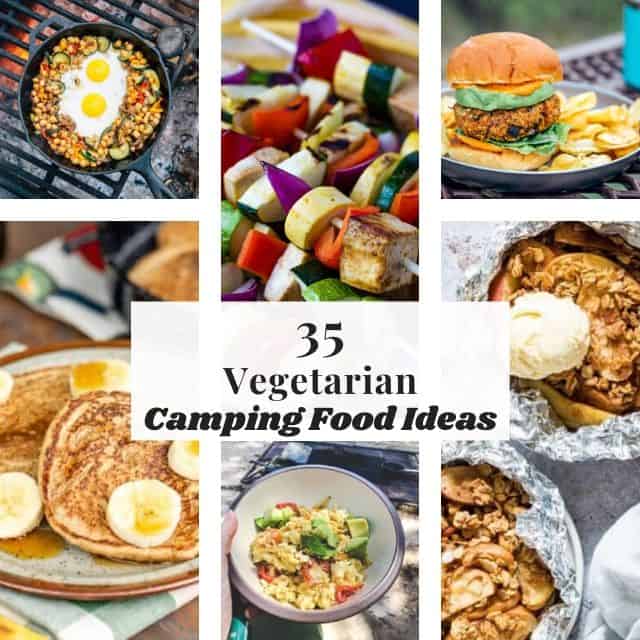
Starting your day with a strong breakfast keeps you energized. Here are some vegan breakfast ideas that work well outdoors:
Overnight Oats
Mix oats, plant milk (or water), chia seeds, and dried fruit in a jar. Let sit overnight. Add nuts or fresh fruit in the morning.
Peanut Butter Banana Wraps
Spread peanut butter on a tortilla, add banana slices, and roll up. Quick, filling, and portable.
Campfire Tofu Scramble
Crumble tofu in a pan. Add bell peppers, onions, spinach, and spices. Cook over your camp stove or fire.
Vegan Pancakes
Mix flour, baking powder, plant milk, and a little oil. Cook on a skillet. Add berries or maple syrup.
Granola And Fruit
Top granola with plant milk or yogurt and fresh fruit. No cooking needed.

Credit: www.youtube.com
Lunch Ideas For Vegan Campers
Lunch should be simple, fast, and easy to eat on the trail. Here are proven vegan lunch options:
Hummus Veggie Wraps
Spread hummus on a tortilla. Add sliced veggies like carrots, peppers, and cucumber. Wrap and eat.
Lentil Salad
Cook lentils, mix with chopped tomatoes, onions, olive oil, and herbs. Serve cold or warm.
Bean Burritos
Fill tortillas with canned beans, salsa, and avocado. Wrap tightly for a mess-free meal.
Trail Mix And Fruit
If you need a quick lunch, eat trail mix, granola bars, and fresh fruit.
Chickpea Patties
Mash chickpeas with spices, form patties, and pan-fry. Eat in a bun or on their own.
Vegan Camping Dinner Favorites
Dinner is a time to relax and enjoy a hearty meal. Here are vegan dinners that work great for camping:
Vegan Chili
Cook canned beans, tomatoes, corn, and chili spices in a pot. Serve with bread or tortillas.
Vegetable Stir-fry
Use shelf-stable tofu and fresh veggies. Stir-fry in a pan with soy sauce and garlic.
Pasta Primavera
Cook pasta, add sautéed bell peppers, onions, and zucchini. Toss with olive oil and herbs.
Potato And Bean Stew
Dice potatoes, add canned beans, carrots, and spices. Simmer until potatoes are soft.
Curry Couscous
Mix couscous with hot water. Add cooked veggies and curry powder.
Sweet Vegan Camping Treats
Desserts make camping special. Here are vegan treats you can enjoy outdoors:
S’mores
Use vegan marshmallows, dark chocolate, and graham crackers. Toast marshmallows over the fire.
Cinnamon Apples
Slice apples, sprinkle with cinnamon, wrap in foil, and cook over the fire.
Chocolate Trail Mix
Mix nuts, dried fruit, and vegan chocolate chips.
Rice Pudding
Cook rice with plant milk, sugar, and cinnamon. Serve warm.
Banana Boats
Slice banana lengthwise, add chocolate chips, wrap in foil, and heat.
Sample 3-day Vegan Camping Menu
Here’s a sample menu for a 3-day camping trip. It covers breakfast, lunch, dinner, and snacks.
| Meal | Day 1 | Day 2 | Day 3 |
|---|---|---|---|
| Breakfast | Overnight oats with dried fruit | Peanut butter banana wrap | Granola with plant milk |
| Lunch | Hummus veggie wrap | Lentil salad | Bean burrito |
| Dinner | Vegan chili | Vegetable stir-fry with rice | Pasta primavera |
| Snack | Trail mix | Fresh fruit | Chocolate trail mix |
Cooking Methods For Vegan Camping Food
Cooking while camping is different from home. Here are the main ways to prepare vegan food outdoors:
Camp Stove Cooking
Portable stoves are reliable and safe. You can boil, fry, and simmer most vegan foods.
Campfire Cooking
Cooking over fire adds flavor. Use foil packs, skewers, or a pot. Be careful with heat control.
No-cook Meals
Some vegan foods don’t need cooking. Wraps, salads, and snacks are perfect for busy days or short trips.
Solar Cookers
Solar cookers use sunlight to heat food. They work best in sunny places and are eco-friendly.
Cold Soaking
For lightweight backpacking, soak oats, couscous, or noodles in water for a few hours. No stove needed.
Vegan Camping Food Storage And Safety
Keeping food safe is important for your health. Follow these tips:
1. Use Airtight Containers
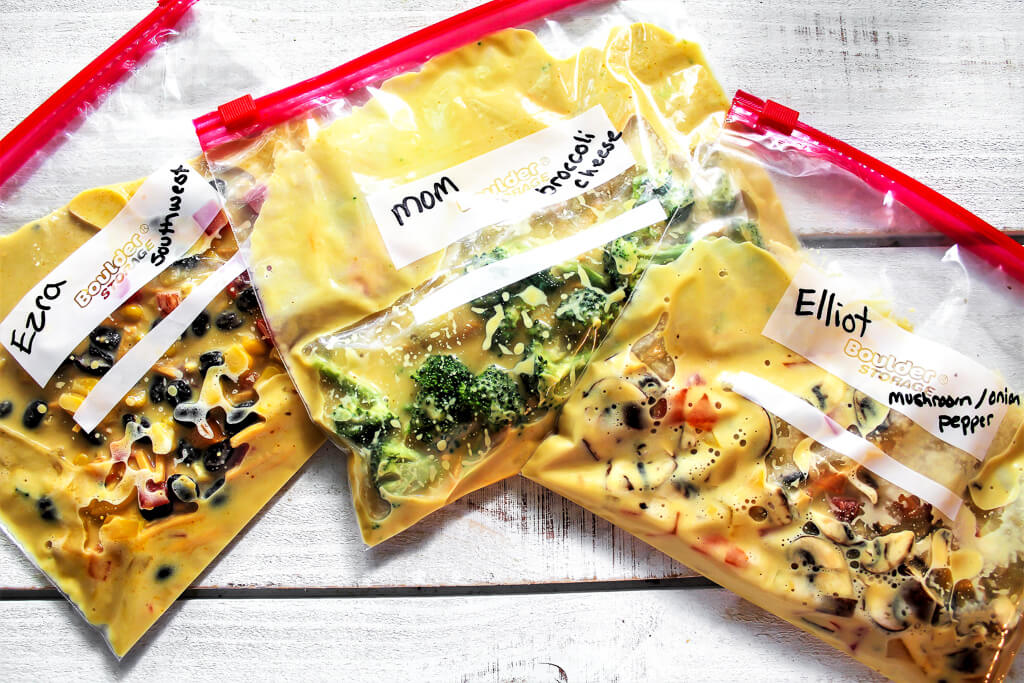
Pack food in zip bags or containers to keep out moisture and bugs.
2. Keep Foods Separate
Store snacks, raw ingredients, and cooked foods in different containers.
3. Chill Perishables
If you bring tofu, plant milk, or fresh produce, use a small cooler or ice packs.
4. Clean Up Properly
Wash hands and utensils before and after cooking. Avoid leaving food scraps—animals may visit.
5. Check Expiry Dates
Some vegan foods (like plant milk or tortillas) expire fast. Check before packing.
Credit: moonandspoonandyum.com
Best Vegan Camping Food Brands
Many brands offer vegan foods for the outdoors. Here are some trusted names:
- LÄRABAR: Vegan energy bars made from fruit and nuts.
- Backpacker’s Pantry: Plant-based camping meals, including chili and pasta.
- MaryJanesFarm: Organic vegan dehydrated meals.
- Clif Bar: Vegan-friendly energy bars.
- Patagonia Provisions: Vegan soups, grains, and snacks.
- Harmony House: Dried vegetables and beans for easy cooking.
These brands offer convenience, but homemade meals are often cheaper and tastier.
Homemade Vegan Camping Recipes
Making your own camping food saves money and lets you control ingredients. Here are three popular recipes:
Vegan Chili Recipe
Ingredients:
- 1 can black beans
- 1 can kidney beans
- 1 can corn
- 1 can diced tomatoes
- 1 onion, chopped
- 1 bell pepper, chopped
- 2 tbsp chili powder
- 1 tsp cumin
- Salt and pepper
Instructions:
- Heat oil in a pot.
- Add onion and bell pepper, cook until soft.
- Add beans, corn, and tomatoes.
- Stir in spices.
- Simmer for 20 minutes.
Cooking time: 30 minutes
Serves: 4
Peanut Butter Granola Bars
Ingredients:
- 2 cups oats
- 1 cup peanut butter
- 1/2 cup maple syrup
- 1/4 cup chopped nuts
- 1/4 cup dried fruit
Instructions:
- Mix all ingredients in a bowl.
- Press into a baking dish.
- Chill in fridge for 1 hour.
- Cut into bars.
Cooking time: 10 minutes prep, 1 hour chill
Serves: 8
Lentil Salad
Ingredients:
- 1 cup dried lentils
- 2 cups water
- 1 tomato, chopped
- 1/2 onion, chopped
- 2 tbsp olive oil
- 1 tbsp lemon juice
- Salt and pepper
Instructions:
- Boil lentils in water for 20 minutes.
- Drain and cool.
- Mix with tomato, onion, olive oil, lemon juice, salt, and pepper.
Cooking time: 25 minutes
Serves: 2
Nutritional Considerations For Vegan Campers
Vegan campers need to pay attention to certain nutrients to stay strong and healthy.
Protein
Beans, lentils, tofu, nuts, and seeds are rich in protein. Aim for 50–60 grams per day for adults.
Iron
Plant-based iron is found in lentils, beans, nuts, and spinach. Pair with vitamin C (like citrus fruit) for better absorption.
Calcium
Look for fortified plant milks and leafy greens. Bring powdered plant milk for easy use.
Vitamin B12
B12 is not found in most plants. Use fortified foods or take a supplement.
Omega-3
Chia seeds, flax seeds, and walnuts offer plant omega-3s.
Calories
Outdoor activities burn more calories. Make sure meals are filling and include healthy fats.
Comparing Vegan Vs. Non-vegan Camping Foods
If you’re unsure about vegan vs. traditional camping foods, here’s a quick comparison.
| Factor | Vegan Camping Food | Non-Vegan Camping Food |
|---|---|---|
| Weight | Lighter (dried beans, grains) | Heavier (meat, dairy) |
| Shelf Life | Long (most staples) | Short (needs refrigeration) |
| Nutrition | High fiber, vitamins | High protein, fat |
| Eco Impact | Lower (plant-based) | Higher (animal-based) |
| Allergy Risk | Lower (no dairy/eggs) | Higher (milk, eggs common) |
Credit: thehiddenveggies.com
Tips For Packing Vegan Camping Food
Packing food smartly keeps meals safe and easy to prepare. Here are tips:
- Use lightweight containers: Silicone bags and small jars are best.
- Label everything: Write names and dates on bags.
- Pack dry foods first: Put grains, beans, and snacks on top.
- Bring a backup meal: Carry instant noodles or granola bars in case of emergencies.
- Avoid glass: Glass jars are heavy and can break.
- Check for animal ingredients: Some packaged foods may contain hidden dairy or eggs.
Mistakes To Avoid With Vegan Camping Food
Even experienced campers make mistakes. Here are common errors and how to fix them:
- Bringing too few calories: Plant foods can be low in calories. Add nuts, seeds, and oils.
- Packing only fresh produce: Fresh veggies spoil fast. Mix with dried or canned foods.
- Ignoring protein: Don’t rely only on bread and rice. Add beans, tofu, or nuts.
- Forgetting spices: Bland food is less enjoyable. Bring salt, spices, and sauces.
- Not checking weather: Hot weather can spoil food faster. Adjust your packing.
A non-obvious tip: Test your meals at home before the trip. This helps you know cooking times, flavor, and portion sizes.
Vegan Camping Food For Special Diets
Some campers have extra dietary needs. Here’s how to adjust vegan camping food:
- Gluten-free: Use rice, quinoa, and gluten-free pasta. Avoid wheat tortillas.
- Nut-free: Use seeds, sunbutter, and chickpeas instead of nuts.
- Low-sugar: Use unsweetened dried fruit and avoid sugary bars.
- Soy-free: Choose lentils, chickpeas, and seeds instead of tofu.
Always check labels for hidden allergens.
Budget-friendly Vegan Camping Food
Camping doesn’t have to be expensive. Vegan foods are often cheaper than animal products. Here’s how to save money:
- Buy dry beans, lentils, and rice in bulk.
- Use seasonal vegetables.
- Make your own bars and snacks.
- Avoid processed foods—they cost more and add extra weight.
- Share meals with friends for group savings.
A recent study found that vegan camping food costs 20–30% less than traditional camping food on average.
Real-world Example: Vegan Camping Food Success
Let’s look at a real camping story. Maya, a vegan camper, went on a 5-day hike in Colorado. She packed oats, peanut butter, trail mix, canned beans, tortillas, and fresh veggies. She prepared overnight oats each morning, wraps for lunch, and chili for dinner.
Maya said, “I felt strong every day. My food stayed fresh, and I saved money. I learned that spices and sauces made meals fun. I never felt limited—vegan camping food gave me everything I needed. ”
Her experience shows that with good planning, vegan camping food is practical and enjoyable.
Food Safety And Wildlife
Camping in nature means sharing space with animals. Vegan food can still attract wildlife, so follow these safety tips:
- Store food in sealed bags or bear-proof containers.
- Don’t leave scraps or wrappers.
- Cook away from your sleeping area.
- Wash dishes far from water sources.
Wildlife experts say that food left out is the main reason animals visit campsites. Protect your food and nature by cleaning up well.
Advanced Tips: Dehydrating Your Own Vegan Camping Food
Many campers make their own dehydrated meals. This saves weight and space. Here’s how:
- Use a food dehydrator to dry beans, veggies, and fruits.
- Store in airtight bags.
- Rehydrate with hot water at camp.
Dehydrated vegan meals last for months and are easy to prepare.
Comparing Diy Vs. Packaged Vegan Camping Meals
Should you buy ready meals or make your own? Here’s a comparison.
| Aspect | DIY Meals | Packaged Meals |
|---|---|---|
| Cost | Lower | Higher |
| Control | Full (choose ingredients) | Limited (pre-set ingredients) |
| Prep Time | Longer (prep at home) | Short (just add water) |
| Flavor | Customizable | Standardized |
| Shelf Life | Varies | Long (up to 1 year) |
Many campers mix both—DIY for simple meals, packaged for emergencies.
Where To Find Vegan Camping Food Resources
There are many resources for vegan camping food ideas and recipes. For detailed nutrition, ingredient lists, and meal ideas, visit Vegan Outdoor Adventures. This site covers everything from meal planning to gear.
Frequently Asked Questions
What Are The Best High-protein Vegan Foods For Camping?
The best sources are lentils, beans, tofu, nuts, and seeds. Peanut butter is also great for energy and protein. Bring a mix for variety.
How Do I Keep Vegan Food Fresh Without A Fridge?
Choose foods with a long shelf life—dried beans, grains, canned veggies. Use a cooler or ice packs for items like tofu or plant milk. Store in airtight containers.
Are There Vegan Alternatives For Classic Camping Foods Like S’mores?
Yes! Use vegan marshmallows, dark chocolate, and plant-based graham crackers. These are sold in many stores and work just like the originals.
Can I Get Enough Calories From Vegan Camping Food?
Definitely. Include calorie-rich foods like nuts, seeds, oils, and whole grains. Plan for extra snacks if you hike or exercise a lot.
What Should I Do If There Are Food Allergies In My Camping Group?
Choose foods that fit everyone’s needs. For nut allergies, use seeds and sunbutter. For gluten-free diets, use rice and quinoa. Always check labels for hidden ingredients.
Camping is about adventure and fun. With vegan camping food, you can eat well, stay healthy, and enjoy nature. Use these tips, ideas, and recipes to make your next trip tasty and easy. Plant-based meals give you energy, flavor, and comfort—no matter where you go.
