Setting up a campsite can turn a simple outdoor trip into an unforgettable adventure. Whether you’re camping in a national park, pitching a tent in the woods, or setting up for a family weekend by the lake, the way you organize your campsite will affect your comfort, safety, and enjoyment.
Many beginners underestimate the importance of planning and proper setup, but a well-prepared campsite can save you from unexpected headaches and make your stay much more enjoyable. This guide will walk you through every step, from choosing the right location to packing up at the end, with clear instructions and practical advice for campers at every experience level.
Choosing The Right Campsite Location
The first step in setting up a campsite is selecting a suitable spot. The location affects everything—your sleep, safety, and access to resources.
Factors To Consider
- Terrain: Look for flat ground. Sleeping on a slope leads to discomfort and sliding during the night. Avoid rocky or uneven surfaces.
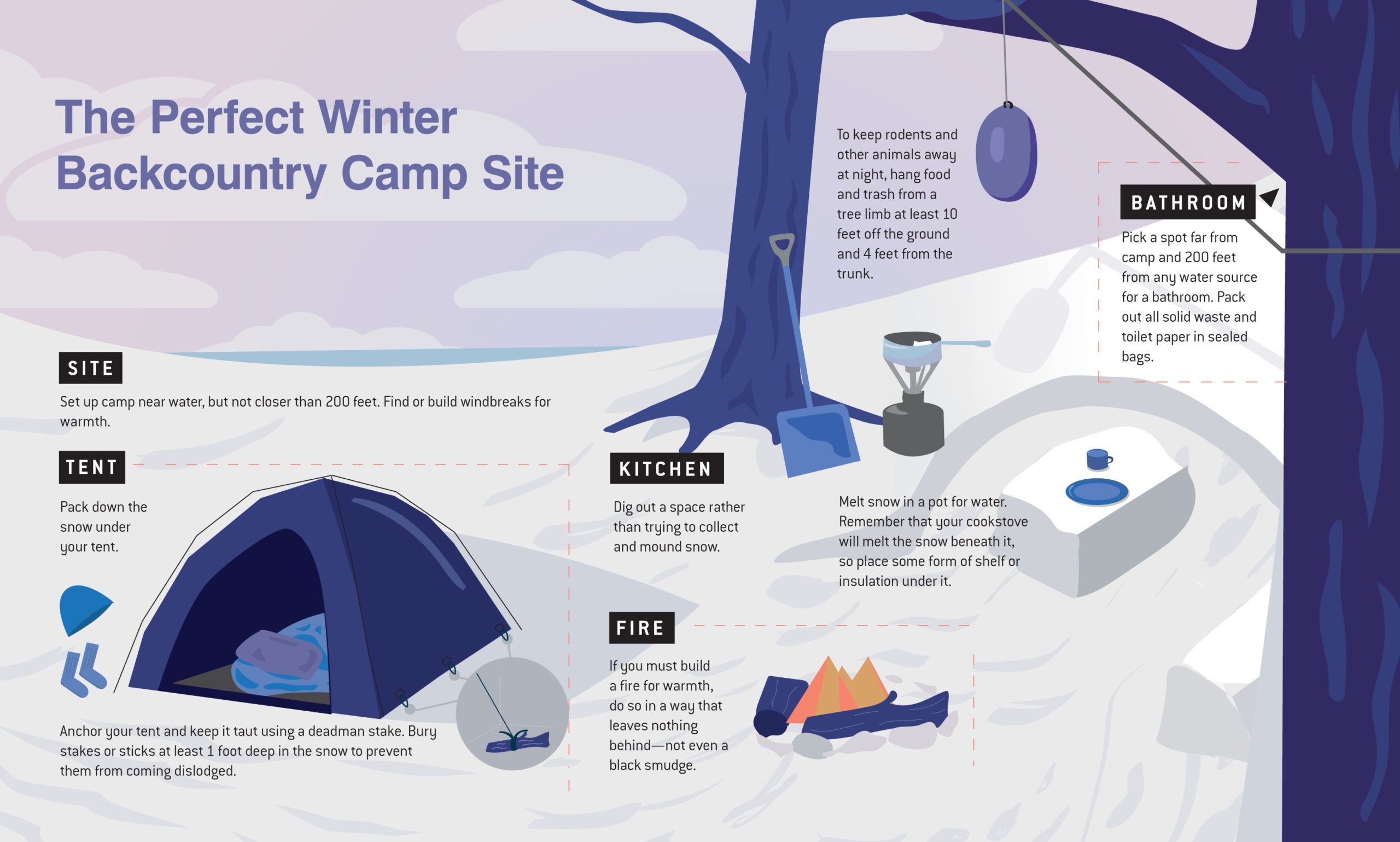
- Water Source: Being near fresh water is useful, but stay at least 200 feet away to prevent pollution and avoid insects.
- Wind and Weather: Check for natural windbreaks like bushes or trees. Avoid low areas where cold air settles, as these can get much colder at night.
- Sunlight and Shade: Morning sunlight helps dry dew, but too much sun heats your tent. Balance shade and sun exposure.
- Safety Hazards: Avoid dead trees (“widowmakers”) and areas prone to flooding. Steer clear of animal trails.
- Legal Restrictions: Only camp where permitted. Many national parks and forests have designated camping areas.
Example: National Park Camping
Most U. S. national parks offer mapped campsites with facilities. These usually provide fire pits, picnic tables, and bathrooms, but you still need to check for hazards and comfort.
Essential Equipment And Packing Tips
Packing the right equipment is critical for a successful camping experience. Many campers bring too much or forget key items.
Core Camping Gear
- Tent: Choose size and style based on group size and weather conditions.
- Sleeping bag: Pick a bag rated for the lowest expected temperature.
- Sleeping pad or air mattress: Provides insulation and comfort.
- Backpack: Choose one with enough capacity for your trip length.
- Cooking supplies: Stove, fuel, utensils, pots, and food storage containers.
- Lighting: Headlamps, lanterns, and extra batteries.
- First aid kit: Include bandages, antiseptic, pain relief, and allergy medications.
- Water filter or purifier: Essential for backcountry trips.
- Navigation tools: Map, compass, and GPS.
Packing Strategy
Organize gear by function. Keep safety items and first aid accessible. Pack heavier items low and close to your back in the backpack for balance.
Comparison: Backpack Vs Car Camping
| Equipment | Backpack Camping | Car Camping |
|---|---|---|
| Tent | Lightweight, compact | Larger, more comfortable |
| Cooking Gear | Minimal, portable stove | Full-size stove, cooler |
| Sleeping Comfort | Foam pad | Air mattress, cots |
| Lighting | Headlamp, small lantern | Multiple lanterns, string lights |
| Food Storage | Bear canister | Cooler, food bins |
Credit: www.nps.gov
Setting Up Your Tent
A tent is your shelter. Setting it up correctly protects you from weather, insects, and wildlife.
Steps For Tent Setup
- Clear the site: Remove sticks, rocks, and debris from the area. This prevents damage to your tent and discomfort while sleeping.
- Lay a ground tarp: A tarp or footprint under the tent keeps moisture out and reduces wear.
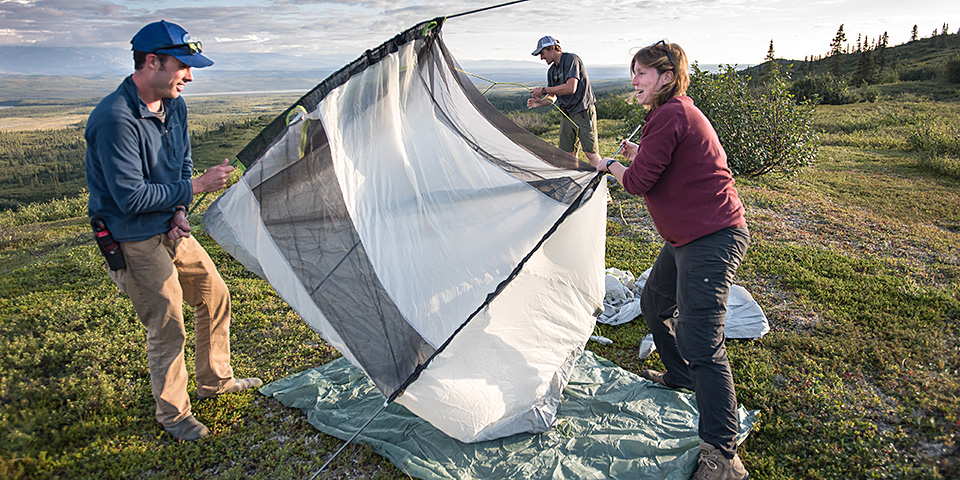
- Assemble the tent: Follow manufacturer instructions. Start with the poles, then attach the fabric.
- Stake the tent: Secure corners with stakes. Angle stakes away from the tent and push them fully into the ground.
- Attach the rainfly: Even in dry weather, a rainfly protects against dew and wind.
- Check ventilation: Open vents or windows to reduce condensation.
Example: Common Tent Mistakes
- Setting up on uneven ground
- Forgetting to stake down the tent
- Not using the rainfly
- Blocking ventilation
Tent Placement Tips
Place your tent with the door facing downhill to prevent rainwater from pooling at the entrance. If possible, orient the door away from prevailing winds.
Organizing Campsite Zones
A well-organized campsite is safer and more comfortable. Divide your site into zones for sleeping, cooking, eating, and relaxing.
Sleeping Area
Keep the sleeping area clean and separate from food storage. Store gear inside the tent or vestibule. Use a light at night for easy access.
Cooking And Eating Area
Set up cooking and eating areas at least 100 feet from your tent, especially in bear country. Use a stable surface for your stove or grill. Keep food storage containers sealed.
Waste And Hygiene Area
Designate a spot for trash and hygiene away from sleeping and cooking zones. Hang a trash bag from a tree branch to keep it out of reach of animals.
Example: Campsite Layout
Imagine a campsite with three tents for a family. Place tents in a triangle, with the cooking area in the center but away from wind direction. Store food and trash downwind from tents.
Campfire Setup And Safety
A campfire is the heart of many campsites but must be built safely and responsibly.
Building A Safe Campfire
- Choose an existing fire ring: Most campsites provide fire pits. Use these to avoid damaging the ground.
- Clear the area: Remove leaves and sticks within 10 feet of the fire site.
- Gather wood: Use only dead, fallen wood. Never cut living trees.
- Build the fire: Start with a small pile of tinder, add kindling, then larger logs.
- Keep water nearby: Always have a bucket of water or sand for emergencies.
Fire Safety Rules
- Never leave a fire unattended.
- Keep fires small and manageable.
- Extinguish fires completely before sleeping or leaving.
- Follow local fire bans and regulations.
Comparison: Campfire Vs Stove Cooking
| Cooking Method | Advantages | Disadvantages |
|---|---|---|
| Campfire | Traditional, social, flexible | Safety risk, hard to control heat, banned in some areas |
| Camping Stove | Efficient, safe, quick setup | Requires fuel, less atmosphere |
Food Storage And Wildlife Protection
Improper food storage attracts animals and can lead to dangerous situations. Protecting food is essential for safety.
Safe Food Storage Methods
- Bear canisters: Required in many parks. Hard plastic containers that bears cannot open.
- Bear hangs: Suspend food from a tree branch, at least 10 feet up and 4 feet from the trunk.
- Lockable food bins: Provided at some campsites.
Example: Bear Country Camping
In places like Yellowstone or Yosemite, using a bear canister is mandatory. Some campers mistakenly store food in tents, leading to bear encounters and fines.
Tips For Avoiding Wildlife
- Never leave food unattended.
- Clean up spills and crumbs.
- Store toiletries and scented items with food.
Water Collection And Purification
Clean water is vital for drinking, cooking, and hygiene. Don’t assume all natural water is safe.
Finding Water Sources
Look for streams, lakes, or springs. Avoid stagnant ponds, which may contain bacteria or parasites.
Purification Methods
- Boiling: Heat water for at least one minute to kill microorganisms.
- Filters: Portable filters remove bacteria and protozoa.
- Chemical treatments: Tablets or drops kill viruses and bacteria.
Comparison: Water Purification Options
| Method | Effectiveness | Time Required | Portability |
|---|---|---|---|
| Boiling | Excellent | 5-10 minutes | Requires stove/fire |
| Filter | Good (not always viruses) | 1-2 minutes per liter | Very portable |
| Chemical | Good (some taste) | 15-30 minutes | Very portable |
Practical Tip
Always carry more than one purification method. Filters can break, and boiling needs fuel. Chemical tablets are lightweight backups.
Hygiene And Waste Management
Keeping clean and managing waste protects you and the environment. Many campers neglect this, leading to illness or polluting nature.
Bathroom Solutions
- Campground toilets: Use provided facilities when available.
- Portable toilet: For remote camping, bring a portable toilet or waste bags.
- Catholes: Dig a hole 6-8 inches deep, 200 feet from water and camp. Cover after use.
Washing And Cleaning
Use biodegradable soap and wash dishes at least 200 feet from water sources. Carry a microfiber towel and hand sanitizer.
Trash And Recycling
Pack out all trash. If recycling bins are present, separate items. Never burn plastic or food wrappers.
Non-obvious Insight
Even toothpaste can attract wildlife. Spit into a cathole or trash bag, not on the ground.
Credit: grandviewcamp.com
Setting Up Shelter And Comfort Items
Beyond your tent, extra shelter and comfort make camping more enjoyable.
Shelter Options
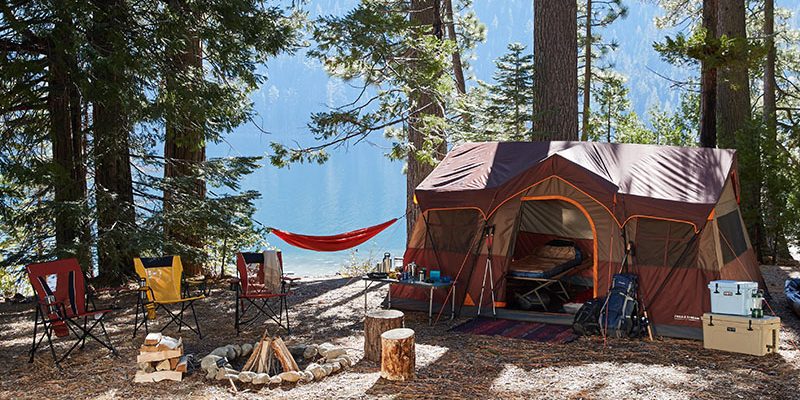
- Tarp or canopy: Protects against rain and sun. Set up over cooking or eating areas.
- Hammock: Offers a comfortable place to relax, but needs trees or stands.
- Windbreaks: Use natural features or portable screens.
Comfort Items
- Camping chairs: Lightweight and foldable for sitting around the fire.
- Table: Some sites provide picnic tables; otherwise, bring a portable table.
- Sleeping accessories: Pillows, extra blankets, earplugs.
Example: Rainy Weather Shelter
If rain is forecast, set up a tarp before the weather turns. Many campers wait until it’s already raining, leading to soaked gear.
Lighting And Nighttime Safety
Proper lighting is critical after dark. It prevents accidents and helps you navigate the campsite.
Lighting Options
- Headlamp: Keeps hands free and provides focused light.
- Lanterns: Illuminate larger areas.
- String lights: Add ambiance and help mark paths.
Night Safety Tips
- Mark tent stakes and guy lines with glow sticks or tape to prevent tripping.
- Keep a flashlight within reach at all times.
- Avoid wandering far from camp after dark.
Example: Light Placement
Place lanterns in cooking and eating areas. Use a headlamp for personal tasks. If camping with kids, give each child a small flashlight.
Credit: www.outdoors.org
Dealing With Bugs And Insects
Insects can ruin a camping trip. Planning ahead reduces bites and discomfort.
Prevention Methods
- Bug spray: Use insect repellent with DEET or natural oils.
- Mosquito net: Attach to tent openings or sleeping areas.
- Citronella candles: Help keep bugs away from eating zones.
Common Mistakes
Some campers rely only on tent screens, which do not protect against mosquitoes outside. Always bring repellent and use it before dusk.
Practical Insight
Wearing light-colored clothing can make you less attractive to some insects. Avoid perfumes and scented lotions.
Campsite Entertainment And Activities
Camping is more than just survival—it’s about fun and relaxation.
Activities For All Ages
- Hiking: Explore nearby trails.
- Fishing: Many campsites are near lakes or rivers.
- Wildlife watching: Bring binoculars and a field guide.
- Star gazing: Clear skies offer great views.
- Games: Cards, board games, or outdoor games like frisbee.
Example: Group Activities
Organize a group hike or campfire stories. Assign roles for meal prep or fire building to involve everyone.
Weather Preparedness And Emergency Planning
Nature is unpredictable. Prepare for weather and emergencies to stay safe.
Weather Preparation
- Check weather forecasts before leaving.
- Pack extra clothing layers and rain gear.
- Set up tarps or windbreaks if storms are expected.
Emergency Planning
- Know the nearest ranger station or emergency contact.
- Carry a whistle and signal mirror.
- Discuss emergency procedures with your group.
Non-obvious Insight
Smartphones may not work in remote areas. Carry a paper map and compass as backup.
Packing Up And Leaving No Trace
When your trip ends, packing up properly is as important as the initial setup.
Steps For Packing Up
- Remove all trash: Search for micro trash like bottle caps and wrappers.
- Clean up fire site: Scatter cooled ashes if allowed, or leave in fire pit.
- Check for forgotten items: Look under bushes and behind logs.
- Restore the site: Replace moved rocks or logs.
Leave No Trace Principles
- Leave nature as you found it.
- Minimize impact on plants and animals.
- Respect other campers and wildlife.
Example: Leave No Trace Success
A group camping in Colorado left their site cleaner than they found it. Rangers praised their effort, and they avoided fines.
Frequently Asked Questions
What Is The Best Tent Size For Beginners?
For two people, a two-person tent is ideal. It offers enough space for sleeping and gear without being too bulky. If you need extra comfort, choose a tent rated for one more person than your group size.
How Can I Keep Food Safe From Animals?
Store food in bear canisters, hang bags from trees, or use lockable bins. Never keep food in your tent. Clean up crumbs and spills immediately to avoid attracting wildlife.
What Should I Do If It Rains While Camping?
Set up a tarp or canopy before rain begins. Keep gear off the ground and inside waterproof bags. Ventilate your tent to prevent condensation. If your tent leaks, use a ground tarp or emergency blanket for extra protection.
How Do I Find Clean Water At A Campsite?
Look for running streams or springs instead of stagnant ponds. Always purify water using boiling, filters, or chemical treatments. Carry backup purification methods in case your main system fails.
What Are Leave No Trace Principles?
Leave No Trace means minimizing your impact on nature. Pack out all trash, avoid damaging plants, keep campsites clean, and respect animals and other campers. Following these principles protects the environment for future visitors.
—
Setting up a campsite is more than pitching a tent—it’s about creating a safe, comfortable, and enjoyable space. With careful planning, the right gear, and a thoughtful approach, you can make your camping experience easy and memorable. Remember to respect nature, stay organized, and always prepare for the unexpected. Whether you’re a beginner or a seasoned camper, these steps will help you build a campsite that feels like home in the wild. For more tips and official guidelines, visit the National Park Service. Happy camping!
