Every year, thousands of people travel to Banff National Park in Canada to experience its wild beauty. The park’s mountains, forests, and lakes look like something from a postcard. But if you are thinking about camping in Banff, you might wonder: is it safe? With wildlife like bears, changing weather, and the challenges of outdoor life, safety is a real concern for both beginners and experienced campers. This article will give you clear, honest answers, practical advice, and a complete look at what you should expect. By the end, you’ll know exactly how safe camping in Banff is—and what you can do to make your trip safe and memorable.
How Safe Is Camping In Banff?
Camping in Banff is generally safe, but there are risks you must respect. The park is well-managed, and most campgrounds have good facilities, but the wild nature brings challenges. In 2023, Banff hosted over 4 million visitors. Only a small fraction had safety issues, most related to wildlife or weather.
The park’s staff work hard to keep campers safe, but your choices matter most.
Wildlife is the biggest concern. Banff is home to grizzly bears, black bears, elk, and other animals. While attacks are rare, encounters do happen, especially if campers ignore food storage rules. Weather is another factor. Even in summer, temperatures can drop below freezing at night. Campsites are generally well maintained, but some are remote, meaning help could take time to arrive if something goes wrong.
Wildlife Safety In Banff
Wild animals are part of what makes Banff special, but they also make camping risky. Knowing how to avoid problems is key.
Bear Safety
Banff is bear country. Both grizzlies and black bears live here. The park has strict rules for storing food and scented items. Most campgrounds offer bear-proof lockers. If you camp in the backcountry, you must hang your food or use bear canisters.
Here’s how campers can reduce bear risks:
- Store all food, trash, and toiletries in bear-proof containers.
- Never leave food or cooking equipment unattended.
- Clean up all crumbs and spills.
- Make noise when walking through forests, especially at dawn or dusk.
- Carry bear spray and know how to use it.
Bear encounters are rare, but they do happen. In 2022, Banff had 18 reported bear incidents, none fatal. Most happened because campers left food out.
Other Wildlife
Besides bears, Banff has elk, coyotes, wolves, and mountain goats. Elk are common near campsites and can be aggressive during mating season (September–October). Never approach or feed wild animals.
Campground Safety Features
Most Banff campgrounds have these safety measures:
- Bear-proof storage lockers
- Warning signs about animal activity
- Regular patrols by park staff
- Emergency phones in larger campgrounds
The park’s focus on education means most campers leave without incident. Still, backcountry camping brings higher risks, as you’re farther from help.
Weather Risks And Preparation
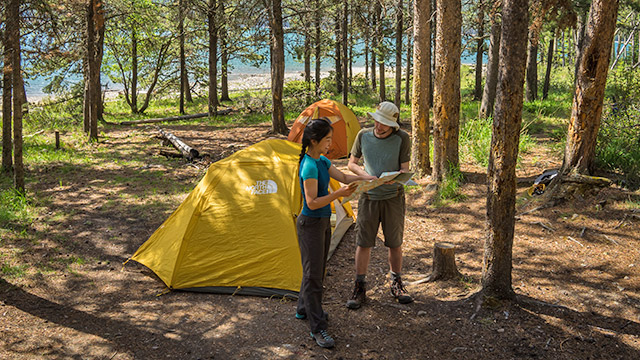
Weather in Banff changes quickly. Even in July, nights can be cold. Rain, snow, or sudden storms are possible any time.
Typical Weather Data
Below is a comparison of average summer temperatures in Banff:
| Month | Daytime High (°F) | Nighttime Low (°F) | Chance of Rain (%) |
|---|---|---|---|
| June | 64 | 37 | 33 |
| July | 69 | 41 | 29 |
| August | 68 | 40 | 28 |
How To Prepare For Weather
- Bring layers: Warm clothes, waterproof jackets, and thermal underwear.
- Use a four-season tent if you expect cold nights.
- Check weather forecasts before your trip.
- Pack extra food and water in case you’re stuck by bad weather.
A common mistake is underestimating how cold it gets. Even experienced campers sometimes forget that mountain weather can change fast.
Campground Types And Safety Differences
Banff offers several types of camping:
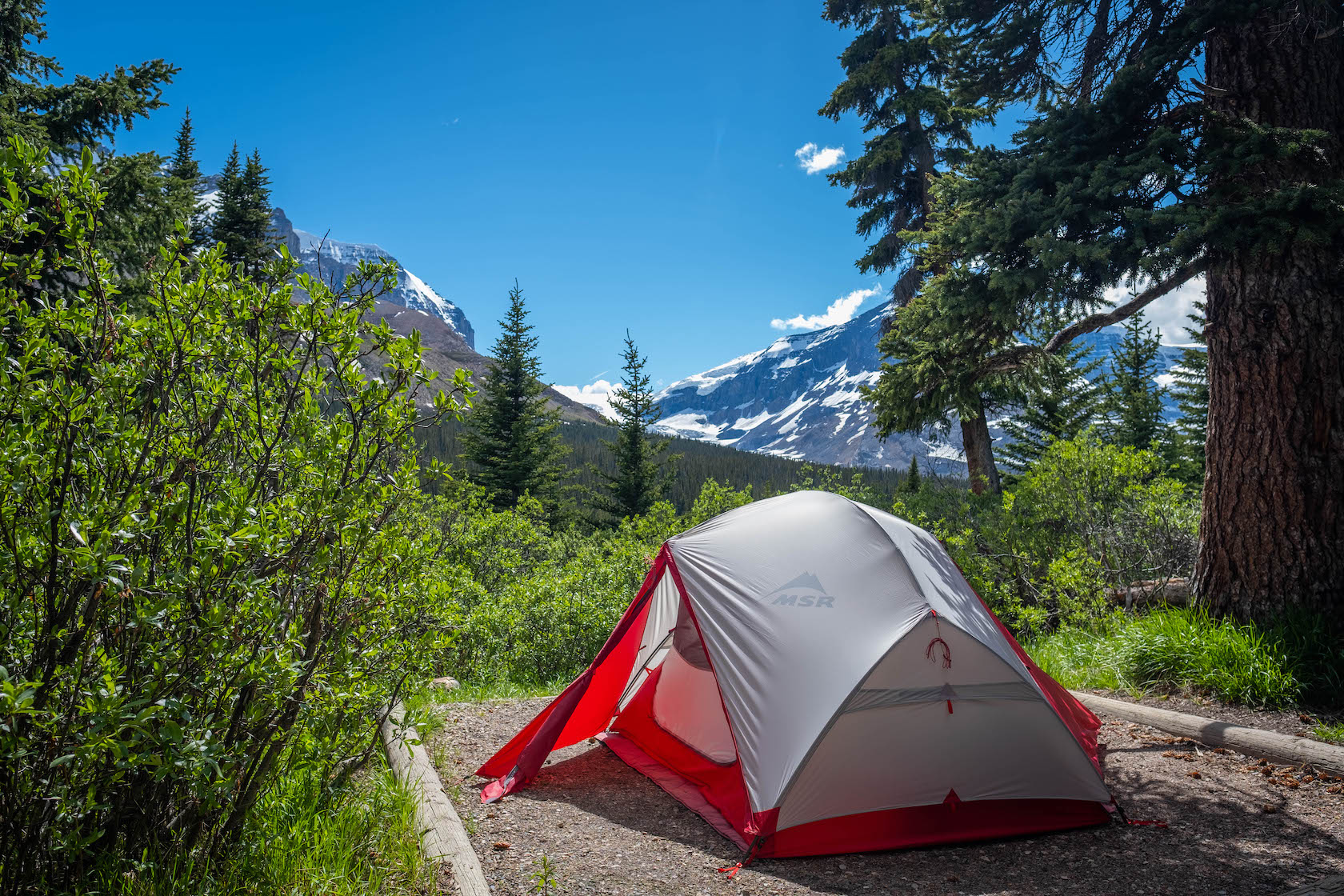
- Frontcountry campgrounds: These are accessible by car, with facilities like bathrooms, showers, and emergency phones.
- Backcountry campsites: These are remote, reached by hiking or canoeing. They offer fewer facilities and higher risks.
- RV campgrounds: Designed for campers with vehicles, with electricity and water hookups.
Comparing Campground Safety
| Campground Type | Facilities | Emergency Access | Wildlife Risk |
|---|---|---|---|
| Frontcountry | Bathrooms, showers, bear lockers | Quick (staff nearby) | Low |
| Backcountry | Basic, sometimes none | Slow (hours for rescue) | Medium to high |
| RV | Electricity, water, bathrooms | Quick (staff nearby) | Low |
Frontcountry camping is safest for beginners. Backcountry camping requires more skill and preparation.
Rules And Regulations That Protect Campers
Banff’s rules are strict for a reason. They help protect both campers and wildlife.
Key Regulations
- Food Storage: All food and scented items must be stored in bear-proof lockers or containers.
- Fire Restrictions: Fires are allowed only in designated pits. Sometimes, fire bans are in place during dry conditions.
- Quiet Hours: Most campgrounds have quiet hours from 11 pm to 7 am. This reduces stress for wildlife and campers.
- Permits: You need a camping permit for all campgrounds and backcountry sites.
If you break these rules, you can be fined or removed from the park. Following them keeps everyone safer.
Common Mistakes That Make Camping Risky
Many accidents happen because of simple errors. Here are mistakes to avoid:
- Leaving food out: This attracts bears and other animals.
- Ignoring weather forecasts: Mountain storms come fast.
- Not having bear spray: It’s your best defense.
- Poor campsite selection: Setting up near animal trails or water sources increases risks.
- Not telling someone your plans: If you get lost, rescue is slower.
Even experienced campers sometimes get careless, especially in familiar places. Always treat Banff as true wilderness.
Emergency Services And Response Times
If something goes wrong, Banff has emergency services. Most frontcountry campgrounds have staff nearby and emergency phones. For backcountry sites, help can take hours.
Emergency Response Comparison
| Location | Average Response Time | Available Services |
|---|---|---|
| Frontcountry Campgrounds | 20–40 minutes | Ambulance, ranger, fire |
| Backcountry | 2–6 hours | Search and rescue, helicopter |
Cell phone coverage is limited outside main areas. Carry a satellite phone if you plan to camp far from roads.
Practical Tips For Safe Camping In Banff
You can make your trip safer with a few smart choices:
- Book official campsites: They are safer than random spots.
- Check-in with park staff: Get updates on wildlife and weather.
- Pack a first-aid kit: Include allergy medicine and bandages.
- Bring a map and compass: GPS isn’t always reliable.
- Travel with a buddy: Solo camping is riskier, especially in the backcountry.
- Follow Leave No Trace: Clean up all waste, including food scraps.
One thing many beginners miss: Banff’s rules change with the season. In spring and fall, animal activity increases. Always ask staff about current risks.

Non-obvious Insights For New Campers
Here are two insights that most beginners overlook:
- Campground popularity affects safety: Busy campgrounds have fewer animal problems because wildlife avoids crowds. Less popular sites may have more risks, but also more privacy.
- Altitude impacts health: Banff’s campsites are high—some over 4,000 feet. This can cause headaches, fatigue, and trouble sleeping, especially for people not used to it. Drink extra water and rest often.
If you want more detailed safety advice, the official Banff National Park site has updated guidelines and alerts.
Frequently Asked Questions
Is It Safe To Camp With Kids In Banff?
Yes, camping with kids is safe in frontcountry campgrounds. Choose sites with good facilities and stay alert to wildlife. Teach children not to wander alone and keep food locked up.
Are Campfires Allowed Everywhere In Banff?
No, campfires are only allowed in designated pits at official campgrounds. Fire bans may be in place during dry weather. Always check with park staff before lighting a fire.
What Should I Do If I See A Bear Near My Campsite?
Stay calm. Do not run. Move away slowly and speak in a firm voice. If the bear comes closer, use bear spray. Report the sighting to park staff immediately.
Is Backcountry Camping Safe For Beginners?
Backcountry camping is not recommended for beginners. Risks are higher, and help is farther away. Start with frontcountry campgrounds to gain experience.
How Can I Avoid Altitude Sickness In Banff?
Drink extra water, move slowly, and avoid heavy activity for your first day. If you feel dizzy or sick, rest and descend to a lower altitude if possible.
Camping in Banff is a true adventure, with real risks and amazing rewards. If you follow rules, prepare well, and respect nature, your trip will likely be safe and unforgettable. By staying alert and learning from others’ mistakes, you can enjoy everything Banff has to offer—without worry.
