
Every summer, thousands of campers and staff flock to Camp Mystic, a well-known girls’ summer camp near the Guadalupe River in Hunt, Texas. The camp is famous for its scenic river views, old traditions, and strong community spirit. But there’s another side to Camp Mystic that many visitors and parents wonder about: flooding. How often does Camp Mystic flood? How serious is the risk, and what does the camp do to stay safe? If you’ve ever asked these questions, you’re not alone.
Flooding is a concern for any camp built near a river, especially in Texas Hill Country where weather can be unpredictable. This article offers a clear, honest look at the history and reality of flooding at Camp Mystic. You’ll learn about past floods, rainfall patterns, and practical steps the camp takes to protect its campers.
By the end, you’ll understand how often Camp Mystic floods, what causes it, and how to plan for a safe camp experience.
Camp Mystic’s Location And Flood Risk
Camp Mystic sits along the banks of the Guadalupe River, one of the most beautiful rivers in Texas. The river provides swimming, canoeing, and stunning scenery. But its location also brings risk. The Guadalupe River passes through the Texas Hill Country, an area known for rapid changes in weather and frequent flash floods.
The land around Camp Mystic has a mix of hills, valleys, and limestone. This makes water run off quickly, especially after heavy rain. When storms hit, the river can rise fast—sometimes within hours. The ground doesn’t absorb much water, so rain ends up in the river.
This is why flooding is a real concern for camps like Mystic.
How Often Has Camp Mystic Flooded?
To answer “How often does Camp Mystic flood? ” we need to look at the history and available data.
Historical Floods At Camp Mystic
Camp Mystic has operated since 1926, giving us nearly a century of records and stories. Flooding events have happened, but they are not annual. Instead, floods occur mainly during unusual weather events.
Some key floods at Camp Mystic:
- July 1932: One of the earliest recorded floods. The river rose quickly after days of rain, causing damage to camp cabins and the waterfront.
- August 1978: A major flood that affected much of the Texas Hill Country. Camp Mystic saw water levels rise several feet, forcing campers to evacuate temporarily.
- October 1981: Heavy rains led to flooding, but the camp’s improved infrastructure helped limit damage.
- June 2002: The Guadalupe River experienced record-breaking floods. Mystic staff acted quickly, moving campers to higher ground. Some camp activities paused for several days.
- May 2015: Strong storms brought flash flooding across Texas. Camp Mystic had to adjust schedules and keep campers away from the river until water receded.
- September 2018: The river rose after a series of storms. Camp Mystic activated its emergency plan, but the flooding was less severe than in previous years.
Looking at these events, Camp Mystic has seen about six major floods in almost 100 years. Smaller floods and high water events happen more often, but do not always disrupt camp life.
Frequency Of Flooding
Based on historical records and weather data, major floods at Camp Mystic occur about once every 15–20 years. Minor flooding—when the river rises but does not overflow cabins or key areas—happens more often, sometimes every 2–5 years.
The camp’s staff monitors river levels and weather forecasts closely. The Guadalupe River is measured at points near Hunt, and warnings are issued if water rises too fast.
Comparison Table: Flood Frequency At Camp Mystic Vs Neighboring Camps
Below is a comparison showing flooding frequency at Camp Mystic and two nearby camps, based on historical reports.
| Camp Name | Major Floods (Last 100 Years) | Minor Floods per Decade | Evacuation Events |
|---|---|---|---|
| Camp Mystic | 6 | 4–7 | 3 |
| Camp Waldemar | 8 | 6–10 | 4 |
| Camp Stewart | 7 | 5–9 | 3 |
Insight: Camp Mystic’s flooding history is similar to other camps nearby, but frequency depends on exact location and riverbank elevation.
What Causes Flooding At Camp Mystic?
Understanding the causes helps explain the flooding pattern.
Rainfall And Storms
Heavy rainfall is the main cause. The Texas Hill Country has periods of strong storms, sometimes called “rain bombs,” which drop several inches of rain in a few hours. When this happens upstream of the camp, water rushes down into the Guadalupe River.
Flash Floods
Flash floods are sudden, fast, and dangerous. They happen when rain falls faster than the land can absorb. Because Camp Mystic sits near the river and in a valley, it is vulnerable to flash floods.
River Flow And Upstream Changes
Water flow in the Guadalupe River depends on rainfall upstream. Sometimes, it can be sunny at Camp Mystic, but heavy rain miles away will cause the river to rise. Camp staff must watch not only local weather, but also upstream conditions.
Comparison Table: River Flooding Causes
Here’s a simple table showing the main causes of flooding at Camp Mystic.
| Cause | Description | Frequency |
|---|---|---|
| Heavy Rainfall | Storms dump large amounts of rain quickly | 2–3 times per decade |
| Flash Floods | Rapid river rise due to quick rain runoff | 1–2 times per decade |
| Upstream Flooding | Rain upstream causes river rise downstream | Every few years |
| Overflow from River | River water spills onto camp property | About once every 15–20 years |
How Does Camp Mystic Prepare For Floods?
Flooding can’t always be prevented, but Camp Mystic has strong systems to keep campers safe.
Early Warning Systems
Camp Mystic uses weather alerts and river level monitors. Staff check data from the National Weather Service and local authorities. When river levels rise or storms approach, camp leaders act fast.
Emergency Plans
The camp has a detailed emergency plan. This includes:
- Moving campers to higher ground if river levels rise
- Keeping campers indoors during storms
- Pausing waterfront activities
- Contacting parents if evacuation is needed
Camp Mystic also trains staff every year on flood safety.
Infrastructure Improvements
Over the years, Camp Mystic has made key changes:
- Raised cabins and buildings above flood-prone areas
- Improved drainage systems
- Built secure bridges and paths
These steps help limit damage and keep campers away from dangerous areas.
Communication With Families
If flooding risk increases, Camp Mystic contacts parents by phone and email. They update families on the situation and the steps being taken. This helps reduce worry and keeps everyone informed.
Real-life Examples: Camp Mystic Flood Stories
Hearing about real flood experiences gives a clearer picture.
June 2002 Flood
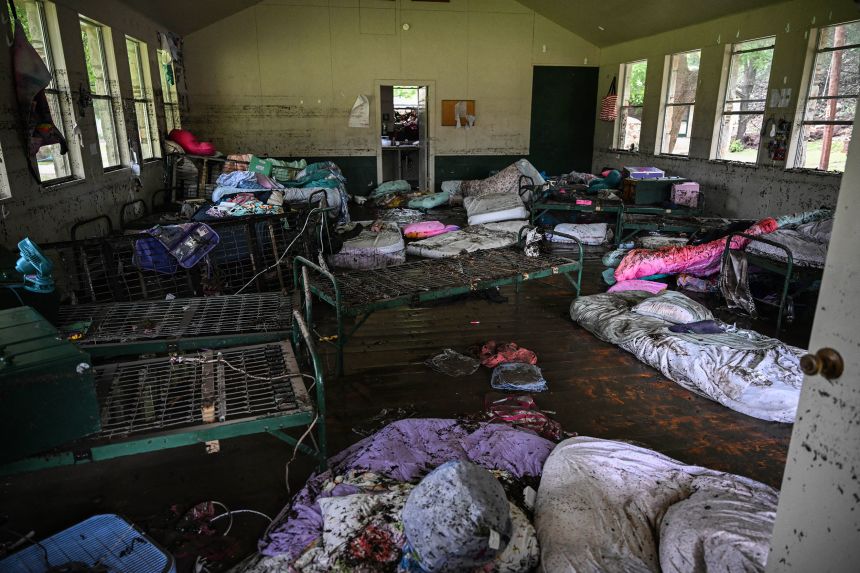
During the 2002 flood, the Guadalupe River rose more than six feet in a few hours. Camp Mystic staff quickly moved all campers to the main lodge, which sits on higher ground. Activities stopped, but no one was hurt. Parents were contacted, and some campers left early.
After the water receded, the camp cleaned up and resumed normal schedules within a week.
May 2015 Flash Flood
In 2015, a sudden storm hit overnight. The river level rose, but cabins stayed dry. Staff used flashlights to check riverbanks and made sure campers were safe. By morning, the river was higher, so swimming and canoeing were postponed. After two days, the water returned to normal.
Non-obvious Insight
Many campers don’t realize that the river can rise even when it’s sunny at camp. Upstream rain can cause floods hours later. This is why Camp Mystic’s staff always monitor river gauges miles away, not just local weather.
Flooding Trends And Climate Change
The risk of flooding may change over time. Some experts believe that climate change brings more frequent and intense storms to Texas Hill Country. Data from the past 20 years shows:
- More heavy rain events in spring and early summer
- Rising river levels after storms
- Increased need for flood preparedness
While floods are still rare, the camp is adjusting plans based on new weather patterns. This includes:
- Updating emergency plans each year
- Training staff for flash flood scenarios
- Adding new drainage and barriers
Comparing Camp Mystic Flooding To Other Texas Camps
Some Parents Ask: “is Camp Mystic Riskier Than Other Camps?”
Table: Flood Risk Comparison Of Texas Hill Country Camps
| Camp Name | River Location | Average Flood Risk | Flood Preparedness |
|---|---|---|---|
| Camp Mystic | Guadalupe River | Moderate | High |
| Camp Waldemar | Guadalupe River | Moderate-High | High |
| Camp La Junta | South Fork Guadalupe | Moderate | Medium |
| Camp Stewart | Guadalupe River | Moderate | High |
Insight: The flood risk is similar for camps along the river. Camp Mystic stands out for its strong preparedness and fast response.
Safety Tips For Campers And Parents
For families planning a summer at Camp Mystic, here are practical tips to stay safe and prepared.
- Ask About Flood Plans: Before camp begins, check what flood procedures are in place. Camp Mystic is happy to share details.
- Pack Proper Gear: Waterproof boots, rain jackets, and quick-dry clothes help in rainy weather.
- Stay Informed: Follow camp updates, especially during stormy weeks.
- Know Emergency Contacts: Keep the camp’s phone number and your child’s group leader’s contact handy.
- Teach Children Safety: Remind campers to listen to staff and avoid riverbanks during storms.
Non-obvious Insight
Some parents worry about flooding but forget that most camp activities are designed to move indoors or to higher ground during storms. Camp Mystic’s schedule can be flexible, so campers stay safe and have fun—even when the weather changes.
Addressing Common Myths About Camp Mystic Flooding
Many stories and rumors circulate about flooding at Camp Mystic. Let’s clear up a few:
- Myth 1: Camp Mystic floods every year.
- Fact: Major floods are rare. Minor floods and high water happen, but usually do not disrupt camp.
- Myth 2: Campers are often in danger.
- Fact: Camp Mystic has strong safety plans. No serious injuries from flooding have been reported in decades.
- Myth 3: Flooding always ruins camp.
- Fact: Activities may pause, but the camp adapts. Most floods last a day or two, and campers stay safe.
How Floods Impact Camp Mystic Operations
Floods can change the camp schedule, but rarely stop camp completely.
Activity Changes
When river levels are high, swimming, canoeing, and river games pause. The camp offers indoor activities, arts, crafts, and group games until water recedes.
Cleanup And Recovery
After a flood, staff clean riverbanks, cabins, and paths. This usually takes a day or two. The camp works quickly so campers can return to normal schedules.
Parent Communication
Camp Mystic keeps parents informed about delays or changes. If a flood is serious, parents may be asked to pick up campers early. This is rare, but the camp is always ready.
Insurance And Financial Protection
Some Families Wonder: Is Camp Mystic Protected Financially From Floods?
The camp carries property insurance and business interruption insurance. This covers damage to buildings and lost camp time. Families are not asked to pay extra if floods cause closures.
Tip: If you’re worried about refunds, ask the camp about their policy. Usually, Camp Mystic offers credits or refunds if major floods force early closure.
Local Flood Statistics: Guadalupe River And Hunt, Texas
To understand the wider picture, here are some statistics:
- The Guadalupe River has seen 15 major floods in the Hunt area since 1925.
- Average yearly rainfall in Hunt is 32 inches.
- Flash floods are most common in May and June.
- The river rises fastest after storms, sometimes gaining 3–6 feet in hours.
These numbers show that floods are part of life in the area, but camps and towns are prepared.
For more details on Texas flooding, visit the Wikipedia page on the Guadalupe River.

Frequently Asked Questions
How Often Does Camp Mystic Flood?
Major floods at Camp Mystic happen about once every 15–20 years. Smaller floods or high water events occur more often, about every 2–5 years, but usually do not disrupt camp operations.
Is Camp Mystic Safe During Floods?
Yes. Camp Mystic has strong emergency plans and trained staff. Campers are moved to safe areas, and activities are adjusted. Safety is the camp’s top priority.
What Happens If A Flood Occurs During Camp?
If flooding happens, campers are taken to higher ground or main lodges. Waterfront activities pause, and parents are informed. Staff clean up after the water recedes, and camp resumes as soon as it’s safe.
Should Parents Worry About Sending Kids To Camp Mystic?
Flooding is rare, and the camp is well-prepared. It’s wise to ask about safety plans, but Camp Mystic has a long record of keeping campers safe during weather events.
How Does Camp Mystic Compare To Other Camps For Flood Risk?
Camp Mystic’s flood risk is similar to other camps along the Guadalupe River. The camp stands out for its strong preparedness, clear communication, and quick response to emergencies.
Final Thoughts
Flooding is a real concern for camps along rivers, especially in Texas Hill Country. Camp Mystic has faced floods over the years, but they are not common—major floods happen only every 15–20 years. The camp is ready with safety plans, strong communication, and flexible schedules. If you’re planning to attend or send your child, ask questions, stay informed, and trust that Camp Mystic takes every step to keep campers safe.
By understanding the history, causes, and safety measures, you can enjoy the magic of Camp Mystic with peace of mind. Floods are part of nature, but with good planning, campers and families stay safe and happy.
