
Sitting around a campfire often brings warm memories—stories, laughter, and the glow of flames lighting up the night. But with that cozy feeling, a question sometimes comes up: Can a campfire cause skin cancer? Many people wonder if the smoke, heat, or light from a campfire could be dangerous for the skin in the long run. This topic matters, especially for anyone who enjoys camping, hiking, or simply spending time outdoors.
The idea that something as classic as a campfire could carry hidden health risks can be surprising. Most discussions about skin cancer focus on the sun, tanning beds, or chemical exposures. But campfires produce heat, ultraviolet (UV) light, and chemical-filled smoke—all things that might impact your skin. Understanding the real risks is important for making smart choices outdoors.
This article looks closely at the science and facts behind campfires and skin cancer. We’ll explore what happens to your skin around a campfire, what research says about smoke and heat, and how it compares to sun exposure. You’ll also learn practical ways to protect yourself and your loved ones, without giving up those special moments by the fire.
What Is Skin Cancer?
Skin cancer is the uncontrolled growth of abnormal skin cells. It happens when cells are damaged, usually by something that changes their DNA. There are three main types:
- Basal cell carcinoma (BCC): The most common. Grows slowly and rarely spreads.
- Squamous cell carcinoma (SCC): Can grow deeper and sometimes spreads.
- Melanoma: The most dangerous. Can spread quickly to other parts of the body.
Most skin cancers are linked to UV exposure—especially from the sun or tanning beds. But other factors, like certain chemicals or chronic injuries, can play a role too.
Skin cancer is the most common cancer in the United States. The American Cancer Society estimates over 5. 4 million cases of basal and squamous cell skin cancers are diagnosed each year. Melanoma, although less common, causes most skin cancer deaths.
How Campfires Affect The Skin
Sitting by a campfire exposes you to several things that could affect your skin:
- Heat: The warmth can feel pleasant but may cause damage if exposure is intense or prolonged.
- Smoke: Campfire smoke contains chemicals and tiny particles.
- Light: Flames emit visible light and some infrared radiation, but very little UV.
Understanding the risks means looking at each factor closely.
Heat Exposure
Campfires can get very hot. The temperature at the center of a wood fire can reach 1,100°C (2,012°F), but the heat you feel while sitting nearby is much lower.
Short-term heat exposure might cause:
- Redness
- Dryness
- Minor burns if too close
Long-term or repeated exposure to heat can lead to “erythema ab igne”—a condition where the skin becomes discolored and patterned from repeated heat exposure. Over time, this can damage skin cells and, in rare cases, increase cancer risk.
Smoke And Chemical Exposure
Campfire smoke is a mix of gases and tiny particles. Some of the key chemicals include:
- Polycyclic aromatic hydrocarbons (PAHs)
- Benzene
- Formaldehyde
- Carbon monoxide
PAHs are the main concern. They are also found in cigarette smoke, car exhaust, and grilled foods. Some PAHs can stick to the skin and, when absorbed, may damage DNA.
Light And Uv Radiation
Campfires produce much less UV light than the sun. Most of the light from a campfire is visible or infrared—which gives warmth. The small amount of UV is not enough to cause sunburn or significant DNA damage. UV exposure from campfires is not considered a major risk.
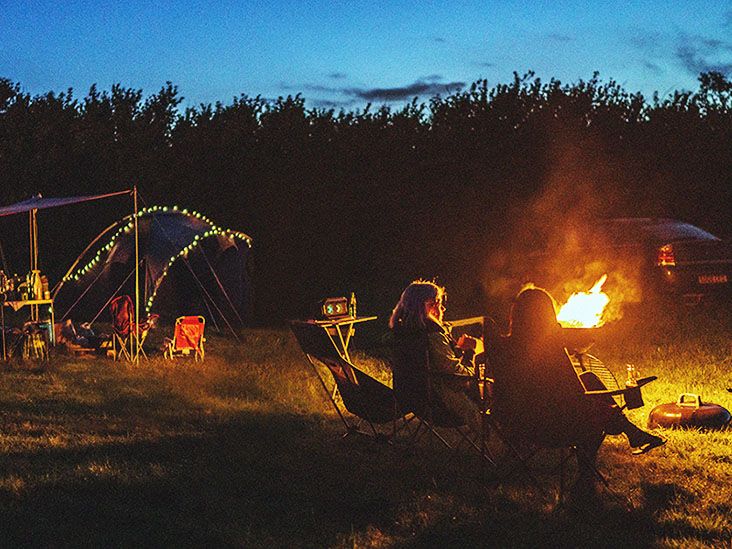
Comparing Campfire Risks To Sun Exposure
Is sitting by a campfire as risky as sunbathing? To answer this, let’s compare the main factors.
| Source | UV Radiation | Heat | Chemical Exposure | Main Cancer Risk |
|---|---|---|---|---|
| Sun | High | Moderate (depends on climate) | Low | UV-induced skin cancer |
| Campfire | Very low | High (close to fire) | Moderate | Heat and chemical exposure |
The sun is the biggest source of UV radiation, which is the main cause of skin cancer. Campfires, by comparison, give off very little UV, but do produce heat and chemicals.
Campfire Smoke: What The Research Says
Scientists have studied the health effects of smoke from wood fires, especially in indoor settings or in areas with a lot of air pollution. Here’s what’s known:
- Short-term exposure: Can irritate eyes, skin, and lungs. People with asthma or allergies may have stronger reactions.
- Long-term exposure: Linked to respiratory diseases and increased cancer risk, mainly lung cancer.
But what about skin cancer? Research on PAHs shows that they can cause cancer in animals and humans when exposure is high and regular. Workers exposed to high levels of PAHs (like chimney sweeps) have a higher risk of skin cancer. However, these are people with years of daily exposure.
Sitting by a campfire a few times a year is very different. The risk from occasional campfire smoke exposure is much lower than from years of heavy occupational exposure.
How Pahs Affect The Skin
PAHs can settle on the skin and, when exposed to sunlight (UV), can cause more DNA damage. This is called photoactivation. But around a campfire at night, there is little UV. Still, PAHs can stay on your skin for hours. Washing your skin after exposure helps reduce risk.
Heat And Skin Cancer: Is There A Link?
Long-term exposure to heat can affect skin health. Erythema ab igne is a condition seen in people exposed to heat sources over many years—like those who sat close to fireplaces or used heating pads.
This condition can sometimes lead to skin changes called keratoses. In rare cases, skin cancers like squamous cell carcinoma can develop in these areas. However, this usually happens after many years of frequent heat exposure.
A few important points:
- Sitting by a campfire occasionally is unlikely to cause this.
- Repeated, close exposure—such as cooking over open fires daily—could increase risk.
Who Is Most At Risk?
Not everyone is equally affected by campfire exposure. Certain groups should be more careful:
- Children: Their skin is more sensitive.
- People with fair skin: Burn more easily and may be more sensitive to chemicals.
- Those with existing skin conditions: May react more strongly to heat and smoke.
- People with a family history of skin cancer: Should take extra precautions.

Campfires Vs. Other Fire Sources
Campfires are just one type of open fire. Other sources include:
- Barbecues and grills
- Indoor fireplaces
- Bonfires
How Does A Campfire Compare To These?
| Fire Source | Average Smoke Exposure | Typical Proximity | Frequency of Use |
|---|---|---|---|
| Campfire | Moderate | Close (social setting) | Occasional |
| Barbecue/Grill | High (for cook) | Very close (cooking) | Frequent in some households |
| Indoor Fireplace | Low (vented) | Moderate | Frequent (cold climates) |
| Bonfire | High | Variable (crowds often at distance) | Rare |
People who work with open fires daily (cooks, blacksmiths, etc. ) Face higher and more regular exposure than someone who enjoys a campfire once in a while.
Practical Ways To Reduce Risk
If you love campfires, you don’t have to give them up. There are simple steps to lower any potential risk to your skin.
1. Avoid Sitting Too Close
Stay far enough from the flames so you feel warm, not hot. If your skin feels uncomfortably hot, move back. This reduces heat damage and keeps you away from most smoke.
2. Change And Wash Clothes Afterward
Smoke particles and PAHs can stick to your skin and clothes. Change your clothes and wash exposed skin when you return indoors.
3. Limit Time In Smoke
Try to sit upwind so smoke blows away from you. If the wind changes, move your seat. Spending less time in direct smoke exposure lowers your risk.
4. Protect Sensitive Skin
If you have sensitive skin or a skin condition, cover up with light, loose clothing. Children and people with past skin problems should be especially careful.
5. Don’t Sleep Next To A Dying Fire
The smoke and chemicals from smoldering wood can linger. Sleeping near a fire means hours of exposure, especially if you are very close.
6. Use Clean, Dry Wood
Burning trash, wet wood, or treated lumber makes more harmful chemicals. Use only clean, dry firewood for campfires.
7. Avoid Using Lotions Or Oils Beforehand
Some lotions, perfumes, or oils can react with smoke, increasing skin irritation. Go natural if you plan to be around a fire.
Common Myths About Campfires And Skin Cancer
There are some misunderstandings about campfires and cancer risk. Let’s clear up a few:
- “Campfires emit dangerous UV light.” The UV from a campfire is extremely low. The sun is still the main UV source.
- “Smoke gives you skin cancer quickly.” Occasional exposure is much less risky than long-term, daily contact with smoke or chemicals.
- “Heat alone causes cancer.” Heat can damage skin over time, but cancer risk is mainly tied to repeated, long-term exposure.
- “You’re safe if it’s outdoors.” While outdoor air helps, smoke particles can still land on your skin. Precautions still matter.
What The Experts Say
Most cancer organizations and dermatologists agree: The sun is the main cause of skin cancer. Campfires are a much lower risk, especially if exposure is limited. The main dangers from campfires are burns, smoke inhalation, and eye irritation.
However, they do caution that repeated, close exposure to smoke and heat—especially over years—could slightly raise the risk for certain skin cancers. This is mainly a concern for people with occupational exposure or those who sit very close to fires regularly.
A practical example: In the past, people who sat close to open fires for warmth every day (before central heating) sometimes developed skin changes and, rarely, cancer. Today, with less frequent exposure and better knowledge, the risk is much lower.
For more information, you can visit the American Cancer Society.
Non-obvious Insights For Campfire Lovers
Many people think all the risk comes from the flames, but smoke and soot can linger on the skin for hours. This means even after the fire goes out, you could be exposed to harmful chemicals until you wash up.
Another overlooked point: Repeated exposure to low heat (not just high heat) can still cause subtle skin changes over many years. Even if you never burn yourself, sitting close to a fire every weekend for years could have a cumulative effect.
When To See A Doctor
Most campfire-related skin problems are minor and go away on their own. But see a doctor if you notice:
- A new sore or bump that doesn’t heal
- A patch of skin that changes color or texture
- Unusual redness, swelling, or blistering that lasts days
Early detection is key for all skin cancers.
Summary: Should You Worry?
The simple answer: Occasional campfires are unlikely to cause skin cancer. The risk is very small for most people. The main concern is for people with frequent, close exposure to smoke and heat, especially over many years.
Campfires are a valued part of outdoor life. With a few smart habits—keeping your distance, washing up after, and not sitting in smoke—you can enjoy the fire while keeping your skin safe.
Frequently Asked Questions
Can Sitting By A Campfire Once Cause Skin Cancer?
No, one campfire exposure is not enough to cause skin cancer. Skin cancer develops after repeated, long-term damage to skin cells, usually from UV light. The risk from a single campfire is very low.
Is Campfire Smoke As Dangerous As Cigarette Smoke For The Skin?
Campfire smoke contains some similar chemicals to cigarette smoke, such as PAHs, but the exposure level is much lower. Cigarette smoke is inhaled directly and daily, while campfire exposure is usually less frequent. Both are best avoided when possible, but campfires are less risky for the skin.
Are Children More At Risk From Campfires?
Yes, children’s skin is more sensitive, and their bodies absorb chemicals faster. It’s wise to keep children farther from the fire, limit their exposure to smoke, and wash their skin afterward.
Can I Get Skin Cancer From Heat Alone?
Heat alone rarely causes skin cancer. However, repeated exposure to high heat (over years) can damage skin and, in rare cases, lead to cancer, especially if combined with other factors. Occasional campfire warmth is not a significant risk for most people.
What Is The Best Way To Protect My Skin At A Campfire?
The best tips are: sit farther back, limit time in smoke, wash your skin and change clothes afterward, and avoid using lotions or oils before sitting by the fire. These simple steps reduce any small risks.
Sitting around a campfire is a special experience. With basic precautions and awareness, you can relax and enjoy the warmth—knowing your skin is safe.
