
Florida is a paradox of environments. To the casual observer, it is often reduced to a simple binary of neon-lit theme parks and crowded beaches. However, the “Sunshine State” is actually a complex tapestry of ecological wonders, ancient history, cosmopolitan luxury, and laid-back island life. From the oldest masonry fort in the continental United States to the only subtropical preserve in North America, Florida demands a deeper look.
To truly understand the nuance of these landscapes, one must look past the brochures. By combining travel logistics with insights from experts in materials science, landscaping, real estate, and endurance trekking, we can uncover the distinct character of Florida’s top five destinations.
St. Augustine: The Ancient City
Established in 1565 by Spanish explorers, St. Augustine is not only a tourist town but an architectural timeline of the United States. St. George Street feels like a walk through the centuries: Spanish Colonial, British, Gilded Age in a few city blocks. The mood here is darker, heavy with history and lore that is absent from the modern sheen of the rest of the state.
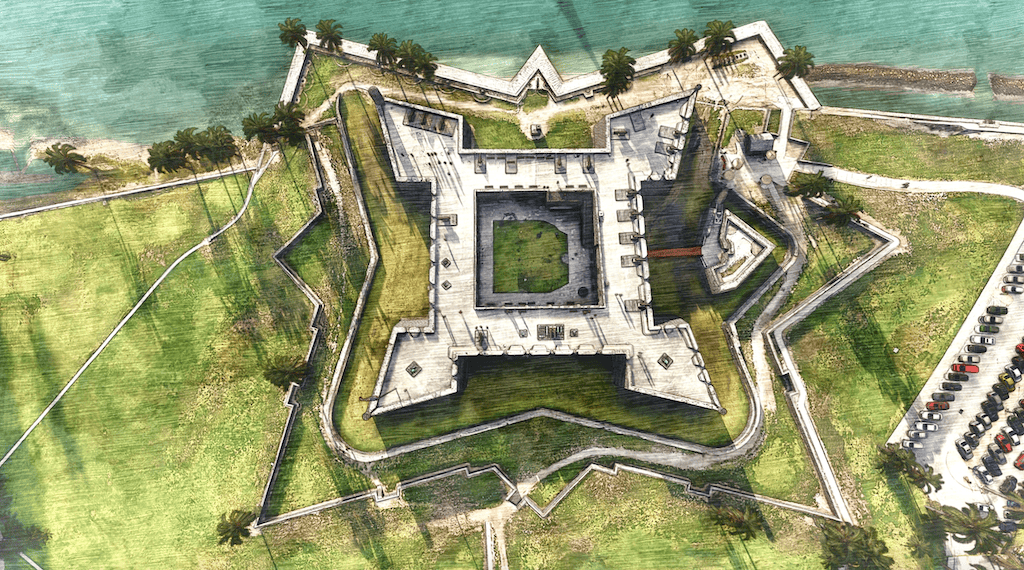
The undoubted focal point of the city is the Castillo de San Marcos, a star-shaped fort that has stood against sieges and cannon fire for centuries. While guests are often left in awe of how large it is, the real key to its longevity is what’s inside. “For all of this fort to be there now is an amazing event in historical material science,” says Erwin Gutenkunst, President and Owner of Neolithic Materials. The building is constructed of coquina, a compressed-shell sedimentary rock. Coquina, Gutenkunst says, is porous and compressible instead of brittle like stone that shatters upon impact. It acted as a kind of sponge, soaking up cannonballs instead of shattering, and the “soft stone” shielded the city for centuries.
Outside of its engineering miracle of a fortress, visitors should check out the Lightner Museum to see what Henry Flagler’s gilded Florida actually looked like, or go on ghost tours for the city it is now. St. Augustine wants you to touch the walls, physically feel history.
The Florida Keys: The Ultimate Road Trip
There is Key West at the end of the road, but this string of islands is more about the journey than the destination. The 113-mile Overseas Highway connects the peninsula to Key West, traversing 42 bridges to sling travelers between the Atlantic Ocean and the Gulf of Mexico. This is a paradise for water lovers with world-class snorkeling at John Pennekamp Coral Reef State Park in Key Largo and sport fishing in Islamorada.
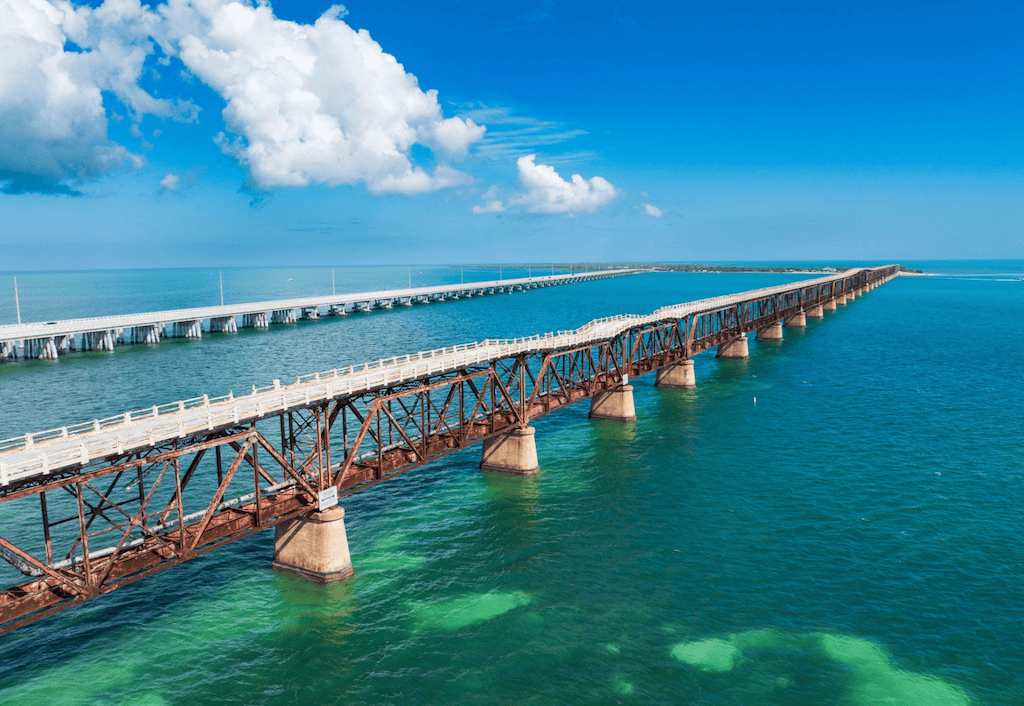
But going directly to the end is a mistake. “There are not many roads to drive on here, so it forces you take the scenic route,” says Eric Hyde, marketing manager at Four Wheel Campers. Hyde recommends that the drive down the 126-mile Overseas Highway be treated as the trip, not a means of transportation. He suggests that travelers (particularly those in RVs or campers) research state parks along the way, including the breathtaking Bahia Honda. It’s a rare freedom, Hyde says, one that defines the overland experience on these trails in Florida being able to park your rig just feet from curly-tailed waters of turquoise tranquility a privilege often abandoned and forgotten when gunning for crowded streets on Key West.
When you do get to Key West, the mood becomes something of a celebratory tranquillity. Tour the Hemingway Home, home to six-toed cats, enjoy a slice of real key lime pie (which according to tradition has a yellow filling and never a green one) and embrace the “One Human Family” ideology that threads though the fabric in these parts.
Miami: Design, Culture, and Neighborhoods
Miami is overwhelming, frequently referred to as the capital of Latin America. The energy here is palpable, from the cigar smoke of Little Havana to South Beach’s Art Deco neon. But Miami is not a monolith; it’s a pastiche of unique districts that feel like completely separate countries.
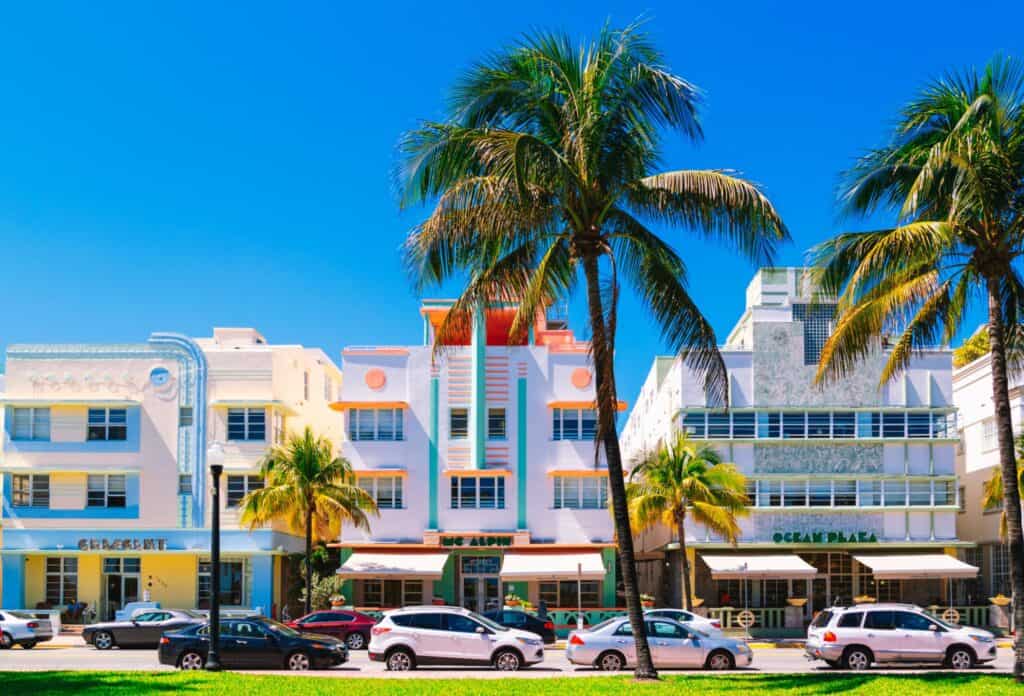
While South Beach gets the headlines, the city’s residential and historical sectors offer a lush, sophisticated alternative. Amanda New, Founder & CEO of Cash For Houses Girl, points out that the real estate landscape of Miami tells a story of diverse livability. She notes a massive shift of interest toward areas like Coral Gables and Coconut Grove, which offer a canopy-covered aesthetic that contrasts sharply with the stark concrete of downtown. New advises visitors to drive through Coral Gables, known as “The City Beautiful,” to witness the 1920s Mediterranean Revival architecture that defined the Florida land boom.
An itinerary for the perfect day: A cortadito in Little Havana to start, followed by an afternoon looking at street murals in Wynwood Walls then with your new burst of energy, walk around the leafy avenues of Coconut Grove. Miami is a city that provides to those who stray from the beaches and into the barrios and boroughs where all the locals really live.
Orlando: Endurance and Nature
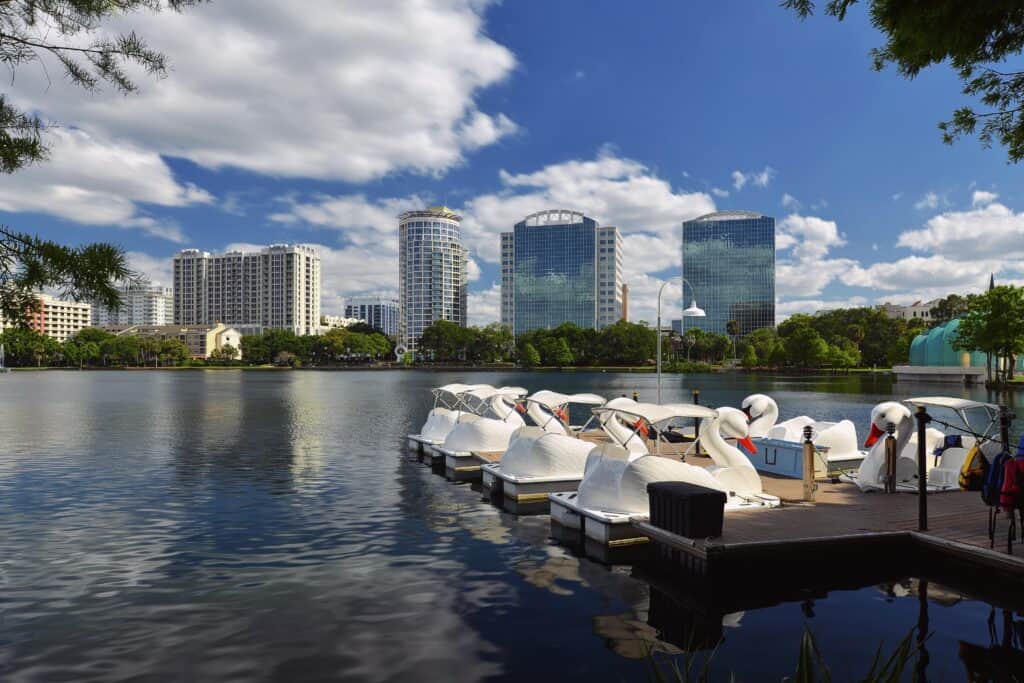
Orlando means Walt Disney World and Universal Studios. It is a site of magic, imagination and as it turns out, tremendous physical effort. The downtown, with Lake Eola as its core and the upscale avenues of Winter Park have a “real city” feel to them, but the theme parks continue to be where it’s at. But a week of theme park hopping is also grueling, thanks to guests who may walk 10 to 12 miles per day on unforgiving concrete.
Marc Bromhall, Founder of Cape Trek, approaches Orlando not just as a vacation, but as an endurance event. He notes that most people underestimate the physical toll of a Florida theme park trip, comparing the “time on feet” to moderate hiking expeditions. Bromhall recommends balancing the concrete fatigue by escaping to nature preserves like the Tibet-Butler Preserve or Wekiwa Springs State Park. He suggests that walking on natural soil trails and swimming in fresh spring water is the most effective way to reset the body after days of standing in lines, turning a exhausting vacation into a balanced one.
By combining the parks’ high-octane energy with the restoring calm of the nearby natural springs, you enjoy both Orlandos: the man-made magic and sheer beauty.
The Everglades & Naples: The River of Grass
Southwest Florida is a study in contrasts. Naples, on the Gulf Coast, offers luxury high rises, manicured estates and white sand beaches. But just a quick drive from there is the Everglades, a UNESCO World Heritage site and raw, untamed wilderness.
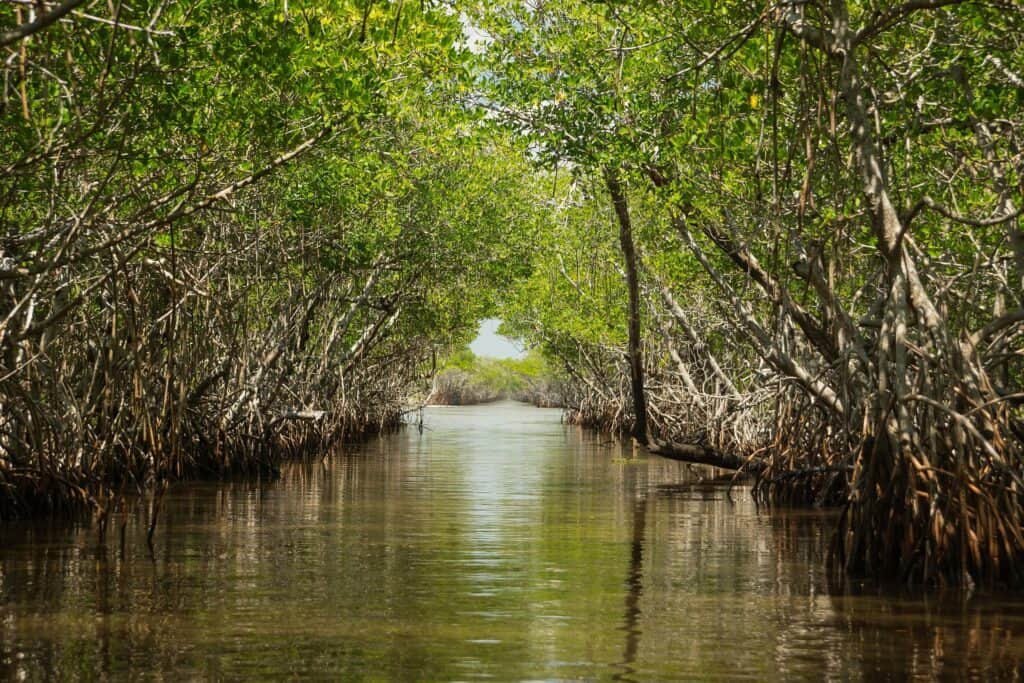
This is a terrestrial universe that doesn’t exist anywhere else on the planet ambling river up to 60 miles wide, brimming with sawgrass marshes and drifted-in cypress domes and mangroves. BJ Hamilton, Owner of Natures Own Landscaping, brings the show to a halt when he describes the brutal yet stunning shift from the groomed gardens of Naples to the untamed architecture of the Everglades. Hamilton explains that where Naples features human landscape design, the Everglades features nature’s engineering, in particular the mangrove roots. He calls mangroves “nature’s landscapers,” essential for stabilizing shorelines and building islands. Witnessing these root systems from an airboat or boardwalk is a master class in the way indigenous greenery feeds a whole ecosystem.
Visitors should hit the 15-mile bike-loop at Shark Valley, where they’ll see alligators sunning on the pavement in undeterred glory, or a pole-boat tour to silently glide through the marshes. It is a reminder that far beyond the luxury hotels, Florida is still something of a wild and prehistoric frontier.
