
Making your own tent seam sealer at home can save you money and give you control over what goes into your gear. If you love camping but hate waking up in a puddle after a rainy night, sealing your tent seams is essential. Many campers don’t realize how quickly factory seams can start to leak after a few trips. Buying commercial seam sealers is convenient but sometimes expensive, and you may not always know what chemicals they use. Creating a homemade solution is not only budget-friendly but also surprisingly effective. Let’s explore how to make and use your own tent seam sealer, compare it to store-bought products, and look at common mistakes first-timers make.
Why Seam Sealing Matters
Most tents are made from synthetic fabrics like nylon or polyester. While these materials shed water, their seams are weak points where leaks can start. Rain can seep through needle holes or where fabrics join. Even a small leak can lead to soaked gear and a miserable camping experience.
Seam sealing acts as an invisible barrier. It blocks water from entering through tiny holes and stitches. This means you stay dry, your tent lasts longer, and you avoid mold or mildew inside your shelter.
Homemade Tent Seam Sealer: What You Need
Making your own seam sealer is simple. You only need a few ingredients, many of which you might already have at home. Here’s a basic recipe for a silicone-based sealer, which is the most popular DIY option.
Ingredients
- 100% clear silicone caulk (not latex or acrylic)
- Mineral spirits (paint thinner)
- Small glass jar with lid
- Disposable brush or foam brush
- Rubber gloves (optional but recommended)
Quantities
For a small-to-medium tent:
- 2 tablespoons silicone caulk
- 3 tablespoons mineral spirits
This mix will cover most seams with a little left over. If you have a large family tent, double the recipe.
Why This Formula Works
Silicone is naturally waterproof and flexible. When mixed with mineral spirits, it becomes thin enough to spread easily. As the spirits evaporate, you’re left with a clear, flexible layer that blocks water.
How To Make Homemade Seam Sealer
- Squeeze the silicone caulk into your glass jar.
- Add the mineral spirits.
- Stir with a stick or old spoon until fully mixed. The mix should look like runny syrup.
- Seal the jar tightly if not using right away. (It will last for a few days.)
Tip: Mix only what you need. The sealer can thicken and become hard to use after a few days.
Applying Your Seam Sealer
- Pitch your tent in a dry, well-ventilated area.
- Clean the seams with a damp cloth to remove dirt or old sealer.
- Dry completely before sealing.
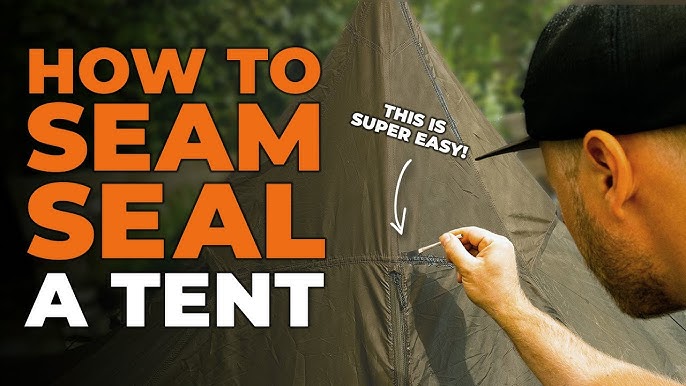
- Dip your brush into the sealer and apply a thin layer along all inside seams.
- Spread evenly, making sure to get into the needle holes and folds.
- Let dry for at least 12 hours before packing away.
Non-obvious insight: Always seal the tent from the inside unless the manufacturer says otherwise. Most leaks start where water pools inside seams.
Credit: www.youtube.com
Homemade Vs. Store-bought Seam Sealers
Some campers wonder if homemade sealers work as well as commercial brands. Here’s a side-by-side look:
| Feature | Homemade Sealer | Store-Bought Sealer |
|---|---|---|
| Price | Very Low ($2-3 per batch) | Medium ($8-15 per tube) |
| Waterproofing | Excellent (if applied well) | Excellent |
| Drying Time | 12-24 hours | 12-24 hours |
| Ingredients Control | Full control | Unknown |
| Easy to Use | Some mixing needed | Ready to use |
Most campers find homemade sealers work just as well, but you need to mix and apply them carefully.
When To Re-seal Your Tent
Knowing when to re-seal is important. Here are some signs you need a fresh coat:
- You see flaking or peeling on old seam tape
- Water leaks inside during rain
- The tent is over 2 years old and used often
Non-obvious insight: Even new tents can need extra sealing. Manufacturers sometimes miss spots or use thin coatings.
Common Mistakes To Avoid
- Skipping cleaning: Dirt blocks the sealer from sticking.
- Too thick application: Thick layers can peel or stay sticky.
- Using wrong caulk: Only 100% silicone caulk works. Latex or acrylic won’t seal properly.
- Not allowing enough drying time: Pack away too soon, and the sealer will not cure.
- Forgetting outside seams: Some rain flies need sealing on both sides.
Practical Tips For Best Results
- Test first: Try your sealer on a scrap of fabric before sealing your tent.
- Ventilate: Mineral spirits have strong fumes. Work outside or in a garage.
- Store leftovers: Seal jars tightly and label with date for later use.
- Inspect seams annually: Regular checks prevent unexpected leaks.

Credit: www.reddit.com
Comparing Different Sealer Types
If you want to explore options, here’s how homemade and two common store-bought types stack up:
| Type | Main Ingredient | Use Case |
|---|---|---|
| Homemade | Silicone & Mineral Spirits | All synthetic tents |
| Water-Based Sealer | Acrylic/Polyurethane | Polyurethane-coated tents |
| Silicone-Based Store | 100% Silicone | Silnylon tents |
Always check your tent’s fabric type and use the right sealer for best results.
Safety And Environmental Notes
- Wear gloves to avoid skin contact.
- Dispose of rags and leftover spirits properly.
- Work away from flames, as mineral spirits are flammable.
- If you prefer a less toxic option, water-based sealers are available, but they may not last as long on silicone-coated tents.
Where To Learn More
For a deeper look at tent waterproofing and fabric types, the Wikipedia page on tents is a reliable source.
Frequently Asked Questions
How Often Should I Reseal My Tent Seams?
Most campers reseal every 1-2 years, or after heavy use or exposure to harsh weather. Check seams before each camping season.
Can I Use Homemade Seam Sealer On Any Tent?
Homemade silicone sealer is best for nylon or polyester tents. If your tent has a polyurethane coating, use a water-based sealer instead.
How Do I Test If My Seam Sealer Worked?
After drying, pour water on the tent seam or use a spray bottle. Watch for leaks inside. If you see drips, add a second coat.
Is Homemade Seam Sealer Safe For The Environment?
Silicone and mineral spirits are less eco-friendly than water-based sealers. Use them sparingly and dispose of leftovers properly.
What Should I Do If My Tent Still Leaks After Sealing?
Check for missed spots or apply a second thin layer. Sometimes, very old tents need new seam tape or professional repair.
Making your own tent seam sealer is a smart way to keep your camping gear dry and reliable. With a little effort and care, you’ll be ready for any weather and save money, too. Happy camping!

Credit: www.greenbelly.co
