
Camping on gravel can be both a beautiful and a challenging experience. The rough ground gives good drainage, but it can easily damage your tent. If you’re not careful, sharp stones can poke holes, wear down the floor, and even ruin your camping trip.
So, how do you protect your tent from gravel and still enjoy a comfortable night outside? Let’s dive in and make sure your next adventure is worry-free.
Why Gravel Is Tough On Tents
Gravel is made up of small, sharp stones. These stones can cut or scratch your tent floor, especially when you move around inside. Over time, even strong tents can develop holes or thin spots. If you camp often on gravel, you need to take extra steps to keep your tent in top condition.
Preparing Your Campsite
Before you set up your tent, spend a few minutes preparing the ground. Small actions here can make a big difference later.
- Clear away sharp stones: Use your hands, feet, or a small brush to move the biggest and sharpest stones away from where your tent will sit.
- Check for glass or metal: Sometimes, campsites have broken glass or trash hidden in the gravel. Remove these carefully so they don’t cut your tent or sleeping pad.
- Level the ground: Try to find the most even area. This helps prevent discomfort while sleeping and reduces pressure points on your tent floor.
Many campers skip this step, but it’s one of the easiest ways to avoid damage.

Credit: www.reddit.com
Ground Protection Options
The best way to shield your tent from gravel is to use a groundsheet or similar barrier. Here’s a look at the most popular options.
| Ground Protection | Durability | Weight | Cost |
|---|---|---|---|
| Dedicated Footprint | High | Light | Medium-High |
| Heavy-Duty Tarp | Very High | Heavy | Low-Medium |
| Plastic Sheet | Medium | Very Light | Low |
| Foam Mat | Medium | Medium | Medium |
1. Tent Footprint
A tent footprint is a special groundsheet made by your tent brand. It’s cut to fit your tent floor exactly and uses tough fabric. Footprints are great because they add a strong layer without extra weight. They also keep water from seeping in.
2. Heavy-duty Tarp
If you don’t have a footprint, a tarp is your next best choice. Buy one a little bigger than your tent, and fold any extra under the tent so water doesn’t collect on top. Tarps are cheap, strong, and easy to replace.
3. Plastic Sheet
A simple plastic sheet (like a painter’s drop cloth) can work in a pinch. It’s not as tough as a tarp, but it’s very light and easy to pack. It won’t last as long if used often on gravel.
4. Foam Mats
Foam sleeping mats under your tent add comfort and protect from sharp stones. This is a smart tip many beginners miss. Foam also provides extra insulation, which is great on cold nights.
Setting Up Your Tent
How you pitch your tent also affects its protection. Follow these steps to keep your tent safe on gravel.
- Lay out your groundsheet: Make sure it is flat, with no wrinkles. Tuck any edges under the tent to keep rain out.
- Position the tent carefully: Try not to drag the tent across the gravel. Instead, lift it and place it gently on your groundsheet.
- Stake gently: Gravel is tough, so use strong metal stakes. Tap them in at a shallow angle, and avoid hammering too hard. This prevents damage to both the stakes and your tent loops.
One insight many campers forget: If the gravel is too hard for stakes, use heavy rocks to anchor your tent corners.
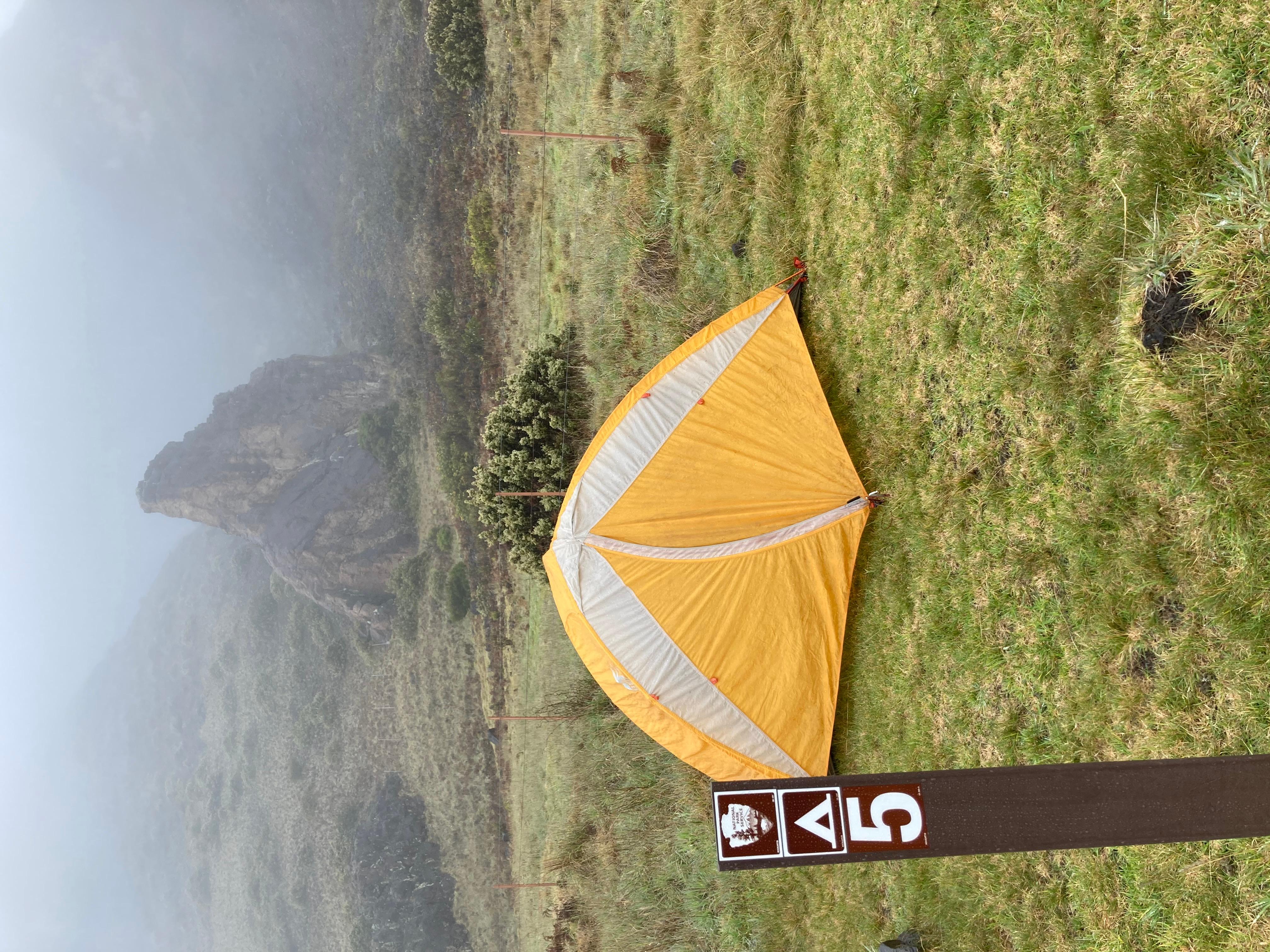
Credit: www.nps.gov
Protecting The Tent Floor
Sometimes, even with a groundsheet, gravel can still press through. Here are a few ways to add more protection.
- Double up: Use both a footprint and a tarp for extra security, especially if you’re camping for several days.
- Use foam tiles: Interlocking foam tiles (like kids’ play mats) work well under the tent. They’re lightweight and give a cushioned feel.
- Add an inside layer: Place a thin blanket or old sheet inside the tent. This helps protect the floor from the inside, especially if you move around at night.
| Inside Protection | Comfort | Floor Safety |
|---|---|---|
| Blanket | Medium | Good |
| Foam Tiles | High | Excellent |
| Sleeping Pads | Very High | Good |
Maintenance Tips After Camping
Taking care of your tent after each trip helps it last longer.
- Shake out dirt and stones before packing.
- Check for holes or wear spots. Repair small holes right away with a patch kit or tape.
- Dry your tent fully before storing. Gravel can hold moisture, which leads to mildew.
A tip many campers overlook: Always check the seams and corners. These areas often wear out first.
Choosing The Right Tent For Gravel
If you camp on gravel often, choose a tent with a thicker floor. Some tents are made for rough ground and have reinforced corners and strong materials. Look for a tent with a floor denier rating of at least 70D. The higher the number, the tougher the fabric.
If you’re not sure about ratings or materials, you can compare tent floor specs on outdoor gear websites like REI.
Common Mistakes To Avoid
- Skipping the groundsheet: Even the toughest tent can get holes without a protective layer.
- Letting tarps stick out: If your tarp sticks out, rainwater can run under your tent and cause problems.
- Dragging your tent: Always lift, never drag, especially on gravel.
- Using thin plastic bags: Grocery bags or trash bags tear easily and don’t offer real protection.
- Ignoring small stones: Even tiny stones can poke through after a few nights.

Credit: cascadedesigns.com
Frequently Asked Questions
How Thick Should A Groundsheet Be For Gravel Camping?
A groundsheet of at least 6 mils (0.15mm) is recommended for gravel. Thicker is better for repeated use. Look for tarps or footprints labeled as “heavy-duty.”
Can I Use A Yoga Mat Under My Tent?
Yes, a yoga mat can give some comfort and protection, but it’s often too small to cover the whole floor. It works best as extra padding in key areas, like where you sleep.
Is It Safe To Use Inflatable Mattresses On Gravel?
Yes, but always use a groundsheet and foam layer under your inflatable mattress. Sharp stones can pop the mattress if there’s no good barrier.
What If I Don’t Have A Footprint Or Tarp?
In an emergency, use clothing, blankets, or even leaves to pad the tent floor. This isn’t perfect, but it’s better than nothing.
How Do I Repair A Tent Floor Damaged By Gravel?
Clean the area, then use a tent repair kit or strong duct tape on both sides of the hole. For large damage, consider sewing a patch or asking a professional.
Camping on gravel is possible with the right preparation and care. Protecting your tent means you can enjoy the outdoors without worry—and your gear will last for many adventures to come.
