
Camping in the rain might sound like a challenge, but it can be an unforgettable adventure. Raindrops on your tent, fresh earthy smells, and quiet forests create a unique outdoor experience. With the right preparation, you’ll stay dry, comfortable, and safe. This guide will help you master camping in the rain, even if you’re a beginner.
Choosing The Right Gear
Picking waterproof gear is the first step to a successful rainy campout. Not all equipment will keep you dry, so pay attention to these essentials.
| Gear | What to Look For | Why It Matters |
|---|---|---|
| Tent | Rainfly, sealed seams, bathtub floor | Keeps water out, protects from ground moisture |
| Sleeping Bag | Synthetic fill, water-resistant shell | Stays warm even if damp |
| Clothing | Waterproof jacket, quick-dry fabrics | Prevents chills and discomfort |
Pro tip: Always bring extra socks. Wet feet can ruin your trip faster than you think.
Setting Up Your Campsite
Where you set up your tent can make a big difference in the rain. Not every spot is equal when water is pouring down.
- Choose high ground. Avoid valleys and low spots where water collects.
- Look for natural cover. Trees can offer some shelter, but avoid camping under dead branches.
- Check the ground. Pick a flat area with good drainage. Hard-packed soil or gravel is better than soft mud.
- Angle your tent. Position the door so rain doesn’t blow directly inside.
Avoiding Common Pitfalls
Many campers set up their tent in the first spot they see. Take time to walk around and check for puddles or signs of flooding. Also, never set up too close to rivers, as water levels can rise quickly.

Credit: www.cabinzero.com
Keeping Dry Inside And Out
Staying dry is about smart habits as much as good gear. Here’s how to keep you and your belongings protected.
Smart Layering
Wear layered clothing so you can adjust as conditions change. Start with a moisture-wicking base, add an insulating layer, and finish with a waterproof outer shell.
Protect Your Gear
Use dry bags or heavy-duty plastic bags for your clothes, electronics, and food. Even if your tent leaks, your essentials stay dry.
Managing Wet Items
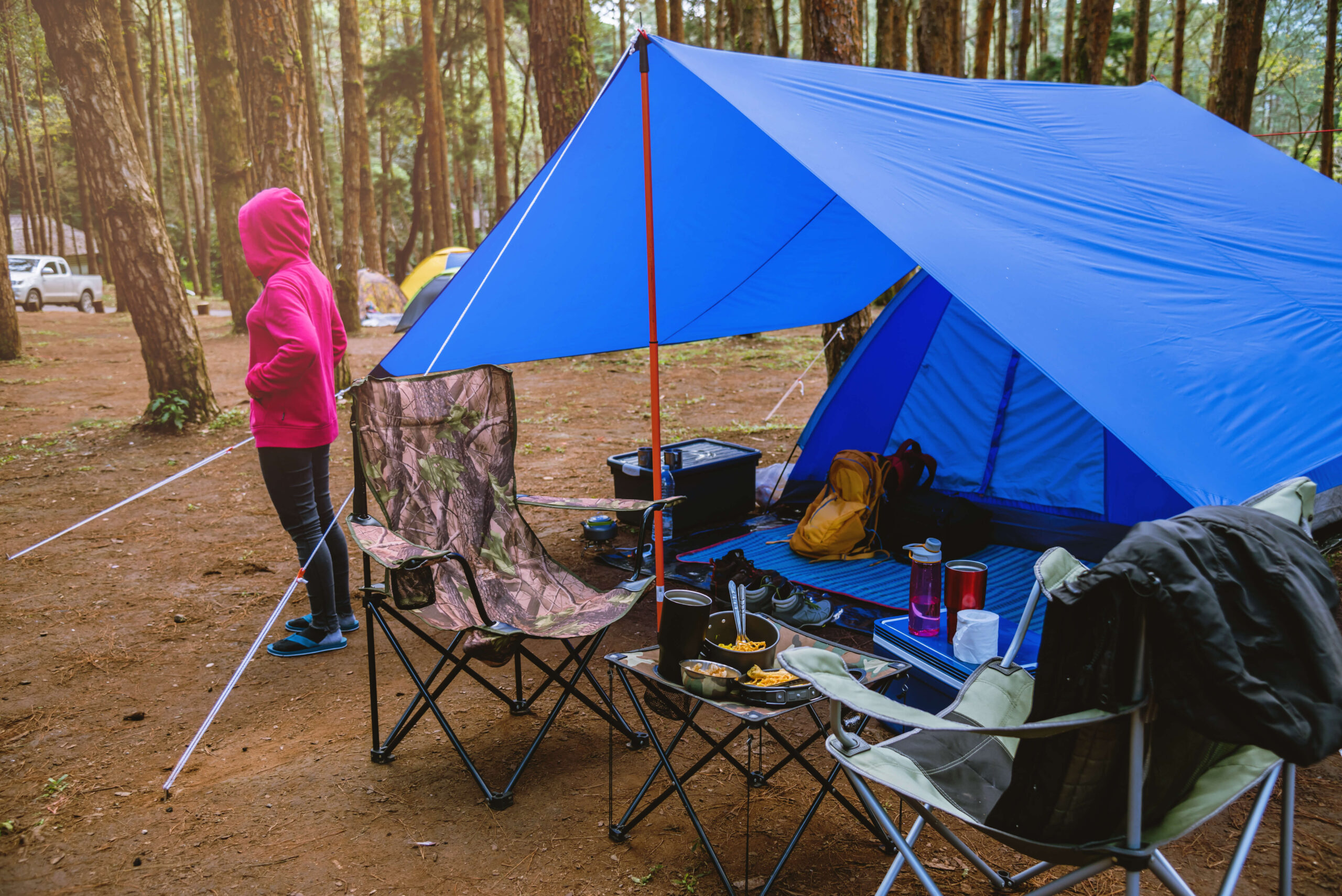
Set up a separate area under a tarp for wet boots and jackets. Don’t bring soaked gear inside your sleeping area—this is a common mistake that makes everything damp and cold.
Cooking And Eating In The Rain
Cooking in wet weather needs extra care. The right setup can keep you safe and well-fed.
- Use a tarp or canopy. Create a dry zone for cooking, but always allow for ventilation.
- Bring simple meals. Instant soups, oatmeal, and pre-cooked rice reduce time in the rain.
- Keep matches and lighters dry. Store them in a waterproof container.
| Cooking Method | Works Well in Rain? | Notes |
|---|---|---|
| Camp Stove | Yes | Stable flame, works under cover |
| Open Fire | No | Difficult to start, dangerous under tarp |
| Cold Meals | Yes | Good backup, no cooking needed |
Quick tip: Wet wood is tough to burn. Stick to a stove or eat cold if it’s pouring.
Sleeping Comfortably
A good night’s sleep is possible even in the wettest weather. Start by using a groundsheet under your tent. This extra layer protects against water seepage.
Pick a synthetic sleeping bag—it stays warm if it gets a little wet. Down sleeping bags lose their warmth when damp. Pair your bag with a sleeping pad for extra insulation from the cold ground.
Before bed, change into completely dry clothes. Sleeping in damp clothes is a rookie mistake and guarantees a miserable night.
Staying Positive And Entertained
Rain can keep you tent-bound for hours. Plan for downtime with books, cards, or travel games. It’s a great chance to relax, tell stories, or listen to the rain.
Bring a headlamp or lantern for long evenings. Dull weather gets dark quickly, so good lighting is essential.

Credit: gearjunkie.com
Safety And Health Tips
Wet conditions can lead to hypothermia, even in mild weather. Check yourself and your group for shivering or confusion—early warning signs. Always have a plan for emergencies, and make sure your phone or radio is protected and charged.
Fact: About 50% of camping injuries in rain are due to slips and falls. Move slowly, and wear shoes with good grip.
Common Beginner Mistakes
Many first-timers forget these key points:
- Not sealing tent seams before the trip
- Forgetting extra dry clothes
- Packing cotton (which stays wet and cold)
- Not staking out rainfly and guy lines tightly
- Cooking inside the tent (fire risk!)
Learn from these errors, and your rainy campout will be a success.
Practical Extras For Rainy Camping
Here are a few items that make a big difference:
- Microfiber towel: Dries quickly, handy for wiping gear
- Gaiters: Keep water out of boots
- Poncho: Covers both you and your backpack
- Small brush: For clearing mud from shoes and tent
These small items add comfort and convenience, especially when the weather turns bad.
The Benefits Of Camping In The Rain
While many campers avoid wet weather, rain brings some real advantages:
- Fewer bugs: Mosquitoes and flies are less active
- Quiet surroundings: Most people stay home, so you get peace and solitude
- Lush scenery: Plants look greener and streams flow stronger
Embrace the rain, and you’ll see nature in a new way.
Credit: thimbleandtwig.com
Frequently Asked Questions
What Type Of Tent Is Best For Rain?
Look for a double-wall tent with a full-coverage rainfly and bathtub-style floor. Sealed seams and waterproof zippers are important for keeping water out.
How Do I Dry Wet Clothes While Camping?
Hang wet clothes under a tarp or inside the tent vestibule. Use a microfiber towel to wring out excess water. Never dry clothes inside your sleeping area to avoid dampness.
Is It Safe To Camp During A Thunderstorm?
It’s best to avoid camping during storms with lightning. If caught outside, stay away from tall trees and metal objects. For more about lightning safety, see this expert guide.
Can I Start A Campfire In The Rain?
It’s difficult and often not recommended. Use a stove instead. If you must build a fire, use dry wood kept in a sealed bag and build a base with rocks to keep it off wet ground.
What Food Should I Bring For Rainy Camping?
Pack instant meals, energy bars, and no-cook snacks. Avoid foods that need long cooking times. Foods that can be eaten cold are a smart backup.
Camping in the rain takes planning, but it’s rewarding and peaceful. With smart gear, careful setup, and a positive attitude, you can enjoy the outdoors in any weather. Rainy nights can become some of your best camping memories—if you’re ready for them.
