
Building a shelter outdoors can be simple if you know how to make a tarp tent. Whether you’re camping, hiking, or preparing for emergencies, a tarp tent is a lightweight, flexible solution. You don’t need expensive gear or special skills. With a bit of practice, anyone can set up a tarp tent in less than 20 minutes. This guide will show you the right tools, clear steps, and useful tips for making a tarp tent that keeps you safe and dry.
Why Choose A Tarp Tent?
A tarp tent is popular among outdoor lovers for several reasons. First, it’s much lighter than a traditional tent. Many backpackers choose tarps to reduce weight and bulk. Second, tarps are cheaper. You can buy a large tarp for $10–$30, while tents often cost $100 or more. Third, tarps are flexible. You can set them up in many ways, depending on weather and terrain.
A study by the Outdoor Foundation found that 42% of campers use simple shelters like tarps. This is because tarps can be adapted for rain, wind, or sun. They also pack down small and fit into almost any backpack.
Materials You Need
Before starting, gather the right materials. Here’s a simple list:
- Tarp – Choose a waterproof tarp, at least 8×10 feet. A thicker tarp (10 mils) lasts longer.
- Rope or Paracord – At least 25 feet for tying the tarp and securing corners.
- Tent Stakes – 4–8 stakes help anchor your tent. You can use sticks if needed.
- Groundsheet – Optional, protects you from wet ground.
- Trekking Poles or Sturdy Sticks – Needed for some tarp setups if there are no trees.
- Backpack or Weights – Useful for anchoring corners in windy weather.
Each item plays a role. For example, paracord is strong and light, making it ideal for tying tarps. If you camp often, investing in quality stakes and cord will pay off.
| Material | Average Price | Weight (grams) | Durability (1–10) |
|---|---|---|---|
| Tarp (8×10 ft) | $15 | 600 | 8 |
| Paracord (25 ft) | $6 | 50 | 10 |
| Stakes (pack of 8) | $10 | 200 | 7 |
| Groundsheet | $10 | 250 | 6 |
Credit: www.youtube.com
Choosing The Right Location
Location is key for any shelter. Look for a flat area with good drainage. Avoid low spots where water gathers. If possible, pick a spot with natural windbreaks like bushes or rocks. Stay away from dead trees or branches, as they can fall.
If you’re in a forest, trees help anchor your tarp. In open fields, you’ll need poles or sticks. Try to face your tarp away from the wind for best protection.
Step-by-step Guide To Making A Tarp Tent
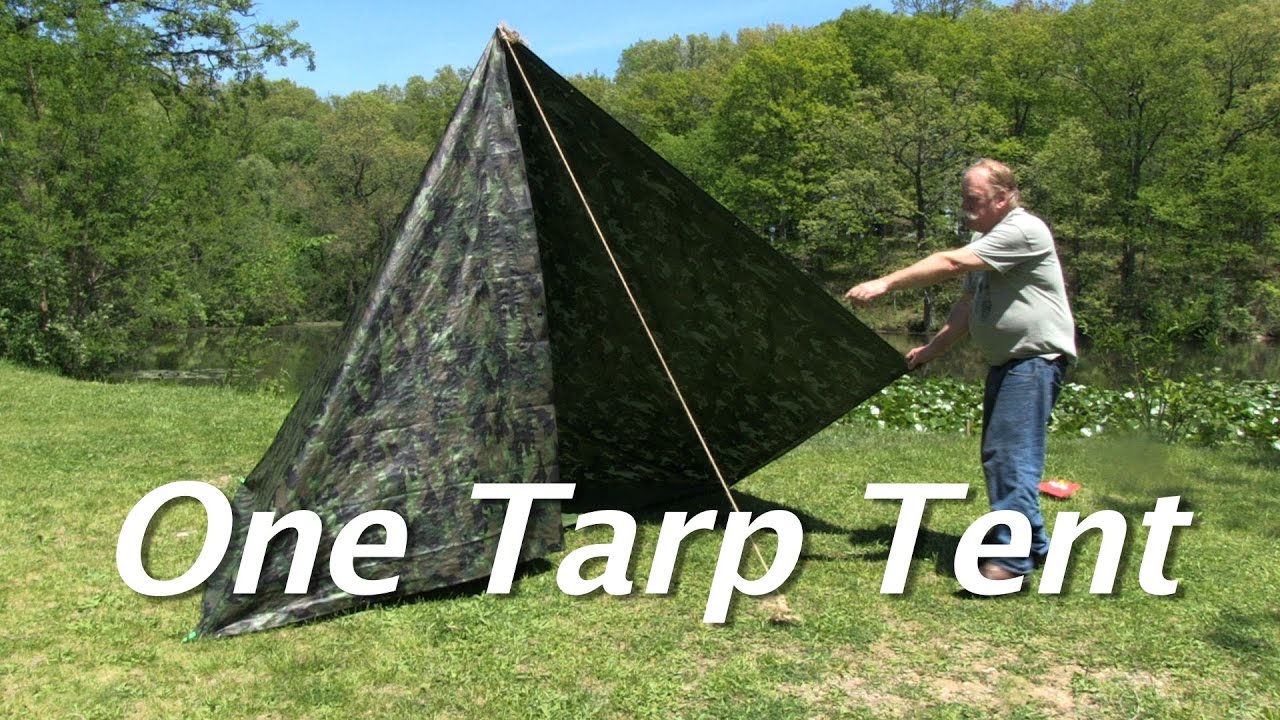
There are many ways to set up a tarp tent. Let’s focus on the A-frame method. It’s easy and works well in most conditions.
1. Set Up The Ridge Line
Find two trees about 10 feet apart. Tie your paracord or rope tightly between them, about waist-high. This line will support your tarp.
2. Place The Tarp
Spread your tarp evenly over the ridge line. Make sure both sides hang down equally. Adjust so the tarp covers enough area for you and your gear.
3. Secure The Corners
Pull the corners out and stake them down. Use tent stakes or strong sticks. Make sure the tarp is tight, so rain runs off and doesn’t pool.
4. Adjust And Reinforce
Check for sagging. Tighten cords and stakes as needed. If it’s windy, use extra rope to secure the sides. You can also place rocks on the corners for extra stability.
5. Add A Groundsheet
Lay a groundsheet under the tent area. This keeps you dry and protects from bugs or rough ground.
6. Check Your Shelter
Make sure there are no gaps where rain or wind can get in. Close any openings with extra rope or by folding the tarp.
| Step | Time Needed | Difficulty (1–5) | Common Mistakes |
|---|---|---|---|
| Set Ridge Line | 3 min | 2 | Line too loose |
| Place Tarp | 2 min | 1 | Uneven coverage |
| Stake Corners | 5 min | 2 | Stakes not angled |
| Add Groundsheet | 2 min | 1 | Sheet too small |

Credit: www.stitchbackgear.com
Other Tarp Tent Styles
Besides the A-frame, you can try different setups:
- Lean-To – One side of the tarp is raised, ideal for wind protection.
- Diamond Fly – Works for rain and sun, uses one anchor point.
- Closed End – Fold the ends of the tarp for more privacy and warmth.
Each style has benefits. For example, a lean-to is fast to set up but offers less protection from heavy rain. A closed-end setup is warmer but takes more time.
| Style | Weather Protection | Setup Time | Best Use |
|---|---|---|---|
| A-Frame | Rain, wind | 10 min | General camping |
| Lean-To | Wind | 6 min | Quick shelter |
| Diamond Fly | Sun, light rain | 8 min | Picnic, shade |
| Closed End | Rain, cold | 15 min | Overnight camping |
Practical Tips For A Better Tarp Tent
- Test your setup at home before camping. Practice tying knots and staking corners.
- Use taut-line hitch or other sliding knots for easy adjustments.
- If your tarp doesn’t have grommets, make them with small stones and wrap with cord.
- Always check for sharp objects under your groundsheet.
- In cold weather, fold the tarp ends to block wind.
- For more comfort, hang a mosquito net inside.
Most beginners forget to angle their stakes. Stakes should go in at a 45-degree angle, pointing away from the tent. Also, many new campers try to stretch the tarp too tightly. Leave a bit of slack so the tarp doesn’t tear when wind blows.
Credit: www.reddit.com
Mistakes To Avoid
- Wrong tarp size – Too small, and you’ll get wet. Too big, and it’s hard to set up.
- Loose knots – If your knots slip, the shelter will collapse.
- Ignoring wind direction – Always set up with the wind in mind.
- Poor drainage – Avoid flat spots where water pools.
If you want to learn more about outdoor shelter types, visit Wikipedia’s Tarp Tent page.
Frequently Asked Questions
How Big Should My Tarp Be For A Tent?
For most adults, an 8×10 foot tarp is enough. If you want more space or plan to camp with another person, a 10×12 foot tarp is better.
What Is The Best Knot For Tying A Tarp Tent?
The taut-line hitch is best for adjusting tension. Square knots and bowline knots are also useful.
Can I Use A Tarp Tent In Winter?
Yes, but you need to fold the ends and secure the sides well. Use a thicker tarp and add an extra groundsheet for warmth.
How Can I Prevent Water From Pooling On My Tarp?
Make sure your tarp is angled and tight. Water should run off easily. Avoid sagging in the middle.
Is A Tarp Tent Safe In Strong Wind?
If anchored well and positioned behind natural windbreaks, a tarp tent can handle wind. Use extra stakes and cords, and check your setup often.
A tarp tent is a smart, flexible way to stay comfortable outdoors. With the right materials and a little practice, you can build a shelter that protects you from rain, wind, and sun. Try different setups at home, learn a few strong knots, and you’ll gain confidence for any adventure.
Whether you’re camping for fun or need quick shelter in an emergency, the tarp tent is a reliable choice that always delivers.
