
Are you dreaming of walking the Camino de Santiago but wondering if you can tent camp along the way? Choosing where to sleep is one of the biggest decisions you’ll make on this legendary route.
Tent camping offers freedom and saves money, but is it practical or even allowed on the Camino? You’ll discover everything you need to know about camping on the Camino de Santiago. By the end, you’ll have clear answers to help you plan your perfect adventure—whether you prefer a cozy shelter or the open sky.
Keep reading to find out if tent camping is right for your journey.
Camping Rules On The Camino
Camping on the Camino de Santiago is a popular choice for many pilgrims. Knowing the rules helps avoid problems and ensures a safe trip. Rules vary along the route. Respecting them keeps the Camino clean and peaceful.
Legal Restrictions
Camping is not always legal on the Camino. Many towns ban camping near their borders. Some areas allow camping only in designated spots. Wild camping is often forbidden to protect nature and private property. Breaking rules may lead to fines or being asked to leave. Check local laws before setting your tent.
Local Regulations
Each region along the Camino has its own rules. Some villages have special areas for tents. Others require pilgrims to use hostels or refuges. Local authorities may patrol to enforce rules. Respect local customs and ask for permission when possible. This shows respect and helps maintain good relations.
Private Vs Public Land
Camping on private land needs owner permission. Many landowners do not allow tents on their property. Public lands sometimes have spots for camping but not always. National parks and protected areas usually restrict camping. Always find out who owns the land before camping. Staying on marked campsites is safest for everyone.
Popular Tent Camping Spots
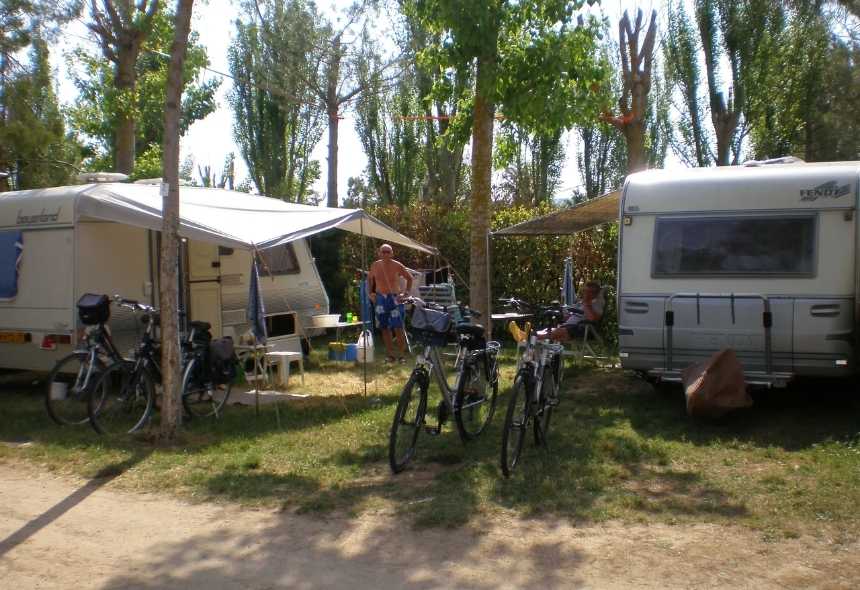
Tent camping on the Camino de Santiago offers a unique way to experience the trail. Many pilgrims choose to sleep under the stars. Popular camping spots provide safe and scenic places to pitch a tent. Some spots are official campsites with facilities. Others are hidden natural areas for a more peaceful rest. There are also places near albergues for convenience. Each option has its own charm and benefits.
Official Campsites
Official campsites along the Camino provide basic services. These include toilets, showers, and sometimes kitchens. They are usually affordable and secure. Many have flat grounds suitable for tents. These sites often fill up fast in peak season. Booking ahead or arriving early helps secure a spot. Official campsites make camping easy and comfortable on the Camino.
Hidden Natural Areas
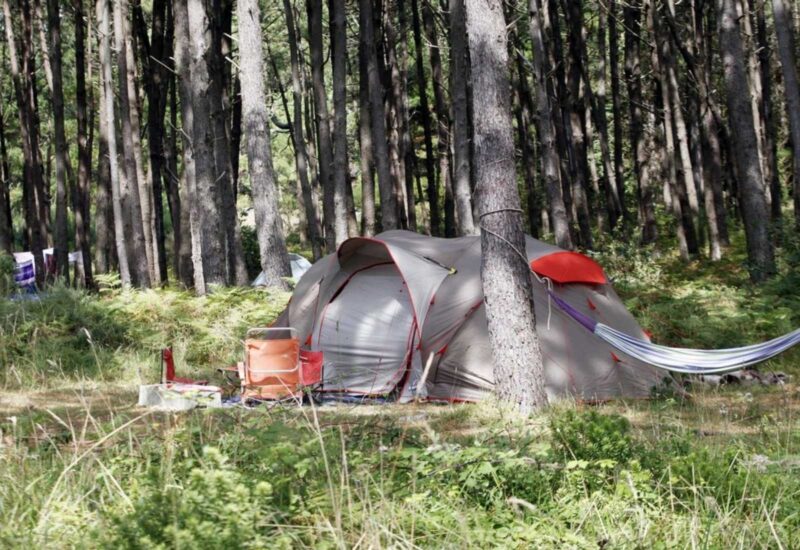
Hidden natural areas offer quiet and solitude. These spots are away from crowded towns and roads. Pilgrims find shaded clearings near rivers or forests. They provide a chance to connect with nature. Finding these places requires some local knowledge or exploration. Campers should respect the environment and camp discreetly. These areas give a raw and peaceful Camino experience.
Near Albergues
Camping near albergues blends convenience with freedom. Some albergues allow pitching tents in their yards. This option lets campers use albergue facilities. It also offers a social atmosphere with other pilgrims. These spots often have water and toilets nearby. Camping here suits those who want community and simple camping. It creates a balanced Camino stay for tent campers.
Gear And Preparation Tips
Camping on the Camino de Santiago offers freedom and a close connection to nature. Proper gear and preparation are key to a smooth journey. Knowing what to pack and how to prepare helps avoid problems on the trail. Planning for weather and carrying only essentials lightens your load and boosts comfort.
Essential Camping Equipment
A lightweight tent is a must for easy carrying. Choose one that is quick to set up and waterproof. A compact sleeping bag keeps you warm at night. Bring a sleeping mat for comfort and insulation from the ground. A small stove and cookware allow simple meals. Don’t forget a headlamp for hands-free light after dark. A water bottle and purification tablets keep you hydrated safely. Pack a basic first aid kit for minor injuries.
Packing Light For The Camino
Light packs make long walks easier and faster. Take only clothes you can layer and wash easily. Limit shoes to one pair of walking shoes and sandals. Use travel-size toiletries to save space and weight. Keep electronics to a minimum, just a phone and charger. Organize items in waterproof bags for quick access and dryness. Every extra pound slows you down. Think twice before adding non-essential items.
Weather Considerations
The Camino’s weather changes by season and region. Summers can be hot; pack a hat and sunblock. Rain is common; carry a rain jacket and waterproof tent cover. Cold nights need warm layers and a good sleeping bag. Check the weather forecast daily for updates. Prepare for wind by securing your tent well. Dressing in layers helps adjust to temperature shifts quickly.
Credit: viajecaminodesantiago.com
Benefits Of Tent Camping
Tent camping on the Camino de Santiago offers many advantages. It lets you connect with the trail in a unique way. You enjoy simple living while walking long distances. Camping adds adventure and makes your journey more personal. Many pilgrims choose tents to enjoy nature fully and save money.
Camping also gives more control over your schedule. You decide where and when to stop. The experience feels freer than staying in crowded hostels. These benefits make tent camping a popular choice for many walkers.
Flexibility And Freedom
Tent camping lets you camp almost anywhere allowed. You can stop early or walk late. No need to book a room in advance. It suits your pace and mood each day. You avoid crowded places and noisy dorms. This freedom helps you enjoy the Camino your way.
Cost Savings
Camping saves money on accommodation costs. Hostels and hotels can be expensive in busy areas. A tent is a one-time purchase and lasts many trips. You also save by cooking your own food. Less spending means a longer, more relaxed trip.
Closer To Nature
Sleeping in a tent brings you closer to nature. Hear birds, feel fresh air, and see stars. You wake up with the sunrise and peaceful sounds. Nature becomes part of your Camino journey. This connection adds calm and joy to each day.
Challenges Of Tent Camping
Tent camping on the Camino de Santiago is possible but comes with challenges. The route is mainly designed for walkers and pilgrims using hostels or inns. Camping requires careful planning and flexibility.
Many pilgrims enjoy the comfort of established albergues. Tent camping can offer freedom but also brings difficulties. These challenges can affect safety, comfort, and the overall pilgrimage experience.
Finding Suitable Spots
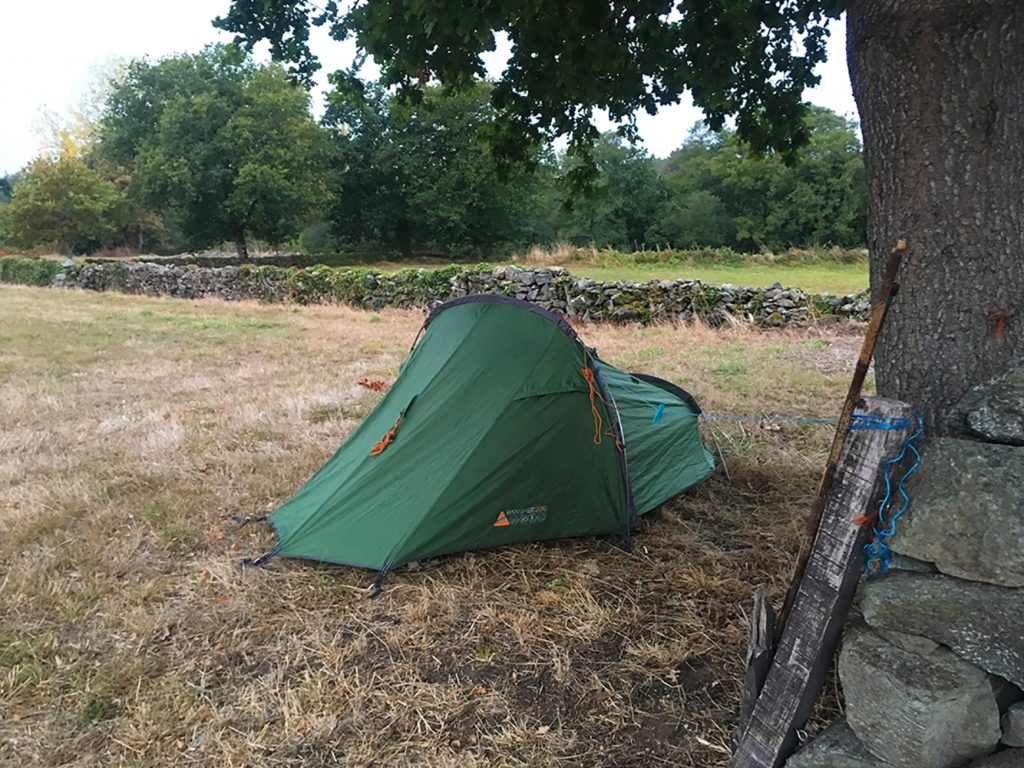
Finding good places to pitch a tent is tough. The Camino passes through towns and private lands. Camping outside designated areas may not be allowed. Flat, safe ground is rare along the trail. Many areas lack water or shelter. Early planning helps, but options remain limited.
Safety Concerns
Safety is a big concern for tent campers. Weather can change quickly, causing cold or rain. Wild animals or insects may cause problems. Some areas are isolated at night. Theft or damage to gear can happen. Staying near populated places reduces risks.
Impact On Pilgrimage Experience
Tent camping changes the social side of the Camino. Pilgrims miss the chance to meet others in albergues. Rest and hygiene can be harder without facilities. Carrying camping gear adds weight to your pack. The simplicity of the pilgrimage can feel lost. Some find it lonely, others enjoy the peace.
Credit: www.scottrambleson.com
Alternatives To Tent Camping
Tent camping on the Camino de Santiago is not the only choice. Many pilgrims prefer other types of lodging. These alternatives offer comfort and convenience along the route. They also provide chances to meet fellow travelers and rest well after long walks.
Albergues And Hostels
Albergues are special hostels for pilgrims. They are cheap and easy to find. Most albergues have shared rooms and bathrooms. Some have kitchens where you can cook your own meals. They create a friendly and social atmosphere. Pilgrims often share stories and tips here. Booking is usually not needed in low season.
Guesthouses And Hotels
Guesthouses are small, family-run places to stay. They offer private rooms and a cozy feel. Hotels provide more comfort and privacy. Both guesthouses and hotels have bathrooms and clean beds. Prices vary but often include breakfast. These options suit walkers wanting a bit more rest and quiet.
Camping Pods And Other Options
Camping pods are small wooden cabins. They protect you from weather and insects. Pods have beds and sometimes heating. They are more comfortable than tents but still close to nature. Other options include rural homes and farm stays. These offer unique experiences and local food.
Credit: viajecaminodesantiago.com
Frequently Asked Questions
Can You Camp With A Tent On The Camino De Santiago?
Yes, tent camping is allowed on the Camino de Santiago. Many pilgrims carry lightweight tents. However, official campsites are limited, so wild camping is common but should be discreet and respectful.
Are There Designated Camping Spots Along The Camino?
There are few official campgrounds specifically for tents. Most accommodations are albergues or hostels. Pilgrims often camp in natural areas, but must follow local rules and avoid private property.
Is Tent Camping Safe On The Camino Route?
Tent camping is generally safe if you choose quiet, secure spots. Avoid isolated areas and ensure you camp away from roads. Always keep valuables secure and follow local guidelines for wild camping.
Do I Need A Permit For Tent Camping On The Camino?
No special permit is required for tent camping on the Camino. However, always check local regulations, as some areas may restrict camping to protect the environment.
Conclusion
Tent camping on the Camino de Santiago is possible but requires planning. Pilgrims should respect local rules and private land. Many areas offer official campsites with good facilities. Carry lightweight gear to stay comfortable on the trail. Camping adds adventure and saves money during your journey.
Always leave no trace and protect the natural beauty. Choose spots wisely for safety and peace at night. Enjoy the freedom of sleeping under the stars. The Camino welcomes all kinds of travelers and experiences.
