
Are you tired of seeing your trees covered in pesky tent caterpillars? These little invaders can quickly take over and damage your beautiful trees, leaving you frustrated and worried about their health.
But don’t worry—there are simple and effective ways you can stop tent caterpillars from climbing your trees and ruining your yard. You’ll discover easy steps to protect your trees and keep these pests under control. Keep reading to find out how you can save your trees and enjoy a pest-free outdoor space.
Tent Caterpillar Behavior
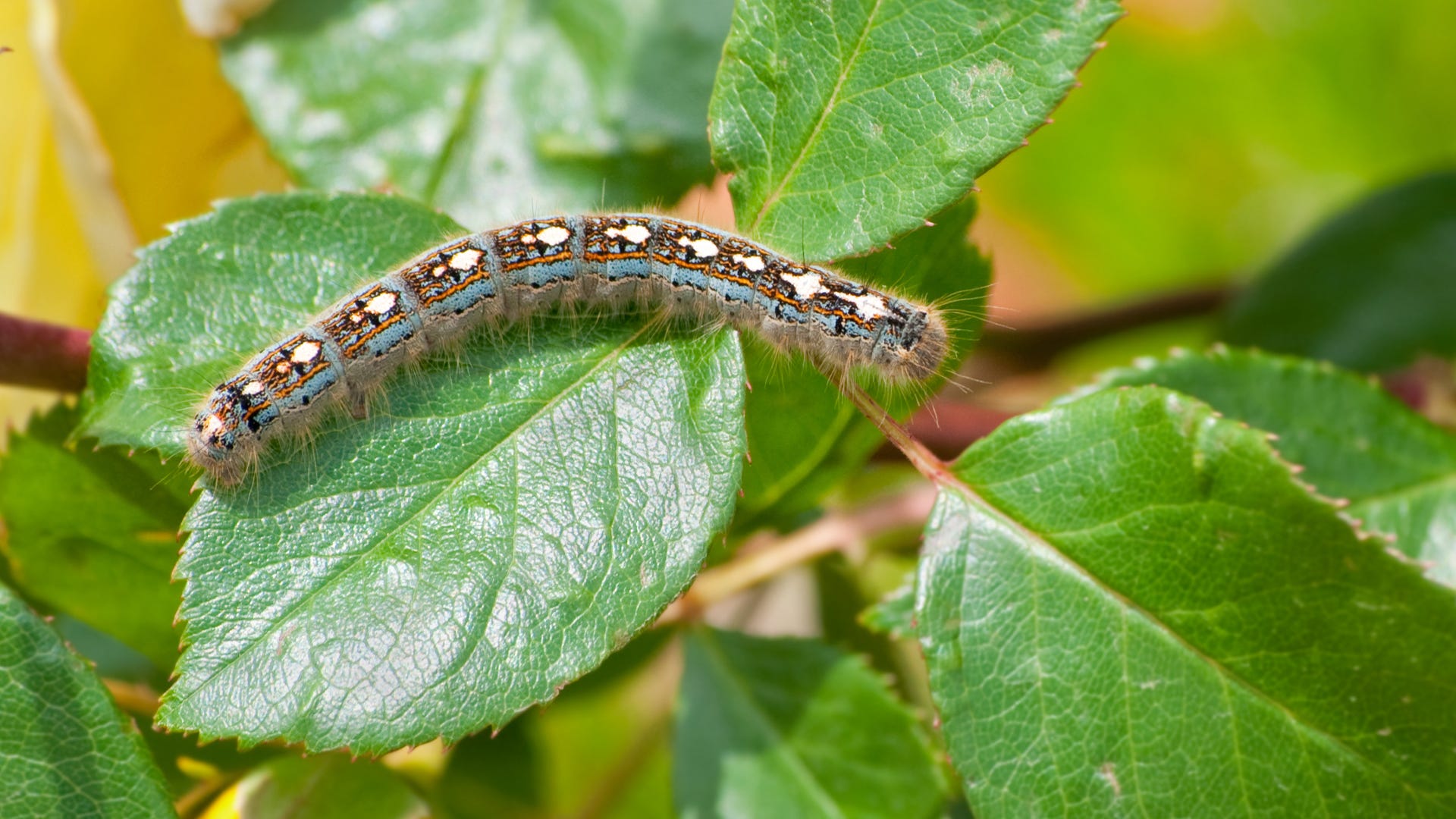
Tent caterpillars are common tree pests in many areas. Understanding their behavior helps control their damage. These insects follow clear patterns during their life. They climb trees to feed and build their nests. Knowing how and why they climb helps stop them early.
Their activity depends on their life cycle and tree preference. Watching their climbing habits can reveal the best ways to protect trees. Let’s explore their behavior in detail.
Life Cycle Stages
Tent caterpillars start as eggs laid on tree branches. Eggs hatch in early spring, releasing tiny larvae. Larvae gather to form silk tents. They feed on leaves to grow quickly. After several weeks, they become pupae inside cocoons. Adults emerge as moths to start the cycle again. Each stage shows different climbing and feeding actions.
Climbing Patterns
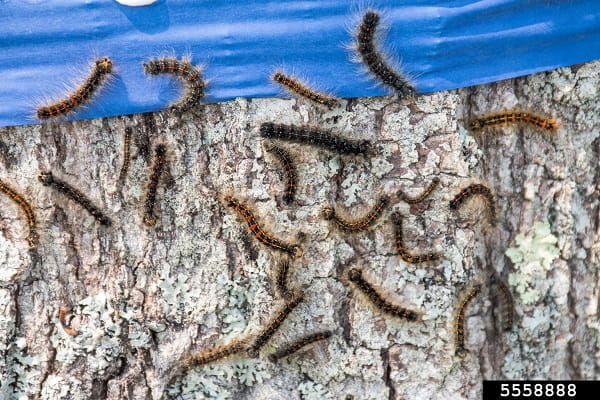
Newly hatched caterpillars climb tree trunks to find fresh leaves. They use silk threads to move safely. Caterpillars return to their tents to rest and protect themselves. They climb up and down the tree many times daily. This movement helps them eat more leaves. Climbing slows down as caterpillars prepare to pupate.
Preferred Trees
Tent caterpillars prefer fruit and hardwood trees. Cherry, apple, and crabapple trees are common targets. They also climb oak and maple trees. Trees with smooth bark are easier for climbing. Trees with many leaves provide more food. Identifying preferred trees helps focus control efforts effectively.
Credit: www.saferbrand.com
Identifying Infestations
Spotting tent caterpillar infestations early helps protect trees. Knowing the signs makes it easier to act fast. Tent caterpillars can harm tree health and beauty. Watch trees closely to catch infestations before they spread.
Signs On Tree Bark
Tent caterpillars leave small scars on tree bark. Look for thin, silken threads wrapped around branches. These sticky strands protect the caterpillars. Bark may look rough or cracked near these webs. Dark spots or holes may also appear.
Leaf Damage
Leaves show clear signs of caterpillar feeding. Edges look chewed or ragged. Large holes or missing leaf parts are common. Leaves may turn yellow or dry out. This damage weakens the tree over time.
Nest Appearance
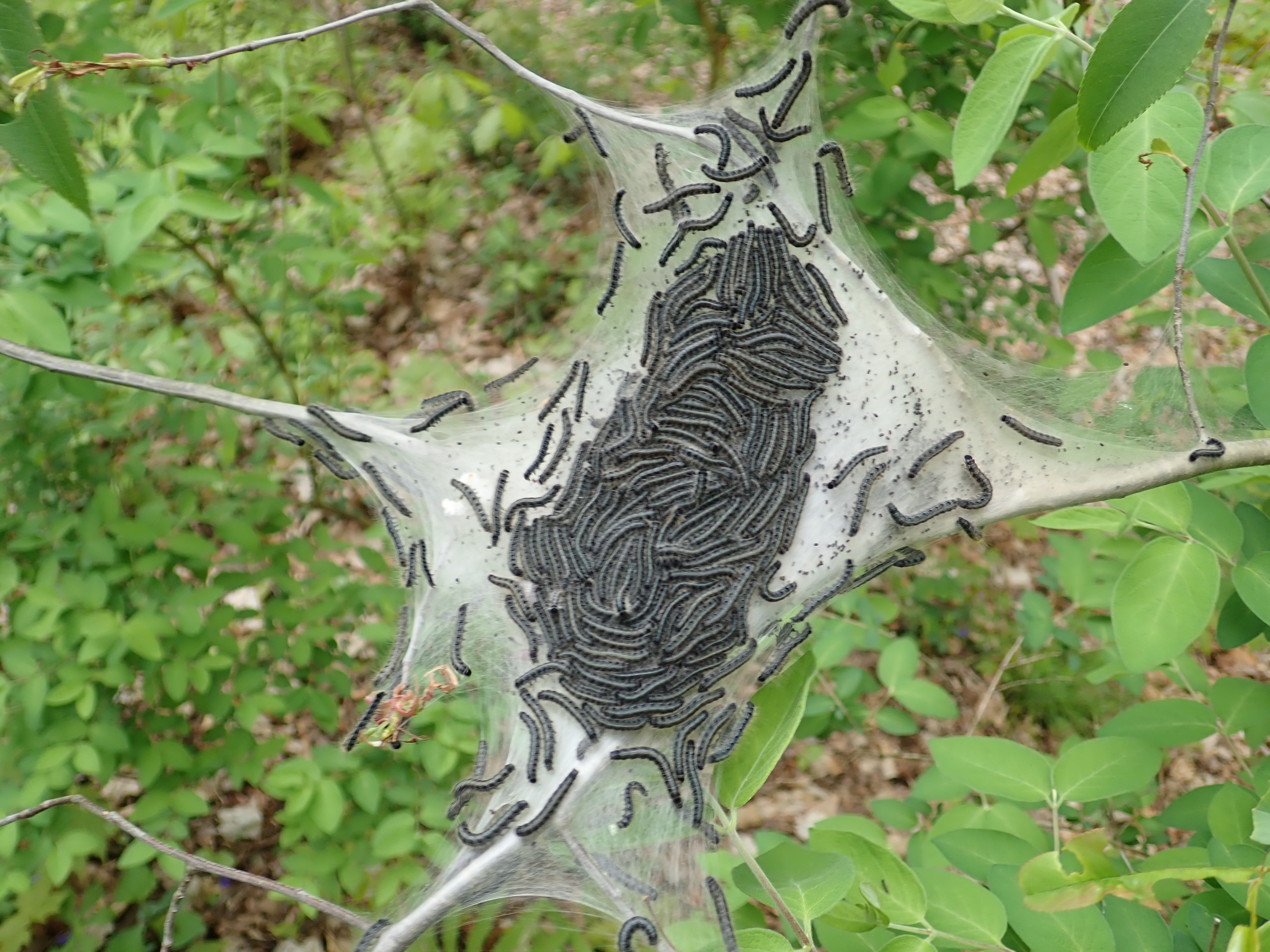
Tent caterpillars build visible silk nests on branches. These nests look like white or gray webbing. They often cluster around forked branches. Nests house many caterpillars at once. They become more noticeable during spring and early summer.
Physical Barriers
Physical barriers stop tent caterpillars from climbing trees. They block caterpillars before they reach leaves. Using barriers protects trees without chemicals. Barriers are easy to install and safe for the tree and environment.
Tree Wraps And Bands
Tree wraps and bands wrap around tree trunks. They create a smooth surface that caterpillars cannot climb. Use strong materials like plastic or cloth. Wrap tightly but do not harm the bark. Check wraps regularly and adjust if loose. Wraps work best before caterpillars start climbing.
Sticky Barriers
Sticky barriers trap caterpillars on contact. Apply sticky tape or gel around the trunk. Caterpillars get stuck and cannot climb further. Keep sticky barriers clean and dry for best results. Replace sticky material if it loses stickiness. Sticky barriers avoid chemicals and are very effective.
Tree Trunk Guards
Tree trunk guards are solid shields around the trunk. They block caterpillars physically from climbing. Use plastic or metal guards that fit snugly. Guards protect bark from damage and pests. Make sure guards do not trap moisture or insects. Guards last longer and need less maintenance.
Natural Predators
Natural predators help control tent caterpillar populations in trees. They reduce the number of caterpillars by feeding on them. This method is safe and eco-friendly. Encouraging these predators protects your trees without harmful chemicals.
Bird Species That Feed On Caterpillars
Many birds eat tent caterpillars. Chickadees, warblers, and nuthatches are common examples. These birds search tree branches for caterpillars. They help keep caterpillar numbers low. Attracting birds to your yard can reduce damage.
Beneficial Insects
Some insects are natural enemies of tent caterpillars. Parasitic wasps lay eggs inside caterpillars. The larvae then consume the host from within. Ladybugs and lacewings also eat caterpillar eggs. These insects help break the caterpillar life cycle.
Encouraging Wildlife
Create a friendly environment for birds and beneficial insects. Plant native flowers and shrubs to provide food and shelter. Avoid pesticides that harm helpful creatures. Provide fresh water with birdbaths or shallow dishes. This invites natural predators to protect your trees.
Chemical Controls
Chemical controls can help stop tent caterpillars from climbing trees. These products target the caterpillars directly. They reduce the population quickly and protect your trees. Choosing the right chemical and using it safely is important. This section explains common chemical options and how to apply them correctly.
Insecticidal Soaps
Insecticidal soaps kill soft-bodied insects like tent caterpillars. They work by breaking down the caterpillar’s outer layer. Spray the soap directly on the caterpillars and their eggs. This method is gentle on plants and safe for many beneficial insects. Repeat applications may be needed for full control.
Bacillus Thuringiensis (bt)
Bacillus thuringiensis, or Bt, is a natural bacteria. It targets caterpillars without harming other animals. Caterpillars eat leaves treated with Bt and stop feeding soon after. Use Bt early in the caterpillar’s life for best results. It works well for organic and chemical-free gardening.
Timing And Safety
Apply chemicals when caterpillars are young and active. Early morning or late evening sprays reduce harm to bees and butterflies. Always read the label for proper use and safety instructions. Wear gloves and avoid spraying on windy days. Proper timing and care protect you and your trees.
Credit: www.caryinstitute.org
Cultural Practices
Cultural practices help stop tent caterpillars from climbing trees naturally. These methods focus on keeping trees healthy and removing caterpillar nests. They reduce the chance of infestation without using chemicals. Simple actions in your garden can protect trees effectively.
Pruning Infested Branches
Cut off branches with tent caterpillar nests. Do this early in the season before eggs hatch. Use clean tools to avoid spreading pests. Dispose of the branches far from your garden. This lowers caterpillar numbers quickly.
Maintaining Tree Health
Healthy trees resist pests better. Water trees during dry times. Add mulch to keep soil moist and cool. Fertilize trees with balanced nutrients. Strong trees grow new leaves faster, outgrowing caterpillar damage.
Sanitation Techniques
Keep the area around trees clean. Remove fallen leaves and branches. Clear debris where caterpillars hide or lay eggs. Rake the ground regularly to disturb pests. Clean spaces reduce places for caterpillars to thrive.
Monitoring And Prevention
Monitoring and prevention are key to stopping tent caterpillars from damaging your trees. Catching the problem early helps protect the tree’s health. Regular checks allow you to spot caterpillar activity before it gets worse.
Taking steps to prevent caterpillars from climbing trees reduces the need for strong chemicals. You keep your garden safe and balanced. Focus on watching the trees closely and acting fast at the first signs of trouble.
Regular Inspections
Check tree trunks and branches often for egg masses or webs. Look for small silk tents or clusters of eggs on tree bark. Inspections should happen at least once a week in spring. Early spotting helps you remove caterpillars before they spread.
Early Intervention
Remove any egg masses or caterpillar nests by hand. Use a stick or gloved hands to avoid contact. Trim affected branches if webs are large. Applying sticky barriers around the trunk stops caterpillars from climbing up. Early action keeps infestations small and manageable.
Seasonal Tips
In early spring, watch for eggs laid on branches. Remove them before they hatch. Late spring is best for clearing webs and young caterpillars. Summer calls for checking tree health and removing any leftover nests. Adjust your care based on the season to keep trees safe year-round.
Credit: www.michigan.gov
Frequently Asked Questions
How Do Tent Caterpillars Climb Trees?
Tent caterpillars climb trees by gripping bark with their legs and using silk threads. They move upward in search of food and shelter, often targeting young leaves and branches.
What Natural Methods Stop Tent Caterpillars Climbing?
Natural methods include using sticky barriers, encouraging bird predators, and applying neem oil. These techniques prevent caterpillars from reaching tree canopies without harming the environment.
Can Tent Caterpillars Damage Trees Severely?
Yes, heavy infestations can defoliate trees, weakening them. Repeated damage may reduce growth and increase vulnerability to diseases and pests.
When Is The Best Time To Prevent Tent Caterpillars?
Early spring, before larvae hatch, is ideal for prevention. Applying barriers or treatments during this stage stops caterpillars before they climb and cause damage.
Conclusion
Stopping tent caterpillars from climbing trees takes patience and care. Use sticky barriers or tree wraps to block their path. Regularly check your trees for egg masses and remove them. Encourage birds and beneficial insects that eat caterpillars. Keep your trees healthy with proper watering and pruning.
Small steps can protect your trees from damage. Stay consistent and act early to reduce infestations. Your trees will stay strong and beautiful all season. Simple actions make a big difference in pest control.
