
Termites can silently damage your home, eating away at its foundation without you even noticing. You might wonder, how often should you tent for termites to keep your property safe?
Waiting too long could mean costly repairs, but tenting too often might feel like an unnecessary hassle. You’ll discover the right timing for termite tenting and how it protects your home effectively. Keep reading to learn how to stay one step ahead of these destructive pests and save yourself stress and money.
Termite Tent Fumigation Basics
Termite tent fumigation is a common and effective way to fight termite infestations. It kills termites inside the home and prevents serious damage. Knowing the basics helps homeowners understand when and why to use this method.
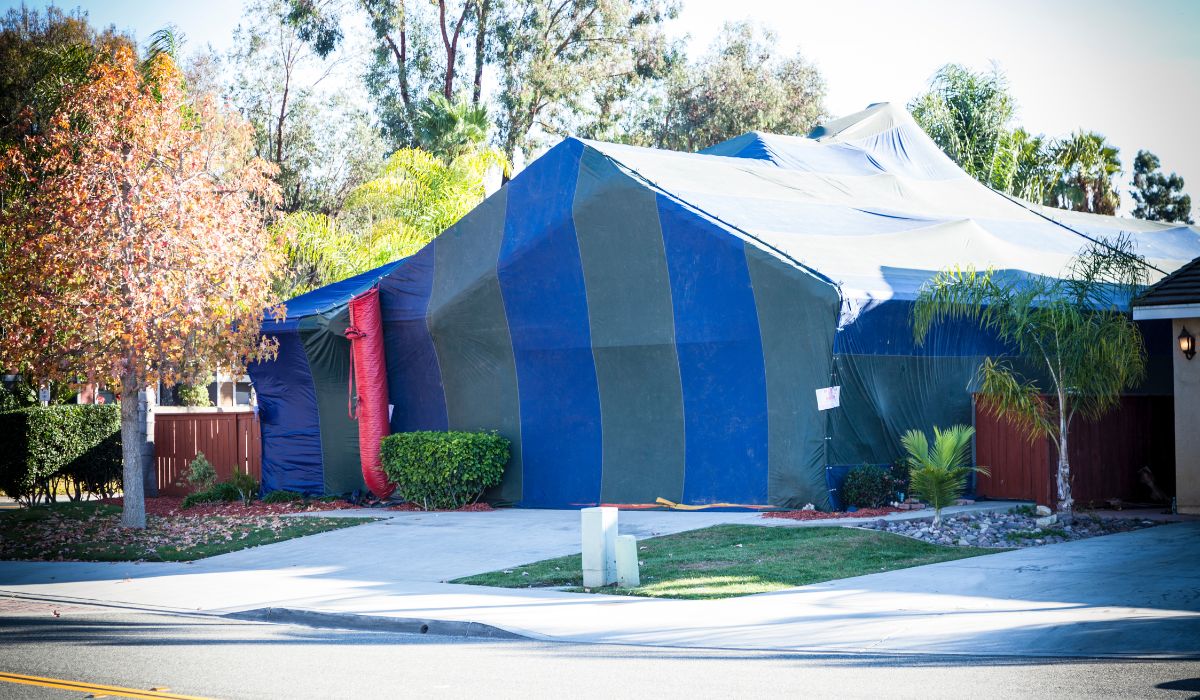
This process involves covering the entire house with a special tent. Then, a gas is released that kills termites hidden in wood and walls. It is a thorough treatment that reaches all parts of the home.
What Is Tent Fumigation
Tent fumigation means sealing your home with a large tent. Professionals use gas to kill termites inside the tent. The gas spreads everywhere, reaching even small cracks and holes.
This method kills termites at all life stages, including eggs and adults. It is one of the most complete ways to eliminate termites quickly. The house must stay sealed for a few days during treatment.
When Is Tent Fumigation Needed
Tent fumigation is needed when termites deeply invade your home. If you see heavy damage or many termite signs, this method works best. Other treatments may not reach all termites in large infestations.
It is also used if previous treatments failed or if termites return after treatment. Some homes with wood structures or old damage need fumigation to protect them fully.
Experts decide the right time for fumigation after inspecting your home carefully. They check how bad the infestation is and what type of termites live there.
Frequency Factors For Tent Fumigation
Determining how often to tent for termites depends on several important factors. These factors help decide the best timing and frequency for fumigation. Understanding them can protect your home effectively and save money. Each home and termite situation is different. Knowing the key points helps make smart decisions about termite control.
Severity Of Infestation
The size and spread of termite damage affect fumigation frequency. A severe infestation may need multiple tentings to fully eliminate termites. Light infestations might require only one treatment. Inspecting the home carefully shows how bad the problem is. More termites mean more treatments and close monitoring afterward.
Type Of Termites
Different termite species behave and damage differently. Subterranean termites build underground tunnels and can be harder to control. Drywood termites live inside wood and may need special treatment. The termite type guides how often fumigation is necessary. Knowing the species helps target the treatment correctly.
Local Climate Impact
Climate plays a role in termite activity and survival. Warm, humid areas often have more termite problems. Termites thrive in moist soil and wood. In dry or cold regions, termite activity slows down. Homes in warm climates might require more frequent fumigation. Weather patterns affect how termites spread and return.
Previous Treatment History
Past termite treatments influence future fumigation needs. If a home was fumigated recently, fewer treatments may be needed. Poor or incomplete treatments can cause termites to return quickly. Keeping records of past fumigations helps plan future pest control. Regular inspections after treatment prevent surprises.
Signs Indicating Need For Tent Fumigation
Termites can cause serious damage to your home without clear warning. Knowing the signs helps you act fast. Tent fumigation is often needed to stop a termite problem completely. Spotting early signs can save your house and money.
Watch closely for damage and strange activity. These signs show when tent fumigation may be necessary. Acting early keeps your home safe and strong.
Visible Termite Damage
Look for wood that appears hollow or damaged. Termites eat wood from the inside out. Walls, floors, and furniture may show cracks or holes. Damaged wood may feel soft or crumbly. This damage means termites are active inside.
Swarm Sightings
Termite swarms are a clear warning sign. These flying insects appear in spring or fall. They look like small ants with wings. Seeing many swarmers near windows or doors means a nearby colony. Swarms show termites are spreading and need treatment.
Hollow Wood Sounds
Tapping on wood can reveal termite damage. If the sound is hollow or dull, termites may be inside. Healthy wood sounds solid and firm. Hollow sounds mean termites have eaten through the wood. This sign calls for quick action and fumigation.
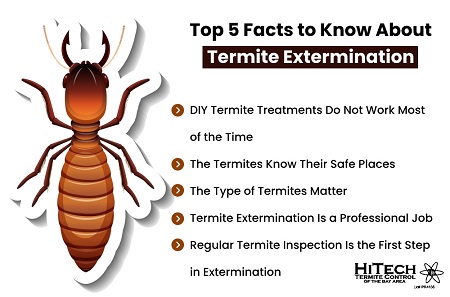
Credit: www.hitechtermite.com
Alternative Termite Control Options
Tent fumigation is one way to get rid of termites. It can be effective but may not always be the best choice. There are other ways to control termites that can work well, too. These methods may cause less hassle and cost less. Let’s explore some alternative termite control options that you can consider.
Spot Treatments
Spot treatments target termite activity in specific areas. A professional applies a chemical directly where termites live or enter. This method uses less chemical than tenting the whole house. It works well for small infestations or early signs of termites. Spot treatments can be faster and less disruptive to your home life.
Bait Systems
Bait systems use small stations placed around your home. Termites find the bait and carry it back to their colony. The bait contains slow-acting poison that kills the entire colony over time. This option is less invasive and safe for children and pets. It also helps monitor termite activity regularly.
Liquid Barriers
Liquid barriers create a protective zone around your home. A termite control expert applies liquid insecticide to soil or wood. Termites cannot cross this treated area without dying. This method prevents new termites from entering your property. It offers long-term protection with minimal disturbance.
Preparing Your Home For Tent Fumigation
Preparing your home for tent fumigation is crucial for safety and effectiveness. It helps protect your belongings and ensures the treatment works well. Proper preparation also reduces risks for your family and pets. Follow these steps to get your house ready for termite tenting.
Removing Food And Plants
All food must leave the house before fumigation. Store food in airtight containers or take it with you. Remove all plants, inside and outside the home. Chemicals used in fumigation can harm plants and make food unsafe.
Securing Pets And Valuables
Pets cannot stay in the house during fumigation. Find a safe place for them outside the home. Remove or protect valuable items like jewelry and important papers. Chemicals may damage these items if left inside.
Post-fumigation Ventilation
After fumigation, the house needs fresh air. Open windows and doors to let the gas clear. This step is vital before re-entering the home. Proper ventilation keeps your family safe from harmful fumes.
Cost And Effectiveness Of Tent Fumigation
Tent fumigation is a common method to control termite infestations. It involves covering the entire house with a tent and releasing gases that kill termites inside. This process is thorough but can cost a significant amount. Understanding the cost and effectiveness helps homeowners decide how often to use this treatment.
The cost varies by home size and location. The effectiveness depends on the thoroughness of the job and termite activity. Both factors play a role in planning termite control.
Comparing Treatment Costs
Tent fumigation costs more than other termite treatments. It usually ranges from $1,000 to $3,000. Smaller homes cost less, larger homes cost more. Some local companies may offer different prices based on chemicals used.
Other termite treatments, like baiting or liquid barriers, cost less but may need more visits. Tent fumigation is a one-time process but requires preparation and time away from home. Consider the budget and home size before choosing.
Long-term Prevention Success
Tent fumigation kills termites inside walls and hidden areas. This reduces termite numbers quickly and stops damage. However, it does not prevent future termites from returning.
Homeowners should combine fumigation with regular inspections. Adding barriers or treatments outside the home helps prevent new infestations. Tent fumigation gives a fresh start but requires ongoing care for long-term protection.
Professional Inspection Importance
Tent fumigation is a strong method to fight termites. But, you cannot rely on tenting alone. Professional inspections play a key role. They find termite problems early. This saves your home from severe damage.
Experts know what to check and where to look. They see signs that most people miss. Regular inspections help catch termites before they spread. This makes treatment easier and less costly.
Scheduling Regular Inspections
Set up termite inspections at least once a year. More often if your area has many termites. Regular checks keep your home safe. You can act fast if termites appear. Do not wait for visible damage. Early action protects your home better.
Choosing Qualified Exterminators
Pick licensed and experienced exterminators. They understand termite behavior and treatment options. Proper training ensures safe tent fumigation. Experts use the right chemicals and methods. Poor fumigation can leave termites behind. Trusting skilled pros increases treatment success.
Credit: www.nativepestmanagement.com
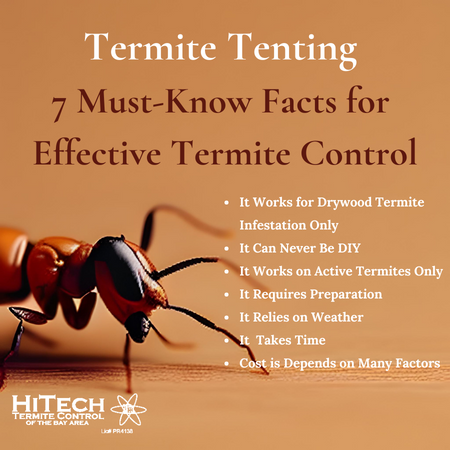
Credit: www.hitechtermite.com
Frequently Asked Questions
How Often Should Termite Tenting Be Done?
Termite tenting is usually recommended every 3 to 5 years. Frequency depends on infestation severity and local termite activity. Regular inspections help determine the best schedule to protect your home effectively.
What Are The Signs You Need Termite Tenting?
Visible termite damage, mud tubes, or swarming termites indicate a need for tenting. Early detection prevents costly repairs and ensures thorough treatment of infestations.
Can Termite Tenting Prevent Future Infestations?
Yes, termite tenting eliminates existing colonies and protects wood structures. Combined with ongoing inspections, it reduces the risk of future termite problems effectively.
How Long Does Termite Tenting Treatment Last?
Termite tenting effects typically last 3 to 5 years. Environmental factors and home maintenance influence the treatment’s longevity and protection level.
Conclusion
Termite tenting helps protect your home from damage. Most homes need tenting every few years. The exact time depends on your location and risk. Regular checks keep termites from coming back. Acting early saves money and stress later. Trust experts to spot signs and treat properly.
Keep your home safe by staying aware. Don’t wait until problems grow too big. Simple steps can stop termites for good. Your home deserves this kind of care.
