
Are you tired of waking up to a wet, dirty, or damaged tent floor? A tent footprint might be the simple solution you’ve been missing.
It’s a small, lightweight layer that goes under your tent, but it can make a huge difference in your camping experience. By protecting your tent’s bottom, a footprint saves you money, keeps you comfortable, and even makes packing up easier.
Keep reading to discover how this little piece of gear can change the way you camp for the better.
Purpose Of A Tent Footprint
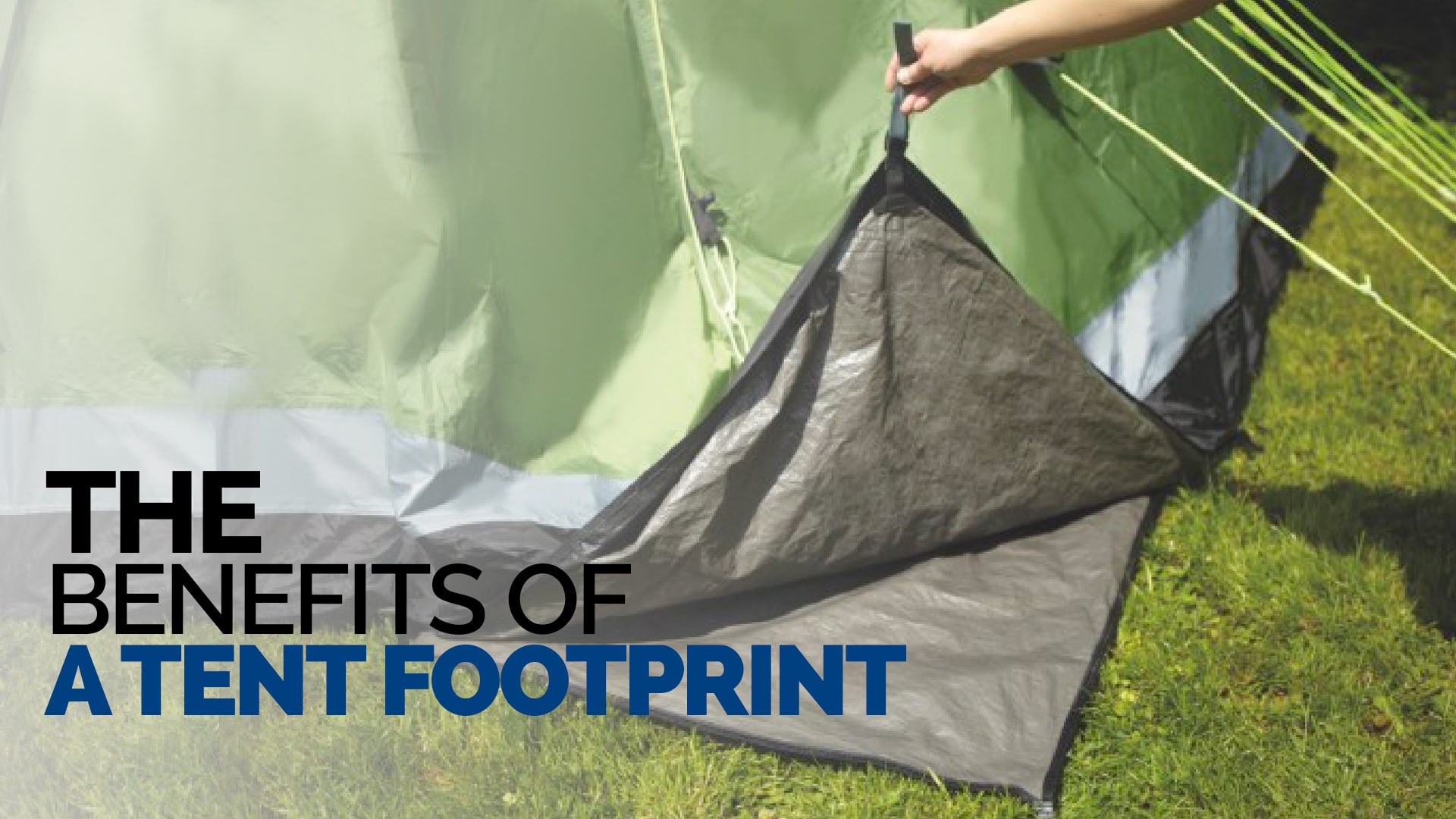
The purpose of a tent footprint is to protect your tent’s floor. It acts as a shield between the ground and your tent. This small layer can make a big difference during camping trips.
A tent footprint helps keep your tent clean and dry. It stops dirt, rocks, and moisture from reaching the tent floor. This keeps the inside of your tent more comfortable and lasts longer.
Using a tent footprint also prevents damage. Rough or sharp objects on the ground can cause tears or holes. The footprint takes the wear and tear, saving your tent fabric.
Protects Against Ground Moisture
The footprint creates a barrier that stops wet ground from soaking your tent. It keeps water from seeping inside. This helps campers stay dry and warm during wet weather.
Prevents Abrasion And Tears
Camping grounds often have sticks, stones, and rough surfaces. The footprint covers these hazards. It reduces damage to the tent’s floor and extends its life.
Keeps Tent Clean
The footprint blocks mud and dirt from sticking to your tent. It makes cleaning easier and faster. Your tent stays fresh for many trips.
Improves Tent Stability
A footprint adds extra grip between the ground and tent. It helps keep the tent in place. This makes your shelter more stable in wind or rain.
Credit: theexpertcamper.co.uk
Protection From Ground Damage
Using a tent footprint adds a strong layer of protection between your tent and the ground. This extra barrier helps keep your tent safe from damage caused by rough or wet surfaces. It makes your camping experience more comfortable and extends the life of your tent. The footprint stops the ground from harming the tent floor, which is often the most delicate part.
Preventing Tears And Abrasions
Rocks, sticks, and rough soil can easily tear your tent floor. A tent footprint acts like a tough shield to stop these sharp objects. It takes the wear and tear instead of your tent. This means fewer holes and less chance of damage during your trip. It also helps keep the tent smooth and strong for many uses.
Shielding From Moisture And Dirt
Ground moisture can soak into your tent floor and make it wet inside. A footprint blocks water from rising up through the ground. It keeps the bottom of your tent dry and clean. Dirt and mud stay on the footprint, not on your tent. This makes packing up easier and stops your tent from smelling or getting dirty.
Enhancing Tent Durability
Using a tent footprint can make your tent last longer. It acts as a protective layer between the tent floor and the ground. This extra layer helps keep your tent strong and safe from damage. Protecting the tent floor improves its durability and keeps it in good shape for many trips.
Reducing Wear On Tent Floor
The footprint stops sharp rocks and sticks from hurting the tent floor. It lowers friction between the tent and the ground. This reduces holes and tears. The footprint also keeps dirt and moisture away. Less wear means less repair and better comfort inside the tent.
Extending Tent Lifespan
A tent with a footprint lasts longer outdoors. The footprint protects against rough surfaces and wet areas. This prevents damage from repeated use. It also helps keep the tent clean. A clean and safe tent stays useful for many camping seasons.
Improving Camping Comfort
Camping is more fun when you feel cozy and dry inside your tent. A tent footprint helps make your camping spot more comfortable. It adds a layer between the tent floor and the ground. This small detail can change how you enjoy your outdoor nights.
Using a footprint can keep cold and wetness away. It also protects your tent floor from sharp rocks and dirt. This means fewer worries and more rest after a long day of hiking or exploring.
Additional Insulation
A footprint adds extra warmth by creating a barrier from the cold ground. It stops cold air from seeping through the tent floor. This keeps your sleeping area warmer at night. You sleep better when you feel warm and snug.
Less cold from the earth means less need for heavy blankets. Your body heat stays inside the tent longer. This simple layer helps keep chills away during cool nights.
Keeping Tent Interior Cleaner
The footprint acts like a shield against mud, dirt, and small stones. It stops the tent floor from getting dirty fast. This keeps your tent clean and fresh inside.
You spend less time cleaning and more time enjoying nature. A clean tent feels more inviting after a long day outdoors. It helps protect the tent material from wear and tear too.
Ease Of Setup And Maintenance
Using a tent footprint makes setting up and taking care of your tent much easier. It acts as a protective layer between the ground and your tent floor. This reduces damage and dirt, helping you save time and effort during camping trips.
Simplifying Tent Pitching
A tent footprint creates a smooth, clean surface to pitch your tent on. It stops sharp stones and sticks from poking through. You can place your tent quickly without adjusting much. The footprint helps keep your tent stable and tidy during setup.
Easier Cleaning And Drying
The footprint keeps dirt and mud off your tent floor. After camping, you just clean the footprint instead of the whole tent. It dries faster because it is thinner and lighter. This saves you time and keeps your tent fresh for the next trip.

Credit: theexpertcamper.co.uk
Choosing The Right Footprint
Choosing the right footprint is key for a good camping experience. A footprint protects your tent floor from sharp rocks and dirt. It also adds extra comfort and keeps moisture out. Picking the best one depends on your tent type and where you camp. This guide helps you find the perfect fit and material for your needs.
Material Options
Footprints come in different materials. Common types include polyester, nylon, and polyethylene. Polyester is strong and water-resistant. Nylon is lightweight and easy to pack. Polyethylene is durable and affordable but heavier. Choose a material that matches your camping style. For rough ground, pick tougher materials. For light hikes, go for lightweight options.
Size And Fit Considerations
Size matters when selecting a footprint. It should match your tent’s floor size closely. Too small leaves your tent floor exposed. Too large can cause water to collect under the tent. Some footprints cover the entire floor. Others cover only the high-wear areas. Check your tent’s measurements before buying. A perfect fit protects your tent and lasts longer.
Cost-effectiveness Of Using A Footprint
Using a tent footprint saves money over time. It protects your tent floor from dirt, rocks, and moisture. This protection helps your tent last longer and avoid damage. Repair costs drop with a footprint under your tent.
A footprint is cheaper than buying a new tent. It also lowers cleaning costs because your tent stays cleaner. With less wear and tear, you spend less on tent replacements or repairs.
Reducing Tent Repair Costs
Small tears and holes in your tent floor can be costly. A footprint acts as a shield, stopping sharp objects from puncturing the floor. This means fewer repairs and less money spent fixing damage.
Extending Tent Lifespan
Constant contact with rough ground wears out tent material fast. A footprint creates a barrier that reduces friction and abrasion. This extra layer keeps your tent strong and usable for many camping trips.
Lowering Cleaning Expenses
Dirt and mud can stick to your tent’s floor and walls. Cleaning these areas often requires special products or professional help. Using a footprint keeps your tent cleaner, so cleaning is easier and cheaper.
Credit: www.naturehike.com
Frequently Asked Questions
What Is A Tent Footprint Used For?
A tent footprint protects your tent’s floor from abrasions and moisture. It extends your tent’s lifespan by reducing wear and tear. It also provides extra insulation and keeps dirt and mud out, ensuring a cleaner and more comfortable camping experience.
How Does A Tent Footprint Improve Camping Comfort?
A tent footprint adds a protective barrier between the ground and your tent floor. This reduces cold and dampness, keeping the inside warmer and drier. It also cushions the floor, making it more comfortable to sleep on uneven or rocky terrain.
Can A Tent Footprint Prevent Tent Floor Damage?
Yes, a tent footprint prevents damage by shielding the tent floor from sharp rocks, sticks, and rough surfaces. It minimizes punctures and tears, helping maintain the tent’s waterproof integrity. This protection saves repair costs and extends the tent’s usability.
Does A Tent Footprint Help With Tent Setup?
A tent footprint simplifies tent setup by defining the tent’s base area clearly. It keeps the tent clean during pitching and prevents dirt from sticking to the tent floor. This helps maintain tent hygiene and speeds up the packing process.
Conclusion
A tent footprint protects your tent floor from damage and dirt. It helps keep your tent dry by adding an extra layer against moisture. Using a footprint also makes cleaning easier after camping trips. It saves money by extending the life of your tent.
Lightweight and easy to carry, footprints fit well in any backpack. Choosing a footprint is a smart step for better camping comfort. Simple, useful, and effective. Worth trying on your next outdoor adventure.
