
Camping in Iceland is a dream for many travelers. The country’s dramatic landscapes, midnight sun, and unique culture attract outdoor enthusiasts from around the world. But before you pack your tent, it’s important to know: how much does camping cost in Iceland? Understanding the real costs helps you plan a trip that’s both memorable and affordable. Prices in Iceland can be higher than in other countries, so clear budgeting is key.
In this guide, you’ll find a detailed breakdown of all camping-related costs—from campground fees to hidden expenses. You’ll also see practical comparisons, real examples, and smart tips to keep your adventure within budget. Whether you’re a solo backpacker, a couple in a campervan, or a family on a road trip, this article will help you avoid surprises and make the most of your Icelandic camping experience.
Typical Campground Costs
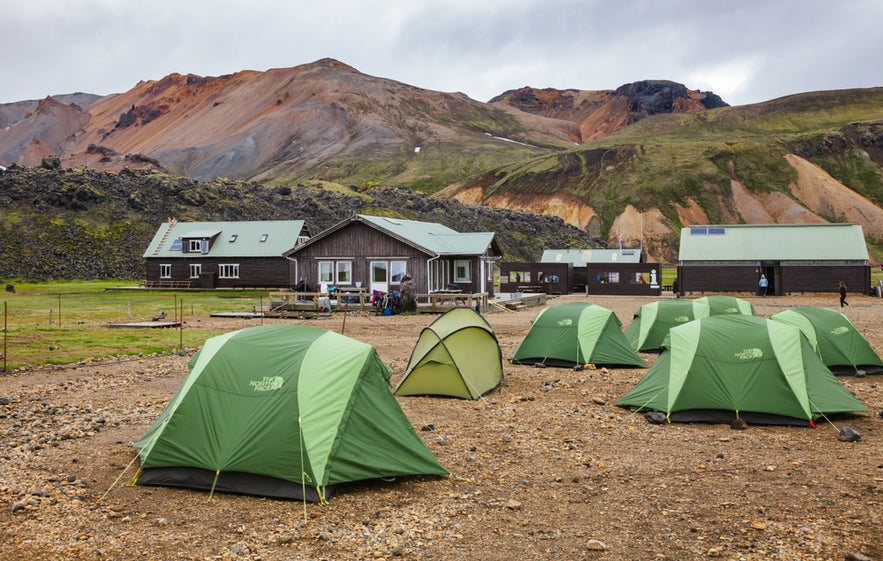
Iceland offers many official campgrounds spread across the island. These range from simple fields with basic toilets to organized sites with showers, kitchens, and even Wi-Fi.
Standard Campground Fees
Most campgrounds in Iceland charge per person, not per tent. Fees are usually higher in popular tourist spots and lower in remote areas.
- Average cost per night: 1,800–2,500 ISK ($13–$18 USD) per adult
- Children (usually under 13): Often free or half price
- Showers: Sometimes included, but often an extra 300–500 ISK ($2–$4 USD)
- Electricity for campervans: 800–1,200 ISK ($6–$9 USD) per night
Here’s a quick comparison of typical campground fees:
| Campground Type | Adult Price (USD/night) | Shower Fee | Electricity |
|---|---|---|---|
| Basic Rural Site | $13 | Usually extra | Rarely available |
| Standard Site | $15 | Extra | Available |
| Premium/Tourist Hotspot | $18 | Included or extra | Available |
Insider tip: Prices can rise during summer (June–August), and popular sites may fill up. Booking in advance is uncommon for campsites, but check their websites for special rules.
Wild Camping
Wild camping is only allowed in very limited situations and is not recommended for most visitors. Icelandic law has become stricter due to environmental concerns. If you do wild camp, you must have the landowner’s permission, and only hikers/bikers (not cars or campervans) can do it legally in most cases.
- Cost: Free, but not practical for most travelers
- Risks: Fines for illegal camping can be over $200
Campervan And Motorhome Costs
Renting a campervan is popular in Iceland, as it combines transport and accommodation. However, costs add up quickly.
Rental Prices
- Small campervan (2 people): $100–$180 per day in high season (June–August)
- Larger motorhome (4+ people): $200–$350 per day
- Low season discounts: Up to 40% less outside summer
Prices depend on the van’s size, features (heater, cooking equipment), and insurance options. Some companies include free camping at partner sites, but most do not.
Extra Campervan Costs
- Fuel: About $8–$9 per gallon ($2.10–$2.40 per liter)
- Camping fees: Still required at most sites (see above)
- Optional extras: GPS, bedding, chairs, etc. ($5–$15 per day each)
| Expense | Cost (USD) | Notes |
|---|---|---|
| Small Campervan Rental | $140/day | High season average |
| Fuel (per 100 miles) | $30–$40 | Depends on van size/route |
| Camping Fee (per night) | $15 | Per person |
| Insurance | $10–$30/day | Optional but recommended |
Non-obvious insight: Many first-timers forget that Iceland’s strong winds can damage campervan doors—insurance for wind damage is wise.
Equipment And Gear Expenses
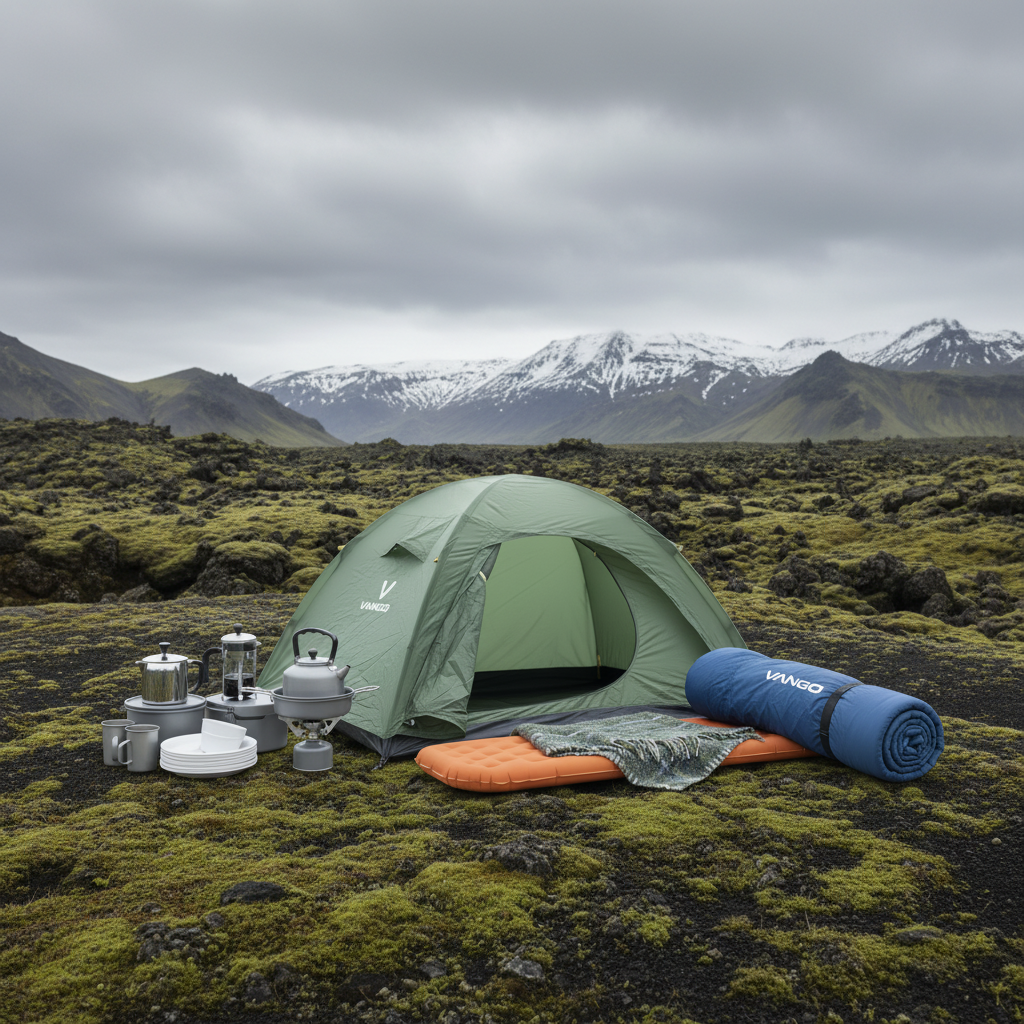
If you don’t bring your own camping gear, you’ll need to rent or buy it in Iceland. Prices are higher than in most countries due to import costs and taxes.
Renting Camping Gear
- 2-person tent: $8–$15 per day
- Sleeping bag: $5–$10 per day
- Sleeping mat: $3–$5 per day
- Cooking kit: $5–$10 per day
Example: Renting a full set for two people for one week can cost $200–$250.
Some outdoor stores in Reykjavik (like Iceland Camping Equipment) offer packages for convenience.
Buying Camping Gear
Buying new gear in Iceland is expensive. A basic tent can cost $100–$200, and sleeping bags $70–$150 each. If possible, bring your own gear from home.
Pro tip: Some hostels and campsites have “free gear shelves” where travelers leave used items—check these before buying or renting.
Food And Cooking Costs
Food is a significant part of your budget. Cooking your own meals is much cheaper than eating out.
Grocery Shopping
- Average daily groceries (per person): $12–$18
- Examples: Bread ($3), cheese ($5), pasta ($2), apples ($2/lb), milk ($2.50/liter)
- Best supermarkets: Bónus (cheapest), Krónan, and Nettó
Eating Out
Restaurants in Iceland are expensive, even for simple meals.
- Fast food: $13–$18 (burger/fries/drink)
- Restaurant dinner: $25–$40 per person, not including drinks
Tip: Many campgrounds have kitchen shelters. Bring a small portable stove if you want flexibility or plan to wild camp.
Transportation To And Around Campsites
Getting to campsites isn’t always simple. The main ways are public buses, rental cars, or campervans.
Car Rental
- Economy car: $60–$90 per day in summer
- 4×4 vehicle (needed for Highlands): $120–$200 per day
- Insurance: $10–$25 per day
Rental prices drop in winter, but some roads (especially the Highlands) are closed.
Public Transport
- Bus pass (circle the island): $300–$400 for 2 weeks
- Single bus rides: $10–$40 depending on distance
Public buses don’t reach all campsites, so flexibility is limited.
Fuel And Parking
- Fuel: As above, about $8–$9 per gallon
- Parking: Many natural sites charge $5–$10 per car
Hidden cost: Some remote campsites require long detours, adding to gas expenses.
The Iceland Camping Card
The Iceland Camping Card offers access to about 30 campsites for a fixed price.
- 2024 price: 24,900 ISK (about $180)
- Covers: 2 adults and up to 4 children (15 and under) for 28 nights
- Not included: Showers, electricity, some premium sites
| Card Cost | Number of Nights | Per Night (USD, 2 adults) | Value for Money? |
|---|---|---|---|
| $180 | 14 | $12.85 | Yes if >10 nights |
| $180 | 5 | $36 | No |
Beginner mistake: Not all campsites accept the card, especially in the Westfjords and Highlands. Check the official website before buying.
Other Hidden And Optional Costs
Some expenses catch visitors off guard:
- Showers: Often extra, as mentioned above
- Laundry: $6–$10 per load at campsites
- Wi-Fi: Usually free at campsites, but not everywhere
- Hot springs: Entry fees $5–$25 per person
- Souvenirs and snacks: Very pricey at tourist shops
Weather-related gear: If you camp in shoulder seasons, you may need to buy extra layers, gloves, or waterproof clothing.
Realistic Daily Budget Examples
To help you estimate your spending, here are three example budgets.
Budget Traveler (tent, Own Gear)
- Campground: $15/night
- Groceries: $14/day
- Bus transport: $15/day (average)
- Showers/laundry: $3/day
- Total: $47/day
Mid-range Traveler (rental Car + Tent)
- Campground: $15/night
- Groceries: $16/day
- Car rental/fuel: $60/day (shared by 2 people)
- Showers/laundry: $3/day
- Total (per person): $59/day
Comfort Traveler (campervan)
- Campervan rental: $140/day
- Camping fees: $15/night
- Groceries: $18/day
- Fuel: $20/day (shared by 2 people)
- Showers/laundry: $3/day
- Total (per person): $98/day
These are just examples. Costs may be higher if you eat out, join tours, or travel alone.

Saving Money While Camping In Iceland
Iceland doesn’t have to break the bank. Here’s how to keep costs low:
- Bring your own gear. This saves a lot on rentals or purchases.
- Shop at Bónus or Krónan. These supermarkets have the best prices.
- Travel in a group. Share car or campervan costs with friends.
- Use free natural hot springs. Some hot pots and pools are free.
- Plan your route. Avoid unnecessary driving to save fuel.
Non-obvious insight: Some campsites offer discounts after mid-August, as the peak season ends.
Is Camping In Iceland Worth The Cost?
Despite higher prices, camping in Iceland is often the best way to experience the country’s beauty. You’ll wake up next to waterfalls, glaciers, and volcanoes. While it’s not as cheap as some destinations, careful planning and smart choices can keep your costs reasonable.
For more information on rules, campsite lists, and travel tips, the official Visit Iceland website is a reliable resource.
Frequently Asked Questions
How Much Does A Typical Week Of Camping In Iceland Cost?
For one person with their own tent, expect to spend $330–$400 for a week, including campground fees, groceries, and public transport. Renting a campervan raises this to $700–$1,000 per person, depending on season and van size.
Can I Camp Anywhere In Iceland For Free?
No. Wild camping is very restricted and mostly illegal for vehicles. You must use official campsites unless you have landowner permission and are traveling on foot or bicycle in remote areas.
Is The Iceland Camping Card A Good Deal?
The Iceland Camping Card is worth it for families or anyone camping more than 7–10 nights. It doesn’t cover showers or all campsites, so check the details carefully.
What’s The Cheapest Way To Camp In Iceland?
Bringing your own gear, staying at basic campsites, shopping at budget supermarkets, and traveling by bus is the cheapest way. Avoid eating out and minimize car rental costs for the lowest budget.
Do I Need To Book Campsites In Advance?
In most cases, no. Icelandic campsites rarely require advance booking, except in very popular areas or during festival weekends. Arrive early in the evening for the best spots.
Camping in Iceland requires some planning, but the rewards are huge—unforgettable views, fresh air, and the freedom to explore at your own pace. With the cost details above, you can build a budget that fits your adventure and enjoy everything this unique country has to offer.
