
Are you thinking about tent camping in Alaska? You might be wondering if it’s really safe to sleep under the stars in such a wild, remote place.
The truth is, Alaska offers some of the most breathtaking camping spots, but it also comes with unique challenges you need to know about. You’ll discover what to expect, how to prepare, and tips to keep you safe while enjoying Alaska’s incredible outdoors.
Keep reading—you don’t want to miss these crucial insights before your adventure begins.
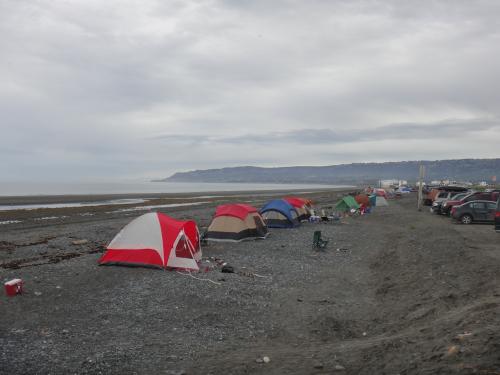
Credit: www.cityofhomer-ak.gov
Wildlife Encounters
Camping in Alaska means being close to wild animals. This is exciting but also needs care. Wildlife encounters can be safe if you know what to do. Learning about animals helps you enjoy camping more.
Alaska’s wilderness has many animals. Some are friendly, and some can be dangerous. Understanding these animals keeps you safe while tent camping.
Bears And Other Animals
Bears are common in Alaska’s forests and mountains. Black bears and grizzly bears live in many areas. Bears usually avoid people but can be curious or protective. Moose, wolves, and foxes also share the land. Moose may look calm but can charge if threatened. Wolves are shy but stay near food sources. Knowing which animals are nearby is important.
Preventing Animal Conflicts
Keep food away from your tent to avoid attracting animals. Use bear-proof containers or hang food high in trees. Make noise while hiking to alert animals of your presence. Never approach or feed wild animals. Store trash securely and clean cooking areas well. Camp in open spaces where you can see animals coming. Carry bear spray and know how to use it safely. Respect wildlife and keep a safe distance at all times.
Weather Challenges
Camping in Alaska means facing tough weather conditions. The weather can change quickly. It can be sunny one moment and cold or wet the next. Understanding these weather challenges helps campers stay safe and enjoy their trip.
Knowing what to expect prepares you better for tent camping in Alaska’s wild outdoors.
Temperature Fluctuations
Alaska’s temperature can vary a lot in one day. It might be warm during the afternoon. At night, it can drop below freezing. This sudden change can surprise many campers. Dressing in layers helps stay comfortable. Bringing a warm sleeping bag is very important. It keeps you safe from cold nights in the tent.
Storm Preparedness
Storms in Alaska come fast and strong. Rain, wind, and even snow can appear without warning. Setting up your tent in a safe spot is key. Avoid low areas where water can collect. Use sturdy stakes to hold your tent in place. Always check the weather forecast before camping. Carry rain gear and extra supplies to stay dry and warm.
Choosing Campsites
Choosing a campsite in Alaska is very important for a safe trip. The right spot makes your stay comfortable and secure. You must think about nature and weather. Campsites near water, trees, and trails often offer the best experience. Planning helps avoid problems with animals, weather, and rough land. Take time to pick a good site before setting your tent.
Safe Locations
Pick flat ground for your tent. Steep or rocky places can cause falls or damage. Camp at least 200 feet away from lakes and rivers. This reduces flood risks and keeps water clean. Choose areas with some tree cover for wind and sun protection. Avoid spots with dead trees or branches overhead. Those can fall and cause injuries. Look for places used by other campers. It means they are tested safe and easy to reach.
Avoiding Hazards
Avoid camping near animal trails or berry patches. Animals often visit these places. Bears and moose can be dangerous when surprised. Keep away from dense bushes where animals hide. Check the ground for insect nests or signs of wildlife. Stay clear of flood zones and low areas that fill with water. Watch for sudden weather changes like strong winds or rain. These can make your campsite unsafe. Always carry bear spray and store food safely to avoid wildlife problems.
Essential Gear
Camping in Alaska means facing wild weather and rugged nature. Your gear can make or break your trip. Bringing the right equipment keeps you safe and warm. It also helps you enjoy your adventure more. Choose gear that fits Alaska’s unique environment. Prepare for rain, cold nights, and strong winds. Pack smart to stay comfortable and protected.
Tent Types
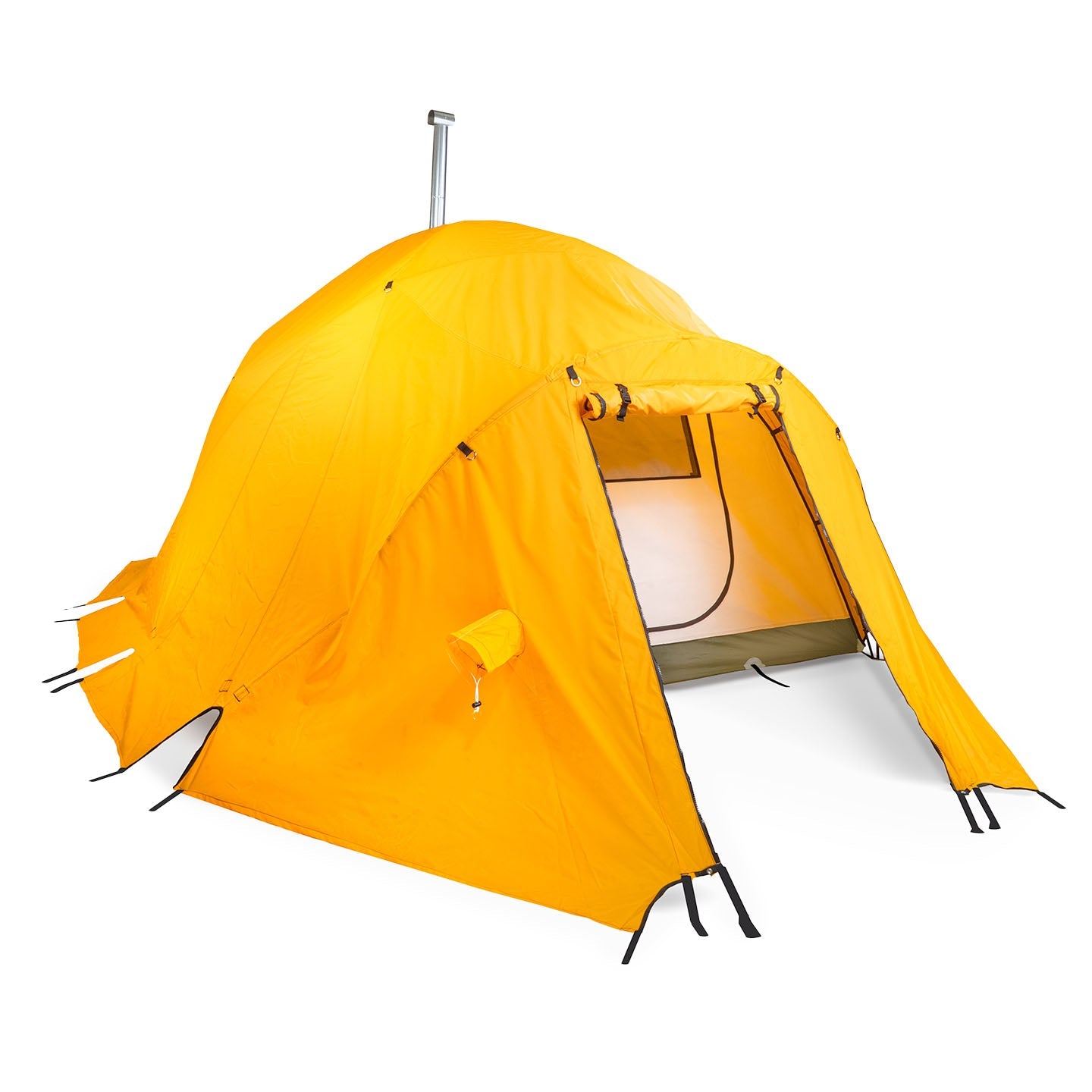
Pick a tent designed for tough weather. Four-season tents work best in Alaska. They handle snow, wind, and rain well. Look for strong poles and durable fabric. A tent with a full rainfly keeps water out. Make sure it has good ventilation. This stops moisture inside your tent. Choose a tent size that fits your group. A bit of extra space feels better after a long day.
Clothing And Supplies
Layer your clothes to stay warm and dry. Start with a moisture-wicking base layer. Add an insulating middle layer like fleece. Finish with a waterproof outer layer. Bring hats, gloves, and warm socks. Pack sturdy hiking boots for rough trails. Carry a first aid kit and a reliable flashlight. Don’t forget a good sleeping bag rated for cold. Extra food and water are a must. Prepare for sudden weather changes at all times.
Safety Tips
Camping in Alaska offers stunning views and wild adventures. Safety is very important for a good experience. Knowing simple tips helps keep you safe in the wilderness. These tips focus on food storage and emergency plans.
Food Storage
Keep all food in bear-proof containers. Do not leave food inside your tent. Store food away from your sleeping area. Hang food bags high in trees if no containers are available. Clean up all crumbs and scraps after meals. Avoid strong-smelling foods that attract animals. Use coolers only during the day and secure them well. Proper food storage reduces animal visits and keeps you safe.
Emergency Plans
Make a clear emergency plan before camping. Share your plan with someone you trust. Know the closest ranger station and emergency contacts. Carry a charged phone or satellite messenger. Pack a first aid kit with basic supplies. Learn how to signal for help if needed. Stay calm and follow your plan in emergencies. Being ready helps you handle problems quickly and safely.
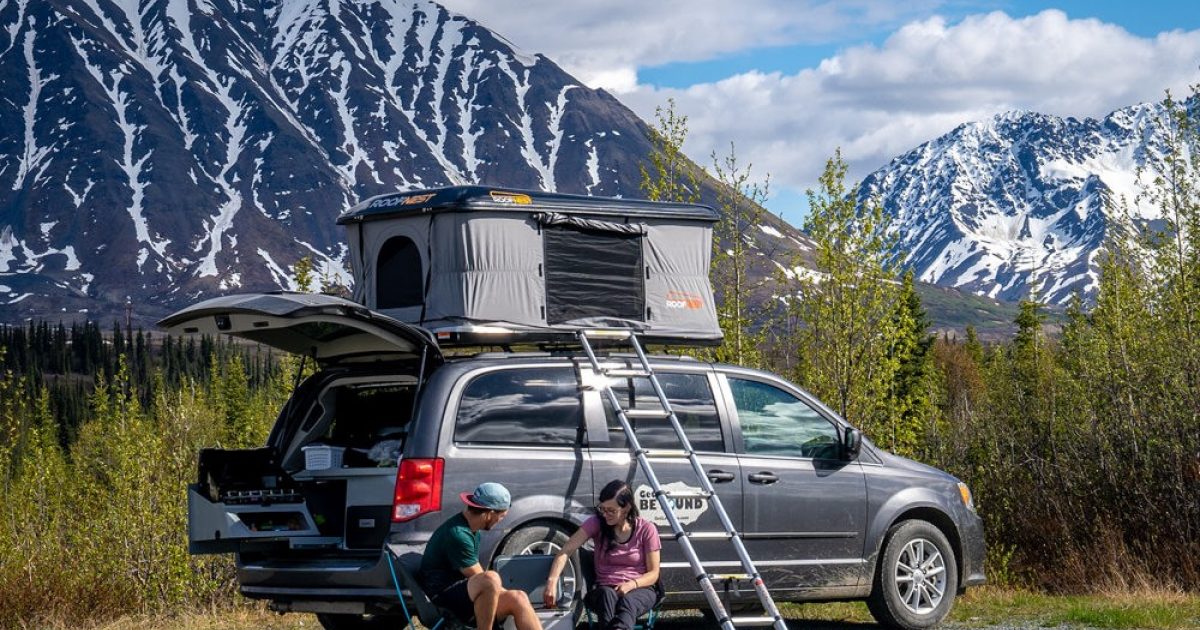
Credit: www.alaska.org
Local Regulations
Camping in Alaska offers a unique experience with stunning nature all around. Local rules help protect this beauty and keep campers safe. Knowing these rules is important before pitching your tent. Respect for the land makes camping better for everyone.
Permits And Restrictions
Many areas in Alaska need permits for camping. Some parks limit where you can set up your tent. Check with local offices before your trip. Some places close during certain seasons to protect wildlife. Follow all posted signs and rules strictly. Getting a permit helps control visitor numbers and protects nature.
Leave No Trace Practices
Leave No Trace means leaving the land as you found it. Pack out all trash and leftover food. Avoid digging or disturbing plants and soil. Camp at least 200 feet from water sources. Use existing fire rings if fires are allowed. These steps keep nature clean and safe for animals and people. Every camper has a role in protecting Alaska’s wilderness.
Credit: alaskagearcompany.com
Frequently Asked Questions
Is Tent Camping Safe In Alaska’s Wilderness?
Yes, tent camping in Alaska is generally safe with proper precautions. Always store food securely and stay aware of wildlife. Use bear-proof containers and camp in designated areas to minimize risks and ensure a safe experience.
What Wildlife Risks Exist When Tent Camping In Alaska?
Alaska hosts bears, moose, and other wild animals. Proper food storage and making noise reduce surprise encounters. Carry bear spray and know how to react if you meet wildlife while camping.
How To Protect Yourself From Bears When Camping?
Store food in bear-proof containers and away from tents. Make noise while hiking to avoid surprising bears. Carry bear spray and learn how to use it effectively for safety.
What Weather Conditions Affect Tent Camping In Alaska?
Alaska’s weather can be unpredictable with rain, wind, and cold nights. Pack waterproof gear, warm clothing, and a sturdy tent. Always check weather forecasts before camping to stay prepared.
Conclusion
Tent camping in Alaska can be safe with the right preparation. Know the weather and pack warm clothes. Keep food stored to avoid bears. Choose campsites with good reviews and follow local rules. Stay alert and respect nature’s power. Adventure waits, but safety comes first.
Enjoy the wild, but stay smart. Camping here offers great memories for those who plan well.
