
Are you thinking about tent camping in Colorado but wondering if it’s safe? You’re not alone.
Colorado’s stunning mountains and fresh air make it a top spot for outdoor lovers like you. But before you pitch your tent, it’s important to know what to expect. From weather changes to wildlife encounters, there are a few things that can impact your trip.
Keep reading to discover what you need to know to keep your camping adventure safe and enjoyable. Your perfect Colorado camping experience starts here.
Credit: www.nps.gov
Camping Spots In Colorado
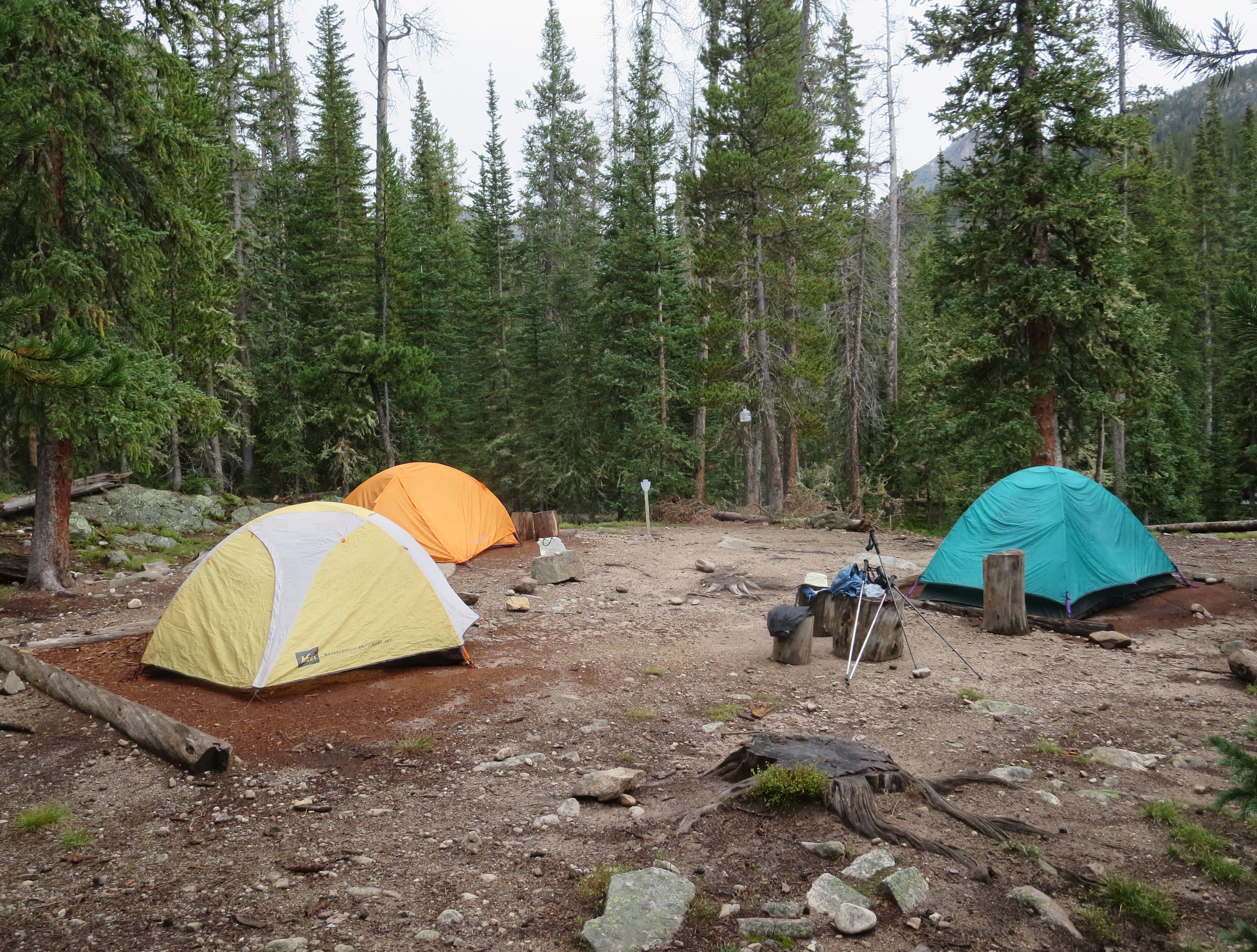
Colorado offers many great camping spots for tent campers. The state has places close to cities and deep in nature. Each spot has its own charm and challenges. Knowing about these spots helps you camp safely and enjoy your trip.
Popular Tent Sites
Colorado has many popular tent sites that attract campers. Places like Rocky Mountain National Park and Golden Gate Canyon State Park are favorites. These sites have good facilities and easy access. You can find bathrooms, fire pits, and marked trails. Popular sites fill up fast, so book early. These spots are great for first-time campers and families.
Remote Locations
Remote camping spots offer peace and quiet away from crowds. Areas like San Juan Mountains and Flat Tops Wilderness are remote gems. These spots need more preparation and gear. No bathrooms or stores nearby. You must carry all supplies and follow safety rules. Remote sites let you connect deeply with nature. Perfect for experienced campers who want solitude.
Seasonal Considerations
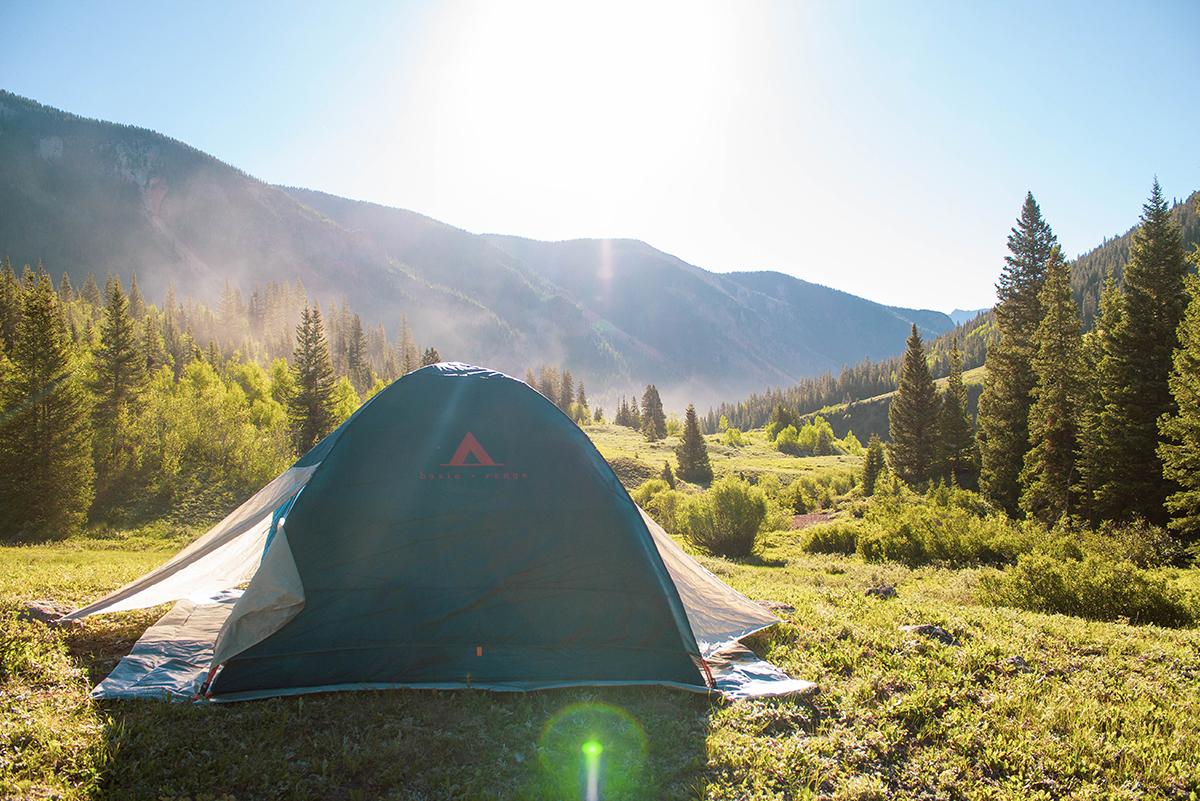
Camping safety in Colorado depends on the season. Summer is warm but crowded. Winter camping is cold and needs special gear. Spring and fall can bring sudden weather changes. Snow or rain might surprise you. Some spots close in winter for safety. Always check weather and site status before camping. Proper planning keeps your trip safe and fun.
Credit: www.du.edu
Weather Challenges
Camping in Colorado means facing some tough weather challenges. The mountain climate changes fast. This can affect your safety and comfort while tent camping. Knowing these weather risks helps you prepare better. It also makes your trip more enjoyable. Here are the key weather challenges to keep in mind.
Temperature Fluctuations
Temperatures in Colorado can change a lot during the day. It may be warm in the afternoon but very cold at night. Sometimes, the temperature drops below freezing even in summer. This can make camping tough without proper gear. Bring layers of clothes and a warm sleeping bag. Watch the weather forecast before your trip.
Storm Risks
Storms in Colorado often come quickly and without much warning. Thunderstorms with heavy rain and lightning are common in summer. These storms can be dangerous for campers in open areas. Lightning strikes and flash floods are real risks. Find a safe place to camp and avoid low spots where water collects. Always have a way to get weather updates.
Wind And Snow
Strong winds can hit any time, especially at high elevations. Wind can damage tents and make it hard to keep warm. Snow can fall even in late spring or early fall. Snow and ice create slippery conditions and cold nights. Use sturdy tents and secure them well. Check weather alerts for wind or snow before heading out.
Wildlife Encounters
Camping in Colorado means sharing space with wildlife. Animals live freely in forests and mountains here. Knowing about these creatures helps you stay safe and enjoy nature.
Common Animals
Colorado has deer, elk, and moose roaming around. Small mammals like squirrels and rabbits are common. Coyotes and foxes may appear at night. Black bears live in many camping areas. Mountain lions are rare but possible to see.
Bear Safety Tips
Store food in bear-proof containers or hang it high. Never keep food inside your tent. Make noise while hiking to avoid surprising bears. Carry bear spray and know how to use it. Stay calm and back away slowly if you meet a bear.
Insect Precautions
Bring insect repellent to avoid bites from mosquitoes and ticks. Wear long sleeves and pants in the evening. Check your body for ticks after hiking. Avoid standing water where mosquitoes breed. Keep your tent zipped to keep bugs out.
Credit: www.kunr.org
Gear Essentials
Camping in Colorado means facing changing weather and rugged land. Proper gear keeps you safe and comfy. Choosing the right equipment makes your trip fun and worry-free. Here are the essentials for a great tent camping experience.
Tent Selection
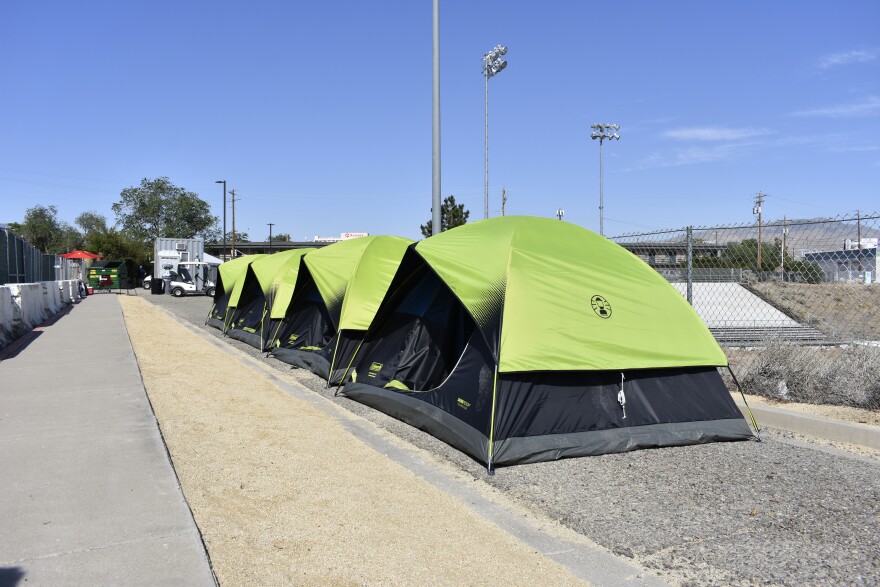
Pick a tent that fits the season and weather. A four-season tent works best for cold and windy nights. Look for tents with strong poles and waterproof fabric. Make sure it is easy to set up and has good ventilation. A rainfly helps keep you dry during storms.
Sleeping Gear
Choose a sleeping bag rated for Colorado’s chilly nights. A bag with insulation keeps you warm and cozy. Use a sleeping pad to protect against cold ground. It adds comfort and keeps heat in. Bring a small pillow or stuff a jacket for head support.
Clothing Choices
Layer your clothes to handle temperature changes. Start with moisture-wicking base layers. Add warm middle layers like fleece or wool. Carry a waterproof and windproof outer layer. Don’t forget a hat, gloves, and sturdy boots. Extra socks help keep your feet dry and warm.
Health And Safety Tips
Camping in Colorado offers a beautiful escape but comes with safety needs. Health and safety tips help you enjoy your trip without problems. Prepare well to avoid common risks outdoors. Stay alert and take simple steps to protect yourself.
Hydration And Food Storage
Drink plenty of water to avoid dehydration. Colorado’s high altitude can dry you out fast. Carry at least two liters of water per day. Use clean containers and treat water if unsure of the source.
Store food in airtight containers to keep animals away. Do not leave food inside your tent. Use bear-proof lockers or hang food bags from trees. Keep your campsite clean to avoid attracting wildlife.
First Aid Basics
Carry a basic first aid kit with bandages, antiseptic, and pain relievers. Learn how to treat cuts, insect bites, and burns. Know how to handle altitude sickness symptoms like headaches and nausea.
Keep emergency numbers handy. Inform someone about your camping plans. Quick care and communication can prevent small injuries from worsening.
Navigational Tools
Bring a map and compass even if you have a GPS device. Battery power can fail in cold or remote areas. Learn basic map reading skills before your trip.
Mark your campsite and trails clearly. Stay on marked paths to avoid getting lost. Carry a whistle or signal device to call for help if needed.
Local Regulations
Camping in Colorado means following local rules. These rules keep nature safe and visitors happy. Knowing local regulations helps you camp without trouble. It also protects Colorado’s beautiful lands for everyone.
Permits And Fees
Many campsites in Colorado require permits. Some spots charge fees to camp overnight. Always check the site’s rules before you go. Permits help control the number of visitors. This keeps the area clean and quiet. You can get permits online or at ranger stations. Keep your permit with you while camping.
Campfire Rules
Campfires are popular but come with strict rules. Many areas allow fires only in fire rings. Some places ban fires during dry seasons. Always check local fire danger levels. Use only dead wood for your fire. Never leave a fire unattended. Put out fires completely before sleeping or leaving.
Leave No Trace
Leave No Trace means leaving nature as you found it. Pack out all trash, including food scraps. Avoid damaging plants or wildlife. Use established trails and campsites. Minimize noise to respect other campers. This practice keeps Colorado wild and beautiful. Everyone benefits from clean, untouched nature.
Frequently Asked Questions
Is Tent Camping Safe In Colorado’s Wilderness Areas?
Yes, tent camping is generally safe in Colorado’s wilderness. Follow local guidelines, store food properly, and be aware of wildlife to ensure safety.
What Wildlife Should Campers Watch For In Colorado?
Campers should watch for bears, mountain lions, and snakes. Proper food storage and awareness reduce wildlife encounters and keep campers safe.
How To Prepare For Weather When Tent Camping In Colorado?
Prepare for variable weather by packing layers, waterproof gear, and warm clothing. Weather can change quickly, especially at high elevations.
Are There Specific Camping Regulations In Colorado?
Yes, many Colorado parks require permits and have fire restrictions. Always check local regulations before camping to comply and protect the environment.
Conclusion
Tent camping in Colorado can be safe with the right preparation. Know the weather and pack warm clothes. Choose campsites with good reviews and follow park rules. Keep food away from animals to avoid trouble. Bring a map and a first-aid kit for safety.
Stay alert and respect nature. Camping here offers great adventure and fresh air. With care, you can enjoy a safe and fun trip. Ready for your next outdoor experience? Colorado’s wild beauty awaits.
