
If you’ve spotted termites in your home, you’re probably feeling worried and wondering what comes next. Tent fumigation is a common way to get rid of these tiny invaders, but what exactly happens when you tent for termites?
You might be curious about how the process works, how long it takes, and what you need to do before and after. Understanding what to expect can help you feel more in control and ready to protect your home. Keep reading, and you’ll discover everything you need to know about tenting for termites—so you can make the best decisions for your family and your house.

Credit: californiatermiteandpestcontrol.com
Purpose Of Tent Fumigation
Tent fumigation kills termites inside a home completely. The process uses gas that spreads through every corner. This gas reaches deep into wood and hidden spaces.
Termites live inside walls and floors. They cause damage that is hard to see until it is very bad. Tent fumigation removes all termites at once. It protects your home from future damage.
Why Tent For Termites
Tenting is the best way to kill large termite colonies. The gas used can enter places sprays cannot reach. It treats the whole house in one step. This method also works faster than other treatments.
It stops termites from coming back soon. The tent keeps the gas inside, making treatment safe and effective. This method is useful for heavy infestations that need strong action.
Types Of Termite Infestations Treated
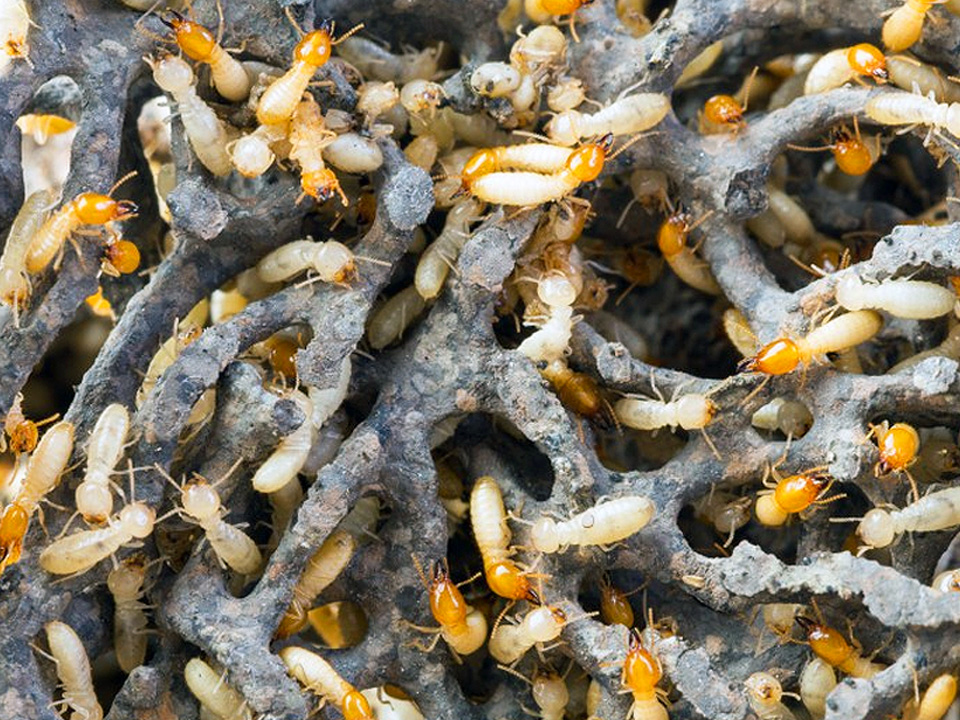
Tent fumigation works well on drywood termites. These termites live inside dry wood without needing contact with soil. It also treats subterranean termites that build tunnels underground and enter homes.
Fumigation targets all life stages of termites. It kills eggs, larvae, and adults. This makes the treatment complete and lasting. It helps prevent damage to wooden structures and furniture.
Credit: www.chemfreeexterminating.com
Preparation Steps Before Tent Fumigation
Preparing your home for tent fumigation is important. It helps the process go smoothly and keeps everyone safe. Proper steps before fumigation protect your belongings and health. Follow these clear actions to get ready for termite treatment.
Clearing The Property
Remove all outdoor furniture and toys from around the house. Cut back plants and bushes near the walls. Clear walkways to allow easy access for the fumigation team. Keep the area open to avoid any obstacles during the process.
Protecting Pets And Plants
Take pets and fish out of the house before fumigation. Arrange a safe place for them during the treatment. Move houseplants outside or to a safe spot away from the tent. This prevents harm from the chemicals used in fumigation.
Securing Food And Medications
Remove all food items from the house or store them in special bags. Seal medicines and vitamins in airtight containers. Avoid leaving any open food or drinks inside. This protects your health and avoids contamination during fumigation.
The Tent Fumigation Process
The tent fumigation process is a common method to eliminate termites from a home. It uses a special gas that kills termites inside walls, floors, and other hidden places. This process needs careful planning and expert handling to be safe and effective.
Setting Up The Tent
Technicians cover the entire house with a large, strong tent. The tent keeps the fumigant gas inside the home. They seal all openings tightly. This prevents the gas from escaping. It also stops people and pets from entering during treatment.
Fumigant Release And Exposure Time
The fumigant gas is released inside the tent. It spreads through every corner of the house. The gas enters small cracks and holes where termites hide. The home stays sealed for a set time, usually 24 to 72 hours. This exposure time is needed to kill all termites.
Safety Measures During Treatment
People and pets must leave the home before fumigation. Professionals wear protective gear during the process. They monitor gas levels to ensure safety. After treatment, the house is aired out well. This removes all fumigant gas before residents return. Safety checks happen before re-entry to protect health.
Post-fumigation Procedures
After termite tenting, certain steps ensure your home is safe and clean. Post-fumigation procedures protect your family and restore your living space. These steps help remove harmful gases and check the house thoroughly. Understanding these procedures prepares you for what happens next.
Tent Removal And Aeration
The pest control team removes the tent carefully. They open windows and vents to let fresh air in. This process is called aeration. Aeration clears out toxic gases from the house. It usually takes several hours to complete. Proper aeration is crucial for safety.
Reentry Guidelines
Do not enter the house until professionals say it is safe. They test the air to check for gas levels. Following reentry rules protects your health. Usually, you can return after 24 to 72 hours. Children, pets, and sensitive individuals must wait longer.
Cleaning And Inspection
After reentry, clean your home thoroughly. Wipe surfaces and wash fabrics to remove residue. Inspect wood and furniture for any damage. Pest control may provide guidance on what to check. Regular inspections help prevent future termite problems.
Effects On Termites And Property
Tenting for termites affects both the pests and the property. This process targets termites hidden inside wood. It also protects your home from further damage. Understanding these effects helps homeowners make informed choices.
The treatment uses chemicals that reach every corner under the tent. It kills termites quickly and stops their spread. The property stays safe if the process is done right.
How Fumigation Eliminates Termites
Fumigation fills the tented area with gas. This gas enters wood and cracks where termites live. It kills termites at all life stages—workers, soldiers, and queens. The gas works fast and reaches hidden colonies. This thorough approach ensures no termites survive.
Impact On Structural Integrity
Fumigation does not harm the building’s structure. The chemicals used do not weaken wood or metal. The process only targets insects, not materials. Proper fumigation keeps your home strong and safe. After treatment, repairs can stop termite damage from growing.
Potential Risks And Side Effects
The chemicals are toxic to humans and pets during fumigation. Staying out of the house is necessary. Some items inside may need special care or removal. Poor tenting can cause gas leaks, which are dangerous. Always hire licensed professionals to reduce risks.

Credit: homeguide.com
Costs And Alternatives To Tent Fumigation
Tent fumigation for termites can be costly. It requires special equipment and skilled workers. Many homeowners want to know about the price and other treatment options. Understanding costs and alternatives helps make the best choice for your home.
Typical Pricing Factors
The size of your home affects the cost. Bigger homes need more materials and time. Location matters too. Some areas have higher service fees. The severity of the termite problem plays a role. More damage means more work and higher costs. The company’s reputation can influence prices. Experienced firms may charge more but provide better service.
Non-tent Treatment Options
Spot treatments target termite areas directly. These use liquid pesticides or foam. Baiting systems attract termites and kill the colony. They are less invasive than tenting. Heat treatments raise the temperature to kill termites. This method is chemical-free. Orange oil treatments use natural citrus extract. They work on small infestations but not large ones.
Pros And Cons Comparison
Tent fumigation kills termites quickly and thoroughly. The house must be empty for several days. It can be costly and disrupt daily life. Non-tent treatments are less disruptive. They allow you to stay in the home during treatment. These options may take longer to work. They might not eliminate all termites in severe cases. Choosing depends on budget, infestation size, and comfort level.
Signs Of Successful Termite Eradication
After tenting for termites, knowing the signs of successful termite eradication is important. It helps you see if the treatment worked well. Termite tenting uses strong chemicals to kill pests inside your home. The goal is to remove all termites completely.
Signs of success include no new termite damage and no termite activity. You may also notice the absence of mud tubes or wings from termites. These signs show the colony is gone or greatly reduced. Still, careful checks continue to ensure termites do not return.
Monitoring Post-treatment
After tenting, regular monitoring is key. Watch for new termite damage or mud tubes on walls. Check wooden parts of your house for soft spots or holes. Use a flashlight and small tools for detailed inspection. Keep records of any changes in your home’s condition. This helps track if termites come back or new ones arrive.
When To Call For Follow-up
Call a professional if you see signs of termite activity again. New mud tubes, damaged wood, or termite wings need immediate attention. Also, schedule follow-up inspections yearly to prevent future infestations. Early detection saves money and stops damage. Do not wait if you suspect termites are back.
Frequently Asked Questions
What Does Tenting For Termites Involve?
Tenting for termites means covering your home with a large tarp. Professionals then release a fumigant inside to kill termites. This method penetrates wood, reaching hidden termite colonies effectively. It is a common, thorough treatment for severe infestations.
How Long Does Termite Tenting Take?
Termite tenting usually takes 2 to 4 days. The fumigant stays inside for about 24 to 72 hours. After airing out, it’s safe to re-enter. Preparation before tenting may add extra time.
Is Termite Tenting Safe For Families And Pets?
Tenting is safe when done by professionals. You must vacate your home during fumigation. Pets and plants should be removed as well. After airing out, homes are safe and chemical-free.
What Should I Do To Prepare For Termite Tenting?
Remove food, medications, and plants from your home. Seal or refrigerate all consumables. Plan to stay elsewhere during fumigation. Follow your pest control provider’s detailed instructions carefully.
Conclusion
Tenting for termites clears your home of harmful bugs. The process is fast but needs careful preparation. You must leave your house during treatment time. After tenting, your home feels safe and clean. Regular checks help keep termites away for good.
Taking these steps protects your home’s value. Peace of mind comes with knowing pests are gone. Trust experts to handle the job properly. Your home deserves this important care and attention.
