
Imagine you’re deep in the woods, your tent pitched and the sky suddenly darkens. Thunder rumbles in the distance, and rain starts to pour.
You might wonder, “Is it safe to tent camp in a thunderstorm? ” This question isn’t just about comfort—it’s about your safety. You’ll discover what risks thunderstorms pose when you’re camping and how you can protect yourself if bad weather hits.
Keep reading to learn simple, practical tips that could keep you safe and calm during a storm.
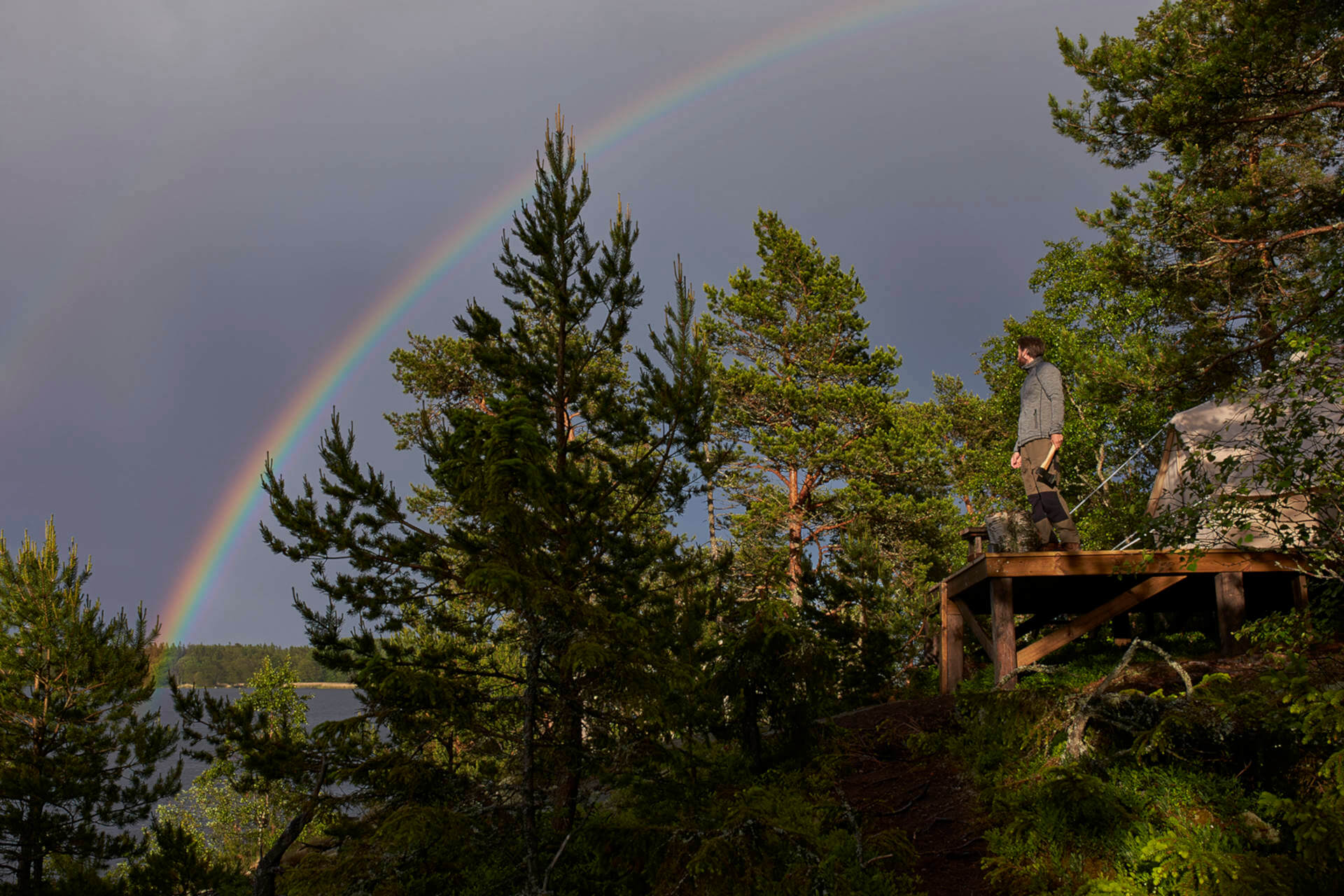
Credit: blog.tatonka.com
Risks Of Tent Camping During Storms
Tent camping during storms carries many risks. Storms bring dangers that can harm campers quickly. Knowing these risks helps you stay safe. Storms can change fast. Being inside a tent does not always mean safety.
Storms have strong elements like lightning, rain, and wind. Each of these can cause serious problems for tent campers. Understanding these risks is key to making smart choices outdoors.
Lightning Strikes
Lightning can hit tents or nearby trees. Tents do not protect you from lightning. Staying under tall trees or open fields increases risk. Lightning strikes cause severe injuries or death. Avoid camping in high places or near metal objects.
Flooding Hazards
Heavy rain can cause sudden floods. Low areas fill with water fast. Tents offer no protection from rising water. Floods can trap campers or damage gear. Choose campsites on higher ground to avoid floods.
Wind Damage
Strong winds can tear tents apart. Poles can break or fly away. Loose gear can become dangerous projectiles. Wind can also knock down nearby trees. Secure your tent well and avoid open ridges or valleys.
Choosing A Safe Campsite
Choosing a safe campsite is key during a thunderstorm. Your spot can protect you from lightning and strong winds. Picking the right place lowers risks and keeps you safer. This part explains how to find a good campsite in bad weather.
Avoiding Low-lying Areas
Low places fill with water fast. They can flood during heavy rain. Camping there puts you in danger of getting wet or trapped. Water also attracts lightning. Choose higher ground to stay dry and safe.
Staying Clear Of Tall Trees
Tall trees attract lightning strikes. Being near one during a storm is risky. Lightning can hit trees and cause falling branches. Keep your tent away from tall trees to avoid harm.
Finding Natural Shelters
Look for natural shelters like rock formations or small caves. These spots offer some protection from wind and rain. They can block lightning from striking you directly. Use nature’s cover to stay safer during storms.
Preparing Your Tent For Storms
Preparing your tent for storms is crucial for safety and comfort. Strong winds and heavy rain can damage your shelter. Proper preparation helps your tent stay stable and dry. It reduces risks and keeps you protected during a thunderstorm.
Securing Tent Anchors
Firmly anchoring your tent stops it from blowing away. Use strong stakes designed for the ground type. Drive stakes deep and at an angle for better hold. Tie all guy lines tightly to keep the tent steady. Check anchors often during the storm for looseness.
Using Waterproof Materials
Choose tents made with waterproof fabrics to block rain. Use a rainfly to cover the tent and protect seams. Apply waterproof sprays to increase resistance on older tents. Seal all zippers and openings to prevent water entry. Keep the tent floor dry with a waterproof groundsheet.
Setting Up Proper Drainage
Place your tent on high ground to avoid flooding. Clear the area of sticks and rocks for smooth water flow. Dig shallow trenches around the tent to guide rainwater away. Avoid setting up near rivers or low spots. Good drainage prevents water from pooling under your tent.

Credit: www.youtube.com
Safety Measures During A Thunderstorm
Camping during a thunderstorm is risky without safety steps. Knowing what to do saves lives and reduces danger. Prepare well and act fast to protect yourself and others. Follow clear safety measures to stay safe inside your tent.
Recognizing Storm Signs
Dark clouds gather quickly. Winds grow stronger and colder. Thunder sounds near and loud. Lightning flashes often and close. These signs warn a storm is coming fast. Watch the sky and listen carefully.
What To Do When Lightning Strikes
Stay low and avoid tall objects. Do not touch metal poles or wet surfaces. Keep inside the tent but away from walls. Crouch on the ground with feet together. Stay calm and wait until the storm passes.
Emergency Evacuation Plans
Plan your escape route before camping. Know the closest shelter or safe building. Pack emergency items in an easy-to-grab bag. Leave the tent quickly but safely if flooding starts. Move to higher ground and avoid water areas.
Alternative Shelter Options
Finding safe shelter during a thunderstorm is very important for tent campers. Tents do not protect well against lightning, strong winds, or heavy rain. Knowing alternative shelter options can keep you safe and dry. These options offer better protection than tents in bad weather. Here are some safe places to consider when storms approach.
Using Vehicles As Shelter
Cars provide solid protection from lightning and rain. The metal body acts as a shield during a storm. Stay inside the vehicle and avoid touching metal parts. Keep windows closed to prevent water from entering. Vehicles also block strong winds and flying debris. Park away from tall trees or power lines for added safety.
Nearby Buildings Or Cabins
Buildings and cabins offer sturdy shelter in storms. They have solid roofs and walls that block rain and wind. Choose a building without exposed metal pipes or wiring. Stay away from windows to avoid broken glass hazards. These shelters provide a safe space to wait out the storm. Always ask permission if the building is private property.
Portable Storm Shelters
Portable storm shelters are small, strong, and easy to set up. They are made to resist high winds and heavy rain. These shelters often have reinforced walls and secure doors. Some models are designed to protect against lightning strikes too. Carrying a portable shelter can add safety on remote camping trips. Check weight and size before buying to ensure easy transport.
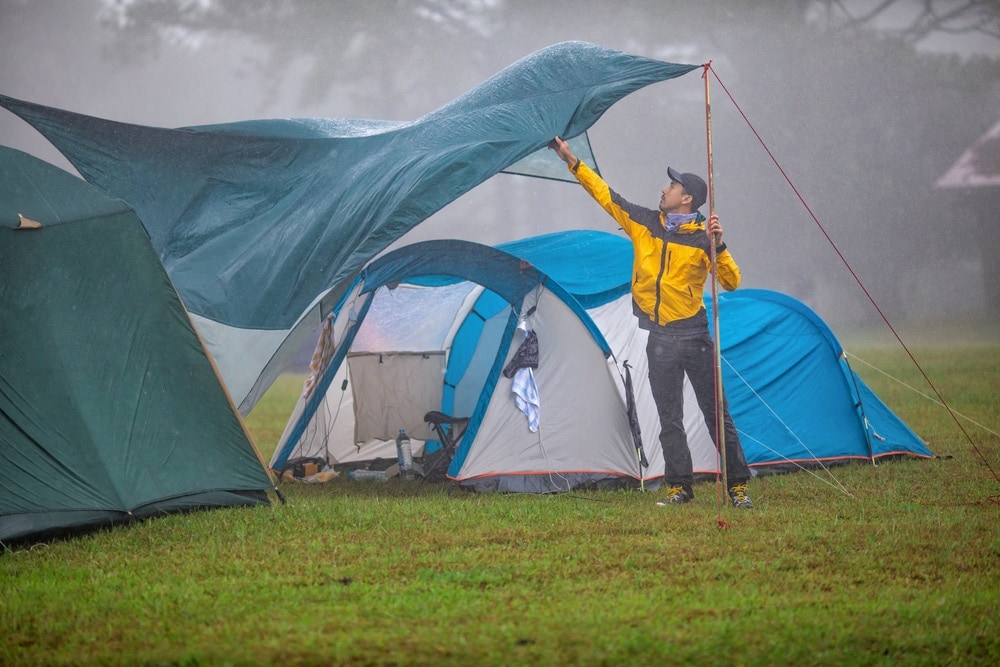
Credit: www.eurocampings.co.uk
Post-storm Safety Tips
After a thunderstorm, safety remains a top priority for tent campers. Storms can leave behind hidden dangers and damage that may not be obvious right away. Taking time to check your surroundings and gear helps prevent accidents and keeps your trip enjoyable.
Checking For Hazards
Look around your campsite carefully. Fallen branches, loose rocks, or weakened trees can pose risks. Avoid setting up near damaged trees or unstable ground. Watch for flooded areas or deep puddles. These can hide sharp objects or make the ground slippery. Clear any debris that might block your path or tent entrance.
Drying And Inspecting Gear
Wet gear can cause discomfort and even illness. Remove wet clothes and hang them to dry in sunlight. Check your tent for holes, tears, or broken poles. Dry your sleeping bag and mats outside. Inspect backpacks and shoes for mud or water damage. Clean and dry everything to prevent mold and bad smells.
Assessing Environmental Damage
Storms can change the landscape quickly. Look for signs of soil erosion or new water channels nearby. Notice if plants or bushes have been uprooted. Avoid camping near unstable slopes or eroded banks. This reduces the chance of landslides or flooding. Stay alert to changes in weather and terrain throughout your stay.
Frequently Asked Questions
Is Tent Camping Safe During A Thunderstorm?
Tent camping during a thunderstorm is risky due to lightning strikes and strong winds. Avoid open fields and tall trees. Seek shelter in a sturdy building or vehicle for safety.
How To Stay Safe If Caught In A Thunderstorm Camping?
Stay low and away from tall objects. Avoid metal gear and water sources. Use a lightning safety position by crouching with feet together and minimizing ground contact.
Can Tents Protect Against Lightning Strikes?
Tents do not provide adequate protection from lightning strikes. Lightning can travel through tent poles and wet fabric. Always seek safer shelter during thunderstorms.
What Are The Best Camping Spots During Thunderstorms?
Choose low-lying areas away from isolated trees, ridges, and open fields. Avoid water bodies and metal fences. Look for dense forests but beware of falling branches.
Conclusion
Tent camping during a thunderstorm carries serious risks. Lightning can strike tents and nearby trees. Always choose safe spots away from tall objects. Stay low and avoid open fields. Keep an eye on weather forecasts before camping. Quick action can protect you and your group.
Remember, safety matters more than adventure. Camping is fun, but storms need respect. Stay alert and prepared for sudden weather changes. Your safety depends on smart choices and caution.
