
Are you thinking about tent camping in Yellowstone? It’s a thrilling idea—sleeping under the stars, surrounded by nature’s beauty.
But you might be wondering, is it really safe? You want to enjoy your trip without worrying about unexpected dangers or uncomfortable surprises. This article will help you understand what to expect and how to stay safe while tent camping in one of America’s most famous parks.
Keep reading to discover tips that can make your adventure both exciting and secure.
Wildlife Risks
Yellowstone National Park is full of wild animals. Camping here means sharing space with nature. Wildlife can be exciting to see but also risky. Knowing about these risks helps keep you safe. Always respect animals and their homes.
Bear Encounters
Bears are common in Yellowstone. Black bears and grizzly bears live in the park. They may come near campsites looking for food. Bears can be dangerous if surprised or provoked. Never approach or feed a bear. Make noise while hiking to avoid surprise encounters.
Other Animals To Watch
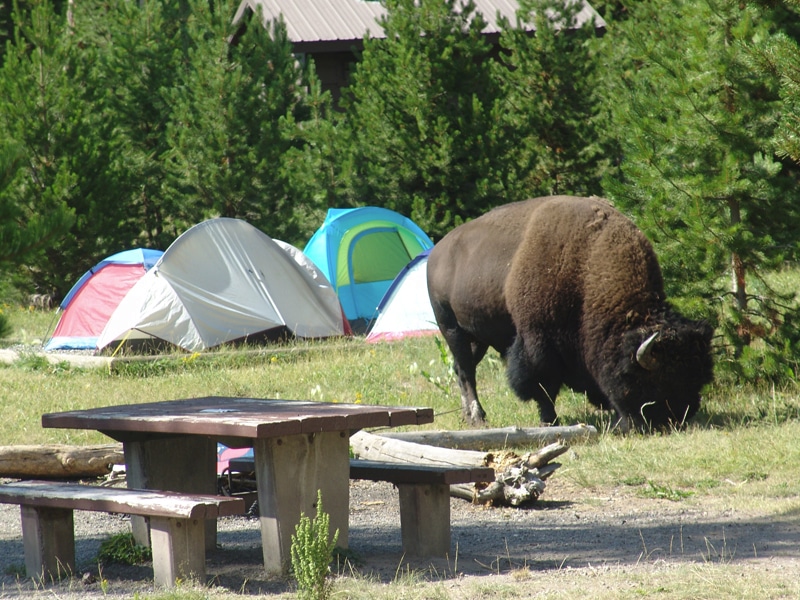
Besides bears, many animals roam Yellowstone. Elk, bison, wolves, and mountain lions live here. Bison are large and can run fast. Stay far from all wildlife. Even smaller animals can be unpredictable. Keep your distance and observe quietly.
Safety Precautions
Store food in bear-proof containers. Keep your campsite clean and free of food scraps. Carry bear spray and know how to use it. Camp in designated areas only. Follow park rules and ranger advice. Stay alert and respect wildlife space.
Weather Challenges
Tent camping in Yellowstone means facing some real weather challenges. The weather can change fast. One minute it feels warm, the next cold and wet. Knowing what to expect helps you stay safe and enjoy your trip.
Temperature Variations
Yellowstone’s temperatures can change a lot in one day. Mornings can be chilly, even in summer. Afternoons might warm up quickly. Nights often drop below freezing, especially in spring and fall. Dress in layers to stay comfortable. Pack warm clothes, even in summer.
Storm Preparedness
Storms can come suddenly in Yellowstone. Thunderstorms often bring heavy rain and lightning. Find a safe spot away from trees and open fields during storms. Make sure your tent is waterproof and secure. Keep gear dry by storing it in waterproof bags or containers.
Seasonal Considerations
Seasons affect weather and camping conditions. Spring can be wet and muddy with snow at higher spots. Summer is warmer but can have afternoon storms. Fall brings cooler temperatures and early snow. Winter is very cold and not safe for most tent camping. Plan your trip around the season for best results.
Campsite Selection
Choosing the right campsite in Yellowstone is very important for a safe and fun trip. The park has many places to camp, but not all are good for tents. Picking a good spot helps protect you from weather, animals, and other dangers. It also keeps the park clean and healthy for nature and visitors.
Designated Tent Areas
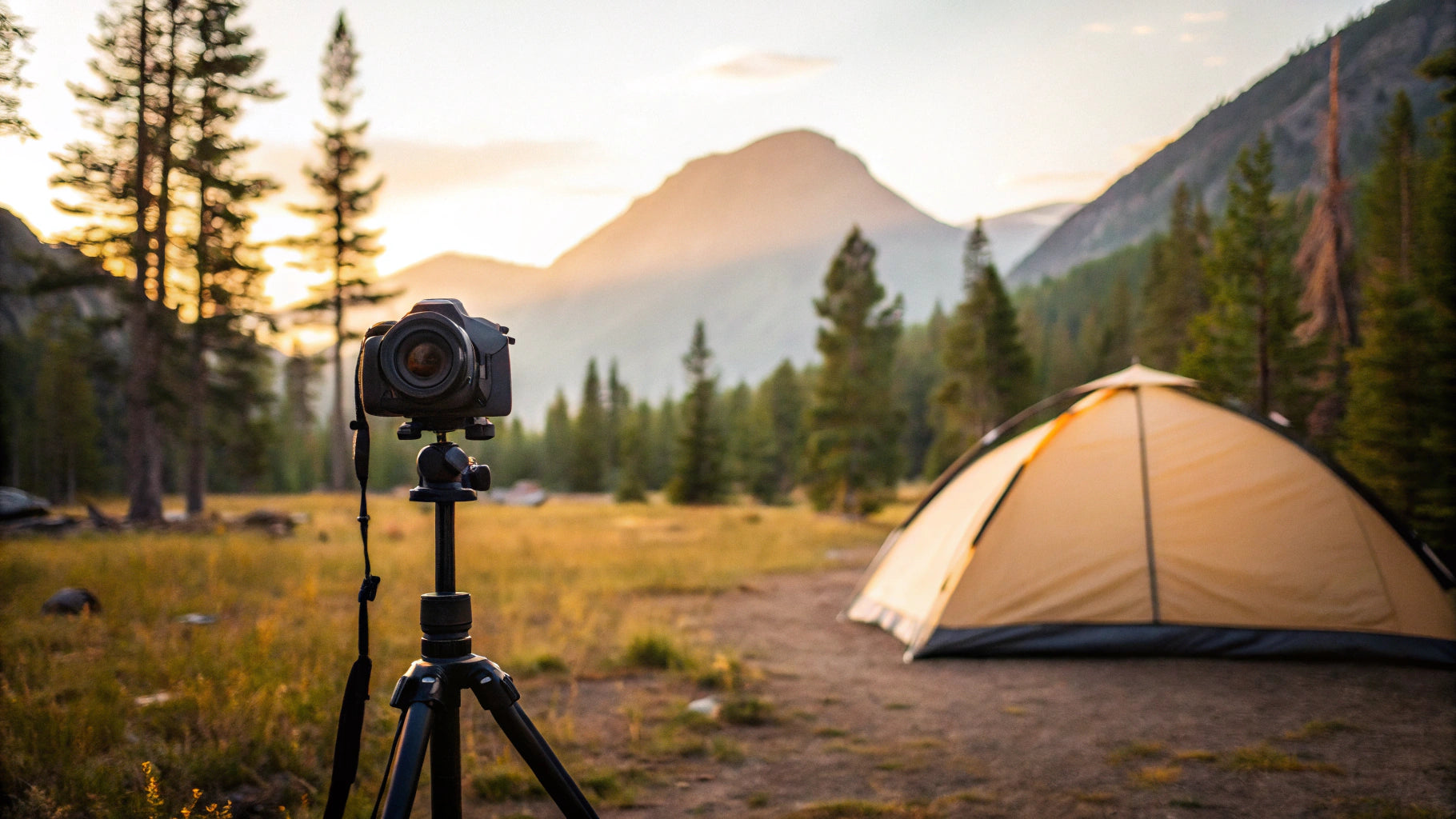
Yellowstone has special areas made just for tent camping. These spots have flat ground and are away from animal paths. They often have fire rings and toilets nearby. Camping in these areas keeps you safe and follows park rules. Avoid setting up tents outside these zones to protect yourself and nature.
Proximity To Water Sources
Camping near water is handy for cooking and cleaning. But tents should be at least 200 feet from lakes or streams. This distance stops water pollution and keeps animals away. Water areas can flood, so choose higher ground close enough to water but not too close. This keeps your gear dry and safe.
Avoiding Hazard Zones
Some parts of Yellowstone can be risky for campers. Avoid places near steep cliffs, hot springs, or bear trails. These zones can cause accidents or wildlife encounters. Look for signs or ask park rangers about safe camping spots. Staying clear of danger zones helps you enjoy the park without trouble.
Credit: www.battlbox.com
Gear Essentials
Camping in Yellowstone demands smart gear choices. Proper equipment keeps you safe and comfortable. Yellowstone’s wilderness has wildlife and changing weather. Good gear helps you avoid trouble and enjoy your trip fully.
Bear-proof Storage
Bears are common in Yellowstone. Store all food and scented items in bear-proof containers. Use lockers provided at campsites or carry bear canisters. Never keep food inside your tent. This reduces the risk of attracting bears near your camp.
Proper Tent Setup
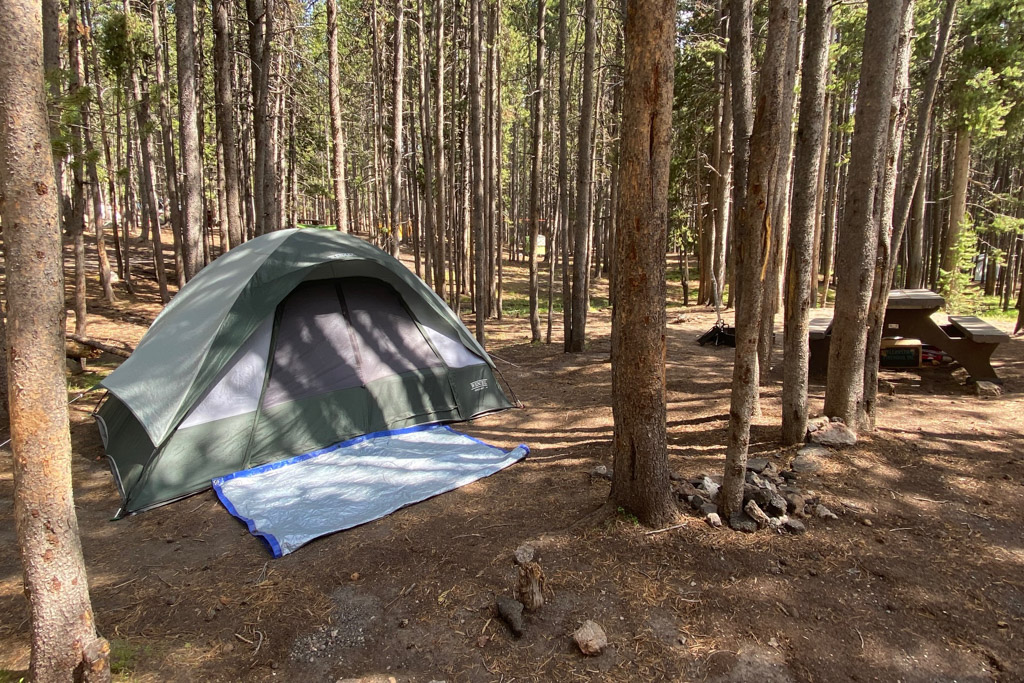
Choose a flat, dry spot away from animal trails. Secure your tent with strong stakes and guylines. Check for loose ground or sharp objects. Keep your tent zipped to keep insects and animals out. A well-set tent protects you from weather and wildlife.
Emergency Supplies
Carry a first aid kit with basics like bandages and antiseptic. Bring a whistle and flashlight with extra batteries. Pack extra water and snacks for unexpected delays. A map and compass help if technology fails. Being ready for emergencies increases your safety in the wild.
Park Regulations
Yellowstone National Park has strict rules to keep campers safe and protect nature. Following these park regulations helps preserve the park’s beauty. It also reduces risks from wildlife and fire. Campers must know and respect these rules before setting up a tent.
Permits And Reservations
Camping in Yellowstone requires a permit or reservation. Many campgrounds fill up quickly, especially in summer. Reserving your spot early is important. Some areas allow only backcountry camping with a permit. Always check park websites for the latest rules and availability.
Campfire Rules
Campfires are allowed only in designated spots. Fire danger changes with weather and season. Park staff may ban fires during dry periods. Use established fire rings to prevent wildfires. Never leave a fire unattended. Always fully put out fires before sleeping or leaving.
Leave No Trace Practices
Leave No Trace means leaving the park as you found it. Pack out all trash and food scraps. Avoid disturbing plants and animals. Camp only in allowed areas to protect soil and vegetation. Follow these simple steps to keep Yellowstone clean and wild for all visitors.
Credit: www.justahead.com
Health And Hygiene
Health and hygiene are important for a safe camping trip in Yellowstone. Keeping clean helps avoid sickness and discomfort. Camping in nature means extra care with germs and bugs. Staying healthy makes your trip better and more fun.
Sanitation Facilities
Yellowstone campgrounds provide toilets and wash stations. Use these facilities to keep clean and reduce germs. Carry hand sanitizer for times without water. Dispose of trash in designated bins to keep the area safe. Clean campsites help protect the environment and your health.
Dealing With Insects
Insects like mosquitoes and ticks can spread diseases. Wear long sleeves and pants to cover skin. Use insect repellent on exposed areas. Check your body for ticks after outdoor activities. Avoid standing water where mosquitoes breed. Protecting yourself from bugs prevents bites and infections.
Water Safety
Do not drink water directly from rivers or lakes. Use a water filter or boil water before drinking. Carry enough clean water for your trip. Safe water prevents stomach illnesses and dehydration. Always wash your hands before eating or cooking.
Emergency Preparedness
Camping in Yellowstone is an amazing experience. Being prepared for emergencies keeps the trip safe and fun. Nature can be unpredictable. Knowing what to do in emergencies helps protect you and your group. This section covers key tips on emergency preparedness for tent campers in Yellowstone.
Communication Options
Cell phone signals are weak or absent in many parts of Yellowstone. Carry a satellite phone or a two-way radio for better contact. Inform someone outside the park about your plans and schedule. Use park ranger stations to report your location if needed. Always carry a whistle to signal for help in an emergency.
First Aid Tips
Bring a well-stocked first aid kit with bandages, antiseptics, and pain relievers. Learn basic first aid skills like treating cuts, burns, and insect bites. Keep medications in a waterproof container. Clean wounds immediately to prevent infection. Stay calm and act quickly during injuries or sudden illness.
Evacuation Routes
Familiarize yourself with park maps and note all evacuation routes near your campsite. Follow marked trails and signs during emergencies. Listen to park ranger announcements for updates on closures or hazards. Plan multiple exit paths in case one route is blocked. Move quickly but carefully to safe areas if danger appears.
Credit: www.yellowstone.org
Frequently Asked Questions
Is Tent Camping Safe In Yellowstone National Park?
Yes, tent camping is safe if you follow park regulations. Use bear-proof storage and camp in designated areas to avoid wildlife encounters.
What Wildlife Precautions Are Needed For Yellowstone Campers?
Store food in bear-proof containers and keep your campsite clean. Avoid leaving food or scented items outside tents to prevent attracting animals.
Are There Designated Tent Camping Areas In Yellowstone?
Yes, Yellowstone offers several designated campgrounds for tents. Always camp in approved spots to ensure safety and protect the environment.
Can Weather Affect Tent Camping Safety In Yellowstone?
Absolutely. Yellowstone weather can change rapidly. Be prepared for rain, cold, and wind with proper gear to stay safe and comfortable.
Conclusion
Tent camping in Yellowstone can be safe with the right steps. Always store food properly to avoid wildlife encounters. Follow park rules and stay alert to your surroundings. Carry bear spray and know how to use it. Choose established campsites and keep a clean area.
Weather can change fast, so be prepared. Respect nature and other campers for a peaceful stay. Enjoy the beauty but stay cautious. Your safety depends on how well you plan and act. Camping here offers a great experience when done wisely.
