
Imagine you’re deep in the woods, your tent pitched and ready for a night under the stars. Suddenly, dark clouds roll in, and thunder rumbles nearby.
You might be asking yourself, “Is it safe to tent camp in a thunderstorm? ” This is a question every camper should consider before heading out. Your safety depends on knowing what to do when nature shows its wild side.
Keep reading to discover crucial tips that can protect you and help you stay calm when the storm hits. Don’t let fear or uncertainty spoil your adventure—be prepared and stay safe.
Risks Of Tent Camping In Thunderstorms
Tent camping during a thunderstorm carries serious risks. Storms bring natural dangers that can threaten your safety and comfort. Understanding these risks helps you stay safe and make smart choices outdoors.
Lightning Strikes And Their Dangers
Lightning can hit tents or nearby trees without warning. Tents offer little protection from lightning. Metal tent poles can attract lightning, increasing danger. A strike can cause burns, injuries, or even death. It is best to avoid open areas and tall objects during storms.
Flooding And Water Hazards
Heavy rain can cause rapid flooding around your campsite. Water can seep into your tent, soaking your gear and clothes. Flooded grounds become slippery and unsafe for walking. Rising water can trap campers or force quick moves. Choose campsites on higher ground away from streams and low areas.
Wind Damage To Tents
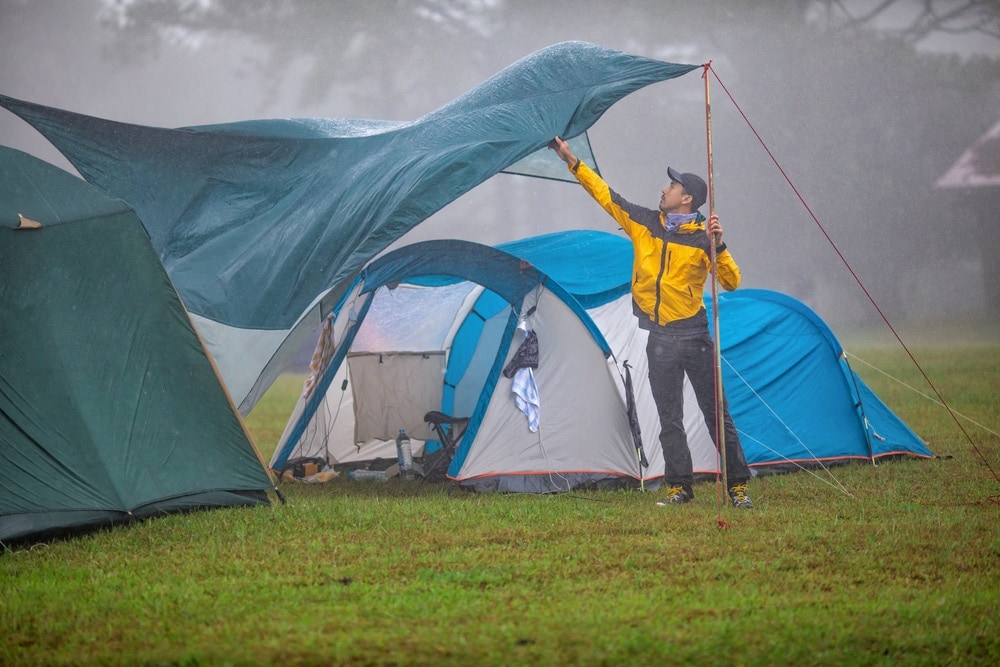
Strong winds often accompany thunderstorms. Winds can tear tents or blow them away if not secured well. Loose tent stakes or poles can break and cause injury. Wind can also blow debris into your tent. Use sturdy tents and secure all tent parts tightly to resist wind damage.
Credit: www.eurocampings.co.uk
Choosing A Safe Campsite
Choosing a safe campsite is key during a thunderstorm. Your safety depends on where you set up your tent. Pick a spot that lowers risks from lightning and flooding. This step helps protect you and your gear. It can make a big difference in staying safe outdoors.
Avoiding High Ground And Isolated Trees
High ground attracts lightning. Avoid hills, ridges, and peaks. Standing on top during a storm is risky. Isolated trees also draw lightning strikes. Do not camp under a single tall tree. Choose a place with many trees or low vegetation instead.
Selecting Proper Drainage Areas
Water pools in low spots after rain. Avoid valleys, ditches, and holes. These areas flood quickly and can trap you. Find a flat place with good drainage. The ground should let water run away fast. This keeps your tent dry and safe.
Distance From Water Bodies
Stay away from lakes, rivers, and streams. Water attracts lightning and floods. Set your tent at least 200 feet from water edges. This distance helps reduce the risk of flooding. It also lowers chances of a lightning strike nearby.
Essential Safety Precautions
Camping in a thunderstorm can be risky without the right safety steps. Proper preparation helps keep you safe and calm. Follow key precautions to reduce dangers during storms.
These tips focus on protecting you from lightning, strong winds, and cold wet conditions. Stay alert and ready to act.
Using Lightning Protection Measures
Lightning is the biggest threat in a thunderstorm. Avoid tall trees or open fields. Set up your tent in a low area but not in a ditch. Carry a lightning safety device like a lightning rod or grounding system if possible. Keep metal objects away from your tent. Stay inside your tent and avoid touching metal parts during a storm.
Securing Your Tent Against Wind
Wind can damage your tent or cause injury. Use strong stakes and tie-downs to anchor your tent firmly. Check that all poles are secure and not loose. Face your tent’s smallest side into the wind to reduce pressure. Remove loose items that can blow away. Keep extra guylines ready for added support if the wind picks up.
Staying Dry And Warm
Wet clothes and cold temperatures increase risk of hypothermia. Use waterproof rain gear and a rainfly over your tent. Keep your sleeping bag inside a dry sack until use. Change out of wet clothes quickly. Wear layers to stay warm and dry. Use a ground tarp under your tent to stop moisture from seeping in.
What To Do During A Thunderstorm
Tent camping during a thunderstorm can be risky. Knowing what to do keeps you safer. Follow clear steps to protect yourself from lightning and strong winds.
Stay calm and act fast. Your safety depends on quick and smart choices. Learn how to spot danger and where to stay inside your tent.
Recognizing Warning Signs
Dark clouds gather quickly before a storm. Thunder sounds close and loud. Lightning flashes often and bright. Sudden strong winds blow around your campsite. Rain starts falling hard in a short time. These signs mean a thunderstorm is near. Stop outdoor activities and prepare to take shelter.
Safe Positions Inside The Tent
Keep away from the tent walls and poles. Sit or lie down on a sleeping pad or groundsheet. Avoid touching metal parts like tent poles or stakes. Keep your body low to reduce lightning risk. Stay in the center of the tent if possible. Do not use electronic devices during the storm. Stay quiet and wait for the storm to pass.
When To Evacuate The Campsite
Leave your tent if lightning strikes very close. Move to a lower area away from tall trees and open fields. Avoid water, metal fences, and hilltops. Find a safe building or vehicle nearby if possible. Do not stay near isolated tall objects. Return to your campsite only after the storm ends and the sky clears.
Alternative Shelter Options
Thunderstorms can make tent camping risky. Finding safer shelter is very important. Alternative options help protect you from lightning, rain, and strong winds. These shelters offer better safety than a tent alone. Choosing the right shelter can keep you dry and secure during storms.
Using Vehicles Or Solid Structures
Cars and trucks are good shelters in storms. They have metal roofs that block lightning. Stay inside with windows closed. Avoid touching metal parts. Solid buildings are even safer. Restrooms, cabins, or ranger stations offer strong protection. These structures reduce the chance of injury from wind or falling branches.
Emergency Shelters And Gear
Emergency shelters like tarps or bivy sacks help in bad weather. They are quick to set up and shield you from rain. A sturdy tarp with ropes can create a strong cover. Carry a compact emergency blanket for extra warmth. Some gear is made to resist wind and water. Always pack lightweight and easy-to-use shelters for safety.

Credit: www.youtube.com
Preparing For Weather Changes
Preparing for weather changes is key when tent camping. Storms can form fast and bring strong winds and heavy rain. Being ready helps keep you safe and comfortable. You must watch the weather and pack gear that protects you from rain and wind. Planning ahead reduces risks and makes your trip more fun.
Monitoring Weather Forecasts
Check the weather forecast before you leave. Use apps or websites for updates. Look for signs of storms or heavy rain. Check the forecast during your trip too. Weather can change quickly in the outdoors. Knowing what to expect helps you plan your activities. It also gives time to find shelter if needed.
Packing Appropriate Gear
Bring a sturdy tent with good rain protection. Choose tents with a strong rainfly and sealed seams. Pack waterproof clothes and extra dry layers. A rain jacket and boots keep you dry. Carry a tarp to place under the tent. It stops water from coming in. Bring a flashlight and extra batteries for dark storms. A first aid kit is important too.
Credit: blog.tatonka.com
Frequently Asked Questions
Is Tent Camping Safe During A Thunderstorm?
Tent camping during thunderstorms is risky due to lightning strikes and strong winds. Avoid open areas and tall trees. Use a grounded shelter if possible and follow weather updates closely to stay safe.
How Can I Protect Myself From Lightning While Camping?
Stay away from tall objects and metal gear. Find low ground but avoid valleys or depressions. Keep dry and avoid touching anything conductive during a storm for maximum protection.
Should I Leave My Tent During A Thunderstorm?
Leaving your tent can be dangerous unless you find a safer, grounded shelter nearby. Stay inside if your tent is properly set up away from hazards.
What Are The Best Tent Locations To Avoid Lightning?
Choose sites away from tall trees, metal poles, and open fields. Look for low, flat ground without water pooling to reduce lightning risk.
Conclusion
Tent camping during a thunderstorm carries serious risks. Lightning strikes and strong winds can cause injuries or damage. Always choose a safe spot away from tall trees and open fields. Stay inside your tent and avoid touching metal objects. Listen to weather updates and be ready to leave early if needed.
Safety should always come first on any camping trip. Remember, staying cautious helps you enjoy nature without danger. Camping can be fun, but safety matters most during storms.
