
Have you ever seen a tent sitting on top of a car and wondered, why do people do that? It might look unusual at first, but there’s a smart reason behind it.
If you love road trips or camping, this simple setup can change the way you explore nature. Imagine having your own cozy shelter wherever you park, without the hassle of setting up a traditional tent. Keep reading to discover why more and more adventurers are choosing tents on their cars—and how this clever idea could make your next trip easier and more fun.
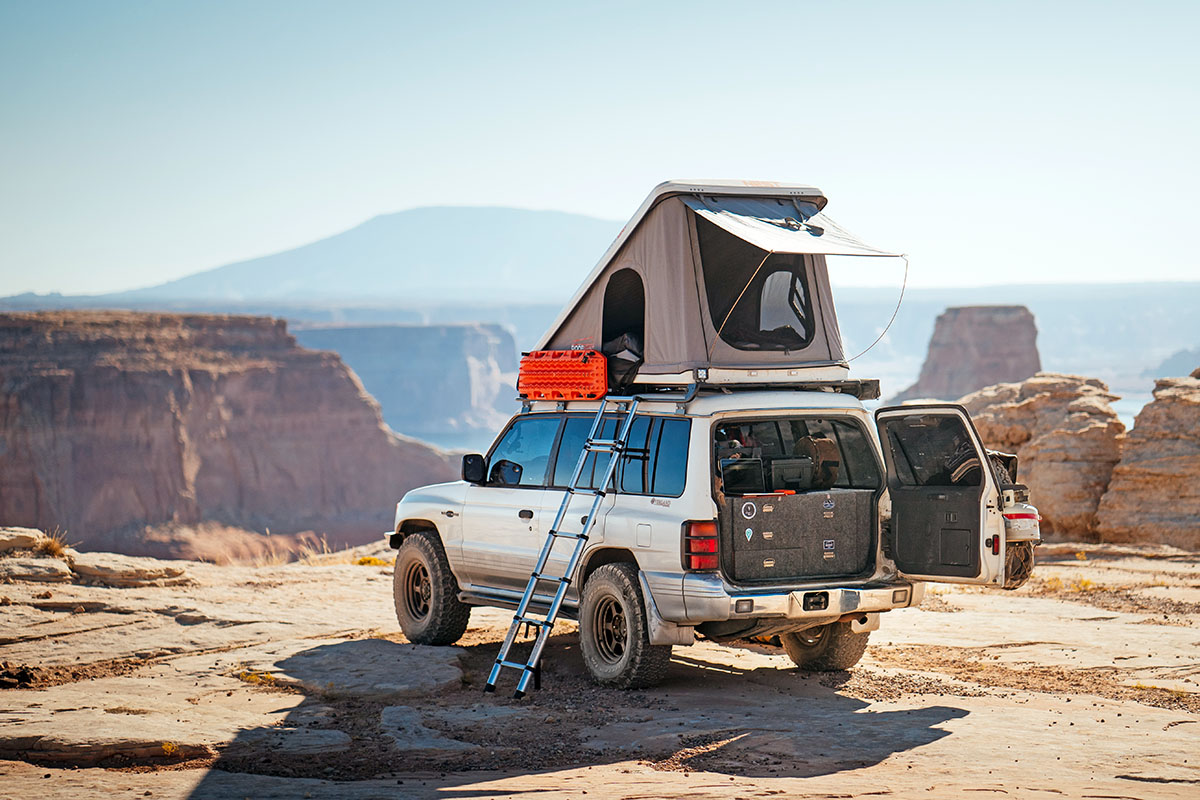
Credit: www.switchbacktravel.com
Car Roof Tents Popularity
Car roof tents have grown in popularity in recent years. More people enjoy camping and exploring nature. These tents offer a new way to camp. They combine comfort with adventure. The tents sit on top of cars. This setup makes camping easier and more fun.
Rising Outdoor Trends
Outdoor activities have become popular worldwide. People want to spend time outside. They seek simple and quick camping options. Car roof tents fit this need perfectly. Setup is fast and needs little effort. No more sleeping on hard ground. Tents on cars provide a clean and dry place.
Adventure Travel Appeal
Adventure travel attracts many people. They want freedom to explore remote places. A car roof tent lets travelers camp anywhere. It offers safety from animals and wet land. Travelers can move easily from place to place. This flexibility makes trips more exciting and spontaneous.

Credit: blog.indiecampers.com
Benefits Of Roof Tents
Roof tents offer many benefits for outdoor lovers. They make camping easier and more fun. These tents attach to the top of a car. This setup gives campers freedom to explore more places.
Roof tents save time and effort during trips. Setting up is quick and simple. They keep you off the ground, which means better rest. Space inside the car stays free for other gear.
Convenience And Mobility
Roof tents are easy to set up. Most open in just a few minutes. They fold flat on the car roof for travel. This means you can camp almost anywhere. No need to find flat ground for a tent.
Travel plans can change fast. Roof tents let you move quickly. Park, open the tent, and you have a place to sleep. No heavy gear to carry or pitch.
Safety And Comfort
Sleeping off the ground keeps you safe. You avoid bugs, snakes, and wet soil. Higher up means better air flow and fewer pests. The tent protects from rain and wind well.
Roof tents often have thick mattresses inside. This adds comfort after a long day. You stay dry and cozy, even in bad weather. It feels like a small home on the road.
Space Efficiency
Roof tents free up space inside the car. Gear, food, and clothes fit easily below. No need for big trailers or extra vehicles. This makes packing lighter and simpler.
Cars can carry more passengers comfortably. Everyone has room to sit and relax. Roof tents use vertical space, which is often empty. This smart use of space helps on long trips.
Types Of Roof Tents
Roof tents come in different styles to fit various needs. Choosing the right type depends on budget, comfort, and ease of use. Two main types dominate the market: hard shell and soft shell tents. Both have unique features that appeal to campers and travelers.
Hard Shell Tents
Hard shell tents have a solid outer shell made of fiberglass or aluminum. They open quickly and provide strong protection against wind and rain. These tents offer more durability and last longer than other types. Setup takes just a few minutes, making them great for frequent campers. They also pack down compactly, saving space on the roof. Inside, they usually have a rigid floor for extra comfort. Hard shell tents cost more but give excellent value over time.
Soft Shell Tents
Soft shell tents use fabric walls that fold out from a base on the roof. They are lighter and usually cheaper than hard shell tents. Setup takes a bit longer but still remains easy. These tents offer more space inside due to their fold-out design. The fabric walls can breathe better, which helps reduce condensation. Soft shell tents are popular among budget campers and those who want more room. They need careful packing to avoid wear and tear over time.
Setup And Usage
Setting up and using a tent on top of a car is simple and quick. It saves space and gives you a unique camping experience. This section explains how to install the tent and what to expect while camping.
Installation Process
First, park your car on flat ground. Open the roof rack or bars. Place the tent on top carefully. Secure it using straps or clamps that come with the tent. Tighten all fasteners to keep it steady. Check if the tent is stable before climbing in. Most tents unfold easily and take just minutes to set up. No extra tools are needed. This quick setup makes camping easy for all.
Camping Experience
Sleeping above the ground feels safe and cozy. You stay away from bugs and wet soil. The tent offers good ventilation and a great view. It is perfect for places with rocky or uneven ground. You can set up camp anywhere your car can reach. Packing up is fast, too. Just fold the tent and secure it again. This style of camping lets you enjoy nature with comfort and ease.
Popular Destinations For Roof Tenting
Roof tents have become a favorite choice for many travelers. They offer comfort and freedom to camp almost anywhere. People enjoy the adventure of sleeping above their car. This style of camping fits well with exploring nature and hidden spots. Certain places attract more roof tent users. These destinations provide the perfect mix of scenery and adventure. Below are some popular spots where roof tents shine.
National Parks
National parks are top picks for roof tent campers. They offer stunning views and fresh air. Campers can park close to trails and lakes. Waking up surrounded by nature feels peaceful and special. Many parks allow camping in designated areas. This makes it easy to enjoy the outdoors safely. Roof tents help people stay off the ground and away from bugs. They make park visits more comfortable and flexible.
Remote Wilderness Areas
Remote wilderness areas attract those who seek solitude. These places have fewer people and untouched landscapes. Roof tents let campers set up camp anywhere safe. No need to find a flat spot on the ground. Campers can escape noise and city lights. Stars shine brighter far from towns. Roof tents provide shelter in wild places with ease. They offer a cozy way to enjoy true adventure.
Considerations Before Buying
Putting a tent on top of a car is a smart way to camp. It saves space and keeps you off the ground. Before buying, some key points matter. These points help you choose the right tent for your car and needs.
Vehicle Compatibility
Not all cars fit rooftop tents. Check your car’s roof type. Some roofs hold weight better than others. Crossbars or roof racks must be strong and fit well. Measure your roof space to match the tent size. A wrong fit can cause damage or unsafe trips.
Weight And Durability
Rooftop tents add weight to your car. Know your car’s weight limit on the roof. The tent should be light but strong. Look for tents made from tough materials. Durability means the tent lasts through many trips. It also protects you from rain and wind.
Cost Factors
Tents on cars come in many prices. Think about your budget before buying. Cheaper tents may lack quality and features. More expensive tents often have better build and comfort. Include extra costs like installation and roof racks. Choose a tent that fits your money and camping style.
Environmental Impact
People choose tents on top of cars for many reasons. One big reason is how it affects nature. This choice helps protect the environment during camping trips. It lowers damage to plants and soil. It also supports careful use of natural areas. Understanding this impact helps campers make smart decisions.
Minimal Ground Disturbance
Car rooftop tents keep campers off the ground. This stops soil from getting crushed. Plants stay safe and can keep growing. No need to clear bushes or grass for a tent. This protects small animals and bugs living there. Less ground damage means nature stays healthy longer.
Sustainable Camping Practices
Using rooftop tents fits well with eco-friendly camping. Campers leave no trace behind. There is less waste and fewer marks on the land. Campers can move easily to new spots without harm. This way, natural areas stay clean and fresh. It encourages respect for the outdoors and its beauty.

Credit: gearjunkie.com
Frequently Asked Questions
Why Do People Choose Rooftop Tents For Camping?
People use rooftop tents for easy setup, comfort, and safety. They keep campers off the ground and away from insects. Rooftop tents offer better views and save space inside the car. They are popular for overlanding and outdoor adventures.
Are Rooftop Tents Safe To Use On Cars?
Yes, rooftop tents are safe if installed correctly. They require proper roof racks and weight limits. Most tents are designed to handle wind and rain. Always follow manufacturer guidelines to ensure safe and secure camping on your car roof.
How Do Rooftop Tents Benefit Outdoor Travelers?
Rooftop tents provide quick shelter and convenience. They help travelers avoid uneven or wet ground. These tents improve mobility, allowing camping in remote areas. They also enhance comfort with built-in mattresses and ventilation, making trips more enjoyable.
Can Rooftop Tents Fit On Any Vehicle?
Rooftop tents fit most vehicles with roof racks. Compatibility depends on vehicle roof strength and rack capacity. Larger SUVs and trucks are ideal, but many sedans can support smaller tents. Always check weight limits before installation.
Conclusion
Putting tents on top of cars offers great camping convenience. It saves space inside the vehicle and keeps you off the ground. This setup protects campers from dirt, bugs, and wet surfaces. It also allows easy setup and quick packing.
Many enjoy the freedom to camp anywhere with this option. Overall, roof tents make outdoor trips simpler and more comfortable. They fit well with adventurous and flexible lifestyles. Trying one can change how you experience camping. Simple, practical, and smart—this camping style suits many travelers.
