
Every morning, millions of people lace up their boots and head outside for a walk in nature. Hiking is more than just exercise; it’s a way to relax, explore, and reconnect with the world. Some hikers go out once a week, while others choose to hike every single day.
But is hiking every day a good idea, or can it cause harm? Many people wonder if daily hiking can lead to injury, burnout, or other problems. If you’re considering making hiking a daily routine, or you’re already doing it, this article will give you clear answers and practical guidance.
What Happens To Your Body When You Hike Every Day?
Hiking uses many muscles and joints. When you hike daily, your body adapts and changes over time. Walking on uneven terrain strengthens your legs, improves balance, and increases endurance. Research shows that regular hiking can lower blood pressure, improve heart health, and help control body weight.
But hiking every day also means your body gets less time to rest and recover. The muscles and joints used during hiking need recovery to repair and grow stronger. Without enough rest, the risk of overuse injuries increases. Common problems include shin splints, knee pain, and plantar fasciitis. These conditions can develop slowly and worsen with continued activity.
Impact On Cardiovascular Health
Daily hiking is often considered good for your heart. It increases your heart rate and improves circulation. The American Heart Association recommends regular physical activity, and hiking meets this requirement. However, if you push too hard or hike long distances every day, your heart can feel stressed, especially if you have existing health issues.
Mental Health Benefits And Risks
Hiking is well-known for reducing stress and boosting mood. Being outdoors can help lower anxiety and depression. However, some people may feel pressured to hike every day, which can lead to mental burnout. If hiking turns into a chore, it can lose its positive effects and become a source of stress.
Physical Risks Of Hiking Every Day
While hiking is generally safe, doing it every day can increase the chances of certain injuries and health problems. Here’s a closer look:
Overuse Injuries
Overuse injuries happen when you repeat the same movement without enough rest. Hiking puts stress on the knees, ankles, hips, and feet.
| Injury Type | Common Symptoms | Risk Factors |
|---|---|---|
| Shin Splints | Pain along the shin bone | Hard surfaces, long distances |
| Plantar Fasciitis | Heel pain, stiffness | Poor footwear, high mileage |
| Patellar Tendonitis | Knee pain, swelling | Steep climbs, weak muscles |
| IT Band Syndrome | Outer knee pain | Repetitive motion, uneven terrain |
If you notice these symptoms, it’s important to rest and seek medical advice. Continuing to hike can make the injury worse and lead to longer recovery times.
Fatigue And Burnout
Daily hiking can cause physical fatigue. If you don’t sleep well or eat enough, your body may not recover fully. Signs of burnout include feeling tired all the time, loss of motivation, and slow recovery after hikes. Many beginners miss the early signs of fatigue, thinking it’s normal.
But ignoring these signs can lead to serious health issues.
Immune System Stress
Exercise usually helps the immune system. But too much, with too little rest, can have the opposite effect. Studies show that intense daily exercise may lower immune defenses, making you more likely to get sick. If you hike in extreme weather or high altitudes every day, this effect can be stronger.
Benefits Of Daily Hiking
Even with risks, hiking every day offers many advantages. The key is to balance benefits with careful planning.
Improved Fitness
Hiking strengthens the legs, core, and back. It also improves stamina and flexibility. If you hike daily, your fitness will increase quickly, especially if you use different trails and terrains.
Weight Control
Hiking burns calories. A 150-pound person burns about 430 calories per hour on moderate terrain. Doing this every day helps manage body weight and can aid weight loss. Unlike running, hiking is lower impact, which makes it easier on the joints.
Mental Well-being
Daily hiking connects you with nature. It can help fight depression, anxiety, and improve your overall mood. The variety of scenery and fresh air adds mental stimulation. For many, daily hiking becomes a form of meditation.
Social Benefits
Hiking with friends or groups every day builds relationships. It can help you feel more connected and supported. Some people form hiking clubs or join local groups for regular outings.
How To Make Daily Hiking Safe
If you want to hike every day, planning is essential. Here are practical steps to protect your health:
- Change Your Routes: Use different trails, distances, and terrains. This reduces repetitive stress and keeps hiking interesting.
- Listen to Your Body: If you feel pain, take a break. Don’t ignore early signs of injury.
- Use Proper Footwear: Choose shoes with good support and cushioning. Replace them when they show signs of wear.
- Rest Days: Even if you hike daily, some days should be light and shorter. Consider “active rest” with easy walks or stretching.
- Fuel and Hydrate: Eat enough calories, especially if hiking long distances. Drink water before, during, and after your hike.
- Warm Up and Cool Down: Start with gentle walking and stretching. End with slow walking and more stretching to aid recovery.
- Check Weather Conditions: Avoid hiking in extreme heat, cold, or storms. These conditions increase risk.
Common Mistakes Beginners Make
Many new hikers believe more is always better. Here are mistakes to avoid:
- Hiking only one trail every day (leads to repetitive strain)
- Ignoring pain or soreness
- Wearing old or improper shoes
- Not drinking enough water
- Hiking long distances without building up gradually
By avoiding these mistakes, you reduce your risk and make daily hiking safer.
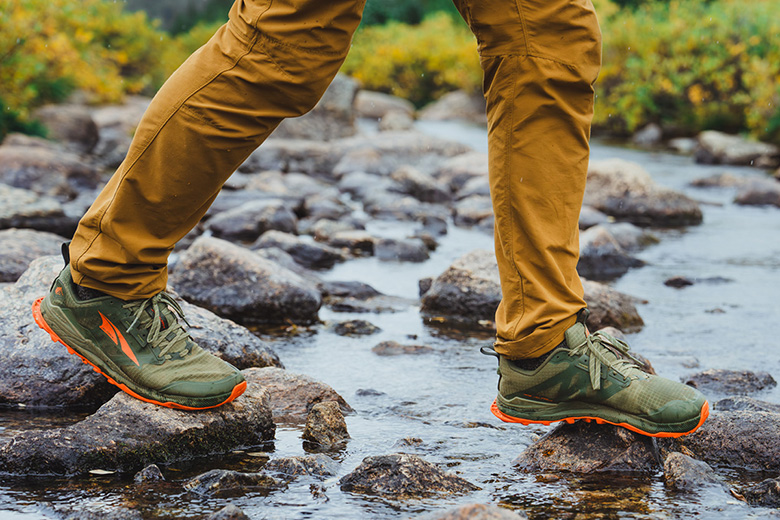
Credit: www.switchbacktravel.com
Differences Between Daily Hiking And Other Exercise Routines
You may wonder how hiking every day compares to other activities, like running, cycling, or gym workouts. Each exercise has unique benefits and risks.
| Activity | Impact Level | Muscle Groups Used | Common Injuries | Calories Burned (per hour) |
|---|---|---|---|---|
| Hiking | Low-Moderate | Legs, core, back | Shin splints, knee pain | 300-500 |
| Running | High | Legs, core | Stress fractures, IT band | 500-800 |
| Cycling | Low | Legs, hips | Knee pain, back pain | 400-600 |
| Gym Workouts | Varies | Full body | Muscle strains | 200-600 |
Hiking is lower impact than running but higher than cycling. It uses more muscles than cycling and is easier to maintain daily for most people. Still, the risk of overuse injuries is similar if you don’t allow rest.
Psychological Effects Of Hiking Every Day
Daily hiking can affect your mind in positive and negative ways. Most people enjoy the routine, but some feel pressure to keep up, especially if they share hikes on social media.
Positive Effects
- Stress Reduction: Nature calms the mind and reduces anxiety.
- Routine and Discipline: Daily hiking creates structure in your life.
- Achievement: Completing daily hikes boosts confidence and self-worth.
Negative Effects
- Obsession: Hiking every day can become an obsession, leading to guilt if you miss a day.
- Burnout: Mental fatigue can make hiking feel less enjoyable.
- Social Isolation: If you hike alone every day, you may miss social connections.
A non-obvious insight is that daily hiking sometimes causes people to ignore other important activities, like family time or work. Balance is important—don’t let hiking take over your life.
:quality(80))
Credit: www.ellis-brigham.com
Who Should Avoid Hiking Every Day?
Not everyone can or should hike daily. Certain groups need extra caution:
- People with chronic joint pain: Daily hiking can worsen arthritis or other joint issues.
- Older adults: Recovery time is longer, and risk of injury is higher.
- Those with heart conditions: Speak to a doctor before starting daily hikes.
- Beginners: Build up slowly—start with two or three days per week.
If you have any doubts, consult a healthcare professional. Hiking is not “one size fits all. ”
Signs That You Need A Break
Knowing when to stop is just as important as knowing when to start. Here are signs you need rest:
- Persistent pain or soreness
- Swelling in feet, knees, or ankles
- Difficulty sleeping
- Feeling tired even before starting a hike
- Loss of motivation or enjoyment
Taking a break doesn’t mean failure. Rest helps your body recover, making you stronger for future hikes.

Credit: www.walmart.com
How To Create A Balanced Hiking Routine
If you love hiking but want to avoid problems, balance is key. Here’s how to build a healthy routine:
- Mix hiking with other activities: Try swimming, yoga, or cycling for variety.
- Schedule rest days: At least one day per week with no hiking.
- Track your progress: Use a notebook or app to record hikes, distances, and how you feel.
- Set realistic goals: Don’t aim for perfection—allow flexibility in your plan.
- Listen to feedback from your body and mind: Adjust your routine if you notice negative signs.
Example Balanced Week
| Day | Activity | Intensity |
|---|---|---|
| Monday | Short hike (2-3 miles) | Low |
| Tuesday | Yoga/stretching | Low |
| Wednesday | Long hike (5-7 miles) | Moderate |
| Thursday | Rest or light walk | Low |
| Friday | Cycling or swimming | Moderate |
| Saturday | Group hike | Moderate |
| Sunday | Rest | None |
This plan gives your body time to recover and keeps hiking enjoyable.
Practical Tips For Daily Hikers
If you’re committed to hiking every day, follow these practical tips:
- Vary the pace: Mix slow walks with brisk hikes.
- Use hiking poles: They reduce stress on knees and help balance.
- Pack light: Only carry what you need to avoid extra strain.
- Check your shoes: Replace them every 300-500 miles.
- Stretch after hiking: Focus on calves, hamstrings, and back.
- Monitor your health: Keep track of any aches, pains, or changes.
Non-obvious tip: If you hike in a city, look for parks, greenways, or urban trails. Variety keeps you motivated and reduces injury risk.
Environmental Considerations
Daily hiking has an impact on nature. If many people hike the same trails every day, it can cause erosion, plant damage, and disturb wildlife. To reduce your impact:
- Stay on marked trails
- Avoid picking plants or disturbing animals
- Take litter home with you
- Use eco-friendly gear
Being a responsible hiker means caring for nature as much as your own health.
Frequently Asked Questions
Can I Hike Every Day If I Am Over 50?
Yes, but start slowly and listen to your body. Older adults need more recovery time. Use supportive footwear and avoid steep or difficult trails at first. Talk to your doctor before beginning a daily routine.
How Long Should My Daily Hike Be?
For most people, 30–60 minutes or 2–4 miles is safe. Beginners should start with shorter hikes and gradually increase distance. If you feel tired or sore, reduce the length.
What Should I Eat Before And After Hiking?
Eat a small meal with carbohydrates and protein before hiking. After, have a balanced meal with protein, healthy fats, and vegetables to help recovery. Drink water before, during, and after your hike.
Is Hiking Every Day Better Than Running?
It depends on your goals. Hiking is lower impact and safer for joints, while running burns more calories and improves speed. Both are good for health, but hiking is easier to maintain daily without injury.
How Can I Tell If Daily Hiking Is Hurting Me?
Watch for signs like persistent pain, swelling, fatigue, or loss of motivation. If you have any of these, take a break and rest. Consult a doctor if symptoms continue.
Final Thoughts
Hiking every day can be both rewarding and risky. It improves fitness, boosts mood, and connects you with nature. But without careful planning, it can lead to injuries and burnout. The safest approach is to vary your hikes, listen to your body, and include rest. For some, hiking daily is possible and enjoyable. For others, a balanced routine works better. Remember, hiking should add joy and health to your life—not stress or pain. If you need more information about exercise and health, consider visiting the Centers for Disease Control and Prevention for expert guidance.
Stay safe, enjoy your hikes, and let nature inspire you every day.
